Best Portable Clothes Dryers for Apartments in 2026
The best portable clothes dryer for most people is a ventless heat pump dryer. It is energy-efficient, gentle on your clothes, and requires no outside venting. You can plug it into a standard wall outlet and use it almost anywhere in your home.
We spent time researching the top models on the market to cut through the noise. Whether you live in a small apartment, travel in an RV, or just want a backup for your big machine, we found options that actually work. The right one for you depends on your space, your budget, and how much laundry you plan to dry in a single load.
TL;DR (Too Long; Didn’t Read):
- Heat pump dryers are the best all-around choice for portability and efficiency.
- Vented dryers are cheaper but require a window or hose setup, which limits where you can use them.
- Compact tumble dryers work best for smaller loads like gym clothes, towels, and delicates.
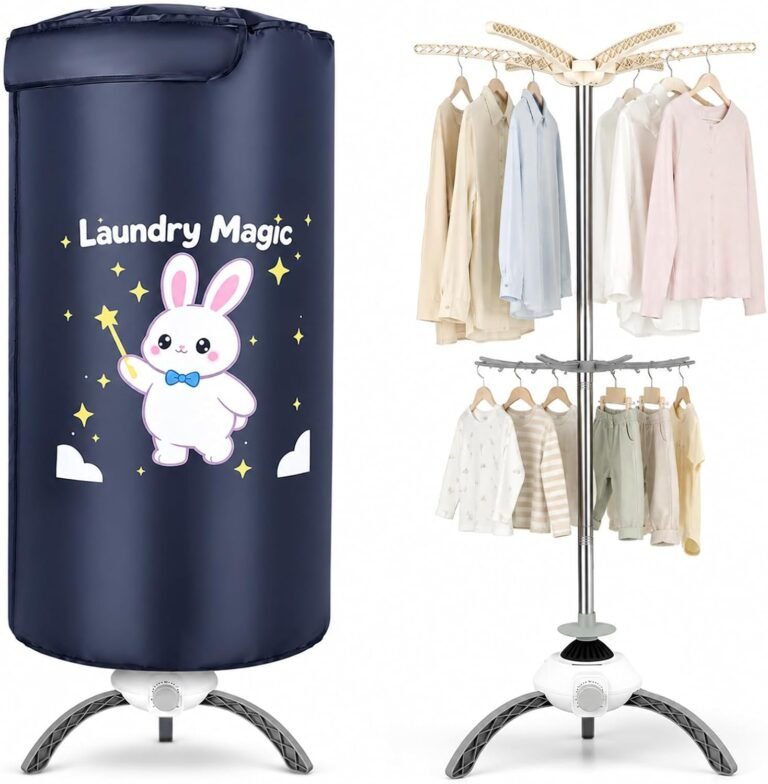
- Drying racks are the only truly zero-energy option but take the longest to dry clothes.
- Always measure your space and check the power requirements before buying anything.
Below, we break down the best portable clothes dryer options on the market today. We’ll walk you through the pros and cons of each type so you can pick the perfect fit for your home and your laundry routine.
Finding Your Perfect Portable Clothes Dryer
The short answer? You likely want a ventless heat pump dryer. We found that these machines hit the sweet spot for most apartment dwellers and small-space residents. They are kind to your clothes and your electricity bill. Plus, they don’t need a vent hose pointing out a window, which opens up where you can put them.
Why Skip a Traditional Vented Dryer?
Before you buy, it helps to understand why vented portable dryers are a tough sell. They are usually the cheapest option upfront, no doubt about that. But they come with a big catch. These machines blow hot, damp air through a hose that has to go somewhere — usually out a window or into a bucket. That setup can be a pain. We often see people struggling to seal the window kit properly. It lets in cold drafts and bugs.
You also have to empty that water bucket constantly. If you forget, the machine shuts off mid-cycle. That is the last thing you want after waiting for your towels to dry.
The Vented Dryer Reality Check
Vented dryers are also less efficient. They pull in air from the room, heat it, and toss it outside. That means they work harder and use more energy. Many experts say that vented dryers are only a good fit if you are on a tight budget and have a window right next to your hookup spot. For everyone else, the extra money for a heat pump dryer is worth it in the long run.
Doing the Math on Energy Bills
Heat pump dryers recycle warm air. They reheat the same air again and again to evaporate moisture, instead of venting it out. This process uses far less electricity. In fact, the U.S. Department of Energy highlights heat pump technology as a top way to cut energy use for laundry. Your monthly bill will thank you. You might pay more at the register, but you save month after month.
What to Look for Before You Hit Buy
Now that you know the type, let’s talk about the features that actually matter. We found that shoppers often get distracted by fancy displays and extra settings. But these core specs make the biggest difference.
Standard Outlet vs. High-Voltage
This is the number one thing people miss. Many full-size dryers need a 240V outlet, which is the big plug your oven uses. Most portable dryers, especially heat pump models, run on a standard 120V outlet. That is the regular three-prong plug you have in every room. Just double-check the label before you order. A 120V heat pump dryer is truly portable because it works in any room. The last thing you want is to buy a machine that needs an electrician to set up.
Capacity: Pounds Matter, Not Just Size
Capacity is measured in cubic feet. But for portable dryers, think in terms of pounds of laundry. Most small units handle about 2.5 to 4 pounds at a time. That is roughly a few bath towels or a handful of t-shirts. Be honest with yourself about how much laundry you do in a day. If you are a single person who washes every few days, a smaller capacity is fine. If you have a family of four, you will be running the machine all day long. You might need a larger model or a different strategy altogether. Remember, overstuffing a portable dryer is the quickest way to get wrinkled, still-damp clothes. Stick to the load size in the manual.
Check the Noise Level
Portable dryers are not silent. They hum and whir as they tumble. Before you buy, look at the decibel rating. We found that most range from 60 to 70 decibels. That is about the level of a normal conversation. If you live in a studio apartment, this noise might bother you. Plan to run it during the day when you are out or watching TV. Avoid the temptation to run it while you sleep unless you are sure you can handle the sound.
Drain Options: Bucket vs. Hose
Ventless dryers collect water in an internal tank. You have to empty this tank after every load or two. That is a simple task, but it is easy to forget. Some models come with a drain hose attachment. If you can position the dryer near a sink or a floor drain, you can connect the hose and never empty the tank again. That is a serious convenience upgrade. If you plan to move the dryer around between rooms, a tank is easier because you are not tethered to a drain.
The Lighter Side: Compact Tumble Dryers
If a heat pump dryer feels like too much, consider a compact tumble dryer. These are similar to full-size dryers but much smaller. Some are vented, and some are ventless. They plug into a standard outlet. They are great for drying small loads of gym clothes, delicates, or a single pair of jeans. You cannot dry a full load of sheets in one go, but they are fast. They usually finish a cycle in 40 to 60 minutes.
When a Compact Dryer Makes Sense
These machines are perfect for people who just need to freshen up an outfit or dry a damp towel. They are also popular with RV owners because they are light and easy to store. Many experts note that compact dryers are not a replacement for a full-size machine. They are a sidekick. If you already have a big dryer at home but travel a lot, a compact model is a smart buy.
Spin Speed and Dryness
Pay attention to the spin speed on compact models. A higher RPM means more water is removed from clothes after washing. This leads to faster drying times in the dryer. Look for a spin speed of at least 1200 RPM. Anything lower will leave clothes heavier and take longer to dry. It is a small spec that makes a huge difference in your daily routine.
Manual Drying Racks: The Low-Tech Hero
Let’s not forget the classic drying rack. It uses zero electricity and costs almost nothing. It is silent, gentle, and takes up no counter space when folded. The obvious downside? Drying time. Jeans can take a full day. Towels can take even longer, depending on your home’s humidity. But for delicates and workout gear, nothing beats it. We keep one around even when we have a machine. It is a great backup for hand-wash-only items.
Using the Rack With Your Washer
- Your washer’s spin cycle does the heavy lifting. Run an extra spin cycle to get clothes as dry as possible before racking.
- Place the rack near a fan or an open window to speed up evaporation.
- Turn items inside out to keep colors from fading in the sun.
- Separate heavy items like denim from light shirts. They dry at different speeds.
- Thin synthetic fabrics dry much faster than thick cotton.
Comparing Your Portable Dryer Options
Here is a quick comparison to help you see the difference at a glance. Use this table to weigh what matters most to you.
| Feature | Heat Pump Dryer | Vented Dryer | Compact Tumble |
|---|---|---|---|
| Power Source | Standard 120V outlet | Standard 120V outlet | Standard 120V outlet |
| Venting Required | No | Yes, out a window | Depends on model |
| Energy Efficiency | High | Low | Medium |
| Drying Time | Slow to medium | Fast | Medium |
| Typical Capacity | 4-8 lbs | 4-8 lbs | 2-4 lbs |
| Best For | Apartments, daily use | Budget shoppers with windows | Small loads, travel |
Your Pre-Purchase Checklist
Before you hit the order button, run through this quick checklist. We found that taking five minutes here saves you a headache later.
- Measure your space. Make sure you have room for the dryer plus a few inches of airflow on all sides.
- Confirm your outlet. Look at the plug type and voltage requirement on the product page.
- Check the max load size. Compare it to your normal laundry day.
- Look at the water tank. Figure out where you will empty it and how often.
- Read the noise rating. If you work from home, this matters more than you think.
- See the return policy. Make sure you can send it back if it does not fit your life.
The Best Portable Clothes Dryer for Your Space
So, what is the best portable clothes dryer? We found that a ventless heat pump model is the winner for most people. It gives you flexibility, saves energy, and works in nearly any room with a standard outlet. If your budget is tight, a vented compact dryer will work, but you must commit to the hose setup. For tiny loads and zero energy use, nothing beats a folding rack.
Take your measurements, check your outlet, and think about your daily routine. The right dryer is out there. You just have to pick the one that fits your home and your habits. If you keep the tips above in mind, you will love whatever you choose.
Conclusion
You have plenty of solid options for drying clothes without a full-size machine. We recommend starting with a ventless heat pump dryer if your budget allows. It offers the best mix of energy savings, convenience, and flexibility for small spaces.
Before you buy, measure your space and double-check your outlet voltage. These two simple steps will save you from a major headache later. Think about your daily laundry volume, too. A small load means a compact dryer will work fine. A family will want the larger heat pump model.
Your next step is simple. Grab a tape measure and check the space where you plan to put the dryer. Then, compare a couple of models using the checklist above. You will find the perfect fit for your home.
Frequently Asked Questions
Can you plug a portable clothes dryer into any wall outlet?
Not always. Most portable dryers, including heat pump models, use a standard 120V outlet. This is the regular three-prong plug found in most rooms. However, you should always check the product label before buying. Some larger or older vented models may need a different setup.
How long does a portable dryer take to dry a load of clothes?
Expect a typical cycle to run between 60 and 90 minutes. Heat pump dryers run longer than vented models because they use lower heat. Compact tumble dryers are often faster, finishing in about 40 to 60 minutes. The exact time depends on fabric type and how wet the clothes are after the spin cycle.
Do portable dryers need to be vented outside?
Ventless heat pump dryers do not need an outside vent at all. They collect moisture in a water tank that you empty after each use. Vented portable dryers do require a hose that goes out a window. Make sure you pick the right style for your space and setup.
Are portable dryers safe to use indoors?
Yes, ventless heat pump dryers are safe for indoor use. They do not produce dangerous exhaust fumes and recycle warm air inside the unit. Vented dryers also work indoors, but you must attach the exhaust hose correctly. Always follow the manufacturer’s instructions for safe operation.
Will a portable dryer shrink my clothes like a regular dryer?
Heat pump dryers are gentler on fabrics because they use lower temperatures. This reduces the risk of shrinking compared to standard dryers. However, any heat can shrink natural fibers like cotton. Check the care labels on your clothes and use the low-heat or delicate setting when you are unsure.