How an Atlas Copco Air Compressor Works Explained

How an Atlas Copco Air Compressor Works Explained

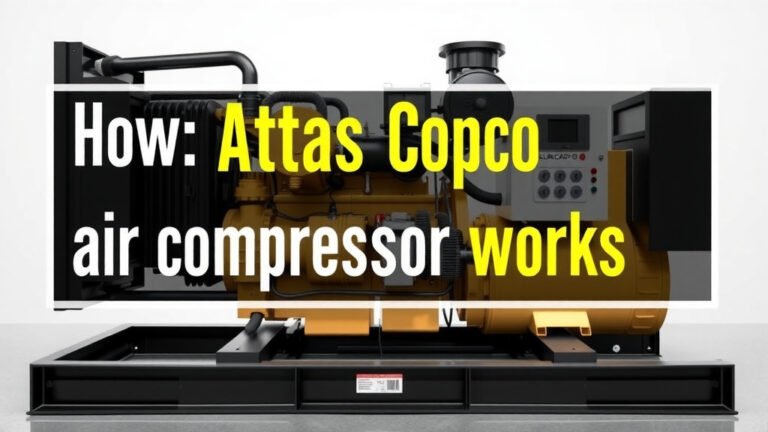
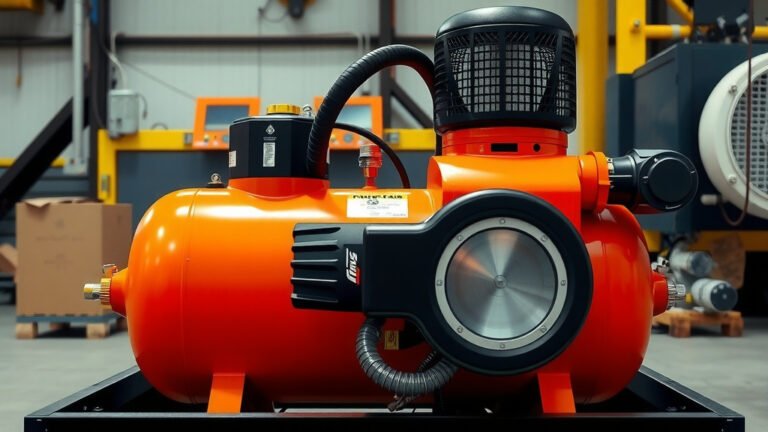
An Atlas Copco air compressor works by drawing in ambient air, compressing it to a higher pressure, and then delivering that pressurized air to your tools or processes. This is achieved through a rotating screw mechanism that efficiently squeezes the air. It’s a clever system designed for power and reliability. Essentially, it’s a robust machine…

Understanding CFM: How to Calculate Air Compressor Output

Understanding CFM: How to Calculate Air Compressor Output

Calculating your air compressor’s CFM is actually quite straightforward! You’ll need to measure the air volume your tools require and then factor in system losses to get the right number. This ensures your compressor can power your tools efficiently. CFM, or Cubic Feet per Minute, tells you how much air your compressor can deliver. Understanding…

How to Drain Your Air Compressor: A Step-by-Step Guide

How to Drain Your Air Compressor: A Step-by-Step Guide

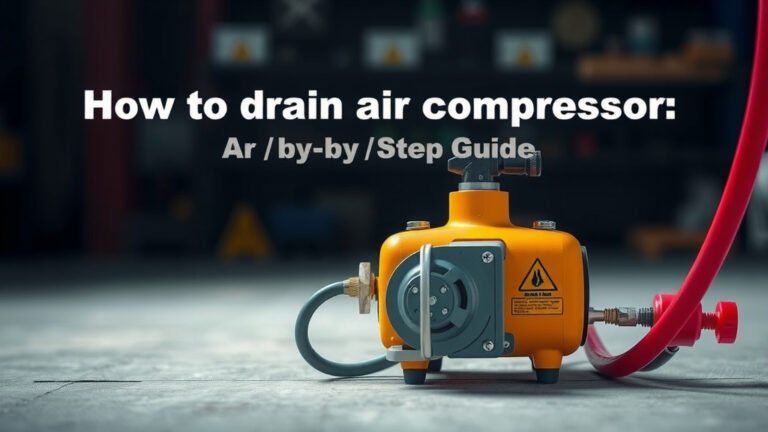
Draining your air compressor is a vital maintenance task that helps prevent moisture damage. You should aim to drain your compressor regularly, ideally after each use, to keep it in top shape. This simple step prevents water buildup, which can lead to rust and internal component failure over time. Regular draining protects your tool investment…

Air Compressor Line Length: How Far Can You Run It

Air Compressor Line Length: How Far Can You Run It

You can often run an air compressor line hundreds of feet without significant issues, but the maximum distance depends on several factors. It’s not a one-size-fits-all answer, and running your line too far can lead to pressure drops and reduced tool performance. We found that understanding your compressor’s CFM (cubic feet per minute) and the…

How Air Compressors Are Made: A Step-by-Step Look

How Air Compressors Are Made: A Step-by-Step Look

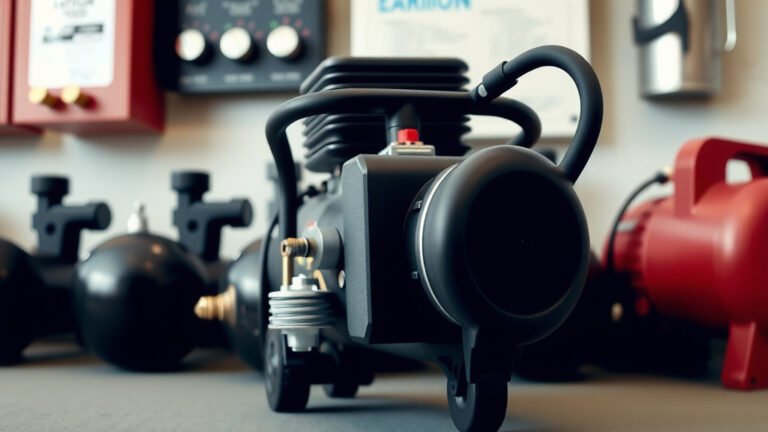
An air compressor works by drawing in surrounding air, compressing it into a smaller volume, and storing it under pressure. This stored, pressurized air is then released on demand to power tools or other equipment. It’s a clever process that relies on a few key components working together. The most common type, the reciprocating piston…

Large Air Compressor for Sprinkler Blowout: A Guide

Large Air Compressor for Sprinkler Blowout: A Guide

Yes, you can absolutely use a large air compressor to blow out your sprinkler system for winter. It’s a common and effective method to prevent freeze damage. Just make sure the compressor is the right size and you use the correct pressure to avoid harming your pipes. When preparing your sprinkler system for colder weather,…

Air Dryer to Air Compressor Distance: What You Need to Know

Air Dryer to Air Compressor Distance: What You Need to Know

You might be wondering, how far should an air dryer be from an air compressor? For optimal performance and longevity, place your air dryer within 10-25 feet of your air compressor. This distance helps maintain air quality and prevents excessive pressure drop. It’s a sweet spot that balances efficiency with practical setup. Getting this distance…

Air Compressor Work Diagram Explained: A Simple Guide

Air Compressor Work Diagram Explained: A Simple Guide

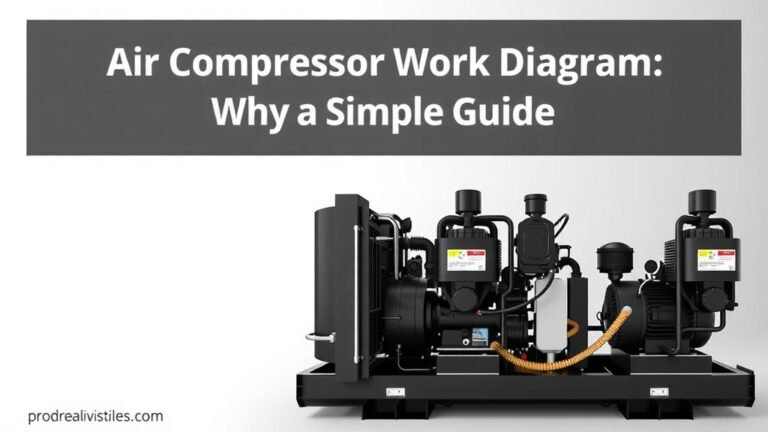
An air compressor works by drawing in ambient air, compressing it, and then storing it in a tank. This process increases the air’s pressure, making it ready to power tools or machinery. We found that understanding the basic components and their roles is key to grasping how an air compressor diagram explains its function. When…

Optimal Filter Distance From Air Compressor: How Far Is Best

Optimal Filter Distance From Air Compressor: How Far Is Best

The ideal distance for an air compressor filter is typically very close to the compressor, often directly attached or within a few inches. This proximity is essential for capturing contaminants before they enter your air system. Placing the filter too far away can allow dust and moisture to travel further into your tools and equipment….