How an Oil-Free Air Compressor Works Explained

How an Oil-Free Air Compressor Works Explained

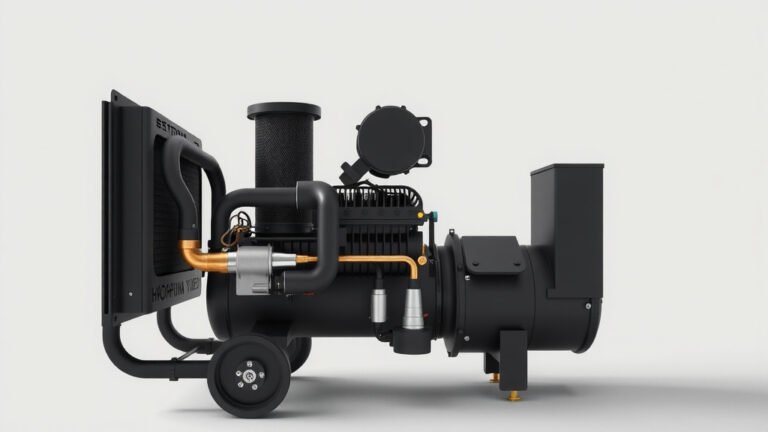
An oil-free air compressor works by using a special material in its piston rings and cylinder walls. This material allows them to rub together without needing oil for lubrication. This way, it creates cleaner air that’s free of any oily mist, making it perfect for sensitive applications. Unlike traditional compressors that require regular oil changes,…
How to Add Oil to Your Air Compressor Properly

How to Add Oil to Your Air Compressor Properly

Adding oil to your air compressor is a straightforward process that helps ensure peak performance and longevity. You’ll typically add oil to the crankcase reservoir, often marked with a dipstick or a fill cap, using a funnel. Always use the correct type of oil specified by your compressor’s manufacturer to avoid damage. It’s important to…

Add a Tank to Your Air Compressor: A Step-by-Step Guide

Add a Tank to Your Air Compressor: A Step-by-Step Guide

Adding a new tank to your existing air compressor setup is a great way to increase your air supply. You can definitely do this yourself with the right parts and a bit of careful work. Many DIYers find it’s a straightforward project that boosts their tool’s capabilities. It just takes understanding a few key components….

How a Reciprocating Air Compressor Works: A Detailed Look

How a Reciprocating Air Compressor Works: A Detailed Look

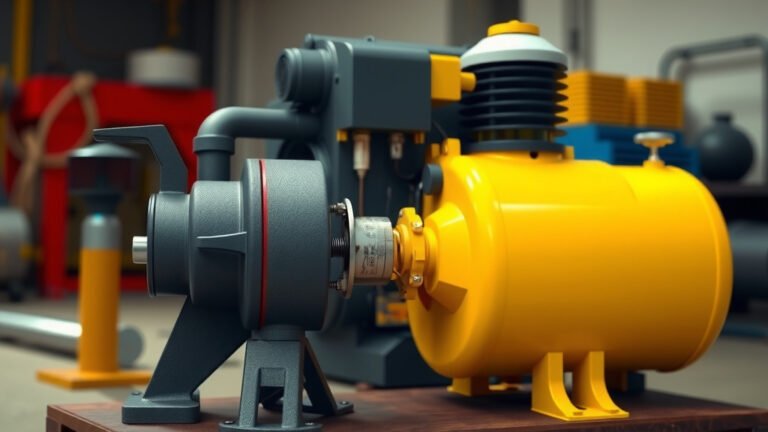
A reciprocating air compressor works by using a piston moving back and forth inside a cylinder to draw air in and then compress it. Think of it like a bicycle pump, but powered by a motor. This process squeezes the air, making it ready for your tools or equipment. It’s a reliable method for generating…

How Rotary Screw Air Compressors Work: A Deep Dive

How Rotary Screw Air Compressors Work: A Deep Dive

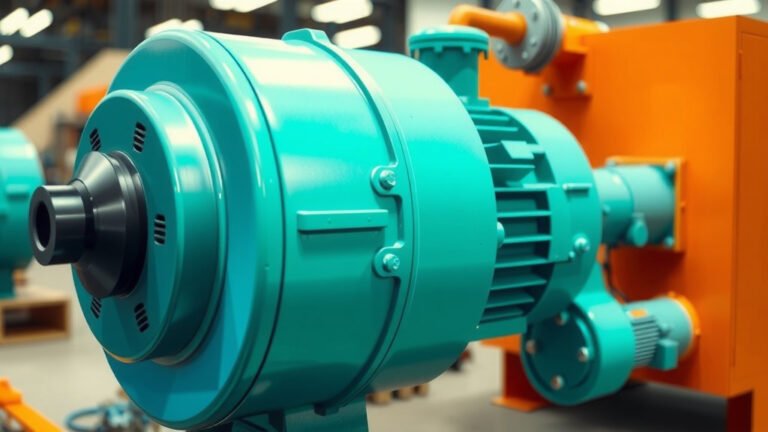
A rotary screw air compressor works by trapping air between two intermeshing helical rotors. These rotors spin in opposite directions, creating expanding chambers that suck in air. As the rotors turn, these chambers get smaller, compressing the air before it’s discharged. This continuous compression makes them great for constant air needs. Unlike older piston-style compressors,…

How to Adjust Your Air Compressor Pressure Settings

How to Adjust Your Air Compressor Pressure Settings

Adjusting your air compressor’s pressure is a straightforward process, often involving a simple regulator knob. You can typically change the output pressure by turning this knob until you reach your desired PSI setting. Always check your tool’s requirements first. Understanding your air compressor’s settings is key to both tool efficiency and safety. Too much pressure…

How a Screw Air Compressor Works Explained

How a Screw Air Compressor Works Explained

A screw air compressor works by using two interlocking helical rotors. One rotor is male, and the other is female. As they spin in opposite directions, they create chambers that trap air. These chambers get progressively smaller, squeezing the air. This efficiently compresses the air without needing oil for lubrication. You get high-quality compressed air…

Air Compressor Tank Thickness: What You Need to Know

Air Compressor Tank Thickness: What You Need to Know

The thickness of an air compressor tank isn’t measured in inches or millimeters but rather by its PSI rating and the gauge steel it’s made from. This rating tells you the maximum pressure the tank can safely hold. Different tanks are designed for different needs and safety standards, so there’s no single “thickest” size for…

Air Compressor Belt Tightness: How to Get it Right

Air Compressor Belt Tightness: How to Get it Right

So, how tight should air compressor belts be? You want them snug but not hockey-puck tight. A properly tensioned belt will have about 1/2 inch of give when you push on it. Too loose, and you risk slipping and inefficiency. Too tight, and you’ll wear out your bearings prematurely. Getting the belt tension just right…

Adjust Your Air Compressor Cut-Off Switch: A Simple Guide

Adjust Your Air Compressor Cut-Off Switch: A Simple Guide

Adjusting your air compressor’s cut-off switch is simpler than you might think. You can easily control when your compressor turns off by turning the adjustment knob. This is key to preventing over-inflation and protecting your tools. This switch, also known as the pressure switch, is a vital component. It tells your compressor when to stop…