
How Did the Sewing Machine Affect Society: Revolutionary Impact
The sewing machine is a special tool. It changed how people make clothes. Before sewing machines, people sewed by hand. This took a long time. Let’s explore how the sewing machine helped society.
History of the Sewing Machine
The sewing machine has a long history. It began in the 19th century. The first sewing machine was made in 1790. An Englishman named Thomas Saint made it. But it was not like today’s machines. It was different.
In 1846, Elias Howe improved the sewing machine. He was from America. His machine sewed faster. It used thread better. This was a big step forward.
Then, in 1851, Isaac Singer made changes. His machine was easy to use. People liked it. The Singer company became famous. It sold many machines.
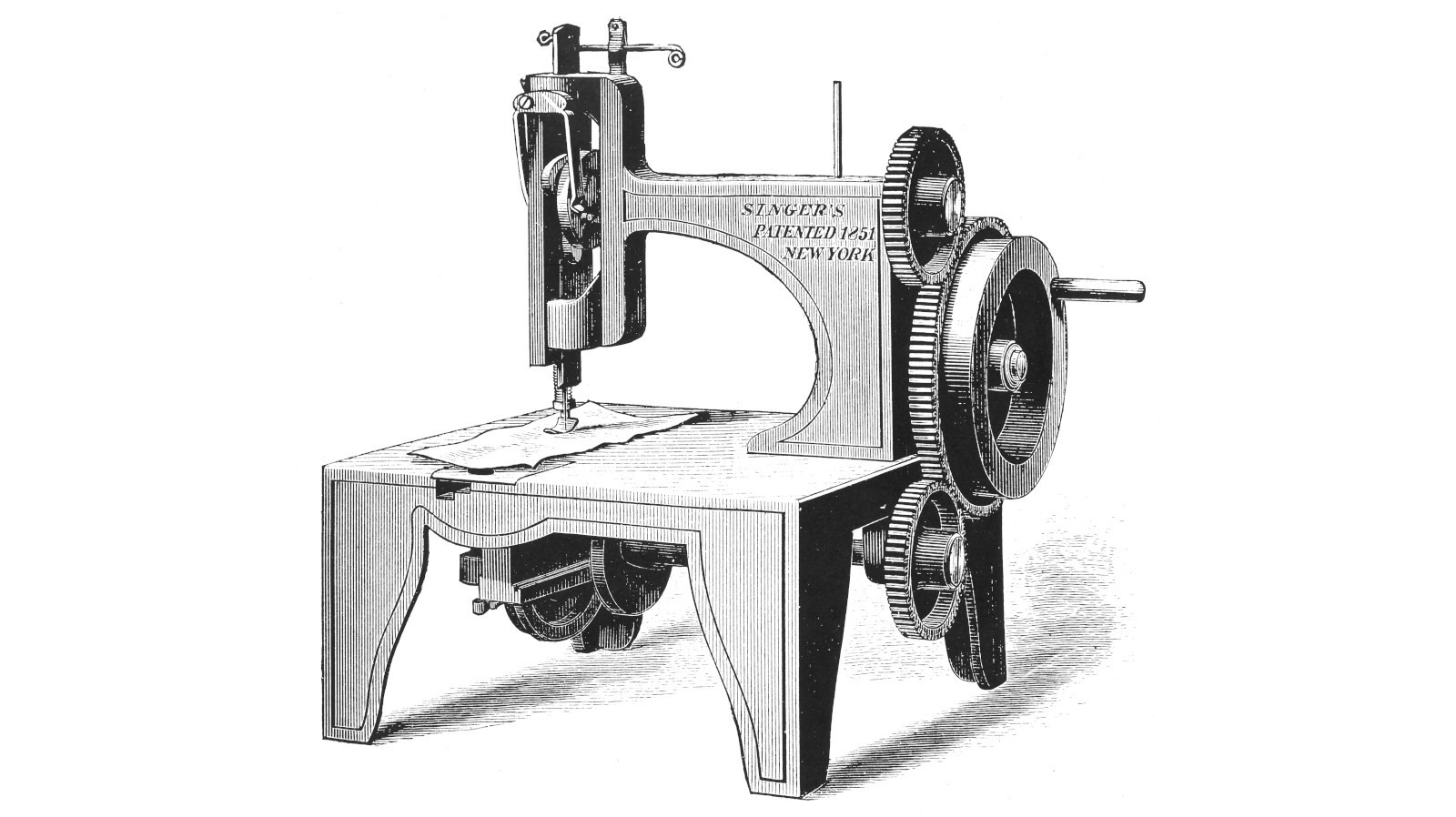
Credit: www.grunge.com
Faster Clothing Production
The sewing machine helped make clothes faster. Before, making clothes took days. With a machine, it took hours. This meant people could make more clothes. Factories used sewing machines. They made clothes in big numbers.
This helped clothing prices go down. More people could buy clothes. This was good for everyone. People had more choices.
Impact on Workers
The sewing machine changed jobs too. Many people worked in clothing factories. These jobs were called garment jobs. Workers learned to use machines.
Some workers lost jobs. Machines did work faster. But new jobs also came. People needed to fix machines. Others needed to sell them.
Working in factories was not always safe. Conditions could be hard. But many people needed these jobs. It was a big change in how people worked.
Women and the Sewing Machine
The sewing machine was important for women. Many women sewed at home. They made clothes for their families. The machine made this easier.
Women also worked in factories. They sewed clothes there. This gave them some money. They helped their families. The sewing machine opened new chances for women.
Economic Changes
The sewing machine helped the economy. More clothes meant more sales. Factories grew. This helped cities grow too. More people moved to cities for jobs.
Trade also increased. Countries sold clothes to each other. This made economies stronger. The sewing machine was a big part of this change.
Fashion and Creativity
With the sewing machine, fashion changed. People could try new styles. Clothes became more colorful. Patterns were more complex.
Designers had more ideas. They could make them real with machines. This made fashion exciting. People loved new clothes.
Home Sewing
Many people used sewing machines at home. They fixed clothes. They made new things. This saved money. It was fun too.
Some people became very good at sewing. They made clothes for others. This became a small business. Home sewing was important for families.

Credit: www.farmanddairy.com
Education and Skills
People learned new skills with sewing machines. Schools taught sewing. This was a useful skill. Both boys and girls learned it.
Knowing how to sew helped in life. It was a skill that stayed important. People used it at work and at home.
Technological Progress
The sewing machine was a step in technology. It showed how machines could help. This led to more inventions. People saw the power of machines.
Other industries used similar ideas. Machines became part of life. They helped in many ways.
Global Influence
The sewing machine had a global effect. It spread to many countries. Each country used it in its way.
Some places made their own machines. Others bought from big companies. The sewing machine connected the world.
Frequently Asked Questions
How Did The Sewing Machine Change Daily Life?
The sewing machine made sewing faster. Clothes became cheaper. Time spent on sewing decreased.
What Social Impact Did The Sewing Machine Have?
It created jobs in factories. Women gained income opportunities. Fashion evolved quickly.
How Did The Sewing Machine Affect The Economy?
Increased production led to more sales. Textile industry grew. Boosted economies worldwide.
Did The Sewing Machine Improve Clothing Production?
Yes, it sped up production. Increased availability of clothes. Improved quality and variety.
Conclusion
The sewing machine was more than a tool. It changed society. It helped people work faster. It gave new jobs. It changed fashion. It even helped economies grow.
Today, sewing machines are everywhere. They are in homes and factories. They are part of history. A history that shaped our world.
Understanding the sewing machine helps us see how technology changes life. It shows how one invention can make a difference. A difference for many people.
![What Is The Best Beginner Sewing Machines [In 2026]](https://homeunderstandable.com/wp-content/uploads/2025/07/best-beginner-sewing-machines-top-brother-models-for-easy-crafting-768x512.jpg)

