
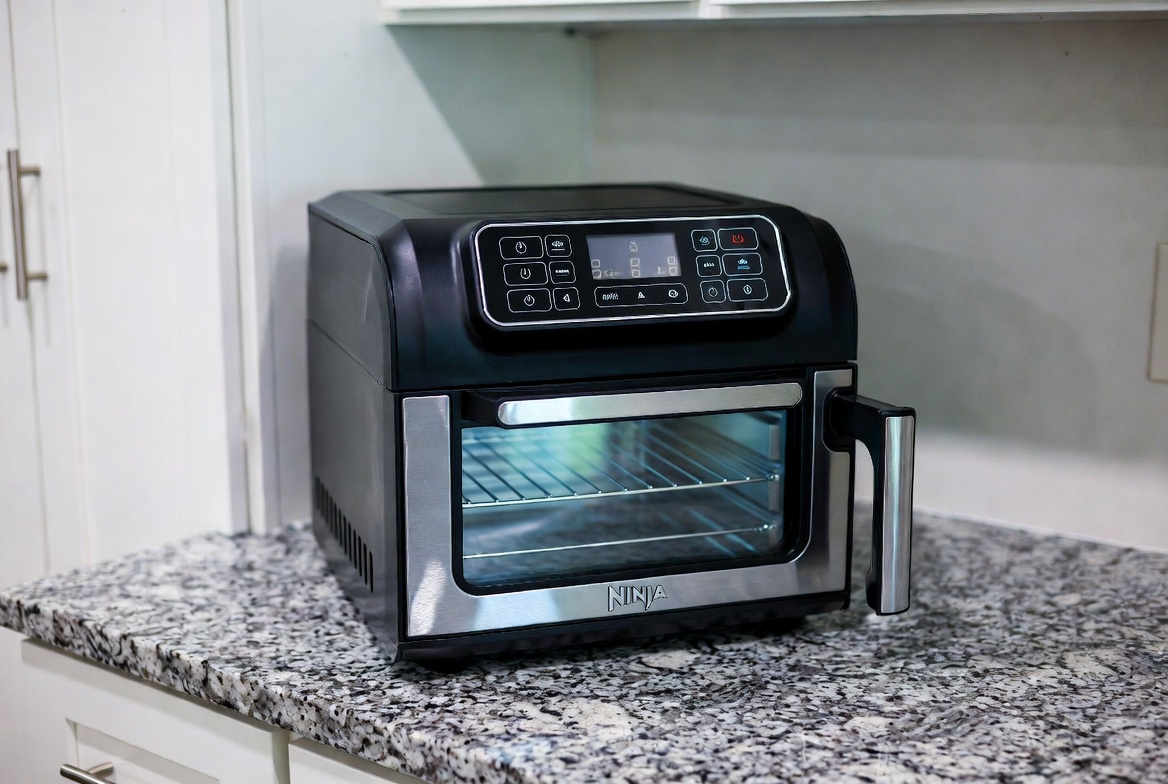
Jet Stream Oven vs Air Fryer: Which Cooks Better?
When you’re standing in your kitchen wondering what cooking appliance to bring home, you’re probably torn between two popular options: a jet stream oven and an air fryer. Both have been making waves in home kitchens lately, and honestly, the choice isn’t as straightforward as you might think. Let me walk you through what makes each one tick, so you can decide which one truly deserves a spot on your countertop.
What Is a Jet Stream Oven?
A jet stream oven is basically a high-powered convection oven that uses intense heat circulation technology. Think of it as a regular convection oven on steroids. The name “jet stream” comes from the way it rapidly circulates hot air around your food using powerful jets of heat. This isn’t just your grandmother’s countertop convection oven—these machines are engineered to cook faster and more evenly.
How Does a Jet Stream Oven Work?
The magic happens through advanced heating elements and a sophisticated fan system. The oven heats air to specific temperatures and then forces it around your food at high velocity. This rapid air circulation means heat reaches every surface of your meal simultaneously. It’s like having a miniature tornado of hot air cooking your chicken wings or roasting your vegetables. The result is that your food cooks more uniformly and often faster than traditional methods.
Most jet stream ovens come with multiple cooking modes. You can broil, bake, roast, or even dehydrate depending on the model. Some premium versions include smart features like preset cooking programs and temperature sensors that adjust heat automatically.
Key Features of Jet Stream Ovens
- Rapid preheating times, often under three minutes
- Multiple cooking functions and preset programs
- Larger cooking capacity compared to air fryers
- Digital temperature control with precision settings
- Can handle bigger food items and multiple servings
- Some models include rotisserie capabilities
What Is an Air Fryer?
An air fryer is a compact kitchen gadget that cooks food by rapidly circulating extremely hot air around it. If you’ve been living under a rock and haven’t heard the air fryer craze, let me explain: it’s become a household staple because it promises crispy, fried-like results without submerging your food in oil. Sounds too good to be true? Well, it’s not—it actually works remarkably well.
The Technology Behind Air Frying
Air fryers operate using what’s called the Maillard reaction. Essentially, the machine heats air to temperatures between 350 and 400 degrees Fahrenheit and circulates it at high speed. This intense heat and air movement causes the outer surface of your food to brown and crisp up, creating that golden, crunchy texture we all crave. The moisture inside stays relatively intact, keeping the inside tender.
The beauty of this method is that you’re using minimal to no oil, which is why health-conscious cooks absolutely love air fryers. You get that fried food satisfaction without the guilt or the extra calories from oil absorption.
Popular Air Fryer Characteristics
- Compact and space-saving design
- Quick preheating, typically two to three minutes
- Single to multiple basket options
- Lower operating temperature than jet stream ovens
- Ideal for smaller portions and family meals
- Easy to clean with removable, dishwasher-safe baskets
- Generally more affordable than premium jet stream ovens
Cooking Performance: The Real Test
Crispiness and Texture Results
Here’s where things get interesting. Air fryers absolutely excel at creating that crispy exterior we all crave. Whether you’re cooking frozen fries, chicken wings, or veggie chips, the air fryer delivers consistent, restaurant-quality crispiness. The results are genuinely impressive, and most people find themselves reaching for their air fryer whenever they want something with a satisfying crunch.
Jet stream ovens also produce excellent crispy results, but the experience is slightly different. Because they have more cooking space and different heating patterns, they might take a bit longer to achieve that same level of crispiness. However, when they do, the results are equally impressive. The advantage is that you can cook larger quantities at once.
Evenness of Cooking
Both appliances use circulating hot air, so you’d expect similar results regarding even cooking. In practice, air fryers sometimes require you to shake or flip food halfway through cooking to ensure everything browns evenly. Jet stream ovens, with their larger chambers and more sophisticated heating systems, often provide more even results without intervention.
That said, once you understand the quirks of your specific air fryer model, achieving perfectly even cooking becomes second nature. It’s not a dealbreaker—just something to keep in mind.
Speed and Cooking Time Comparison
If speed is your priority, both of these appliances beat traditional ovens by a mile. But which one is faster?
Preheating Speed
Air fryers typically preheat in about two to three minutes, making them incredibly quick to get started. Jet stream ovens are similarly speedy, often reaching temperature in under three minutes as well. It’s pretty much a tie in this category. This is one of the reasons both appliances are popular among busy people who don’t want to wait around for their oven to heat up.
Actual Cooking Time
Here’s something surprising: cooking times are often comparable between the two. Your frozen chicken wings might take 15 minutes in an air fryer versus 18 minutes in a jet stream oven. It’s not a massive difference, but the air fryer does have a slight edge in pure speed. However, jet stream ovens allow you to cook larger batches, so you might actually finish cooking for your entire family faster with the jet stream, even if individual items take a few minutes longer.
Capacity and Versatility
How Much Can You Cook At Once?
Air fryers are limited by their compact design. Most standard air fryers can accommodate about four servings comfortably. If you’re cooking for a large family or planning to meal prep, you’re looking at multiple batches. Some larger air fryer models exist, but they’re getting bigger and losing their space-saving advantage.
Jet stream ovens come in various sizes, but even the compact models typically hold more food than air fryers. A medium-sized jet stream oven can easily handle enough food for six to eight people in a single batch. This makes them significantly better for families or anyone who likes batch cooking.
What Can You Cook?
Air fryers are fantastic for specific items: frozen foods, chips, wings, and anything that benefits from that crispy texture. They’re less ideal for wet batters, delicate pastries, or anything that requires precise temperature management across different cooking zones.
Jet stream ovens are more versatile. Beyond crisping foods, you can bake cookies, roast entire chickens, dehydrate fruits, bake bread, and even cook pizzas depending on the model. This versatility means a jet stream oven can potentially replace more appliances in your kitchen.
Energy Consumption and Operating Costs
Power Usage
Air fryers are more energy-efficient because they use less power overall and cook smaller quantities. A typical air fryer uses between 800 and 1500 watts, depending on the model.
Jet stream ovens generally consume between 1500 and 3000 watts. The higher power consumption is necessary to generate the intense heat they operate at. However, because they cook larger quantities and often faster, the cost per meal might not be significantly higher.
Long-term Cost Analysis
If you only cook for one or two people regularly, an air fryer’s lower energy consumption makes it the more economical choice. For families of four or more, a jet stream oven’s ability to cook larger batches might make it more cost-effective per serving cooked.
Ease of Use and Learning Curve
Getting Started
Air fryers are incredibly user-friendly. Most models have simple controls: set the temperature, set the time, and press start. There’s virtually no learning curve. Even first-time users can produce great results immediately.
Jet stream ovens are slightly more complex. They offer more options and settings, which means there’s more to learn initially. However, once you understand the basics, they’re equally straightforward to operate.
Cleaning and Maintenance
This is where air fryers truly shine. Most have removable, non-stick baskets that you can pop into the dishwasher. The main chamber wipes clean easily. Total cleaning time is typically under five minutes.
Jet stream ovens require a bit more attention. You need to wipe down the interior, and the heating elements need occasional attention. It’s not difficult, just slightly more involved than air fryer maintenance.
Price Points and Value Proposition
Budget-Friendly Options
Entry-level air fryers start around $50 to $80, making them incredibly accessible. You can get a decent quality air fryer for under $150.
Jet stream ovens start higher, typically between $200 and $300 for basic models. Premium versions can exceed $500.
Long-term Value
While air fryers are cheaper upfront, jet stream ovens offer more cooking capabilities and larger capacity. If you value versatility and family-sized cooking, the jet stream oven represents better long-term value. If you’re single or live in a small space, the air fryer is hard to beat for price and practicality.
Health Benefits of Each Method
Oil Content and Calorie Reduction
Both air fryers and jet stream ovens use minimal oil compared to deep frying. However, air fryers advertise this benefit more heavily because they can cook certain foods with virtually no oil, making them slightly healthier for certain applications.
Jet stream ovens can also cook with minimal oil, though the larger cooking surface and different heat distribution means some foods might need a light coating of oil for best results.
Nutrient Retention
The rapid cooking that both appliances provide helps retain nutrients in vegetables and proteins. Neither method requires added fats or liquids, so you’re getting cleaner, simpler meals. This is a significant advantage both share over traditional deep frying.
Real-World User Experiences
Air Fryer User Satisfaction
Air fryer owners generally love their devices. People consistently report that the learning curve is minimal, results are impressive, and the cleanup is fast. The main complaint is capacity limitations, which is the reason some users eventually upgrade to larger models or jet stream ovens.
Jet Stream Oven User Feedback
Jet stream oven users appreciate the versatility and larger capacity. They love being able to cook entire meals for their families without multiple cooking sessions. Some users mention that the initial investment is higher, but they feel it’s justified by the cooking capabilities and capacity.
Key Differences at a Glance
Let me summarize the main differences so you can make an informed decision:
- Size and Space: Air fryers are compact; jet stream ovens require more counter space
- Capacity: Jet stream ovens cook much larger quantities
- Versatility: Jet stream ovens handle more cooking styles
- Cost: Air fryers are budget-friendly; jet stream ovens are premium-priced
- Learning Curve: Air fryers are simpler; jet stream ovens have more features
- Speed: Air fryers cook slightly faster overall
- Cleaning: Air fryers are easier to maintain
- Energy Use: Air fryers consume less power
Making Your Final Decision
Choose an Air Fryer If:
- You live alone or cook for one to two people
- You have limited kitchen counter space
- You want the quickest, easiest option
- You’re on a tight budget
- You primarily cook frozen foods or items that benefit from crisping
- Easy cleanup is a priority
- You want minimal learning curve
Choose a Jet Stream Oven If:
- You cook for a family of four or more regularly
- You want cooking versatility beyond crisping
- You value the ability to cook larger items like whole chickens
- You’re willing to invest more for capacity and functionality
- You want to replace multiple kitchen appliances with one unit
- You do meal prepping and batch cooking
- You want to bake or roast in addition to frying
Conclusion
So which one cooks better? Honestly, they both cook exceptionally well—they’re just designed for different needs. An air fryer is the winner if you want speed, simplicity, and small-batch cooking with minimal fuss. A jet stream oven is the champion if you need versatility, capacity, and the ability to handle diverse cooking tasks for larger groups.
Think of it this way: an air fryer is like a sports car—fast, nimble, and perfect for quick trips. A jet stream oven is more like a reliable SUV—it carries more, does more, and handles different situations better, even if it’s not quite as quick off the line.
Your choice ultimately depends on your household size, kitchen space, cooking habits, and budget. There’s no objectively better option—only the better choice for your specific situation. Both appliances have earned their place in modern kitchens, and you honestly can’t go wrong with either one.
Frequently Asked Questions
Can an air fryer replace a jet stream oven?
Not entirely. While air fryers excel at crisping and cooking frozen foods quickly, they lack the versatility of jet stream ovens. If you need to bake, roast larger items, or cook for more than four people, a jet stream oven is better. However, if your cooking primarily involves frozen foods and smaller portions, an air fryer can
![What Is The Best Cooking Oil Spray for Air Fryer [In 2026]](https://homeunderstandable.com/wp-content/uploads/2026/03/Best-Cooking-Oil-Spray-for-Air-Fryer-768x516.jpg)

![5 Best Air Fryer for Cooking Chicken Wings [In 2026]](https://homeunderstandable.com/wp-content/uploads/2026/03/5-Best-Air-Fryer-for-Cooking-Chicken-Wings-768x516.jpg)
![5 Best Air Fryer for Chicken Cutlets [In 2026]](https://homeunderstandable.com/wp-content/uploads/2026/03/5-Best-Air-Fryer-for-Chicken-Cutlets-768x516.jpg)