

Manifold Vacuum Vs Ported Vacuum: Which is Better?
When you look under the hood of a car, you see many parts. Two important parts for your engine are the manifold vacuum and ported vacuum. These are types of vacuum sources. They help your engine run better. Let us learn more about them.
What is Vacuum?
First, you need to know what vacuum is. In simple terms, vacuum is an empty space. In your engine, vacuum means low pressure. This low pressure helps control different parts of the engine.
Understanding Manifold Vacuum
Manifold vacuum is found in the intake manifold. The intake manifold is a part of the engine. It brings air to the cylinders. The manifold vacuum is high when the engine is idle. It decreases when you press the gas pedal.
How Manifold Vacuum Works
The engine sucks in air through the intake manifold. This creates low pressure, or vacuum. The vacuum controls things like the fuel mixture and timing. It also helps with emissions control.
Benefits Of Manifold Vacuum
Manifold vacuum offers several benefits:
- Better fuel efficiency
- Improved engine performance
- Helps with emissions control
- Smoother idle
Credit: www.forbbodiesonly.com
Understanding Ported Vacuum
Ported vacuum is different. It comes from a port above the throttle plate. The throttle plate is a part that controls air flow to the engine. Ported vacuum is low at idle. It increases when you press the gas pedal.
How Ported Vacuum Works
The ported vacuum source is above the throttle plate. When the throttle is closed, there is no vacuum. When the throttle opens, air flows and creates vacuum. This vacuum controls things like timing advance.
Benefits Of Ported Vacuum
Ported vacuum has its own benefits:
- Improves timing control
- Better throttle response
- Helps with part throttle performance
Manifold Vacuum Vs Ported Vacuum
Now, let’s compare them. Both types of vacuum have important roles. But they work differently.
| Feature | Manifold Vacuum | Ported Vacuum |
|---|---|---|
| Vacuum Source | Intake Manifold | Above Throttle Plate |
| Vacuum at Idle | High | Low |
| Vacuum at Throttle Open | Low | High |
| Controls | Fuel Mixture, Timing | Timing |
| Benefits | Fuel Efficiency, Smooth Idle | Throttle Response, Timing Control |
Choosing the Right Vacuum Source
Choosing the right vacuum source depends on your needs. For older engines, manifold vacuum may be better. It helps with smooth idle and fuel efficiency. For newer engines, ported vacuum can improve timing control. It offers better throttle response.
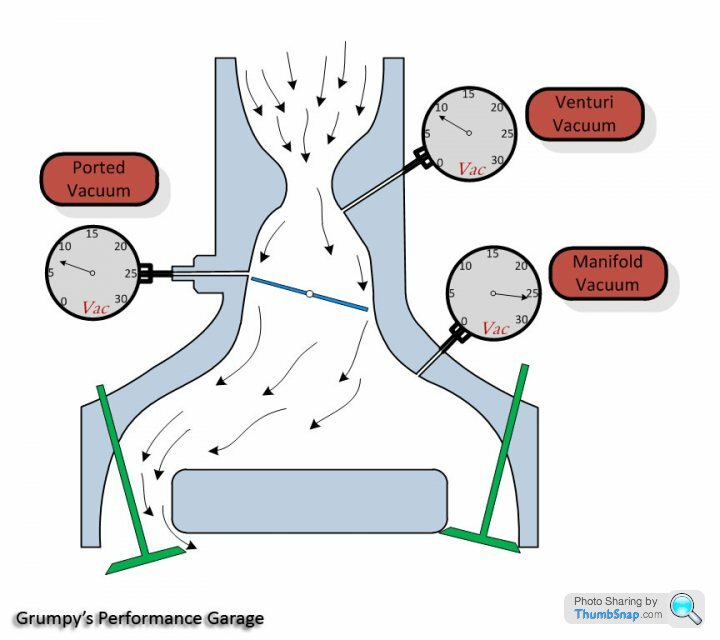
Credit: www.pistonheads.com
Frequently Asked Questions
What Is Manifold Vacuum?
Manifold vacuum is the pressure inside the intake manifold.
What Is Ported Vacuum?
Ported vacuum is the pressure above the throttle plate.
Which Is Better, Manifold Or Ported Vacuum?
It depends on engine needs and performance goals.
How Do You Measure Manifold Vacuum?
Use a vacuum gauge connected to the intake manifold.
Can Ported Vacuum Improve Engine Performance?
Yes, it can enhance throttle response and efficiency.
Why Use Manifold Vacuum For A Distributor?
It provides steady vacuum for consistent ignition timing.
Conclusion
Manifold vacuum and ported vacuum are key parts of your engine. They control different aspects of engine performance. Understanding them helps you keep your engine running well. Choose the right vacuum source based on your needs. This ensures your engine performs at its best.
Remember, always consult a professional mechanic if you are unsure. Proper maintenance keeps your car running smoothly.

![5 Best Vacuum for a Car [Top Tools for Pristine Interiors]](https://homeunderstandable.com/wp-content/uploads/2025/02/best-vacuum-for-a-car.jpg)
![5 Best Wet Dry Vacuum for Laminate Floors [In 2026]](https://homeunderstandable.com/wp-content/uploads/2025/02/best-wet-dry-vacuum-for-laminate-floors.jpg)

![5 Best Vacuum for LVT Floors [Top Cordless Cleaners for Easy Maintenance]](https://homeunderstandable.com/wp-content/uploads/2025/02/best-vacuum-for-lvt-floors.jpg)