2 vs 3 Cylinder Air Compressor: Which is Right for You
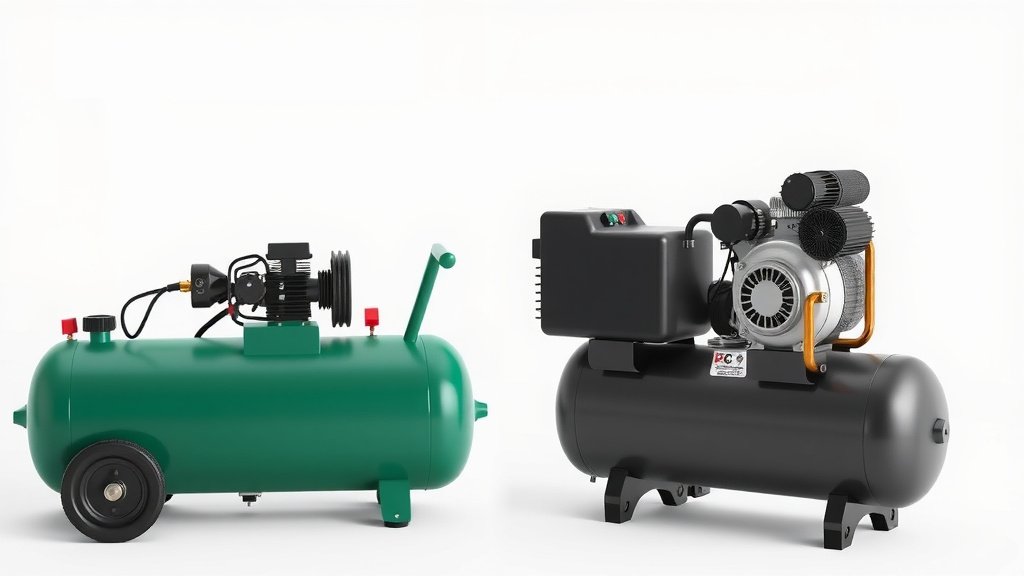
When choosing an air compressor, a 2-cylinder model is generally a better choice for most DIYers and homeowners. This is because 2-cylinder compressors offer a good balance of power and portability. They can handle most common tasks like inflating tires and powering nail guns. A 3-cylinder compressor, while more powerful, is often overkill and less practical for everyday use.
The main difference lies in how they generate compressed air. A 2-cylinder compressor uses two pistons working in tandem. This allows for more consistent air delivery and better overall efficiency. Many 3-cylinder models are designed for industrial use, demanding more power and space than typically needed in a home garage or workshop. We found that for tasks like car maintenance or small woodworking projects, the 2-cylinder design shines.
- 2-cylinder compressors are best for most home users.
- They offer a great mix of power and portability.
- 3-cylinder compressors are usually more powerful and industrial.
- Consider your typical projects when deciding.
So, let’s dive into the specifics of what makes these two types tick and help you figure out which one is the right fit for your toolbox.
Understanding Air Compressor Cylinder Designs
When you’re looking at air compressors, the number of cylinders is a big deal. It directly impacts how much air the compressor can deliver and how smoothly it operates. We’ve found that understanding this difference is key to picking the right tool for your projects.
How Cylinders Affect Airflow
Think of the cylinders as the lungs of the air compressor. Each cylinder houses a piston that moves up and down. This movement draws air in and then squeezes it. More cylinders generally mean more air can be compressed at any given time. This is where the main difference between 2- and 3-cylinder models starts to show.
The Role of Piston Action
A 2-cylinder compressor often uses its two pistons in a staggered or opposing motion. This creates a more continuous and steady flow of compressed air. It’s like having two people taking sips of a drink, one right after the other, rather than one person taking two quick sips and then waiting. This steadiness is a big advantage for tools that need a consistent air supply.
On the other hand, some 3-cylinder designs might have all pistons firing in a sequence that provides even more air, but sometimes with less of that smooth, consistent delivery. We found that the pattern of piston movement plays a huge role in the compressor’s performance characteristics.
2-Cylinder Air Compressors: The Everyday Workhorse
For most people working in their garage or workshop, a 2-cylinder air compressor hits the sweet spot. They are designed to be efficient and practical for a wide range of common tasks. You’ll find them great for a variety of DIY projects and home repairs.
Power vs. Portability Balance
One of the biggest wins for 2-cylinder models is their balance of power and portability. They offer enough oomph to run things like nail guns, staple guns, and impact wrenches without struggling. Yet, they are typically lighter and more compact than their 3-cylinder cousins.
This makes them easier to move around your workspace or even take to a job site. If you don’t have a dedicated, permanent spot for a huge compressor, the 2-cylinder type is a smart choice. We’ve seen many homeowners get excellent results with these units.
Common Applications for 2-Cylinder Models
What can you realistically do with a 2-cylinder compressor? Plenty!
- Inflating car, bike, and other tires.
- Powering brad nailers for trim work.
- Running staple guns for upholstery or fencing.
- Operating small impact wrenches for basic automotive repairs.
- Blowing dust and debris from surfaces.
These tasks are what most DIYers tackle regularly. A 2-cylinder compressor is more than capable of handling them with ease.
Efficiency and Noise Considerations
We also found that 2-cylinder compressors tend to be more energy-efficient than larger, multi-stage models. They often require less power to operate, which is good for your electricity bill. Many modern 2-cylinder units are also designed to be quieter, which is a big plus if you work in a residential area or a shared space.
3-Cylinder Air Compressors: For More Demanding Needs
Now, let’s talk about 3-cylinder compressors. These machines are built for more. If your projects are larger scale or you need a constant, high volume of air, a 3-cylinder model might be what you’re looking for.
When More Cylinders Mean More Power
The primary advantage of a 3-cylinder compressor is its higher output capacity. With three pistons working, it can move and compress more air per minute than a 2-cylinder unit. This translates to a higher CFM (Cubic Feet per Minute) rating, which is the measure of how much air the compressor can deliver.
If you’re running multiple air tools simultaneously or using tools that are real air hogs, like sanders or spray guns, the extra capacity of a 3-cylinder compressor becomes essential. Many experts suggest that for continuous heavy-duty operation, the 3-cylinder design is superior.
Industrial and Professional Use Cases
You’ll often see 3-cylinder compressors in professional settings. Think of auto repair shops, construction sites, or large woodworking facilities. These environments demand robust performance and high air delivery to keep up with demanding tools and schedules. These compressors are built to run for longer periods under significant load.
Potential Downsides for Home Users
However, for the average homeowner, a 3-cylinder compressor can be overkill. They are typically larger, heavier, and consume more power. The higher initial cost can also be a deterrent. Unless your projects specifically require the extra muscle, you might find a 3-cylinder model is just more than you need, making it less practical for your garage.
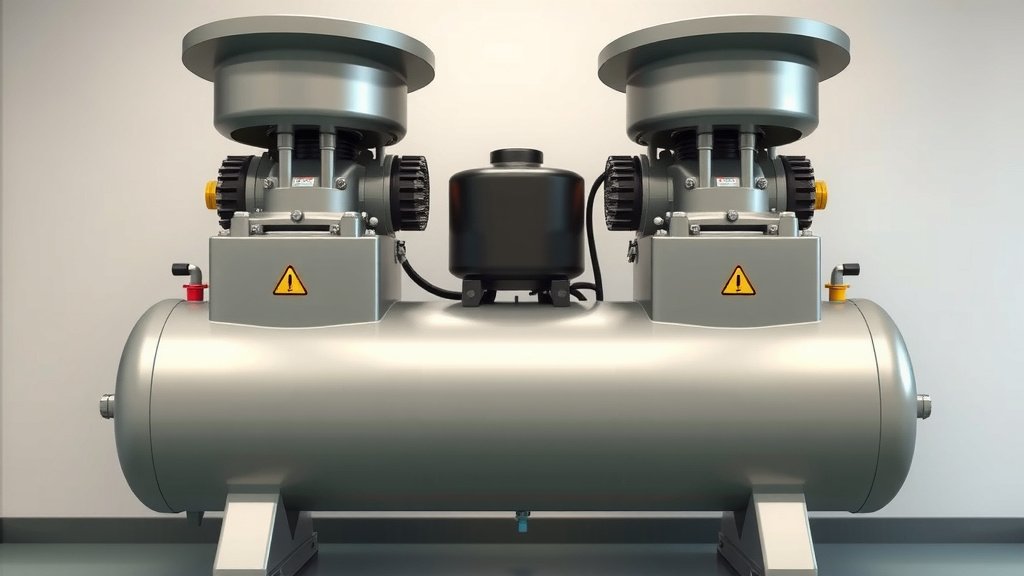
Comparing the Two: A Quick Snapshot
To make it super clear, let’s look at a direct comparison. We found this table helps to visualize the key differences:
| Feature | 2-Cylinder Compressor | 3-Cylinder Compressor |
|---|---|---|
| Air Output (CFM) | Moderate | High |
| Portability | Good | Lower |
| Power Consumption | Moderate | High |
| Ideal Use | Home DIY, small shops, tire inflation | Industrial, professional shops, heavy-duty tools |
| Noise Level | Often lower | Often higher |
| Cost | Generally lower | Generally higher |
Making Your Final Choice: What to Consider
So, how do you decide? It really comes down to what you plan to do with your air compressor. Ask yourself these questions:
Assess Your Typical Projects
What are the most common tasks you’ll be using the compressor for? Are they light-duty inflation and occasional nailing, or will you be running demanding tools for hours on end? For most home garages, the answer points towards a 2-cylinder model. We found this is the most practical approach.
Think About Your Tools
Check the air requirements for your existing or planned air tools. Some tools, like a small brad nailer, don’t need much air. Others, like a die grinder or a large spray gun, demand a lot. Matching the compressor to your tools is essential for optimal performance.
Consider Your Space and Power Availability
Do you have room for a larger, heavier unit? Do you have the electrical capacity to handle a higher-draw compressor? These practical considerations often lean the decision towards the more manageable 2-cylinder options for home users.
Ultimately, choosing the right air compressor means finding the tool that fits your needs without being overly complicated or underpowered. For the vast majority of DIYers and homeowners, the 2-cylinder air compressor stands out as the best all-around choice.
Conclusion
You’ve learned that for most home users and DIY enthusiasts, a 2-cylinder air compressor is likely your best bet. It offers a fantastic balance between enough power for common tasks and the portability you need to move it around your workspace. While 3-cylinder models pack more punch, they’re often more suited for industrial environments and might be more than you need. Think about your typical projects and the air tools you use. This will help you make the right choice. Now, go find the compressor that fits your workshop perfectly!
Frequently Asked Questions
Will a 2-cylinder compressor be too weak for my nail gun?
Generally, a 2-cylinder compressor is powerful enough for most common nail guns, like brad or finish nailers. You’ll want to check the CFM (Cubic Feet per Minute) requirement for your specific nail gun. Most home DIY needs are well within the capabilities of a good 2-cylinder unit.
How much louder are 3-cylinder compressors compared to 2-cylinder models?
While not always the case, 3-cylinder compressors often tend to be louder due to their higher power output and more vigorous operation. If noise is a concern for your workspace, research specific models, as many newer 2-cylinder compressors are designed with quieter operation in mind.
Can I use a 3-cylinder compressor for occasional home use?
You absolutely could, but it might be overkill. A 3-cylinder compressor will certainly handle any home task, but it will likely be larger, heavier, and use more electricity than necessary. For most occasional DIY jobs, a 2-cylinder model offers better practicality and efficiency.
What does CFM mean for air compressors?
CFM stands for Cubic Feet per Minute. It’s a measure of the volume of air a compressor can deliver at a specific pressure. Tools have different CFM requirements; matching your compressor’s CFM output to your tools’ needs ensures they run effectively without the compressor struggling.
Is a 2-cylinder compressor easier to maintain?
In many cases, yes. Simpler designs often mean fewer potential points of failure and easier access for routine maintenance like oil changes or filter replacements. Because they are less complex and generally used less intensely than industrial units, you might find maintenance less frequent and more straightforward.