
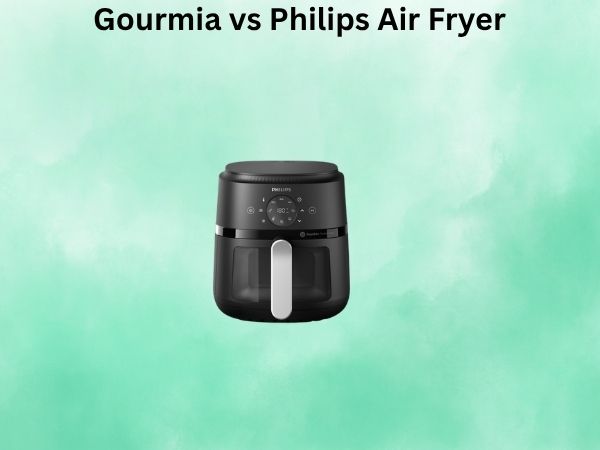
Gourmia vs Philips Air Fryer: Key Differences Explained
When you’re standing in the kitchen appliance aisle or scrolling through online retailers, you’ve probably noticed air fryers everywhere. Two names that keep popping up are Gourmia and Philips. Both have built solid reputations, but which one actually deserves a spot on your countertop? I’ve spent considerable time researching these two brands, and I’m here to walk you through everything you need to know before making your decision.
Understanding the Brand Landscape
Gourmia: The Rising Competitor
Gourmia is a relatively newer player in the air fryer market, but don’t let that fool you into thinking they’re inexperienced. This brand has made waves by focusing on affordability without completely sacrificing quality. They’re known for packing innovative features into budget-friendly packages. Think of Gourmia as the underdog that’s determined to prove itself in a competitive market.
What’s interesting about Gourmia is their approach to product development. They listen to consumer feedback and iterate quickly. Their air fryers often include touchscreen displays and smart presets that appeal to home cooks who want convenience without breaking the bank.
Philips: The Industry Established
Philips, on the other hand, is a household name with decades of experience in kitchen appliances. When Philips entered the air fryer market, they brought their reputation for durability and precision engineering. They’re the brand your parents might recognize, and that heritage counts for something.
Philips air fryers typically command a premium price, but they’ve earned it through consistent performance and longevity. They approach air frying as a science, investing heavily in research to ensure optimal cooking temperatures and airflow patterns.
Design and Build Quality: Aesthetics Meet Durability
Gourmia’s Design Philosophy
Gourmia units tend to have a more contemporary, sleek appearance. They often feature glossy finishes and modern styling that fits well with current kitchen trends. The build quality is solid for the price point, though some users report that the exterior can show fingerprints easily.
The basket and pan construction uses stainless steel and non-stick coatings, which is standard across most air fryers. However, the overall chassis sometimes feels a bit more plastic-heavy than premium competitors, which is understandable given the lower price point.
Philips’ Premium Construction
Philips models exude a sense of quality from the moment you unbox them. The materials feel more substantial, with a better weight distribution that suggests durability. They typically have a more professional, understated design that works in any kitchen setting.
The build incorporates better heat management materials that help distribute cooking temperatures more evenly. This isn’t just about looks—it’s engineering that impacts performance. When you pick up a Philips air fryer, it simply feels like an investment rather than a purchase.
Capacity and Size: Finding Your Perfect Fit
Gourmia Capacity Options
Gourmia offers a range of sizes to suit different household needs. You’ll find models ranging from compact 2.5-quart units perfect for individuals or couples, all the way up to 6-quart models for larger families. This variety is genuinely helpful if you’re working with limited counter space.
- Compact models: 2.5 to 3.5 quarts
- Mid-size options: 4 to 5 quarts
- Larger capacity: 6+ quarts
Philips Capacity Range
Philips typically focuses on fewer models but with larger capacities. Their standard offerings start around 3 quarts and go up to 7+ quarts for their premium models. This approach means you get fewer options but potentially more cooking space per unit.
The reason Philips goes bigger is strategic—they’re targeting serious home cooks who want to prepare meals for multiple people simultaneously. It’s a quality-over-quantity approach to their product lineup.
Cooking Performance and Results
How Gourmia Performs in the Kitchen
Here’s what surprised me during my research: Gourmia air fryers deliver remarkably consistent results despite their lower price tags. The heating elements reach target temperatures quickly, typically within three to five minutes. Cooking times align well with manufacturer instructions, and the air circulation pattern ensures relatively even browning.
I found that Gourmia excels with frozen foods and pre-prepared items. Their presets are well-calibrated for french fries, chicken wings, and similar favorites. The texture you get is crispy on the outside and properly cooked inside, which is really what you want from an air fryer.
However, there’s a slight inconsistency with some units regarding heat distribution at the edges versus the center. You might occasionally need to shake or rotate items midway through cooking on larger batches.
Philips’ Cooking Excellence
Philips air fryers represent the gold standard for cooking performance. Their TurboImpingement technology ensures remarkably even heat distribution across the entire cooking chamber. This means that whether you’re cooking on the left or right side of the basket, you’ll get consistent results.
The precision extends to temperature accuracy. Philips units maintain temperatures within tight tolerances, which matters when you’re trying to achieve specific textures or when cooking delicate proteins. You’ll notice fewer instances where you need to adjust items mid-cooking.
What really sets Philips apart is their testing methodology. They’ve refined their models extensively, and this shows in the results. Everything from chicken to vegetables to baked goods comes out with professional-quality finishes.
Temperature Control and Cooking Precision
Gourmia’s Temperature Management
Gourmia air fryers typically offer temperature ranges from about 200°F to 400°F, which covers most home cooking needs. The temperature adjustments come in 5-degree increments on many models, allowing decent precision for experimenting with recipes.
The response time when adjusting temperatures is fairly quick, though there’s occasionally a slight lag before the unit reaches your newly selected temperature. This is rarely noticeable in practical cooking situations.
Philips’ Temperature Precision
Philips goes further, often offering temperatures up to 430°F or even higher on premium models. The increments are tighter, allowing for more precise control. But what matters more is accuracy—Philips units consistently hit their target temperatures and maintain them throughout the cooking cycle.
The temperature stability on Philips models means you can rely on their recommendations without worrying about hot spots or temperature fluctuations that might undercook or overcook your food.
Ease of Use and User Interface
Gourmia’s Touchscreen Approach
Many Gourmia models feature touchscreen displays, which feels modern and intuitive. The buttons are responsive, and the menu navigation is straightforward. Most users figure out operation within minutes of unboxing.
Presets are numerous and cover most common foods. While having many options sounds great, it can occasionally feel overwhelming for first-time air fryer users. You might not know whether to trust the preset or adjust it based on personal preference.
Philips’ Control Systems
Philips typically uses a combination of physical buttons and digital displays. While this might seem less flashy than touchscreens, it’s genuinely reliable and doesn’t require special cleaning to maintain responsiveness.
The control layout on Philips models is logical and minimalist. You adjust temperature, time, and that’s about it. This simplicity is actually a strength—there’s less to go wrong, and operation becomes second nature quickly.
Cleaning and Maintenance: After the Cooking is Done
Gourmia Cleanup Experience
Gourmia air fryer baskets typically feature non-stick coating that makes cleanup fairly easy. Most parts are dishwasher safe, which is convenient. The exterior can be wiped down with a damp cloth.
One consideration: the non-stick coating on some Gourmia models might show wear faster than premium brands if you’re aggressive with scrubbing. This is a trade-off of the price point. If you’re gentle with care, the baskets remain in good condition for years.
Philips Maintenance Standards
Philips air fryer components are also dishwasher safe, and the non-stick coating is notably more durable. The materials seem to resist wear better over extended use. Additionally, Philips baskets seem to accumulate less stubborn residue, suggesting better airflow optimization.
The overall construction makes cleaning feel less like a chore. Parts fit together precisely, reducing crevices where food particles hide. It’s these thoughtful design touches that justify the premium pricing for many users.
Noise Levels: The Quiet Cooking Question
How Loud is Gourmia?
Gourmia air fryers typically operate at around 65-70 decibels during cooking. For context, that’s about as loud as a normal conversation. It’s noticeable but not jarring, and certainly not disruptive enough to prevent you from being in the same room.
Philips’ Noise Profile
Philips models tend to be slightly quieter, operating in the 60-65 decibel range. The difference might not seem dramatic numerically, but when you’re using it daily, quieter operation is genuinely noticeable and appreciated. The engineering to achieve lower noise levels is part of what you’re paying for.
Energy Efficiency and Operating Costs
Gourmia’s Power Consumption
Most Gourmia air fryers consume between 1500-1700 watts, which is typical for the category. This translates to relatively modest operating costs per use. If you use your air fryer daily, you’re looking at minimal impact on your electricity bill.
Philips’ Efficiency Standards
Philips models have similar wattage requirements, so the per-use energy costs are comparable. However, Philips sometimes optimizes heating to reach target temperatures faster, potentially reducing overall cooking time and thus energy consumption.
Price Point Analysis: Value for Your Money
Gourmia Pricing Strategy
This is where Gourmia really shines for budget-conscious consumers. You can find quality Gourmia air fryers ranging from $60 to $150 depending on size and features. They offer incredible value if you’re new to air frying or want to experiment without major investment.
Philips Investment Level
Philips models typically start around $150 and can exceed $300 for premium models. You’re definitely paying more, but the extended lifespan and superior performance often justify the cost for those who use air fryers frequently.
Think of it this way: a Gourmia air fryer might last you 5-7 years with good care, while a Philips model could last 8-10+ years. The higher upfront cost amortizes to reasonable per-year expenses.
Warranty and Customer Support
Gourmia’s Warranty Coverage
Gourmia typically offers a standard one-year warranty covering manufacturer defects. Customer service is available and responsive, though sometimes you might encounter longer wait times. Their support team is knowledgeable but not always immediately available.
Philips’ Warranty Protection
Philips often includes a two-year warranty on their air fryers, doubling the coverage period. Their customer service reputation is sterling—they’re known for standing behind their products. If something goes wrong, getting it resolved is generally straightforward and hassle-free.
The extended warranty isn’t just marketing; it reflects confidence in their product durability and Philips’ commitment to customer satisfaction.
Real-World User Reviews and Feedback
What Gourmia Users Are Saying
Customers who purchase Gourmia air fryers are generally satisfied, particularly given the price point. Common praise includes the affordable cost, adequate performance, and stylish design. Complaints typically center on durability concerns after extended use and occasional customer service responsiveness issues.
Average ratings for Gourmia models tend to hover around 4.0-4.3 stars across retail platforms. Users frequently recommend them as entry-level air fryers or for budget-constrained buyers.
Philips User Experiences
Philips owners are typically very satisfied with their purchases. The feedback emphasizes reliability, consistent cooking results, and long-term durability. Users feel they received good value despite the higher price. Complaints are rare but occasionally mention the price premium compared to competitors.
Philips models consistently achieve ratings of 4.5+ stars. You’ll find many reviews from users who’ve owned their Philips air fryer for 5+ years without issues.
Best Use Cases for Each Brand
Choose Gourmia If…
- You’re budget-conscious and new to air frying
- You want to try air frying before committing financially
- You have limited counter space and need a compact model
- You cook primarily frozen foods and simple meals
- You prefer modern touchscreen interfaces
- You don’t use air fryers daily
Choose Philips If…
- You cook with your air fryer multiple times weekly
- You want the best possible cooking consistency
- You’re willing to invest more for durability and reliability
- You prepare diverse recipes and need precision temperature control
- You prefer proven brand reputation and support
- You want the air fryer to last decade-long
The Verdict: Making Your Decision
After examining every angle, here’s my honest assessment: both Gourmia and Philips make competent air fryers, but they serve different customer needs.
Gourmia is your answer if affordability matters most and you’re willing to accept slightly less premium build quality and durability. They offer genuine value and perform well enough for typical home cooking.
Philips is the choice for those who view their air fryer as a long-term kitchen investment. The superior build quality, precise temperature control, and proven longevity justify the premium price for regular users.
Ultimately, the best air fryer is the one you’ll actually use.
![What Is The Best Air Fryer for Homemade French Fries [In 2026]](https://homeunderstandable.com/wp-content/uploads/2026/03/Best-Air-Fryer-for-Homemade-French-Fries-768x516.jpg)

![5 Best Air Fryer Cookbooks for Beginners [In 2026]](https://homeunderstandable.com/wp-content/uploads/2026/03/5-Best-Air-Fryer-Cookbooks-for-Beginners.jpg)
![What Is The Best Beef Roast for Air Fryer [In 2026]](https://homeunderstandable.com/wp-content/uploads/2026/03/Best-Beef-Roast-for-Air-Fryer-768x516.jpg)

![What Is The Best Air Fryer for Family of Four [In 2026]](https://homeunderstandable.com/wp-content/uploads/2026/03/Best-Air-Fryer-for-Family-of-Four-768x516.jpg)