
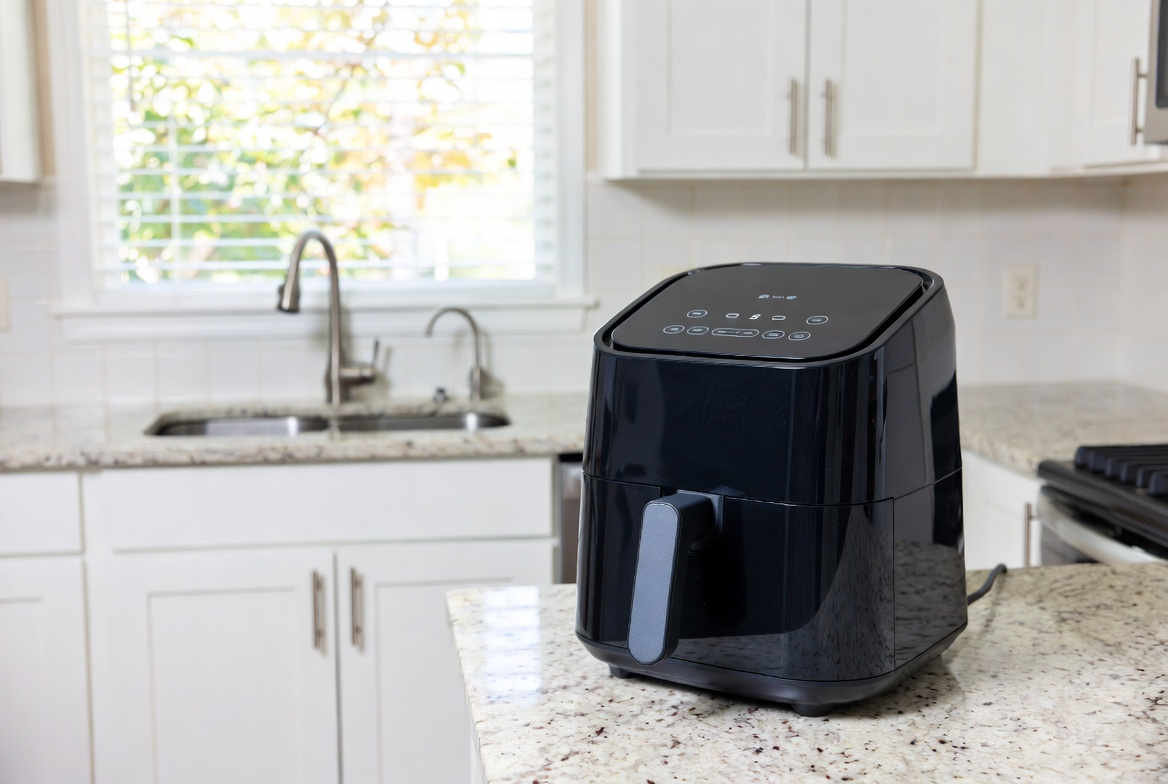
Halogen Ovens vs Air Fryers: Pros, Cons, and Differences
Are you standing in the kitchen appliance aisle, completely overwhelmed by choices? You’re not alone. The question of whether to invest in a halogen oven or an air fryer has become one of the most common kitchen dilemmas for home cooks today. Both appliances promise faster cooking, energy efficiency, and healthier meals, but which one actually delivers on those promises?
In this comprehensive guide, we’re going to break down everything you need to know about these two popular kitchen gadgets. Think of this as your personal shopping assistant who’s done the homework so you don’t have to. By the end, you’ll understand exactly which appliance is right for your kitchen and your lifestyle.
What Exactly is a Halogen Oven?
A halogen oven is basically a transparent glass bowl with a heating element that uses halogen bulbs to generate heat. When you turn it on, these bulbs create intense infrared radiation that heats up your food from all angles. It’s like having a mini convection system right there on your countertop.
The magic happens because the halogen technology allows the oven to reach high temperatures quickly and maintain them consistently throughout the cooking process. Most models come with a base unit and a glass bowl that sits on top, making it a pretty compact solution for your kitchen.
How the Halogen Heating System Works
Inside that glass bowl, you’ll find a heating element equipped with halogen bulbs. When electricity flows through these bulbs, they produce intense heat at around 1000 degrees Celsius. This extreme temperature radiates outward, cooking whatever is inside the bowl from all directions simultaneously. Think of it like being in a sauna, except the heat is super concentrated and controlled.
The glass bowl allows you to see exactly what’s happening to your food without opening the door, which is pretty convenient. There’s also usually a fan that circulates the hot air around the bowl, ensuring even cooking. Many halogen ovens come with adjustable racks and trays so you can fit different foods and portions inside.
Understanding Air Fryers and Their Technology
Air fryers are essentially compact convection ovens that use rapid air circulation to cook food. Instead of using halogen bulbs like their counterparts, air fryers have an electric heating element at the top that warms up the air, which then gets blown at high speed around the cooking chamber.
This rapid circulation of hot air is what creates that crispy exterior on foods without needing much oil. The technology is called rapid air circulation, and it’s the key difference between air fryers and traditional deep frying methods. Essentially, you’re getting fried-like results with significantly less fat.
The Mechanism Behind Air Fryer Cooking
Inside an air fryer, you’ve got a heating coil that rapidly heats up the air inside the chamber. Then, a high-speed fan takes that hot air and circulates it at extreme velocity around your food, typically at speeds that create a vortex of heat. This movement is crucial because it’s what crisps up the outside of your food while keeping the inside tender and moist.
Most air fryers have a removable basket or tray where you place your food. Some models are basket-style, while others feature a drawer design. The food placement matters because you need adequate space around each item for that hot air to circulate properly. Overcrowding the basket is probably the number one mistake people make when using air fryers.
Speed and Cooking Efficiency: Which Wins?
When it comes to pure cooking speed, this is where things get interesting. Air fryers typically heat up faster than halogen ovens, reaching cooking temperature in about three to five minutes. Halogen ovens can take a bit longer, sometimes ten minutes or more to reach peak temperature.
However, once both appliances are at temperature, the actual cooking times are surprisingly similar. A chicken breast might take around fifteen minutes in either appliance. The real advantage of the air fryer is that you don’t have to wait as long for it to preheat, which means your total time from kitchen to plate is faster.
Preheat Times Comparison
Air fryers typically preheat in 3 to 5 minutes, making them incredibly convenient for people who are always in a rush. Halogen ovens usually need about 10 to 15 minutes to reach optimal cooking temperature. This difference might seem small, but when you’re hungry and need dinner on the table, those extra ten minutes can feel like an eternity.
Actual Cooking Time Differences
Once both appliances are preheated, cooking times are remarkably similar. Both use intense dry heat to cook food quickly. The type of food, its thickness, and your desired level of doneness will determine the actual cooking duration more than the appliance itself. For example, frozen French fries might take ten minutes in either device, while a whole chicken could take around forty-five minutes in both.
Energy Consumption and Running Costs
This is where budget-conscious cooks need to pay attention. Air fryers typically use less energy than halogen ovens because they’re smaller and don’t need to heat up as much space. Most air fryers consume between 800 and 1500 watts, while halogen ovens usually require 1000 to 1500 watts.
In practical terms, this means your electricity bill will be slightly lower with an air fryer, especially if you’re cooking multiple meals throughout the week. However, the difference isn’t dramatic enough to be a deciding factor for most households. We’re talking about the difference between a few dollars per month at most.
Monthly Cost Breakdown
If you use your air fryer five times per week for twenty minutes each time, you’re looking at roughly four to six dollars per month in electricity costs, depending on your local rates. A halogen oven used the same amount would cost you around five to eight dollars monthly. Over the course of a year, you might save ten to twenty dollars with an air fryer, which isn’t insignificant but probably shouldn’t be your primary decision-making factor.
Comprehensive Pros of Halogen Ovens
Larger Cooking Capacity
Halogen ovens offer substantially more cooking space than air fryers. The transparent glass bowl typically has a capacity of eight to seventeen liters, allowing you to cook entire chickens, large batches of vegetables, or multiple dishes simultaneously. If you’re cooking for a family of six or more, this extra space becomes a real advantage.
See-Through Design
There’s something genuinely convenient about being able to watch your food cook without opening the door and releasing heat. The transparent glass bowl means you always know exactly what’s happening inside. This is particularly useful when you’re cooking something delicate that might need adjustment mid-way through.
Excellent Browning and Crisping
The intense infrared heat from halogen bulbs creates exceptional browning on meats and vegetables. If you want that restaurant-quality golden exterior on your roasted chicken or vegetables, halogen ovens deliver this consistently. The radiant heat crisps the outside while keeping the inside juicy and tender.
Versatility with Accessories
Most halogen ovens come with multiple racks, trays, and accessories that expand their capabilities. You can use them for traditional baking, roasting, steaming, and even grilling if you have the right attachments. This versatility makes them a more complete kitchen solution for many cooks.
Generally More Affordable
Halogen ovens typically cost between fifty and two hundred dollars, making them more accessible for budget-conscious shoppers. Air fryers in the same quality range might run you slightly higher, so if you’re working with a limited budget, halogen might win on price.
Comprehensive Cons of Halogen Ovens
Longer Preheat Time
The main drawback of halogen ovens is that they need a considerable amount of time to reach cooking temperature. This ten to fifteen minute wait can be frustrating when you’re in a hurry, and it reduces the overall convenience factor compared to air fryers.
Hot Glass Bowl Safety Concern
The glass exterior of a halogen oven gets extremely hot during operation. If you have small children in your home, this poses a legitimate safety risk. Burns can happen quickly, and the bowl remains dangerously hot even after you’ve turned off the unit. You’ll need to be very careful and keep kids away from the appliance during and for several minutes after cooking.
Uneven Cooking Potential
Some users report that halogen ovens can cook unevenly, with certain areas getting hotter than others. This might require rotating your food mid-way through cooking or adjusting rack positions to compensate. It’s not a deal-breaker, but it requires more active management than some people prefer.
Fragile Glass Construction
The glass bowl is the Achilles heel of halogen ovens. If you accidentally bump it or expose it to temperature shock, cracks can develop. Replacement bowls can be expensive, sometimes costing thirty to fifty percent of the original appliance price. This durability concern is worth considering if you have a clumsy household.
Bulb Replacement Costs
Over time, the halogen bulbs will burn out and need replacement. Genuine replacement bulbs can be pricey, and finding compatible ones might require ordering online rather than picking them up locally. This ongoing maintenance cost isn’t fun to discover after your initial purchase.
Comprehensive Pros of Air Fryers
Incredibly Fast Preheat Time
Air fryers reach cooking temperature in just three to five minutes. This is a genuine advantage if you’re frequently cooking on tight schedules. From cold to hot and ready to go, air fryers are unbeatable in terms of getting you cooking quickly.
Safer Design for Families
Air fryers have a more enclosed design that poses fewer burn risks than the exposed hot glass of a halogen oven. The exterior stays cooler, and the cooking chamber is contained. If you have young children or pets, this is a significant safety advantage.
Consistent and Predictable Results
Air fryers tend to deliver more consistent cooking results because the rapid air circulation is very uniform. You’re less likely to experience hot spots or uneven cooking compared to halogen ovens. This consistency means less babysitting and more reliable outcomes.
Compact and Space-Saving
Air fryers have a smaller footprint and are ideal for apartments, small kitchens, or anyone with limited counter space. They’re often more visually appealing too, with sleek modern designs that complement contemporary kitchen décor.
Lower Noise Operation
Air fryers operate more quietly than halogen ovens. The fan noise in air fryers is generally less noticeable and distracting than you might expect. If you have noise sensitivity, this could be an important factor in your decision.
Easier Cleaning Process
Most air fryer baskets are non-stick and dishwasher safe, making cleanup incredibly easy. There’s no giant glass bowl to worry about, and spills are contained within the cooking chamber. Many people find air fryer maintenance to be significantly simpler than halogen oven care.
Comprehensive Cons of Air Fryers
Limited Cooking Capacity
The main drawback of air fryers is their small cooking space. Typical air fryer baskets hold only two to four liters, which means you can’t cook large items or family-sized portions. If you’re cooking for more than four people regularly, you might need to cook in batches, which defeats the purpose of a quick-cooking appliance.
Can’t See Food While Cooking
Unlike halogen ovens, most air fryers don’t allow you to observe your food without opening the basket. Some newer models have glass windows, but this isn’t standard. This means you might need to pull the basket out partway through cooking to check on your food, which disrupts the cooking process.
Potential for Overcrowding Issues
Because air fryers rely on rapid air circulation, you absolutely cannot overcrowd the basket. If you pile too much food in there, the results will be disappointing. This limitation can be frustrating and requires more careful meal planning and portioning.
Limited Baking Capabilities
While air fryers can technically bake, they’re not ideal for traditional baking projects like cakes or cookies. The intense heat and air circulation can cause uneven browning or burning on baked goods. If you frequently bake, an air fryer won’t replace your traditional oven for these purposes.
Tendency to Require Food Flipping
Certain foods in air fryers benefit from being flipped or shaken halfway through cooking to ensure even cooking. This adds an extra step compared to just setting something in the oven and walking away. Some cooks find this requirement tedious, especially when compared to a more passive cooking method.
Food Quality and Taste Comparison
Here’s the truth that might surprise you: both appliances produce delicious food with excellent texture. The differences are subtle rather than dramatic.
Air fryers excel at creating crispy exteriors on foods like chicken wings, French fries, and vegetables. The rapid air circulation creates that sought-after crispiness without deep frying. The inside stays moist while the outside gets gloriously crunchy. Many people prefer the texture that air fryers produce for these types of foods.
Halogen ovens, on the other hand, shine when it comes to browning meats and creating that restaurant-quality appearance. The infrared heat creates a beautiful caramelization on the surface. If you’re cooking a whole chicken or roasting a large cut of meat, halogen ovens often produce superior browning that looks more appetizing.
Flavor Development in Each Appliance
Both appliances use dry heat cooking, which means they can develop flavors through browning and caramelization. The actual taste differences are minimal, and both can produce absolutely delicious results. Your choice of seasonings, marinades, and cooking technique will have far more impact on flavor than which appliance you choose.
Texture Outcomes for Different Foods
For fried-style foods like chips, wings, and breaded items, air fryers typically produce superior texture. For roasted meats and vegetables, halogen ovens often provide better browning. For most other foods, the differences are negligible, and personal preference becomes the deciding factor.
Capacity and Versatility: Which Appliance Wins?
If you need to cook

![What Is The Best Bang for Buck Air Fryer [In 2026]](https://homeunderstandable.com/wp-content/uploads/2026/03/Best-Bang-for-Buck-Air-Fryer-768x516.jpg)
![What Is The Best Beef Roast for Air Fryer [In 2026]](https://homeunderstandable.com/wp-content/uploads/2026/03/Best-Beef-Roast-for-Air-Fryer-768x516.jpg)
![What Is The Best Air Fryer for Office [In 2026]](https://homeunderstandable.com/wp-content/uploads/2026/03/Best-Air-Fryer-for-Office-768x516.jpg)