
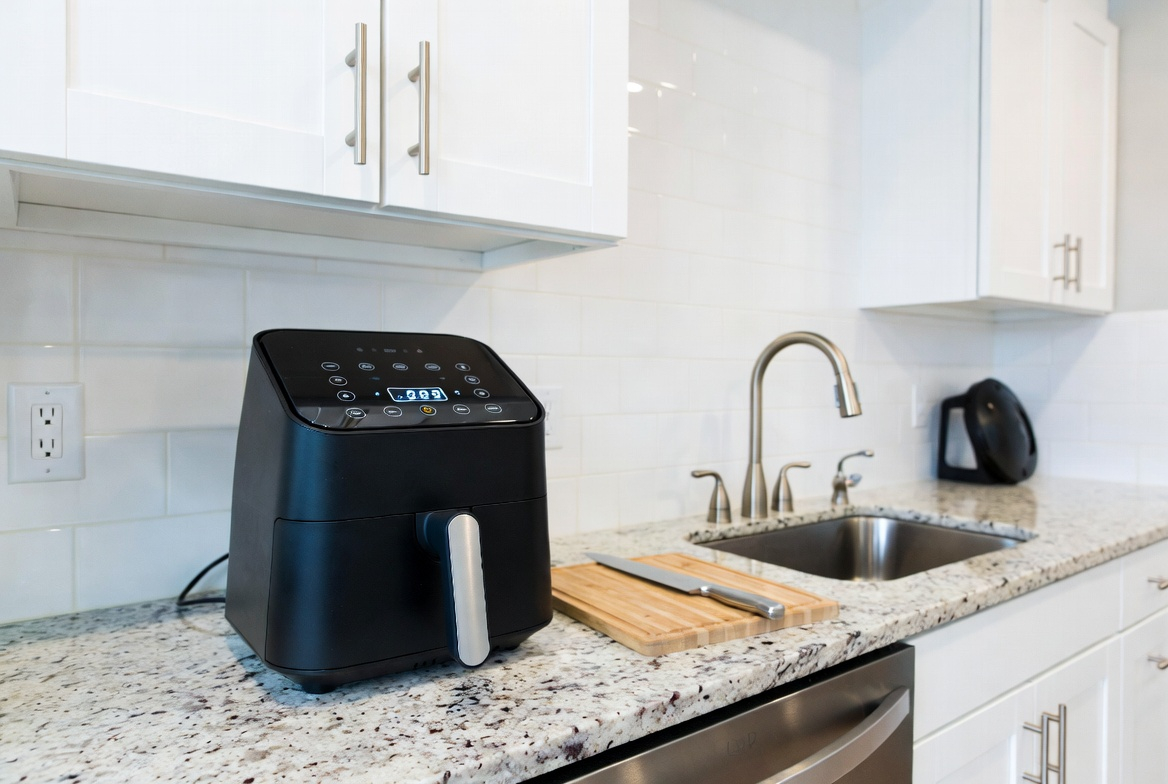
Halogen vs Air Fryer: Which Appliance Is Better for Your Kitchen?
If you’re standing in the kitchen appliance aisle wondering which cooking device deserves a spot on your countertop, you’re not alone. The debate between halogen ovens and air fryers has taken the cooking world by storm, and honestly, it can feel overwhelming trying to figure out which one actually delivers on its promises. I’m here to walk you through this comparison so you can make an informed decision that suits your lifestyle and cooking needs.
Understanding the Basics: What Exactly Are These Appliances?
What Is a Halogen Oven?
A halogen oven is essentially a countertop cooking device that uses halogen light bulbs to generate intense heat. Think of it as a mini convection oven that sits right on your kitchen counter. The halogen bulbs produce infrared radiation, which rapidly heats the food from the outside while a fan circulates hot air inside the cooking chamber. This technology has been around for quite a while and has developed a loyal following among home cooks who appreciate its versatility.
What Is an Air Fryer?
An air fryer, on the other hand, is a more recent invention that has absolutely exploded in popularity over the past few years. It works by circulating extremely hot air at high speeds around your food, creating a crispy exterior through a process called the Maillard reaction. Unlike deep frying, which requires submerging food in oil, air fryers use little to no oil, making them an attractive option for health-conscious cooks. The compact design and rapid cooking times have made air fryers a darling of busy households everywhere.
Cooking Performance: Speed and Efficiency Compared
Which Cooks Faster?
Here’s where things get interesting. Air fryers typically heat up faster than halogen ovens, reaching cooking temperature in just two to three minutes. Halogen ovens usually require five to ten minutes to reach full operating temperature. When you’re rushing to get dinner on the table, those extra minutes matter. However, the cooking time difference between the two once they’re up to temperature is often negligible, depending on what you’re preparing.
Energy Efficiency Considerations
Both appliances are significantly more energy-efficient than traditional ovens, but they achieve this in different ways. Air fryers, being smaller and more compact, generally use less electricity overall. They concentrate heat in a smaller space, which means less energy waste. Halogen ovens, while still efficient compared to conventional ovens, require more power to maintain their larger cooking chamber. If you’re watching your electricity bills, an air fryer might give you a slight edge, though the difference won’t necessarily be dramatic.
Versatility in the Kitchen: What Can You Actually Cook?
Halogen Oven Capabilities
One of the most significant advantages of halogen ovens is their impressive versatility. You can bake, roast, grill, defrost, and even sterilize items in a halogen oven. Want to make a whole chicken? Done. Pizza? Absolutely. Casseroles? Yes. Baked goods? They work beautifully. The larger cooking chamber means you can prepare multiple items simultaneously, making it ideal for families or meal prep enthusiasts. The even heat distribution makes them particularly good for cooking foods that need consistent, all-around heat.
Air Fryer Capabilities
Air fryers excel at creating crispy textures without deep frying. They’re phenomenal for frozen fries, chicken wings, fish fillets, and vegetables that you want with a golden exterior. You can bake in an air fryer, though you’ll notice the results differ from traditional baking due to the intense circulating heat. Some people have great success making muffins, brownies, and other baked goods, while others find the results inconsistent. Air fryers struggle a bit with foods that need longer, gentler cooking or items that benefit from moisture retention.
Size and Counter Space: Practical Considerations
Footprint Comparison
This is where your kitchen layout becomes important. Halogen ovens are bulkier devices that demand more counter real estate. If you live in a small apartment or have limited counter space, a halogen oven might be impractical. Air fryers, conversely, are compact and take up minimal space. Many air fryers can fit snugly between your toaster and coffee maker without complaint. However, the size advantage of air fryers comes with a cooking capacity tradeoff—you simply can’t fit as much food inside.
Storage Considerations
If you’re someone who doesn’t want a permanent resident on your counter, consider how easily each appliance stores away. Air fryers are much easier to tuck into a cabinet or closet due to their smaller dimensions. Halogen ovens, being larger, might challenge your storage options if you don’t have dedicated appliance cabinet space.
Cost Analysis: Initial Investment and Long-Term Value
Price Range for Each Appliance
Budget-friendly air fryers can start around thirty to fifty dollars, while quality models typically range from eighty to two hundred dollars. Halogen ovens fall into a similar price bracket, typically ranging from sixty to three hundred dollars depending on size and features. Neither appliance represents a massive investment, but your choice should align with your budget constraints and expected usage frequency.
Durability and Replacement Costs
Halogen ovens have one significant maintenance consideration: the halogen bulbs eventually burn out and need replacement. This adds an ongoing cost that air fryers don’t have. Quality halogen bulbs can cost fifteen to thirty dollars, and depending on usage, you might need replacements every two to three years. Air fryers have fewer components that typically fail, though heating elements can eventually wear out. When making your financial decision, factor in these potential maintenance expenses.
Health Aspects: Is One Healthier Than the Other?
Oil Usage and Fat Content
Air fryers are marketed as the healthier alternative because they require little to no oil. If you’re looking to reduce your oil consumption, an air fryer accomplishes this beautifully. You can achieve crispy textures with just a light spray of oil or none at all. Halogen ovens also allow oil-free cooking, though they don’t create the same level of crispiness that air fryers do. Both appliances are healthier choices compared to traditional deep frying.
Nutrient Retention
Quick cooking generally preserves more nutrients than prolonged cooking. Air fryers’ rapid cooking times can help retain vitamins and minerals better than conventional ovens. Halogen ovens, while faster than traditional ovens, cook somewhat more slowly than air fryers, potentially resulting in slightly more nutrient loss. However, the difference is minimal in practical terms, and both are superior to slow-cooking methods when nutrient preservation is the priority.
Cooking Results: Texture and Flavor Outcomes
Crispiness Factor
If you’re chasing that perfect crispy exterior, air fryers are the undisputed champions. The intense, circulating hot air creates wonderfully crunchy textures that many people crave. Halogen ovens produce crispy results too, but they’re often not quite as dramatic as what air fryers deliver. For frozen foods, french fries, and fried favorites, the air fryer wins this round.
Moisture Content and Tenderness
Here’s where halogen ovens sometimes shine brighter. Because of their larger chamber and slightly gentler heat circulation, they often retain moisture better in foods like chicken breasts or fish fillets. Air fryers can sometimes dry out certain foods if you’re not careful with cooking times. If you’re preparing delicate proteins that benefit from moisture retention, a halogen oven might treat your food more kindly.
User-Friendliness: Which Is Easier to Use?
Learning Curve
Air fryers are incredibly straightforward. Set the temperature, set the time, press start. Most have simple digital interfaces that anyone can navigate without consulting the manual. Halogen ovens are slightly more complex, with more cooking options and settings to understand. If you appreciate simplicity, an air fryer requires less mental energy to operate effectively.
Cleaning and Maintenance
Air fryer baskets are usually nonstick and easy to clean, either by hand or in the dishwasher. The interior also wipes clean without much fuss. Halogen ovens have removable racks and bowls that are similarly easy to clean, but the larger interior means more surface area to maintain. Neither appliance is particularly burdensome to clean, but the air fryer edges ahead due to its smaller size.
Noise Level: A Factor Worth Considering
Sound Output During Operation
Air fryers produce a constant fan noise that some people find acceptable and others find annoying. The sound is similar to a hair dryer—not painfully loud but consistently present. Halogen ovens operate more quietly since the fan doesn’t need to run as intensely. If you’re sensitive to kitchen noise or cooking during early mornings or late evenings, a halogen oven provides a quieter experience.
Real-World Usage Scenarios: Which Fits Your Lifestyle?
For Busy Families
Air fryers excel in busy households because of their speed and simplicity. Quick weeknight dinners become genuinely faster, and the straightforward operation means even teenagers can use them safely. The compact size also means they don’t monopolize your counter space.
For Home Entertainers
If you frequently host dinner parties or cook for larger groups, a halogen oven’s larger capacity becomes a major advantage. You can prepare more food simultaneously, which reduces your stress in the kitchen when entertaining guests.
For Health-Conscious Cooks
Both appliances support healthy cooking, but air fryers offer a psychological advantage for those specifically interested in reducing oil consumption. The ability to cook crispy foods with virtually no oil appeals to people focused on dietary goals.
For Apartment Dwellers
The air fryer’s compact footprint makes it the obvious choice if you’re living in tight quarters. It won’t dominate your limited counter space or storage options.
The Verdict: Which Should You Choose?
Halogen Ovens Are Better If You Want:
- Greater versatility for various cooking methods
- Larger cooking capacity for families or meal prep
- Moisture retention for delicate proteins
- Quieter kitchen operation
- The ability to cook multiple dishes simultaneously
Air Fryers Are Better If You Want:
- Lightning-fast cooking times
- Maximum crispiness without deep frying
- Minimal counter space requirements
- Simple, straightforward operation
- Easy cleaning and maintenance
- Superior energy efficiency in smaller portions
Can You Own Both? Absolutely
Here’s a thought that might seem radical: you don’t necessarily have to choose just one. Many households find that having both appliances serves different purposes beautifully. Use your air fryer for quick weeknight dinners and crispy favorites, while your halogen oven handles larger meals, baking projects, and more complex cooking tasks. If your budget and counter space allow, this might be the ultimate solution rather than trying to force one appliance to do everything.
Conclusion
The halogen versus air fryer debate doesn’t have a universally correct answer because both appliances have legitimate strengths and weaknesses. A halogen oven wins on versatility, capacity, and cooking variety, making it ideal for families and home cooks who enjoy exploring different culinary techniques. An air fryer takes the crown for speed, simplicity, crispiness, and compact design, making it perfect for busy individuals and small households.
Your decision should ultimately rest on your specific needs. Consider your family size, your cooking style, the space available in your kitchen, and your primary cooking goals. If you primarily want to reheat frozen foods and enjoy crispy textures quickly, an air fryer is your answer. If you want a kitchen workhorse that can handle baking, roasting, grilling, and more, a halogen oven deserves your consideration. Both appliances are worthwhile investments that offer significant advantages over traditional ovens, and either choice will elevate your cooking experience in meaningful ways.
Frequently Asked Questions
Can you use an air fryer and halogen oven interchangeably for most recipes?
While both appliances use convection heating, they’re not completely interchangeable. Some recipes work well in both, but cooking times and temperatures often differ. Air fryers typically require lower temperatures and shorter cooking times due to their more intense heat concentration. Halogen ovens often need adjustments when adapting air fryer recipes because their larger chamber heats differently. It’s usually worth checking for appliance-specific recipes rather than assuming one can replace the other entirely.
Are halogen ovens still being manufactured, or are they becoming obsolete?
Halogen ovens are still manufactured and sold, though air fryers have certainly captured more recent market attention. You can still find quality halogen ovens from various brands, though the selection might be smaller than what was available five years ago. They haven’t become obsolete because they fill a niche that air fryers don’t completely satisfy—people still value the larger capacity and versatility that halogen ovens provide for different cooking methods.
How do cooking times compare between these two appliances for the same food?
Generally, air fryers cook food faster than halogen ovens. For example, frozen french fries might take twelve to fifteen minutes in a halogen oven but only eight to ten minutes in an air fryer. However, the difference varies based on the type of food, the amount being cooked, and the specific appliance models. For larger items like whole chicken or vegetables, the cooking time differences become less dramatic. Always check recipes specific to your appliance rather than assuming one is universally faster.
Which appliance is better for baking cakes and pastries?
Halogen ovens generally produce more consistent baking results for traditional baked goods because their heat distribution more closely mimics conventional ovens. Air fryers can bake smaller items, but their intense heat sometimes creates uneven browning or excessive drying in cakes and pastries. If baking is a significant part of your cooking routine, a halogen oven is the safer choice for achieving reliable, quality results with cakes, cookies, and pastries.
Can air fryers replace your regular oven completely?
For some people, yes. If you primarily cook smaller portions and enjoy crispy foods, an air fryer might handle ninety percent of your cooking needs. However, for anyone who regularly bakes full-size cakes, roasts whole turkeys, or cooks large batch meals, relying solely on an air fryer would be limiting. Most people find air fryers are best as a supplement to a traditional oven rather than a complete replacement, unless their cooking style is very specific and limited in scope.
“`
![5 Best Air Fryer for a Couple [In 2026]](https://homeunderstandable.com/wp-content/uploads/2026/03/5-Best-Air-Fryer-for-a-Couple.jpg)

![5 Best Air Fryer for Bodybuilders [In 2026]](https://homeunderstandable.com/wp-content/uploads/2026/03/5-Best-Air-Fryer-for-Bodybuilders.jpg)
