
Hot Pot vs Air Fryer: What’s the Better Kitchen Pick?
If you’re standing in your kitchen trying to decide between investing in a hot pot or an air fryer, you’re not alone. Both appliances have taken the culinary world by storm, and each promises to revolutionize the way you cook. But here’s the thing—they’re fundamentally different tools designed for different cooking styles and occasions. So which one actually deserves a spot in your kitchen?
Let me walk you through everything you need to know about these two popular kitchen gadgets. By the end of this article, you’ll understand exactly which one fits your lifestyle, cooking habits, and kitchen space better.
Understanding What a Hot Pot Really Is
A hot pot, sometimes called a fondue pot or steamboat, is essentially a communal cooking vessel that sits right on your dining table. Think of it as a heated bowl of broth where everyone cooks their own food right there at the table while they eat. It’s been a staple in Asian cuisine for centuries, particularly in Chinese, Thai, and Japanese cultures.
The Basic Components of a Hot Pot
A typical hot pot consists of a heating element (electric or stovetop), a metal or ceramic pot filled with simmering broth, and a heat control mechanism. The beauty of this setup is that everything happens in real-time—you watch your food cook, control the doneness to your liking, and enjoy an interactive dining experience.
The broth is the heart and soul of a hot pot meal. You can use anything from a simple vegetable broth to a rich, spicy Sichuan broth or a creamy seafood base. The longer the broth simmers, the more flavor it develops, making it perfect for those who appreciate depth and complexity in their food.
Different Types of Hot Pots
Electric hot pots offer convenience and precise temperature control. Stovetop versions are more portable and work anywhere you have a heat source. Some hot pots even feature divided sections, allowing you to cook different broths simultaneously—imagine having a mild side for the kids and a fiery side for the spice lovers all in one pot.
What Makes an Air Fryer Different
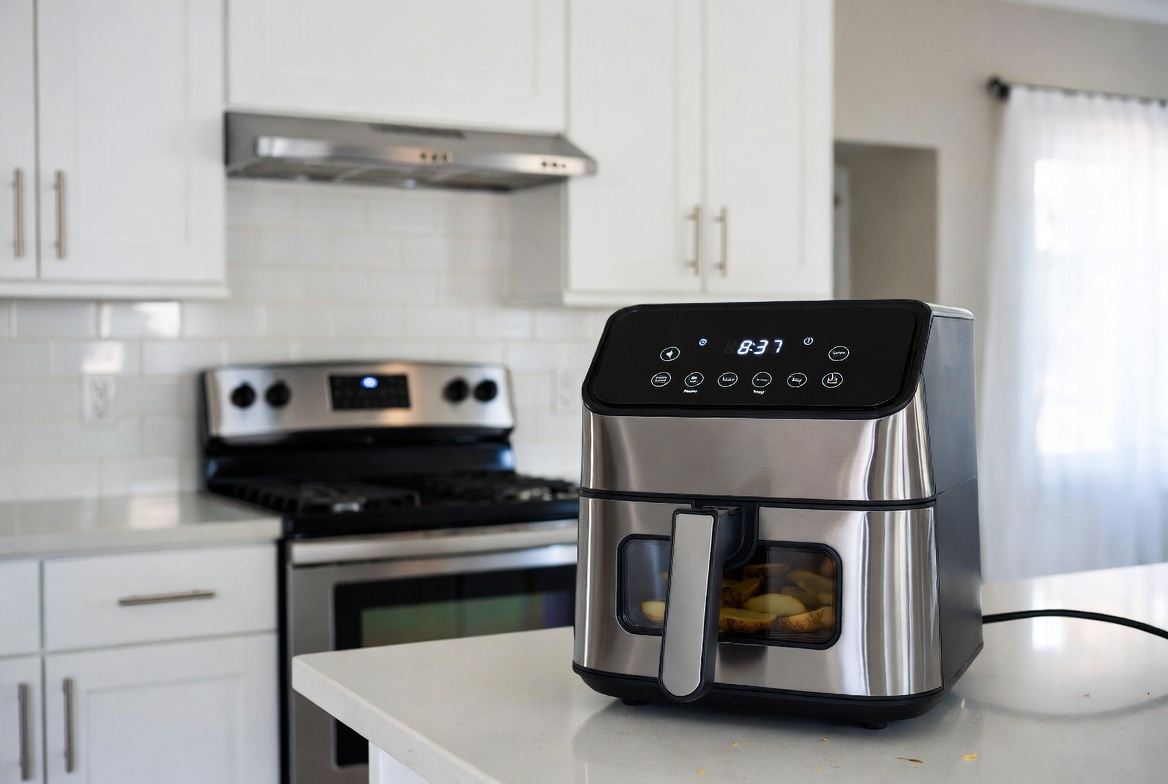
An air fryer is a compact kitchen appliance that cooks food using hot circulating air at high speeds. It’s like having a mini convection oven on your countertop, but much faster and producing crispier results. The technology uses rapid air circulation to cook food from all angles simultaneously, creating that golden, crispy exterior everyone craves.
How Air Fryer Technology Works
Inside an air fryer, heating elements and a powerful fan work together to create temperatures ranging from 200 to 400 degrees Fahrenheit. This intense heat circulates around your food, removing moisture and creating that signature crispy texture without the need for deep frying in oil. It’s actually brilliant when you think about it—you get fried food texture with a fraction of the oil.
Air Fryer Sizes and Styles
Air fryers come in various sizes, from compact basket-style models perfect for one or two people to larger family-sized units. Some feature multiple racks, digital controls with preset programs, and even smart connectivity. The design is efficient, heating up in just a few minutes and occupying minimal counter space.
Cooking Style and Method Comparison
Here’s where these two appliances truly diverge. A hot pot is about interactive, communal cooking. It’s a social event where everyone participates in the cooking process. You’re constantly adding ingredients, adjusting flavor, and engaging with others around the table.
An air fryer, on the other hand, is about set-it-and-mostly-forget-it convenience. You place your ingredients in the basket, select your temperature and time, and let the machine do the work. It’s solitary, faster, and requires minimal involvement once you’ve started the cycle.
Temperature Control and Precision
Hot pots allow you to maintain a gentle simmer or bring your broth to a rolling boil, giving you complete control over cooking temperatures. You’re the master of heat intensity. Air fryers offer preset temperatures and cooking times, though most allow manual adjustments for customization.
Speed and Convenience Factor
If speed is your priority, the air fryer wins this round without hesitation. An air fryer can cook frozen french fries in about 15 minutes. Try doing that with a hot pot—you’d need to wait for the broth to reach the right temperature first, then cook everything individually.
Preparation Time Considerations
Air fryers require minimal prep work. Most foods go straight from the freezer or into the basket. Hot pots demand more preparation—you need to slice vegetables, arrange ingredients attractively, prepare your broth, and set up the entire table setup before anyone can eat.
However, hot pots excel when you’re cooking for groups where the experience matters more than speed. A hot pot dinner isn’t meant to be rushed; it’s a leisurely affair where the process is part of the enjoyment.
Health Benefits: Which One Wins?
Both appliances offer legitimate health advantages, but in different ways. Let’s break this down honestly.
Air Fryer Health Benefits
- Uses significantly less oil than traditional deep frying
- Reduces overall fat and calorie intake for fried foods
- Less exposure to potentially harmful compounds created during deep frying
- Quick cooking preserves nutrients better than prolonged heating
Hot Pot Health Benefits
- Cooking method preserves nutrients through gentle simmering
- You control exactly what goes into your food
- Encourages consumption of vegetables and lean proteins
- Lighter cooking method compared to stir-frying or deep frying
- The broth becomes nutrient-rich, especially bone broth varieties
Here’s my honest take: the air fryer is healthier if you’re looking to reduce fried food consumption. The hot pot is healthier if you’re comparing it to heavier cooking methods like pan-frying or deep frying. Both beat traditional fast food cooking by miles.
Cost Analysis: Initial Investment
Your wallet will notice the difference here. A decent air fryer typically ranges from $50 to $200, depending on size and features. You can get a quality unit for everyday cooking at the lower end of that range.
Hot pots vary more widely. A basic electric hot pot might cost $30 to $80, but if you want a high-quality unit with multiple compartments or better heat distribution, you’re looking at $100 to $300. The good news is that hot pots are durable and often last for years with minimal maintenance.
Cost Per Use Over Time
If you’re someone who entertains regularly, the hot pot becomes more economical over time. One hot pot meal can feed 4-6 people comfortably. Air fryers are more suited to smaller households or individuals.
Kitchen Space and Storage Considerations
Space matters, especially if you live in an apartment or have limited counter space. Air fryers take up more real estate on your counter—they need ventilation around them and a clear space above for steam and heat to escape safely.
Hot pots, particularly the stovetop versions, are incredibly compact and easy to store. Even electric hot pots are relatively small and can fit in a cabinet. The real space consideration with hot pots is your dining table space for the setup.
Permanent Counter Placement
Many people keep their air fryer on the counter permanently because it’s bulky to store and they use it frequently. Hot pots are easily stashed away and brought out as needed, making them better for those with limited kitchen real estate.
Versatility in the Kitchen
An air fryer can cook an impressive variety of foods—chicken wings, vegetables, fish, baked goods, desserts, and even some creative dishes. You’re limited mainly by your imagination and basic cooking principles.
A hot pot traditionally excels with thin-sliced proteins, quick-cooking vegetables, noodles, and items that cook well in broth. It’s more specialized but incredibly deep in what it can do within that scope. You can make it work for many cuisines—not just Asian.
Experimenting Beyond Traditional Uses
Hot pot enthusiasts have started experimenting with non-traditional broths—think butter-based broths, spicy tomato bases, and even chocolate for dessert hot pots. Air fryer users are similarly creative, cooking everything from mozzarella sticks to whole chickens in unconventional ways.
Flavor Profiles and Cooking Results
Here’s where preferences really matter. Air fryer food has that distinctive crispy exterior with tender insides. The texture is phenomenal, but the flavor profile is somewhat limited—you’re basically getting a quicker version of convection oven cooking.
Hot pot cooking infuses food with the flavors of the broth. Every ingredient absorbs the surrounding liquid’s essence, creating a harmonious blend of flavors. A delicate seafood hot pot tastes completely different from a spicy Sichuan version, and that customization is half the appeal.
Crispy vs Tender Textures
If you crave crispiness—think crispy fries, crunchy vegetables, or golden chicken—the air fryer delivers without question. If you prefer tender, flavorful, and infused dishes, hot pot wins. Neither is objectively better; it depends on your texture preferences.
Social and Entertainment Aspects
This is significant and often overlooked in comparisons. A hot pot is inherently social. It brings people together around a table, encourages conversation, and creates shared memories. There’s something magical about everyone cooking their own food, sharing stories, and enjoying a meal together.
An air fryer is utilitarian. You prepare food in the kitchen and bring it to the table. It’s efficient and practical but lacks the interactive, communal element that makes dining memorable.
Entertainment Value
If you’re someone who loves hosting gatherings and creating memorable experiences, a hot pot is your answer. If you’re focused on getting dinner on the table quickly after work, the air fryer makes more sense.
Maintenance and Cleaning Requirements
Air fryers need regular cleaning, especially after cooking oily foods. The basket and tray require washing, and the heating element needs occasional attention to remove buildup. It’s not difficult, but it’s necessary maintenance.
Hot pots are similarly straightforward to clean. You empty the broth, wash the pot, and you’re done. The nice thing is that if you strain the broth properly, you can reuse it for your next hot pot dinner, reducing waste and saving money.
Long-term Durability
Both appliances are durable when maintained properly. Air fryers might have issues with the heating element failing over time with heavy use. Hot pots, being simpler devices, tend to have fewer mechanical failures. Neither requires specialized maintenance or expensive repairs in most cases.
Energy Consumption and Efficiency
Air fryers use more electricity than hot pots because they maintain high temperatures and run powerful heating elements. A typical air fryer uses 1000-1500 watts. Hot pots generally use 400-1000 watts, making them more energy-efficient.
If you’re conscious about energy bills and environmental impact, a hot pot is the greener choice. Of course, the total energy matters less than how often you use each appliance and for how long.
Safety Features Explained
Both appliances have safety considerations. Air fryers get extremely hot, and the basket can cause burns if touched during operation. However, they have automatic shutoffs and most modern models include cool-touch handles and grips.
Hot pots require careful handling of hot broth, especially in communal settings where children might be present. The pot itself stays hot for extended periods. Always position your hot pot away from table edges and never leave it unattended while in use.
Safety Tips for Each
For air fryers: Keep hands clear during operation, use provided accessories for removing food, and never overload the basket. For hot pots: Use caution signs if necessary, ensure stable placement, supervise children, and never leave the pot unattended during cooking.
Best Use Cases for Each Appliance
When to Choose an Air Fryer
- You’re cooking for one or two people regularly
- Speed and convenience are your top priorities
- You want crispy textures without deep frying
- Limited dining space for communal cooking
- You prefer quick weeknight dinners
- You enjoy experimenting with various cooking styles
- You have limited storage space for a hot pot
When to Choose a Hot Pot
- You frequently entertain guests
- You value the social dining experience
- You prefer customizable, flavorful dishes
- Your family or friend group enjoys interactive meals
- You appreciate Asian cuisine and cooking traditions
- You want to cook for larger groups (4+ people)
- You have limited kitchen counter space
Making Your Final Decision
So which should you actually buy? Here’s my practical recommendation: consider your lifestyle first. Are you someone who entertains regularly and values shared experiences? Get the hot pot. Do you need quick, convenient meals for your busy schedule? The air fryer is your appliance.
Honestly, if budget allows, both can coexist in your kitchen peacefully. They serve completely different purposes and rarely compete for the same meal. An air fryer handles your weeknight dinners, while a hot pot transforms weekend gatherings into memorable events.
Questions to Ask Yourself
- How often do I entertain guests?
- Do I prioritize speed or experience?
- How much counter space do I actually have?
- What foods do I eat most frequently?
- Is my kitchen big enough for both?
- What’s my realistic budget?
- Do I prefer solitary or social cooking?
Conclusion
The hot pot versus air fryer debate doesn’t have a universal winner—it depends entirely on your lifestyle, cooking preferences, and entertaining habits. An air fryer excels at providing quick, crispy meals for busy individuals and small households
![What Is The Best Batter for Air Fryer Onion Rings [In 2026]](https://homeunderstandable.com/wp-content/uploads/2026/03/Best-Batter-for-Air-Fryer-Onion-Rings-768x516.jpg)
![What Is The Best Chicken Wing Recipe for Air Fryer [In 2026]](https://homeunderstandable.com/wp-content/uploads/2026/03/Best-Chicken-Wing-Recipe-for-Air-Fryer-768x516.jpg)
![What Is The Best Air Fryer for Pork Belly [In 2026]](https://homeunderstandable.com/wp-content/uploads/2026/03/Best-Air-Fryer-for-Pork-Belly-768x516.jpg)

![5 Best Air Fryer for $100 [In 2026]](https://homeunderstandable.com/wp-content/uploads/2026/03/5-Best-Air-Fryer-for-100.jpg)