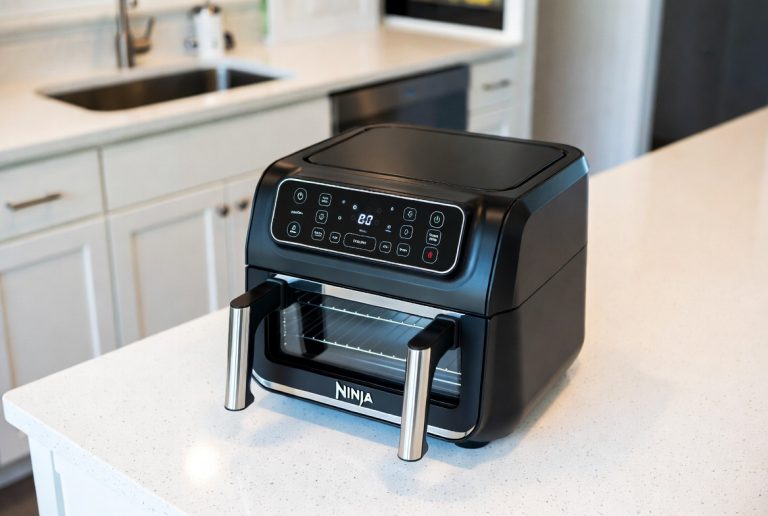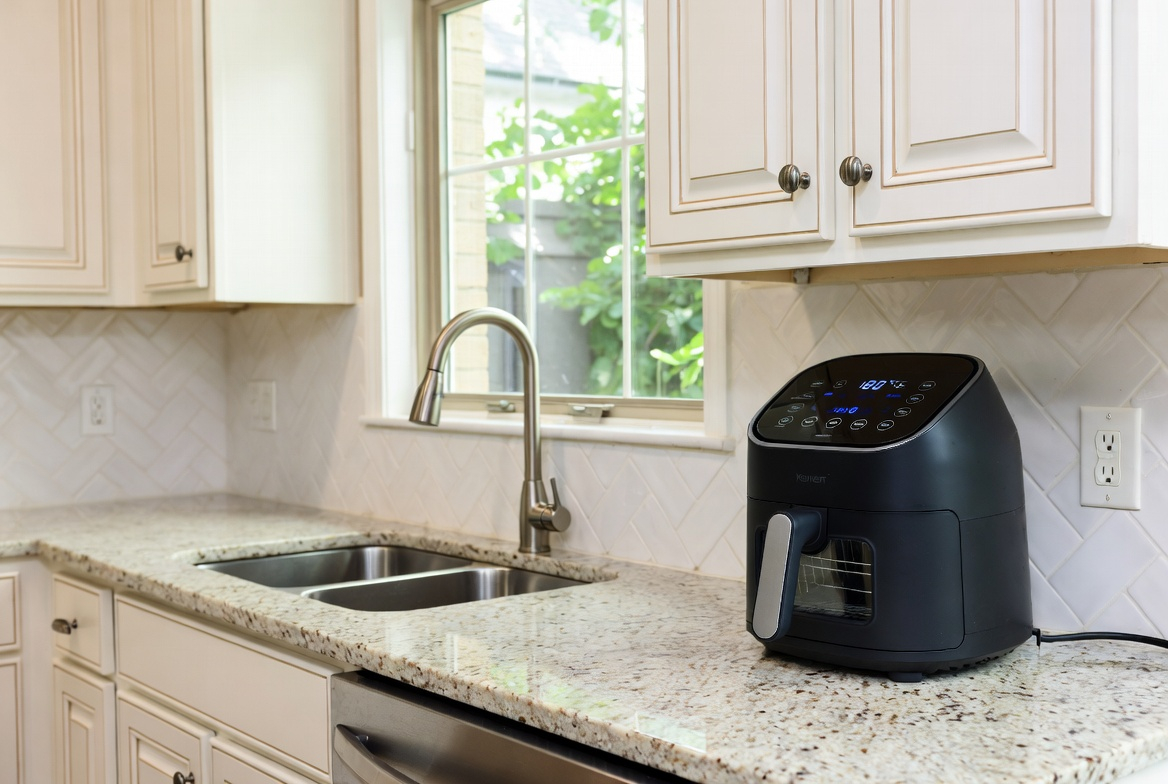
How Does an Air Fryer Work vs Oven? Key Differences Explained
Have you ever stood in your kitchen wondering whether to grab your trusty oven or that trendy air fryer sitting on your counter? You’re definitely not alone. The rise of air fryers has sparked a genuine debate among home cooks, and honestly, understanding the real differences between these two appliances can completely transform how you prepare meals.
Let me walk you through this comparison in a way that actually makes sense. By the end of this article, you’ll understand not just how each device works, but also when to use which one for the best results.
Understanding Air Fryer Technology
Think of an air fryer as a miniature convection oven that’s been supercharged and put on steroids. Seriously, that’s essentially what it is. The magic happens through rapid air circulation technology.
The Core Mechanism Behind Air Fryers
An air fryer uses a heating element positioned at the top of the unit that rapidly heats air to extremely high temperatures, sometimes reaching 400 degrees Fahrenheit or more. Once that air reaches the desired temperature, a powerful fan circulates it at incredibly high speeds throughout the cooking chamber. This creates what I like to call a “wind tunnel effect” inside the basket.
When food sits in this vortex of hot air, something remarkable happens. The moisture on the surface of your food evaporates almost instantly, which triggers the Maillard reaction. That’s the chemical process responsible for creating those delicious golden, crispy exteriors you’re craving.
The Basket and Perforated Design
You’ll notice that air fryer baskets aren’t solid. They’re perforated with hundreds of tiny holes. This design is absolutely crucial because it allows hot air to circulate on all sides of your food simultaneously. It’s like your food is getting heated from every single direction at once. The basket typically sits above a drip pan that catches any excess oils or liquids, keeping your air fryer clean and preventing fires.
Temperature Control in Air Fryers
Most modern air fryers give you precise temperature control, usually ranging from about 170 degrees to 400 degrees Fahrenheit. This means you can adjust your cooking temperature with incredible accuracy. The unit reaches its target temperature within just a few minutes, sometimes even faster than an oven.
How Traditional Ovens Operate
Now let’s talk about ovens, the cooking workhorse that’s been in kitchens for generations.
The Basic Oven Heating Process
Traditional ovens work through a fundamentally different approach. When you turn on your oven, heating elements at the bottom, top, or both sides of the chamber heat up. These elements radiate heat into the oven cavity, warming the air inside gradually. Unlike air fryers, ovens don’t force air circulation in the same aggressive way.
Your oven essentially heats up the entire enclosed space to your desired temperature. It’s a more passive process compared to the active air circulation in an air fryer. The food sits on a rack or pan, and heat surrounds it from various directions, but it’s not being bombarded by rapidly moving hot air.
Convection vs. Standard Ovens
Here’s where it gets interesting. Some ovens include a convection setting that activates a fan to circulate the heated air. This is actually quite similar to how air fryers work, though typically less intense. Convection ovens cook faster and more evenly than standard ovens, but they still don’t match the rapid air circulation of an air fryer.
Preheating Time and Temperature Consistency
Traditional ovens take longer to preheat than air fryers. You’re typically waiting 10 to 15 minutes for your oven to reach temperature and stabilize. Air fryers, on the other hand, are ready to go in just two to five minutes. This speed difference becomes really noticeable when you’re cooking multiple batches or preparing a quick weeknight dinner.
Heat Distribution: The Critical Difference
This is where air fryers and ovens diverge most significantly in terms of cooking performance.
Air Fryer Heat Circulation
In an air fryer, hot air doesn’t just exist in the chamber—it’s constantly moving at high velocity. Every surface of your food gets exposure to this moving heat. There are essentially no “hot spots” or “cold zones” because the circulation is so uniform and aggressive. Your fries cook evenly on all sides without needing to flip them halfway through.
Oven Heat Distribution Patterns
Ovens create what I call “thermal zones.” The area near the heating elements gets hotter than areas farther away. The top rack is typically hotter than the middle or bottom rack. This is why recipes often tell you to rotate your baking sheet halfway through cooking. Your oven has inherent hot and cool spots, and you need to account for that.
The Convection Oven Exception
Convection ovens reduce these hot spots significantly by circulating the heated air with their internal fan. However, even they don’t achieve the uniform heat distribution of an air fryer because the fan speed is generally lower and the chamber is larger.
Cooking Speed: Why Air Fryers Are Faster
Let me give you a real-world scenario. You want to cook frozen French fries. In an air fryer at 375 degrees, they’ll be done in about 15 minutes with incredible crispiness. In a traditional oven at the same temperature, you’re looking at 25 to 30 minutes, and they might not be quite as crispy.
The Science Behind Faster Cooking
Air fryers cook faster because of that intense, rapid air circulation combined with the smaller cooking chamber. The heat transfer between the air and your food happens much more efficiently. You’re essentially creating an accelerated cooking environment.
Ovens heat through a combination of radiation and conduction, which is a slower process overall. The air inside an oven isn’t moving as quickly, so heat transfer takes longer.
Practical Cooking Time Comparisons
- Chicken wings: Air fryer 20 minutes vs. Oven 35 minutes
- Salmon fillets: Air fryer 10 minutes vs. Oven 15 minutes
- Vegetable chips: Air fryer 12 minutes vs. Oven 20 minutes
- Homemade donuts: Air fryer 8 minutes vs. Oven 12 minutes
Energy Consumption and Efficiency
If you’re concerned about your electricity bill, this section matters to you.
Air Fryer Energy Usage
Air fryers are remarkably energy-efficient. Most models use between 1,400 and 1,700 watts of power. Because they heat up quickly and cook faster, your overall energy consumption per meal is actually quite low. You’re running the appliance for shorter periods.
Oven Energy Consumption
Traditional ovens typically use between 2,000 and 5,000 watts, depending on size and model. Electric ovens are particularly power-hungry. Because they take longer to preheat and cook slower, you’re drawing that energy for extended periods.
The Real-World Impact
For a family that cooks regularly, switching some of your cooking to an air fryer could actually reduce your energy costs noticeably. If you’re cooking dinner four nights a week and switching from oven to air fryer for certain dishes, you might save a couple of dollars monthly. Over a year, that adds up.
Food Texture and Quality Outcomes
Here’s the million-dollar question: which method produces better food?
Crispiness and Exterior Quality
Air fryers absolutely dominate when it comes to creating crispy exteriors. That intense, moving heat creates a wonderfully crunchy outside while keeping the inside moist and tender. If you’re making fried foods, roasted vegetables, or anything where you want that crispy texture, an air fryer is your answer.
Ovens can achieve crispiness, but it typically requires more oil, longer cooking times, and careful attention. A traditional oven simply doesn’t have the same capability to create that ultra-crispy, restaurant-quality exterior as quickly and consistently.
Moisture Retention
Here’s something that might surprise you. Because air fryers cook so much faster, they can actually lock in moisture better than ovens for certain foods. Think about chicken breast. In an oven, by the time it’s fully cooked through, the exterior might be starting to dry out. In an air fryer, the speed reduces this risk.
Baking Performance
This is where ovens still have the edge. If you’re baking cakes, bread, pastries, or anything that requires gentle, even heat rise and careful browning, an oven is your tool. Air fryers aren’t ideal for baking because the circulating air can sometimes cause uneven rising or browning in baked goods. The space is also limited, and the intense heat can sometimes over-brown the exterior before the interior cooks properly.
Capacity Limitations
Let’s be real about this: air fryers are small.
Air Fryer Capacity Issues
Most air fryers hold enough food for about two to four people comfortably. If you’re cooking for a large family or planning to meal-prep for the week, you’ll be making multiple batches. This extends your overall cooking time and can be frustrating when you’re in a hurry.
Some larger air fryer models exist, but they take up significantly more counter space and are pricier. Even the largest air fryers can’t match the capacity of a standard oven.
Oven Capacity Advantages
Ovens are spacious. You can cook entire meals at once. Got a big family gathering? You can roast multiple trays of vegetables, several baking sheets of cookies, and a large turkey simultaneously. This is something an air fryer simply can’t do.
Cost Considerations
Initial Purchase Price
A decent air fryer typically costs between $50 and $150. You might spend more for premium models with special features, but that’s the general range. Ovens, whether built-in or standalone, range from $300 to $3,000 or more.
From a pure purchasing perspective, air fryers are much more affordable upfront.
Maintenance and Longevity
Air fryers are generally simple to maintain. You wash the basket and pan after each use, and that’s mostly it. They typically last about 3 to 5 years with regular use.
Ovens, while costing more initially, tend to last significantly longer—often 10 to 15 years or more. They’re built to be durable and take years of daily cooking.
When to Use an Air Fryer
Understanding the right tool for the job is essential.
Perfect Air Fryer Scenarios
- Reheating leftovers to restore crispiness
- Cooking frozen foods like fries, nuggets, or wings
- Roasting vegetables quickly
- Making crispy snacks and appetizers
- Cooking for one or two people
- When you need quick results on a busy weeknight
- Preparing fried foods with minimal oil
- Batch cooking smaller portions
When to Use an Oven
Ideal Oven Applications
- Baking bread, cakes, cookies, and pastries
- Cooking large quantities of food
- Slow roasting meats for extended periods
- Making casseroles and sheet pan dinners
- Preparing meals for large groups
- When you need gentle, consistent heat for delicate items
- Cooking foods that benefit from traditional dry heat
- Making dishes that require specific oven characteristics
Common Misconceptions Debunked
Air Fryers Use Deep Frying Technology
False. Air fryers don’t actually fry anything. They use hot air circulation to achieve similar results to deep frying, but without submerging food in oil. This is why they’re called “air” fryers. You can cook crispy food with minimal oil, which is genuinely healthier than traditional deep frying.
Air Fryers Cook Unhealthy Food
This is misleading. An air fryer is just a cooking method. What you cook in it determines healthiness. Make vegetable chips or roasted broccoli, and you’re eating healthy. Make breaded chicken regularly, and you’re making different nutritional choices. The appliance itself is neutral.
Ovens Are Always Better
Absolutely not. Ovens excel at certain tasks, but they’re not universally superior. An air fryer creates crispier results faster for many foods. Saying one is always better is like saying forks are better than spoons—it depends on what you’re eating.
Practical Tips for Both Appliances
Maximizing Your Air Fryer
Don’t overcrowd the basket. I know it’s tempting to throw as much food as possible in there, but air circulation is everything. Spread items out in a single layer for best results. If you need to cook more, just do multiple batches.
Shake the basket halfway through cooking for even browning. Some foods benefit from this, particularly smaller items like fries or vegetable pieces.
Use parchment paper or aluminum foil to prevent sticking and make cleanup easier. Just make sure to leave room for air circulation around the edges.
Optimizing Your Oven
Invest in an oven thermometer. Many ovens have temperature accuracy issues, and knowing the real temperature helps you cook better.
Position your racks strategically. Put foods that need high heat on the upper rack and those requiring gentler heat on the lower rack.
Give your oven adequate preheating time. Those extra minutes make a real difference in cooking quality.
The Hybrid Approach
Using Both for Optimal Results
Here’s my recommendation: don’t think of this as an either-or choice. The smartest approach is having both appliances and using each for what it does best. Use your
![What Is The Best Chicken Thigh Recipe for Air Fryer [In 2026]](https://homeunderstandable.com/wp-content/uploads/2026/03/Best-Chicken-Thigh-Recipe-for-Air-Fryer-768x516.jpg)
![What Is The Best Breading for Air Fryer Chicken [In 2026]](https://homeunderstandable.com/wp-content/uploads/2026/03/Best-Breading-for-Air-Fryer-Chicken-768x516.jpg)
![5 Best Air Fryer for Camping [In 2026]](https://homeunderstandable.com/wp-content/uploads/2026/03/5-Best-Air-Fryer-for-Camping-768x516.jpg)