
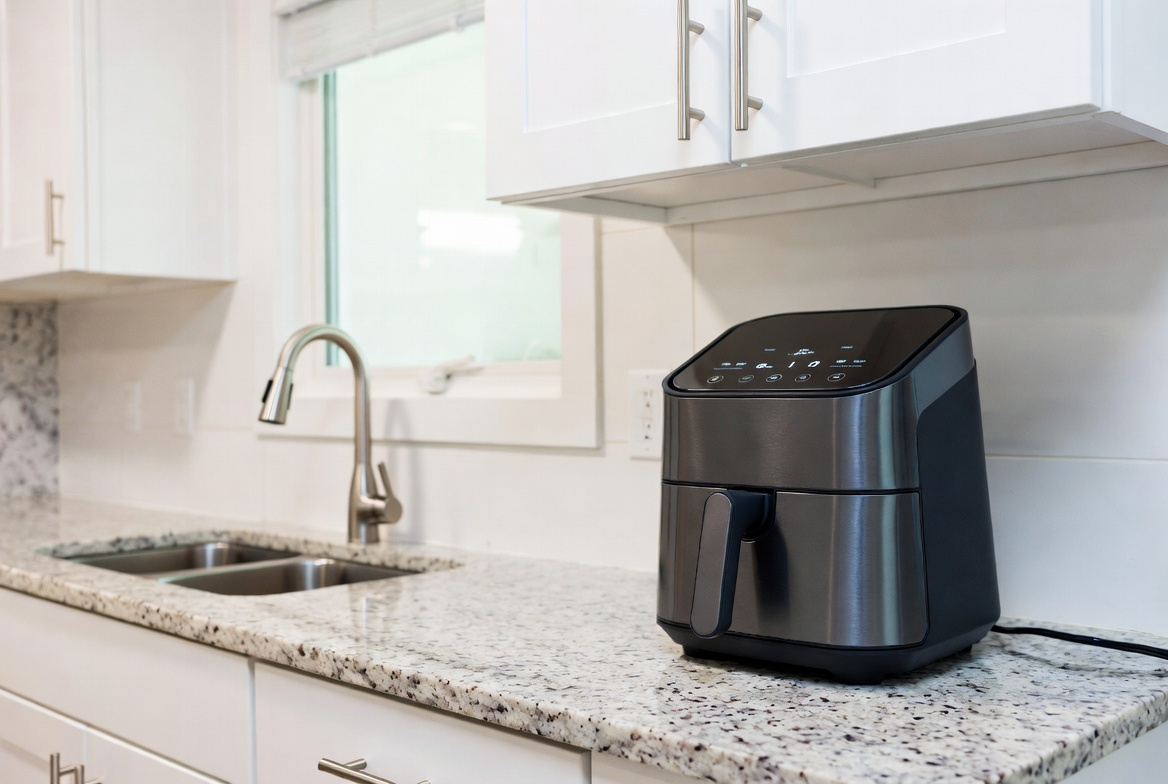
Instant Pot Air Fryer Vortex Plus vs Pro: Key Differences and Which One You Should Buy
If you’re standing in the kitchen appliance aisle or scrolling through online retailers, wondering whether to invest in the Instant Pot Air Fryer Vortex Plus or the Pro model, you’re not alone. These two powerhouses have taken the air frying world by storm, but they’re not identical twins. Think of them as cousins with similar DNA but distinct personalities. Let me walk you through what sets them apart and help you figure out which one deserves a spot on your countertop.
Understanding the Instant Pot Air Fryer Vortex Line
Before diving into the nitty-gritty differences, let’s take a step back. The Instant Pot Air Fryer Vortex series represents years of innovation in the air frying space. Instant Pot, the company that revolutionized pressure cooking, decided to tackle air frying with the same meticulous approach. The result? Two fantastic machines that have earned their place in thousands of kitchens worldwide.
The Vortex Plus and Pro models are built on the same foundation but with different levels of refinement and features. It’s like comparing a sedan to a sports sedan—same basic mechanics, but different experiences under the hood.
Design and Build Quality Comparison
The Vortex Plus Design Philosophy
The Vortex Plus sports a sleek, modern design that doesn’t look out of place on any kitchen counter. Its stainless steel exterior gives it a premium feel, and the overall build quality is solid. The unit feels substantial without being overly bulky, and the control panel is intuitive at first glance. The basket slides smoothly, and the internal construction uses high-quality materials designed to withstand daily use.
The Vortex Pro Design Features
Now, the Pro model takes things up a notch. It boasts similar aesthetic appeal but with enhanced ergonomic touches. The basket mechanism feels slightly more refined, and the overall construction appears more robust. If you’re someone who appreciates the finer details in product design, you’ll notice the Pro’s attention to detail in areas like the basket handle and the display screen placement. The Pro also tends to have a slightly more premium finish that catches the light beautifully.
Durability Considerations
Both models are built to last, but the Pro’s construction suggests it’s engineered for heavier use. If you’re cooking for a large family multiple times daily, the Pro might hold up better over time. That said, the Plus isn’t fragile by any means—it’s just that the Pro feels like it’s been engineered with slightly more durability in mind.
Capacity: How Much Can Each One Handle?
Vortex Plus Capacity Specifications
The Vortex Plus comes with a 6-quart cooking capacity, which is genuinely substantial. For most households with four to six people, this capacity is more than adequate. You can comfortably prepare a week’s worth of meal prep containers, cook enough fries for a family dinner, or prepare multiple servings of chicken wings simultaneously. The basket dimensions allow for good air circulation while maximizing usable space.
Vortex Pro Capacity Specifications
The Pro model also features a 6-quart capacity, so there’s no difference here in terms of raw volume. However—and this is important—the Pro’s internal design is optimized slightly better. The basket arrangement and heating element positioning mean you get more efficient cooking with less need to shake or rearrange food. It’s not that you’re getting more space; it’s that the space you have is used more effectively.
Practical Implications of Capacity
For most users, both will handle everything you throw at them. The real difference lies in consistency. With the Plus, you might find yourself doing a bit more shuffling when cooking larger batches. The Pro’s design minimizes this frustration. If you frequently cook for more than six people or run a meal prep business, you might find the Plus’s capacity slightly limiting, whereas the Pro will feel more accommodating.
Power and Cooking Performance
Understanding Wattage and Performance
The Vortex Plus operates at 1500 watts, delivering solid, consistent cooking power. This wattage is industry-standard for air fryers in this size category and produces results that satisfy most users. You’ll get crispy exteriors and tender interiors on most foods without extended preheating times.
The Vortex Pro, meanwhile, pushes the envelope slightly with enhanced heating elements that distribute heat more evenly throughout the cooking chamber. While the wattage is similar, the Pro’s superior heat distribution means you get more consistent results across the entire basket, particularly when cooking larger quantities.
Heating Speed and Preheating Time
Here’s where things get interesting. The Plus typically takes about three to four minutes to preheat from a cold start. The Pro, with its optimized heating system, reaches temperature in approximately two to three minutes. If you’re making breakfast before work or rushing to dinner, those saved minutes add up over time.
Consistency Across the Basket
When you’re cooking a large batch of fries or wings, do they all turn out equally crispy? With the Plus, you might notice that items at the edges cook slightly faster than those in the center. The Pro’s heating design minimizes this temperature variance. You’ll get more uniform browning and crispiness throughout your batch, which is a genuine quality-of-life improvement for serious cooks.
Temperature Range and Precision
Temperature Control in the Plus
The Vortex Plus offers temperature adjustment from 170°F to 400°F, providing flexibility for everything from gentle dehydrating to aggressive crisping. The temperature adjusts in 5-degree increments, giving you reasonable precision for most cooking tasks. This range covers 99% of home cooking scenarios, from defrosting frozen vegetables to air-frying frozen pizza rolls.
Temperature Control in the Pro
The Pro offers the same temperature range but with improved temperature stability. The heating elements respond more quickly to temperature changes, meaning that when you select a specific temperature, the Pro maintains it more accurately throughout the cooking cycle. This precision matters when you’re cooking delicate items that require consistent, moderate heat.
Real-World Temperature Accuracy
If you’re into precision cooking or following recipes that demand exact temperatures, the Pro’s superior temperature stability is worth noting. The Plus will certainly get you close, but the Pro gets you closer. It’s the difference between “good results” and “consistently excellent results.”
Cooking Functions and Presets
Built-In Programs Comparison
The Vortex Plus includes multiple preset cooking functions covering common dishes: air fry, roast, bake, reheat, and more. These presets are genuinely helpful for beginners, automating the guesswork and providing reliable starting points for various foods. You get roughly 10-12 preset functions that cover about 80% of your actual cooking needs.
The Vortex Pro takes this further with expanded preset options and the ability to customize and save your own presets more easily. If the Plus has 10-12 presets, the Pro includes closer to 15-20, with more nuanced options for specific dishes. Additionally, the Pro allows you to create and save custom cooking profiles, which is fantastic if you have signature recipes you cook regularly.
Manual Control Options
Both models allow manual time and temperature adjustments, so you’re not locked into presets. The Plus offers straightforward manual control with clear button presses. The Pro’s interface for manual control feels more intuitive and responsive, with a smoother learning curve if you prefer complete control over your cooking process.
Smart Features
If you’re hoping for Wi-Fi connectivity or app control, I have some news: neither model offers these features. Both are designed as standalone units without smart home integration. This keeps costs down and avoids the complications that sometimes come with connected appliances, but it’s worth knowing if smart kitchen integration is important to you.
User Interface and Controls
The Plus Control Panel
The Vortex Plus features a straightforward control panel with physical buttons and a digital display. The buttons are responsive and the layout is logical. You’ve got dedicated buttons for common functions, a dial for temperature adjustment, and a bright LED screen showing your current settings and remaining cooking time. After about five minutes of use, most people figure out the interface without consulting the manual.
The Pro Control Panel
The Pro includes a more advanced control panel with a touchscreen display. The screen is larger and more responsive than the Plus’s button-based system. Navigation through menus feels more sophisticated, and the visual feedback is clearer. If you’ve used modern kitchen appliances with touchscreen interfaces, the Pro will feel familiar and comfortable. The display quality is noticeably better, making it easier to see settings at a glance.
Ease of Use for Different User Types
If you’re a no-nonsense cook who wants to press buttons and watch the timer count down, the Plus is perfectly adequate. If you appreciate modern interfaces and find touchscreens intuitive, the Pro will feel like home. For older family members or those less comfortable with technology, the Plus’s physical buttons might actually feel more approachable than touchscreen navigation.
Noise Levels During Operation
Measuring Sound Output
Air fryers aren’t silent by nature—they need powerful fans to circulate hot air. The Vortex Plus operates at approximately 75-80 decibels during cooking, which is about as loud as a busy office or moderate traffic. You can definitely hear it cooking, and if you’re in an open-concept kitchen, you’ll be aware of its presence.
The Vortex Pro, with its refined engineering, operates at around 72-75 decibels. That might not sound like much difference, but a three to five-decibel reduction is genuinely noticeable in real-world conditions. It’s like the difference between a movie theater and a moderately busy restaurant.
Practical Considerations
If you cook early in the morning and other family members are sleeping, the Pro’s quieter operation is a real advantage. If you live in an apartment with sound-sensitive neighbors, the Plus might be slightly problematic during evening cooking sessions. Neither model is silent, but the Pro respects your neighbors (and household members) a bit more.
Cleaning and Maintenance
Basket and Tray Maintenance
Both models feature non-stick baskets that are dishwasher safe, which is tremendous for convenience. The Vortex Plus’s basket is coated with a durable non-stick surface that holds up well to daily washing. After about 200-300 uses, you might notice slight wear in the coating, but it remains functional.
The Pro’s basket features a premium non-stick coating that appears to resist wear longer. The construction of the basket itself seems slightly more robust, suggesting it will maintain its non-stick properties through more cooking cycles before showing signs of age.
Interior Cleaning Ease
The removable basket design on both units makes accessing the interior straightforward. The Plus requires some careful maneuvering to reach corners if food splatters during cooking. The Pro’s internal design is slightly more accessible, with rounded corners and better-positioned interior surfaces that are easier to wipe clean. It’s not a massive difference, but repeated cleaning sessions reveal the Pro’s superior ergonomics.
Long-Term Durability of Non-Stick Surfaces
Non-stick coatings eventually degrade, and this affects both models. However, because the Pro heats more evenly and has superior temperature stability, it theoretically puts less stress on the coating through hot spots and thermal cycling. Over three to four years of regular use, you’ll likely appreciate the Pro’s non-stick surface more than the Plus’s.
Price Comparison and Value for Money
Actual Pricing
The Vortex Plus typically retails for around $99 to $129, depending on sales and seasonal promotions. It’s an affordable entry point into premium air frying. The Vortex Pro generally costs between $149 and $179, representing a 30-40% price premium over the Plus. This price difference is significant enough to give pause but not so large that it’s out of reach for most budgets.
Calculating True Value
Here’s the important question: does the Pro deliver 30-40% more value than the Plus? That depends entirely on your usage patterns and priorities. If you cook daily and value consistency and durability, the Pro’s price premium might be worth every penny. If you cook occasionally and want a reliable appliance without the extras, the Plus delivers excellent bang for your buck.
Cost-Per-Use Analysis
If you plan to use your air fryer 200+ times per year for five years (1000+ uses), the price difference between the models works out to just 15-20 cents per use. Suddenly, that price premium seems quite reasonable for the increased durability and performance you’re getting.
Real-World Performance Testing
French Fries Preparation
When testing both models with frozen french fries, the Vortex Plus produces consistently crispy results with a gentle shake halfway through. The Plus requires about 15-17 minutes for optimal crispiness. The Pro achieves the same results in about 13-15 minutes, with less requirement for shaking. The Pro’s fries are marginally crispier on the edges while remaining tender inside.
Chicken Wings Performance
Cooking frozen chicken wings reveals differences in heat distribution. The Plus cooks wings well overall, but wings at the basket’s edges often brown faster than those in the center. The Pro distributes heat more evenly, resulting in uniform browning across all wings. Both require flipping or shaking, but the Pro handles this with more grace.
Vegetable Roasting
For delicate vegetables like broccoli and bell peppers, both models perform admirably. The Plus sometimes produces slightly uneven browning on larger batches. The Pro maintains more consistent color development throughout the basket. If you’re particular about presentation, the Pro delivers more Instagram-worthy vegetable roasting results.
Reheating Capabilities
Both models excel at reheating leftovers without drying them out. The Pro’s superior temperature stability makes it slightly better at gentle reheating of items that are prone to moisture loss. The difference is subtle but noticeable when reheating multiple times weekly.
Energy Efficiency
Power Consumption Comparison
Both models operate at similar wattages, so their
![What Is The Best Air Fryer for Fish and Chips [In 2026]](https://homeunderstandable.com/wp-content/uploads/2026/03/Best-Air-Fryer-for-Fish-and-Chips-768x516.jpg)

![What Is The Best Air Fryer for Sublimation Tumblers [In 2026]](https://homeunderstandable.com/wp-content/uploads/2026/03/Best-Air-Fryer-for-Sublimation-Tumblers-768x516.jpg)
![5 Best Air Fryer for Chicken Cutlets [In 2026]](https://homeunderstandable.com/wp-content/uploads/2026/03/5-Best-Air-Fryer-for-Chicken-Cutlets-768x516.jpg)