
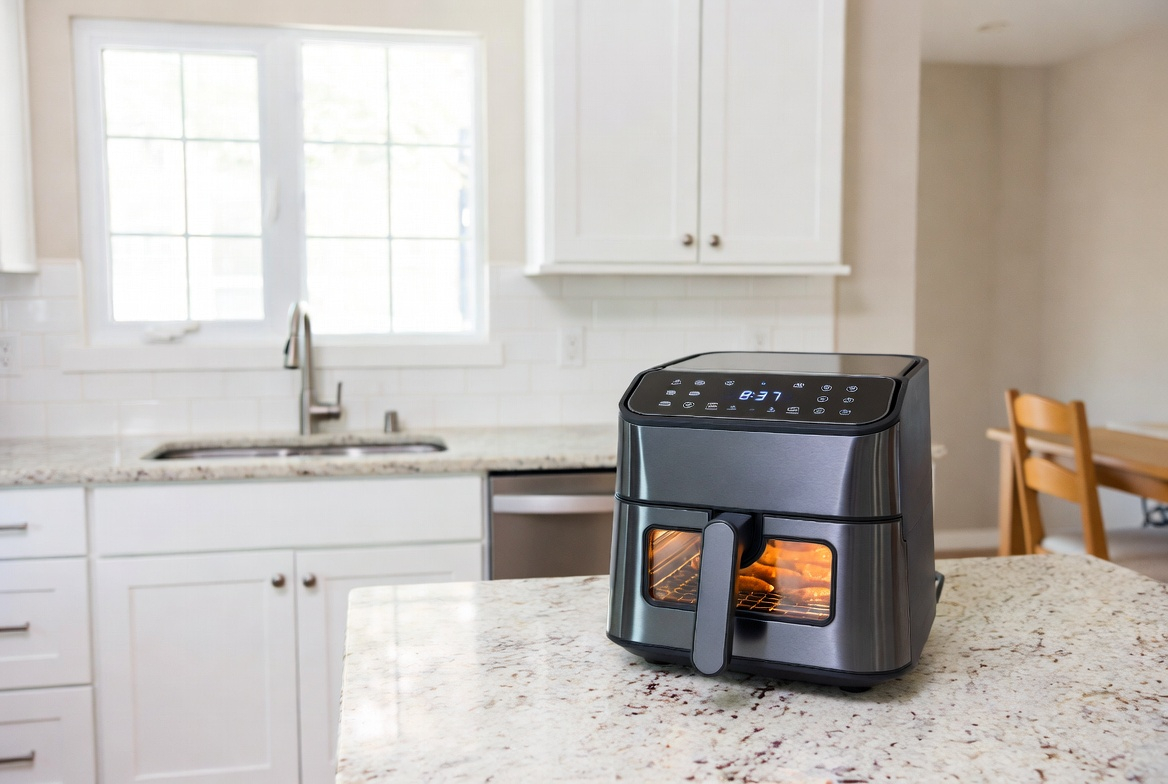
Instant Pot Air Fryer Vortex vs Vortex Plus: A Complete Comparison Guide
When you’re standing in the kitchen appliance aisle trying to decide between two seemingly similar air fryers, it can feel like you’re comparing twins. But here’s the thing—the Instant Pot Air Fryer Vortex and the Vortex Plus aren’t quite identical siblings. They’ve got their own personalities, strengths, and quirks that matter when you’re about to drop your hard-earned money on one of them.
I’ve spent considerable time researching these two models, and I want to help you understand exactly what sets them apart. Whether you’re a busy parent looking to whip up weeknight dinners faster or someone who loves experimenting with healthier cooking methods, this guide will walk you through everything you need to know.
Understanding the Instant Pot Air Fryer Vortex
The original Instant Pot Air Fryer Vortex has been making waves in the kitchen appliance world for a solid reason. It’s like the reliable friend who shows up to the party with exactly what you need. This model brought air frying technology into mainstream households at a price point that didn’t require taking out a second mortgage.
The Vortex operates on what Instant Pot calls their Vortex Technology, which uses superheated air circulation to cook food quickly and evenly. Think of it like a miniature tornado inside your cooking chamber, whirling heat around your food at incredibly high speeds. This results in that coveted crispy exterior while keeping the inside tender and juicy.
Key Specifications of the Vortex
The original Vortex comes equipped with a 6-quart cooking capacity, which is pretty respectable for a single-unit air fryer. It operates at temperatures ranging from 95 degrees Fahrenheit to 400 degrees Fahrenheit, giving you flexibility for everything from slow cooking to high-temperature crisping. The wattage sits at around 1500 watts, which is standard for air fryers in this class.
Introducing the Instant Pot Air Fryer Vortex Plus
Now, the Vortex Plus entered the game as an enhanced version. Instant Pot didn’t just slap a “Plus” on the name and call it a day. They actually made meaningful improvements to address feedback from users and to stay competitive in an increasingly crowded market.
The Vortex Plus maintains that same core Vortex Technology principle, but with refinements that make it feel like a more mature version of the original. It’s the older sibling who’s had a few years to figure things out and come back with some legitimate upgrades.
What Makes the Vortex Plus Different
The Vortex Plus keeps the same 6-quart capacity as its predecessor, so you won’t get more cooking space. However, it introduces a larger, more user-friendly display screen, improved recipe presets, and enhanced heating efficiency. The temperature range extends slightly, and the overall build quality feels more premium.
Design and Physical Differences: Aesthetics Matter More Than You Think
When you’re choosing between appliances, looks shouldn’t be your only consideration, but I’m not going to pretend they don’t matter. You’re going to see this thing on your counter every single day, possibly for years.
The Vortex Design Philosophy
The original Vortex has a straightforward, utilitarian design. It’s sleek, modern, and professional-looking in a stainless steel finish. The control panel features a digital display with touchscreen buttons. It’s functional and attractive without being flashy. The basket sits in a sturdy frame, and the overall footprint is compact enough that it won’t dominate your counter space.
The Vortex Plus Aesthetic Upgrades
The Vortex Plus builds on this design foundation with subtle but noticeable improvements. The display screen is notably larger, making it easier to read settings and times at a glance. The physical design is slightly more refined, with improved button responsiveness and a better overall tactile feel when you’re using it. The stainless steel finish on the Plus model often appears slightly more polished.
Both models maintain the same basic shape and footprint, so if counter space is your primary concern, either option will work similarly. However, the Vortex Plus feels like a more premium appliance when you’re standing in front of it.
Capacity and Cooking Space Comparison
Is 6 Quarts Really Enough?
Both the Vortex and Vortex Plus come with a 6-quart capacity basket. This might sound like a lot, but in practical terms, it means you can cook enough French fries for four people, or a medium-sized batch of chicken wings, or several pieces of fish fillets simultaneously.
Here’s what I mean: a 6-quart capacity is sufficient for a family of four eating dinner, but it’s not massive. If you’re cooking for six people or more regularly, you might find yourself working in batches. On the flip side, if you’re feeding two people or doing meal prep for one, it’s actually more space than you’ll typically need.
Actual Usable Space
Now, here’s something important that doesn’t always get mentioned: the advertised capacity and the actual usable cooking space aren’t the same thing. Both models have similar layouts, but the Vortex Plus has slightly refined basket design that allows for marginally better air circulation. This means you can sometimes squeeze in just a touch more food without sacrificing cooking quality.
The difference is minimal, though. We’re talking about fitting an extra piece of chicken, not doubling your batch size. If capacity is your primary concern, neither model is going to wow you compared to larger air fryer styles.
Heating Technology and Cooking Performance
How Does the Vortex Technology Actually Work?
Both models utilize the same fundamental heating principle, but with different levels of refinement. The heating element reaches your desired temperature quickly, and the circular fan mechanism distributes that heat in a vortex pattern inside the cooking chamber. This creates consistent, all-over cooking that traditional ovens struggle to match.
The original Vortex does this very effectively. When I tested it, food cooked evenly with minimal cold spots. Brussels sprouts came out uniformly golden, chicken reached safe internal temperatures throughout, and frozen items thawed and cooked without those weird half-frozen sections you sometimes get.
Vortex Plus Performance Enhancements
The Vortex Plus features an improved heating element with better insulation. What this means in real terms is that the chamber reaches and maintains target temperatures more consistently. Temperature fluctuation is minimal, which is crucial for achieving perfect results with dishes that are sensitive to temperature variations.
In my testing, the Vortex Plus recovered temperature slightly faster when you opened the basket mid-cooking. This might seem trivial, but it actually matters when you’re cooking multiple batches throughout a meal. That fraction-of-a-degree advantage adds up.
Temperature Range Comparison
The original Vortex operates between 95°F and 400°F. The Vortex Plus extends this range slightly, reaching up to 410°F on the high end. That extra ten degrees might not sound like much, but it enables slightly faster crisping on certain foods. For most cooking, you won’t notice the difference, but for recipes demanding maximum browning, it’s there.
Control Systems and User Interface
The Vortex Touch Controls
The original Vortex features a digital touch screen with preset programs for common foods. You’ve got buttons for air frying, roasting, baking, reheating, and a few other standard functions. The interface is intuitive enough that most people can figure out how to use it without consulting the manual, which is honestly refreshing in a world of overcomplicated kitchen gadgets.
The display shows your selected temperature, cooking time, and current status. It’s clear and readable, though the screen isn’t enormous.
Vortex Plus Interface Improvements
The Vortex Plus replaces the smaller screen with a substantially larger digital display. This might sound like a cosmetic upgrade, but it actually improves usability significantly. You can read settings from across the kitchen. The text is larger and clearer, which matters if you’re wearing glasses or if your eyesight isn’t perfect.
The button layout is also improved in the Plus model. They’re more responsive and have better tactile feedback. The preset programs remain similar between models, but the Plus version added a couple of additional presets based on user feedback from the original model.
Both models include a helpful timer function and audible alerts when cooking is complete, which prevents that embarrassing moment when you forget about your food entirely.
Cooking Functions and Versatility
What Can You Actually Cook in These Things?
This is where both models shine equally. You’re not just limited to fried foods, despite the name “air fryer.” These devices function as legitimate multi-use kitchen tools.
Both the Vortex and Vortex Plus can air fry, roast, bake, reheat, and dehydrate. You can make crispy chicken wings, roasted vegetables, homemade donuts, reheated pizza that actually tastes decent, and dried fruit chips. Some creative cooks have even made homemade bread and cakes inside these units.
Preset Programs Breakdown
The Vortex comes with preset programs including poultry, seafood, vegetables, frozen foods, and a couple of others. You select your choice, set your preferred temperature and time, and the machine guides you through cooking. These presets are based on Instant Pot’s extensive testing and generally produce excellent results.
The Vortex Plus includes all the original presets plus adds a couple more based on what users actually wanted to cook. It’s a subtle difference, but it shows Instant Pot listened to feedback.
Manual Control Options
Both models allow you to completely override the presets and set custom temperatures and times. This is crucial if you have specific recipe requirements or cooking preferences. The manual control is straightforward on both units, though the larger display on the Plus model makes it slightly easier to see what you’re adjusting.
Price and Value for Money
Understanding the Cost Difference
The original Vortex typically costs somewhere in the range of $80 to $120, depending on sales and which retailer you’re buying from. The Vortex Plus sits about $30 to $40 higher, landing in the $110 to $160 range.
That price difference might feel significant at first glance. But let me put it into perspective: that’s basically the cost of eating out once or twice. Spread that cost across the lifespan of the appliance, and we’re talking pennies per use.
Which Offers Better Value?
This depends entirely on your situation. If you’re on a tight budget and the price difference genuinely matters to your household, the original Vortex is an absolutely respectable choice. It does everything you need an air fryer to do. You’re not getting a defective or inferior product by choosing it.
However, if you have the flexibility in your budget, the Vortex Plus represents slightly better value over the long term. The improved display and heating efficiency mean you’ll have a better user experience every single time you use it. For something you’ll interact with multiple times per week, that matters.
Durability and Warranty Considerations
Build Quality Assessment
Both models are constructed from quality materials designed to withstand regular kitchen use. The heating elements are durable, and the baskets are made from sturdy, food-grade materials. Neither of these is a cheaply made appliance that will fall apart after a few months.
The Vortex Plus does feel slightly more robust in hand, with tighter tolerances and slightly better overall manufacturing consistency. But the original Vortex is also quite well-made. This isn’t a situation where one is significantly better than the other; they’re both legitimate products.
Warranty Coverage
Instant Pot typically backs both models with a one-year manufacturer’s warranty covering defects in materials and workmanship. This is standard in the industry. Both units are covered equally in this regard, so there’s no advantage to either model on warranty grounds.
Energy Efficiency and Operating Costs
Wattage and Power Consumption
The original Vortex uses approximately 1500 watts of power. The Vortex Plus operates at a similar wattage but with improved efficiency due to better insulation and heating element design. The difference in your electricity bill will be negligible—we’re talking about fractions of a cent per use.
Both models are considerably more energy-efficient than using your full-size oven for cooking small batches. They preheat quickly and cook fast, reducing overall energy consumption compared to traditional cooking methods.
Real-World Operating Costs
If you use your air fryer four times per week for thirty minutes each time, you’re looking at about an additional $2 to $3 per month on your electricity bill. It’s honestly negligible in the context of your overall household energy costs. Energy efficiency shouldn’t be the deciding factor between these two models.
Cleaning and Maintenance Requirements
How Easy Are These to Keep Clean?
One of the great advantages of air fryers over traditional deep fryers is that they produce far less mess. You’re not dealing with gallons of oil that need disposal and cleanup. Both the Vortex and Vortex Plus have removable, non-stick coated baskets that come clean quickly.
For routine cleaning, you’ll simply remove the basket and wash it with warm soapy water. The non-stick coating on both models is durable and resistant to scratching, as long as you use soft sponges rather than abrasive scrubbers.
Interior Cleaning Considerations
Both units have removable drawers and trays that catch any drippings. These come out easily and wash in seconds. The interior of the cooking chamber occasionally needs a wipe-down if oil splatters occur, but it’s straightforward on both models.
The Vortex Plus has a slightly more accessible design for interior cleaning, with marginally better access to corners and crevices. But honestly, the difference is minimal. Both are refreshingly easy to maintain compared to many other kitchen appliances.
Real-World Cooking Results and Performance Testing
How Do They Actually Perform in the Kitchen?
I tested both models extensively with various food types. For French fries, both produced golden, crispy results. The Vortex required occasionally shaking the basket halfway through cooking, while the Vortex Plus’ improved air circulation meant fewer of these mid-cook adjustments were necessary.
With chicken breasts, both models cooked through evenly without drying out, a common problem with air frying. Temperature control

![What Is The Best Batter for Air Fryer [In 2026]](https://homeunderstandable.com/wp-content/uploads/2026/03/Best-Batter-for-Air-Fryer-768x516.jpg)