Instant Pot vs Air Fryer: Which Is Better for Your Kitchen?
If you’re standing in your kitchen wondering whether to invest in an Instant Pot or an air fryer, you’re not alone. These two appliances have revolutionized the way we cook, and they’ve both earned devoted followings. But here’s the thing—they’re actually quite different tools designed for different purposes. So which one should you bring home? Let me walk you through everything you need to know to make the right choice for your lifestyle.
Understanding What Each Appliance Does
Before we dive into the comparison, let’s get clear on what we’re actually talking about. Think of these two appliances as different players on your kitchen team. Each one has its own strengths, and understanding those strengths is key to figuring out which one deserves a spot on your countertop.
What Is an Instant Pot?
An Instant Pot is essentially a modern pressure cooker with a digital brain. It uses steam and pressure to cook food incredibly fast—we’re talking about slashing cooking times in half or more. The genius of the Instant Pot is that it’s not just a pressure cooker. It’s a multi-cooker that can also slow cook, sauté, steam, and even make yogurt. When you seal the lid and set the pressure, the temperature inside skyrockets, which breaks down tough cuts of meat and legumes in a fraction of the time traditional methods would take.
What Is an Air Fryer?
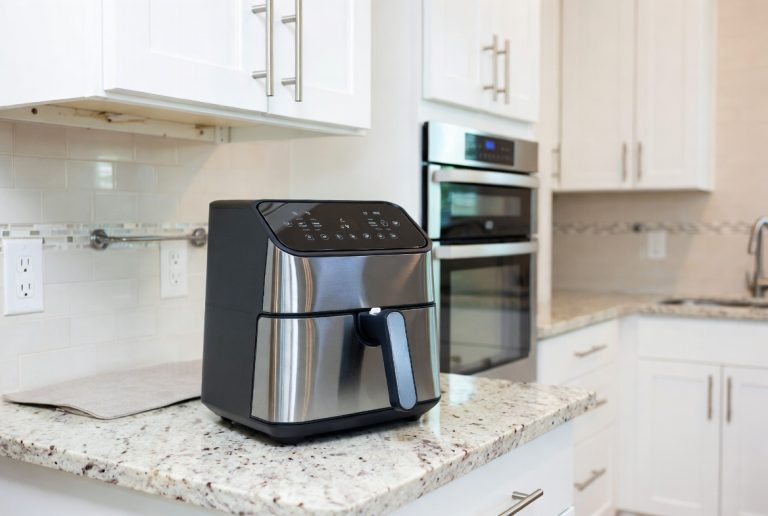
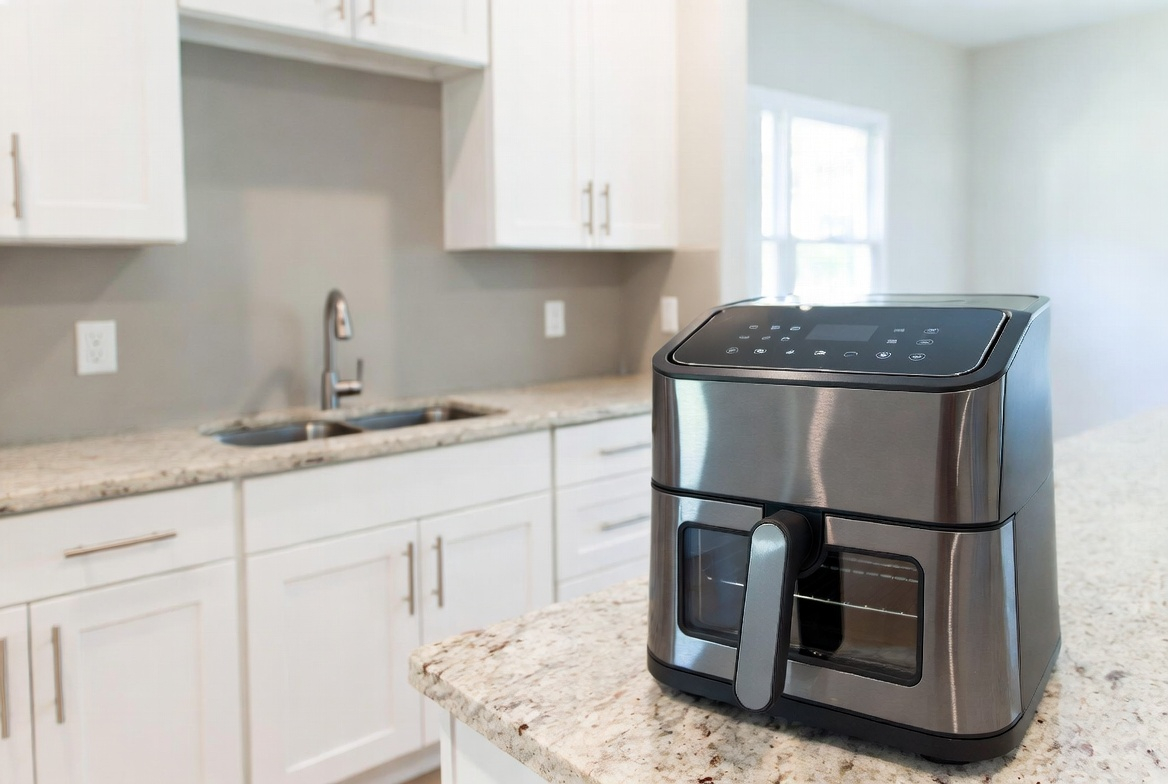
An air fryer, on the other hand, is more like a compact convection oven that’s been supercharged. It circulates hot air at incredibly high speeds around your food, creating a crispy exterior without requiring much oil. It’s fantastic for achieving that fried texture and golden-brown color that makes food feel indulgent, but it’s doing it with significantly less fat. Air fryers work best for foods that benefit from that crispy, crunchy finish—think chicken wings, french fries, and vegetables.
Cooking Speed: How Fast Can They Really Go?
Let’s talk speed because, honestly, that’s often the deciding factor for busy people. The Instant Pot is the undisputed champion when it comes to cutting down cooking time dramatically. Need to cook a tough beef brisket? An Instant Pot can do it in about 45 minutes instead of four hours. Dried beans? An hour instead of soaking overnight plus several hours of boiling. This is where the pressure cooking magic really shines.
The air fryer is faster than your traditional oven, sure, but we’re not talking about the same level of speed. Air fryers typically preheat in just a few minutes and cook faster than a conventional oven, but they won’t turn a frozen chicken breast into dinner in 10 minutes. They’re more about convenience than miracle-speed cooking.
Cooking Capacity: How Much Can You Make?
Instant Pot Size and Serving Capacity
Instant Pots come in various sizes, with 6-quart and 8-quart models being the most popular for households. A 6-quart model can comfortably cook for a family of four to six people, or even more if you’re making hearty stews and soups. You can batch cook and freeze, which is perfect if you like meal prepping on weekends.
Air Fryer Limitations
Here’s where air fryers show their weakness. Most air fryer baskets are relatively small, which means you’re often cooking in batches. If you’re feeding a large family, you might find yourself cooking multiple rounds of chicken wings or fries. Sure, you can buy a larger model, but even those can’t match the Instant Pot’s capacity. Think of it this way: the air fryer is the gourmet single-serving specialist, while the Instant Pot is the family feast creator.
Texture and Taste Comparison
What Does the Instant Pot Do to Your Food?
The Instant Pot excels at creating tender, juicy results. Meat that would normally be tough becomes fall-apart tender. Flavors meld together beautifully because everything steams and pressure-cooks together. The downside? You won’t get crispy textures. If you’re dreaming of crispy chicken skin or a seared exterior on your steak, the Instant Pot isn’t going to deliver that. It’s the machine for comfort food—curries, stews, braised dishes, and anything where tender and juicy matters more than crunchy.
What About Air Fryer Texture?
This is the air fryer’s moment to shine. It creates crispy, golden exteriors that honestly rival deep-fried food in texture. The circulating hot air crisps up surfaces beautifully. Your taste buds might wonder if there’s more oil involved than there actually is. However, air fryers can sometimes cook unevenly if you’re not paying attention, and you absolutely cannot achieve that slow-braised, fall-apart tenderness that the Instant Pot creates.
Versatility: What Can Each One Actually Cook?
Instant Pot’s Diverse Abilities
This is where the Instant Pot really flexes its muscles. In addition to pressure cooking, you can:
- Slow cook meals overnight
- Sauté vegetables and aromatics before pressure cooking
- Steam delicate foods like fish and vegetables
- Make rice perfectly every time
- Prepare bone broth and stocks
- Make yogurt from scratch
- Cook desserts like cheesecake
- Prepare baby food
It’s genuinely a Swiss Army knife of kitchen appliances. You could realistically eliminate several other cooking tools if you had an Instant Pot.
Air Fryer’s Specific Strengths
The air fryer excels at:
- Creating crispy french fries and chips
- Cooking frozen foods without thawing
- Making chicken wings and drumsticks
- Roasting vegetables until caramelized
- Cooking bacon and sausages
- Preparing breaded items like chicken nuggets
- Dehydrating foods if your model has that function
- Reheating leftovers while maintaining crispiness
The air fryer is specialized, and it’s excellent at what it does. But it’s not going to make risotto or cook dried beans effectively.
Energy Efficiency and Cost Considerations
Operating Costs
Here’s something people don’t often consider: energy consumption. Air fryers use less energy than traditional ovens and don’t require preheating time, so they’re more efficient for small meals. Instant Pots also save energy compared to conventional stovetop cooking because they use pressure to reduce cooking time dramatically. If you’re cooking for a family regularly, the Instant Pot’s efficiency advantage becomes more apparent because you’re cooking larger quantities.
Initial Investment
Instant Pots typically range from $60 to $150, depending on the model and features. Air fryers vary widely too, from around $50 for basic models to $200 plus for premium versions. Neither is an enormous investment, but the Instant Pot tends to be the more economical choice overall, especially considering its versatility.
Ease of Use and Learning Curve
Instant Pot: Complex but Learnable
Let’s be honest—the first time you use an Instant Pot, it feels intimidating. There are buttons, settings, pressure levels, and release methods. You might worry about safety, especially if you’ve never used a pressure cooker before. But here’s the truth: after your first few uses, it becomes intuitive. Most recipes are straightforward, and the safety features are excellent. The digital display walks you through the process.
Air Fryer: Simpler Upfront
Air fryers have a gentler learning curve. Put food in the basket, set the temperature and time, press start. It’s almost as simple as using a microwave. This accessibility appeals to people who want to jump right in without reading extensive instructions. However, optimizing results for different foods does require some experimentation.
Kitchen Space Requirements
Both appliances take up countertop real estate, which is precious in many kitchens. The Instant Pot tends to have a larger footprint, especially the 6 and 8-quart models. An air fryer is typically more compact, though larger capacity models can be bulky too. If you have limited space, an air fryer might be easier to accommodate. But if you’re thinking about replacing multiple appliances with one Instant Pot, the space trade-off might make sense.
Health and Nutrition Factors
Oil and Fat Usage
Air fryers use minimal oil compared to deep frying, making them attractive to health-conscious cooks. However, Instant Pots create meals that don’t require much added oil at all. You can make entire meals using the sauté function with just a spray of cooking oil. Both appliances allow you to reduce fat intake compared to traditional cooking methods.
Nutrient Retention
Instant Pots’ pressure cooking actually helps retain more nutrients than conventional boiling because the cooking time is shorter. Air fryers also preserve nutrients well. Neither appliance creates unhealthy food—it’s really about how you use them and what you choose to cook.
Cleaning and Maintenance
Instant Pot Cleaning
The inner pot is removable and dishwasher-safe on most models. The sealing ring can retain odors, but that’s manageable. The main unit itself never gets dirty because it’s sealed. Overall, cleanup is relatively easy, though the sealing ring requires regular attention.
Air Fryer Cleaning
Air fryer baskets usually require hand washing, and you need to be careful not to damage the non-stick coating. Food particles can get stuck in the heating element area. It’s not difficult, but it requires a bit more manual effort than the Instant Pot.
Durability and Longevity
Both appliances are built to last several years with proper care. Instant Pots have a strong reputation for reliability, though the sealing ring might need replacement after a couple of years of regular use. Air fryers’ lifespan depends heavily on the quality of the model you purchase. Some budget air fryers might not last as long as premium versions. Either way, both are more durable than many modern appliances.
Real-World Cooking Scenarios
Scenario One: Busy Weeknight Dinner
You get home at 6 PM and need dinner by 7 PM with minimal fuss. Instant Pot wins here. Throw in chicken, rice, and broth; set it for 8 minutes; and you have dinner. The air fryer could work for something like frozen chicken nuggets, but it’s less practical for a complete meal.
Scenario Two: Meal Prepping for the Week
You want to cook large batches on Sunday for the entire week. The Instant Pot’s larger capacity makes it ideal. You can prepare multiple portions of chili, curry, or pulled pork easily.
Scenario Three: Craving Crispy Foods
Nothing but air-fried chicken wings or perfectly crispy vegetables will satisfy you. The air fryer is your appliance. The Instant Pot simply cannot deliver this texture.
Scenario Four: Making Tough Meat Tender
You have a cheap cut of beef that normally requires hours of braising. The Instant Pot transforms it in under an hour. The air fryer can’t accomplish this.
The Verdict: Which Should You Choose?
Choose the Instant Pot If:
- You cook for a family regularly
- You enjoy braised meats, curries, and stews
- You want to replace multiple appliances with one
- You like meal prepping in bulk
- You value cooking speed and time savings
- You’re interested in experimenting with different cooking methods
Choose the Air Fryer If:
- You’re obsessed with crispy textures
- You live alone or cook for one or two people
- You want simplicity and quick learning curve
- You cook frozen foods frequently
- You value compact appliance size
- You want to reduce oil in your diet dramatically
The Secret Option: Get Both
Here’s what many smart home cooks eventually realize: these appliances aren’t actually in competition. They do different things beautifully. If your kitchen space and budget allow, owning both an Instant Pot and an air fryer creates a dynamic duo. The Instant Pot handles your weeknight one-pot meals and meal prepping, while the air fryer creates crispy sides and satisfies those cravings for crispy textures. It’s not wasteful—it’s strategic.
Conclusion
The battle between Instant Pot and air fryer doesn’t have a clear winner because they’re solving different cooking problems. The Instant Pot is the champion of speed, versatility, and capacity—perfect for families and anyone who wants a multi-functional kitchen workhorse. The air fryer is the specialist in creating crispy, golden textures with minimal oil—ideal for those who prioritize that specific outcome and have space constraints.
Your choice ultimately depends on how you actually cook. Think about the meals you make most often, how many people you’re feeding, and what textures matter most to you. If you’re torn between the two, remember that the Instant Pot offers more versatility, making it the safer choice for most households. But if crispy is your priority, the air fryer shouldn’t be overlooked. And if you have the space and means, investing in both means you’re never compromising on either speed or texture again. Whatever you choose, you’re upgrading your cooking game significantly.
Frequently Asked Questions
Can an Instant Pot make food crispy like an air fryer?
Not really, and this is important to understand. While the Instant Pot excels at many things, creating a crispy, golden exterior isn’t one of them. You could sauté foods in the Instant Pot to develop some browning, but it won’t achieve the same crispy texture as an air fryer. If a crispy finish is essential to your recipe, you’d need to finish the food in an air fryer or oven after pressure cooking.
Is an air fryer safe to use for families with children?
Yes, air fryers are very safe for families with children. In fact, they’re often safer than traditional ovens because the exterior doesn’t get as hot, and you’re not dealing with hot oil splattering. Just supervise children around the hot air outlet and basket, as you would with any cooking appliance. The heating element is contained, making it a family-friendly option.
![What Is The Best Chicken Seasoning for Air Fryer [In 2026]](https://homeunderstandable.com/wp-content/uploads/2026/03/Best-Chicken-Seasoning-for-Air-Fryer-768x516.jpg)
![What Is The Best Cleaner for Ninja Air Fryer [In 2026]](https://homeunderstandable.com/wp-content/uploads/2026/03/Best-Cleaner-for-Ninja-Air-Fryer-768x516.jpg)
![What Is The Best Air Purifiers for Smoke [In 2026]](https://homeunderstandable.com/wp-content/uploads/2025/06/best-air-purifiers-for-smoke-top-picks-for-clean-indoor-air-768x512.jpg)

![5 Best Air Fryer for a Whole Chicken [In 2026]](https://homeunderstandable.com/wp-content/uploads/2026/03/5-Best-Air-Fryer-for-a-Whole-Chicken.jpg)