

Instant Pot vs Crock Pot vs Air Fryer: The Complete Comparison Guide
Are you standing in the kitchen appliance aisle, completely overwhelmed by the endless options for modern cooking gadgets? You’re not alone. The rise of countertop cooking devices has transformed how we prepare meals, but choosing between an Instant Pot, Crock Pot, and air fryer can feel like you need a culinary degree just to make an informed decision.
Think of it this way: each of these appliances is like a different tool in your kitchen toolbox. A hammer is excellent for driving nails, but you wouldn’t use it to tighten a screw. Similarly, each cooking device excels in different situations. Today, I’m going to walk you through everything you need to know so you can confidently choose which appliance—or combination of appliances—belongs in your kitchen.
Understanding the Three Kitchen Powerhouses
Before we dive into the nitty-gritty comparisons, let’s establish what each device actually does. This foundation will help you understand why certain appliances work better for specific cooking tasks.
What Exactly is an Instant Pot?
The Instant Pot revolutionized home cooking when it hit the market. It’s essentially an electric pressure cooker that can also function as a slow cooker, rice cooker, steamer, and sauté pan all rolled into one device. Imagine having a sous chef who understands the science of pressure cooking and can adjust cooking times accordingly.
The magic happens because pressure cookers work by trapping steam inside a sealed pot, which increases the internal pressure and raises the boiling point of water. This means food cooks significantly faster than traditional methods. An Instant Pot typically has multiple cooking programs, each designed for different types of ingredients.
What is a Crock Pot and How Does It Work?
The Crock Pot, often used interchangeably with the term “slow cooker,” operates on a completely different principle. Instead of using pressure, it cooks food low and slow over several hours. It’s like letting time do the work for you rather than applying intense heat.
These appliances typically have two heat settings: low (around 190 degrees Fahrenheit) and high (around 280 degrees Fahrenheit). The heating element wraps around the ceramic pot, distributing heat evenly. This gentle, prolonged cooking method breaks down tough cuts of meat and allows flavors to meld together beautifully.
Understanding Air Fryer Technology
Air fryers have taken the cooking world by storm in recent years, and for good reason. They circulate extremely hot air at high speeds around your food, creating a crispy exterior without deep frying in oil. It’s similar to what happens in a convection oven but on a smaller, more intense scale.
Most air fryers operate between 300 and 400 degrees Fahrenheit and feature a timer that lets you control cooking duration precisely. The result? Crispy, delicious food with significantly less oil than traditional frying methods.
Cooking Speed: How Fast Does Each Appliance Really Cook?
When you’re hungry and pressed for time, speed matters. Let’s examine how these three appliances stack up in the speed department.
Instant Pot’s Rapid Cooking Performance
The Instant Pot is the speed champion among these three appliances. A pot roast that would take eight hours in a Crock Pot can be ready in about 45 minutes in an Instant Pot. Dried beans transform from hard pellets to tender, creamy morsels in roughly 30 minutes without pre-soaking.
However, don’t forget about the pressurization time. When you first start the Instant Pot, it needs several minutes to build pressure before cooking even begins. Similarly, it takes a few minutes to depressurize at the end. So while the actual cooking is lightning-fast, the total time from start to finish includes these additional phases.
Crock Pot’s Leisurely Approach
The Crock Pot is definitely the tortoise in this race. Most recipes require 4 to 10 hours of cooking time. This isn’t a weakness, though—it’s actually the Crock Pot’s greatest strength for certain situations. You can throw ingredients into the pot in the morning and return home to a complete meal waiting for you.
This makes the Crock Pot perfect for busy professionals, parents juggling multiple responsibilities, or anyone who wants a hassle-free dinner solution. The extended cooking time also intensifies flavors and makes even the toughest cuts of meat fall apart.
Air Fryer’s Quick Cooking Advantage
Air fryers occupy a middle ground for speed. Most foods cook in 15 to 30 minutes, making them significantly faster than Crock Pots but sometimes slower than Instant Pots (especially when you factor in pressurization time). Frozen french fries become golden and crispy in about 15 minutes, while chicken breasts cook through in roughly 12 minutes.
The real advantage of air fryers is their instant-readiness. You don’t need to wait for pressure to build or monitor slow cooking. You preheat for a few minutes, add your food, and start cooking right away.
Food Quality and Taste Comparison
Speed means nothing if the food doesn’t taste amazing. Let’s explore how the quality of food differs across these appliances.
Instant Pot Food Texture and Flavor
Instant Pots create incredibly tender results, especially for braised dishes and stews. The pressure cooking method rapidly breaks down connective tissues and collagen in meats, resulting in fork-tender results. Vegetables retain more of their vitamins compared to traditional boiling methods because the cooking time is shorter.
The potential drawback? Some people feel that Instant Pot cooking doesn’t develop deep, complex flavors the way slow cooking does. The quick cooking process doesn’t always allow layers of flavor to fully meld. That said, using the sauté function before or after pressure cooking can enhance flavor development significantly.
Crock Pot’s Flavor Development Excellence
This is where Crock Pots truly shine. The extended, gentle heat allows flavors to intensify and marry together beautifully. Aromatics like onions and garlic break down completely, creating rich, savory bases. The slow evaporation of moisture concentrates flavors naturally, without any added effort on your part.
However, Crock Pot cooking can sometimes result in mushy vegetables if you’re not careful about timing. Adding delicate vegetables near the end of cooking helps preserve their texture and appearance.
Air Fryer’s Textural Superiority
If crispy, golden exteriors are your goal, the air fryer is unbeatable. It creates a Maillard reaction—that delicious browning that happens when proteins and sugars interact under high heat—without any deep frying. Foods maintain their moisture inside while becoming crispy outside, like magic.
The limitation is that air fryers excel specifically at foods that benefit from crispiness. Soups, stews, and other liquid-based dishes simply don’t work well in an air fryer. You’re also limited by the size of the cooking basket, so preparing for a large family meal might require cooking in batches.
Energy Efficiency and Operating Costs
Your electricity bill and environmental impact are valid considerations when choosing a kitchen appliance.
Comparing Energy Consumption
Crock Pots are remarkably energy-efficient. They operate at low power and use less electricity than most appliances in your kitchen. Running a Crock Pot on low for eight hours typically costs just a few cents in electricity.
Instant Pots use more energy because they operate at higher temperatures and need to pressurize the pot. However, because cooking times are dramatically shorter, the overall energy consumption per meal might actually be comparable to or lower than a Crock Pot.
Air fryers use the most energy per cooking session because they operate at very high temperatures. However, their short cooking times mean the total duration of energy use is minimal. For single-meal preparation, an air fryer might use similar amounts of energy to an Instant Pot.
Versatility: What Can Each Appliance Actually Cook?
The foods you enjoy eating should heavily influence your purchase decision. Let’s break down what each appliance does best.
Instant Pot Versatility Overview
This device truly is the Swiss Army knife of the kitchen. You can pressure cook proteins and vegetables, slow cook entire meals, sauté ingredients, steam dumplings, cook rice perfectly, make yogurt, and even prepare desserts in some models. The versatility is genuinely impressive.
- Pressure cooking: meats, vegetables, legumes, pasta
- Slow cooking: stews, chilis, roasts
- Sautéing: building flavor bases before pressure cooking
- Steaming: vegetables, seafood, dumplings
- Rice cooking: perfect rice every single time
- Yogurt making: fermentation for homemade yogurt
Crock Pot’s Cooking Specialty
The Crock Pot is specifically designed for slow cooking, and that’s its primary strength. It’s absolutely unmatched for preparing:
- Tender braised meats and roasts
- Hearty stews and soups
- Chili and bean dishes
- Pulled pork and chicken
- Warm dips and appetizers
- Desserts like brownies and cakes
Some advanced Crock Pot models can sauté and pressure cook, but they’re not as refined at these functions as dedicated Instant Pots.
Air Fryer’s Specialized Cooking Purpose
Air fryers excel at creating crispy foods quickly. This includes:
- French fries and potato chips
- Chicken wings and drumsticks
- Fish and seafood
- Vegetables like broccoli and Brussels sprouts
- Breaded or battered items
- Reheating leftover fried foods
- Cookies and donuts
While versatile within its niche, the air fryer isn’t the right tool for soups, stews, or dishes requiring liquid cooking.
Countertop Space and Storage Considerations
Unless you have a kitchen the size of a professional restaurant, countertop real estate is precious. Let’s discuss the physical footprint of each appliance.
Instant Pot Dimensions and Storage
An Instant Pot typically measures about 14 inches in diameter and 8 inches in height, taking up moderate counter space. Because it performs multiple functions, it potentially replaces several other appliances, which actually saves space overall. Many people keep their Instant Pot on the counter permanently because they use it frequently.
Crock Pot Size Footprint
Crock Pots range significantly in size, from 2-quart compact models to massive 6-quart family-sized versions. A standard 4-quart Crock Pot is roughly 14 inches long and 8 inches deep, comparable to an Instant Pot. However, Crock Pots come in slimmer profiles, so they might fit better in tight spaces. Many people keep their Crock Pot permanently out because it’s used regularly.
Air Fryer’s Spatial Demands
Air fryers vary considerably in size. Compact models measuring 8 by 9 inches can fit easily into tight spaces, while large-capacity models can consume nearly as much space as a Crock Pot. The height can sometimes be the limiting factor, as taller models might not fit under low cabinets.
Price Point and Long-Term Value
Let’s talk money, because budget affects which appliance makes sense for your household.
Instant Pot Investment Cost
Quality Instant Pots range from about $60 for basic models to $150 for premium versions with additional features. Given the versatility and the fact that it can replace several appliances, many people consider this a worthwhile investment. It’s a one-time purchase that will likely last for years.
Crock Pot Pricing
Crock Pots are remarkably affordable, with basic models starting around $25 to $35 for small capacity and budget-friendly options. Even premium Crock Pots with additional features rarely exceed $80. This makes the Crock Pot an excellent entry-level option if you’re uncertain about slow cooking but want to try it.
Air Fryer Cost Analysis
Air fryers range from roughly $50 for compact models to $200 for larger, feature-rich versions. Mid-range air fryers in the $80 to $120 range generally offer the best value. Because air fryer technology is relatively straightforward, expensive models aren’t necessarily superior to more affordable options.
Safety Features and Ease of Use
An appliance that’s difficult or dangerous to use won’t get used, regardless of how excellent the results are.
Instant Pot Safety and Learning Curve
Modern Instant Pots include multiple safety features, including pressure release valves, locking lids, and automatic shut-off functions. The learning curve can be steeper for beginners because understanding pressure cooking principles is important. However, most modern Instant Pots have preset programs that remove much of the guesswork.
The searing hot steam released during depressurization requires caution and respect, though the lid locks until pressure is safely released.
Crock Pot User-Friendliness
The Crock Pot is incredibly simple to use. Throw ingredients in, set the temperature, and wait. There’s virtually no learning curve, and safety concerns are minimal since there’s no pressurization involved. This makes it perfect for beginners or anyone who prefers simplicity.
Air Fryer Operational Ease
Air fryers are straightforward to operate. Most models simply require setting the temperature and time, with clear digital displays or buttons. Safety is high since the heating element is isolated from the basket. The biggest challenge is remembering to shake food halfway through cooking for even browning.
Cleaning and Maintenance Requirements
The easiest appliance to clean is the one you’ll actually use more often.
Instant Pot Cleaning Process
The stainless steel interior of most Instant Pots is easy to wipe clean. The rubber sealing ring can absorb strong odors and occasionally needs replacing. The pressure release valve sometimes needs soaking to clear mineral deposits. Most removable parts are dishwasher-safe, making maintenance convenient.
Crock Pot Maintenance
Crock Pots are exceptionally easy to clean. The ceramic insert comes out and can be washed in the dishwasher or by hand. The main pot base simply needs occasional wiping. There are virtually no complex components to maintain, making long-term upkeep virtually hassle-free.
Air Fryer Care and Cleaning
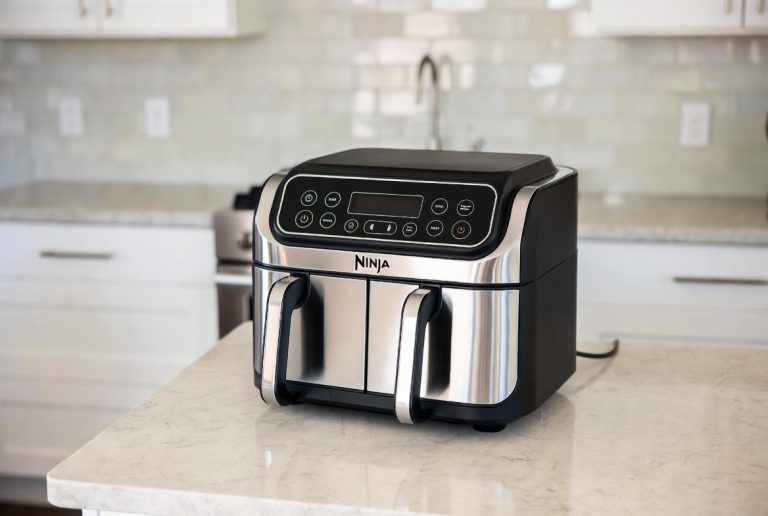
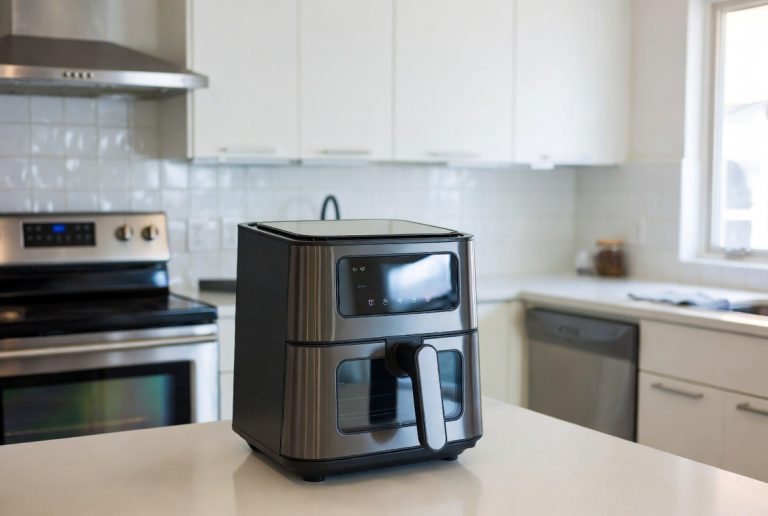
Air fryer baskets can be easy or difficult to clean depending on the model. Removable baskets are convenient, while baskets attached to the drawer can be trickier.
![5 Best Air Fryer for Cooking a Whole Chicken [In 2026]](https://homeunderstandable.com/wp-content/uploads/2026/03/5-Best-Air-Fryer-for-Cooking-a-Whole-Chicken-768x516.jpg)

![5 Best Air Fryer for Chips [In 2026]](https://homeunderstandable.com/wp-content/uploads/2026/03/5-Best-Air-Fryer-for-Chips-768x516.jpg)
![What Is The Best Cookbooks for Air Fryers [In 2026]](https://homeunderstandable.com/wp-content/uploads/2026/03/Best-Cookbooks-for-Air-Fryers-768x516.jpg)