Microwave vs Air Fryer Health: Which One Is Better for Your Family?
When it comes to preparing meals quickly, two kitchen appliances have completely transformed how we cook: the microwave and the air fryer. But here’s the question that keeps many health-conscious home cooks awake at night—which one is actually better for your health? If you’re standing in front of your kitchen wondering whether to reheat last night’s chicken in your microwave or pop it into your air fryer, you’re not alone. Let me walk you through everything you need to know to make an informed decision.
Understanding the Basics: How Each Appliance Works
The Microwave: A Quick Overview
Think of a microwave as a radiation wizard—but don’t let that word scare you. Microwaves use electromagnetic radiation at a specific frequency to agitate water molecules in your food, creating heat from the inside out. It’s like having thousands of tiny vibrating particles that generate warmth almost instantaneously. This is why your coffee goes from cold to piping hot in just 60 seconds. The radiation used in microwaves is non-ionizing, meaning it doesn’t have enough energy to remove electrons from atoms and create harmful charged particles.
The Air Fryer: The New Kid on the Block
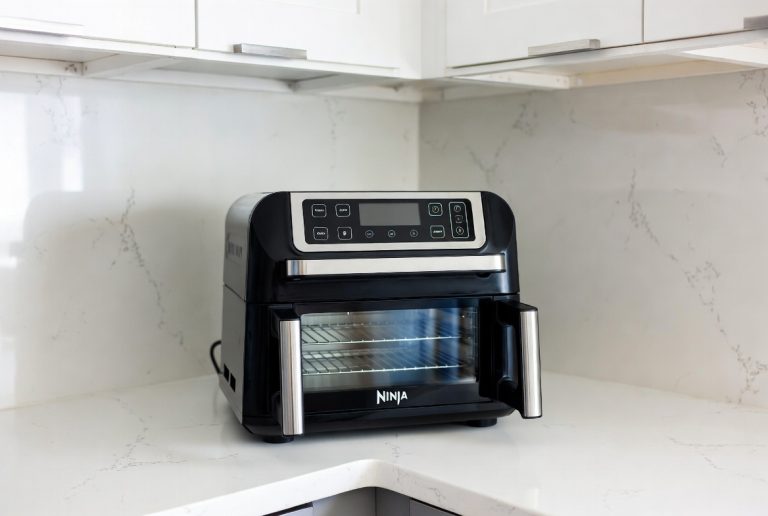
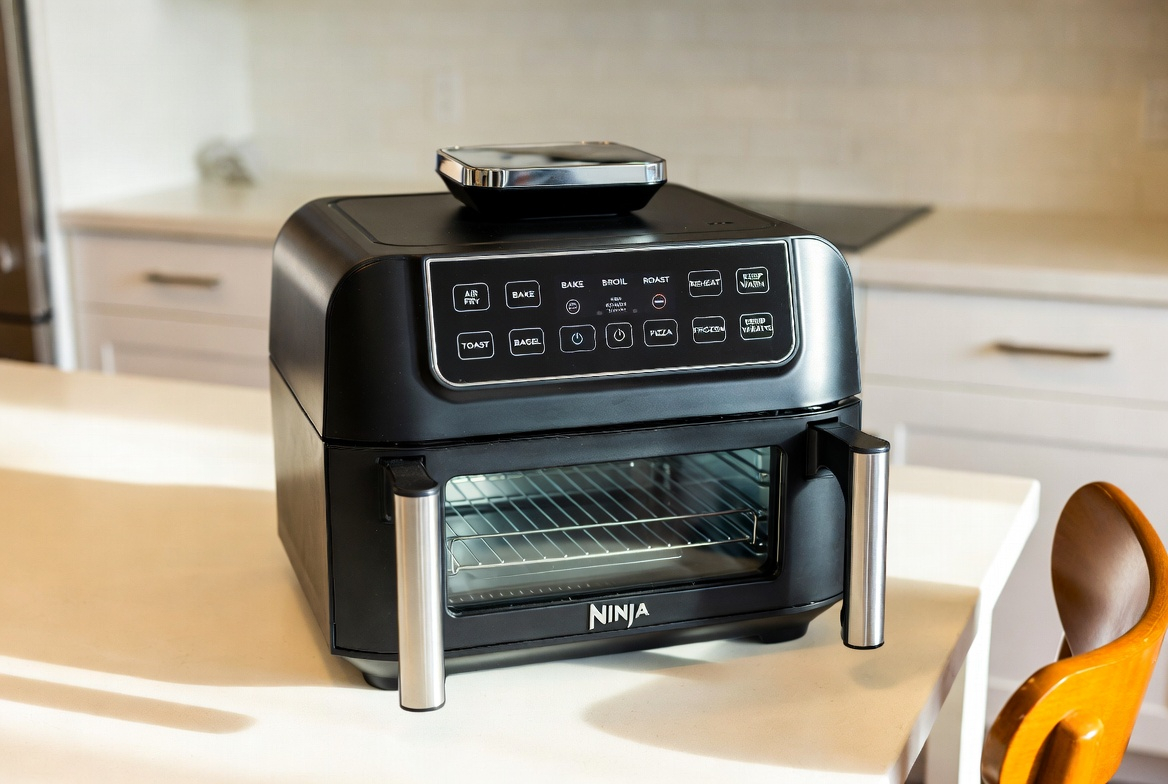
Air fryers, on the other hand, work by circulating extremely hot air at high speeds around your food. Imagine standing in front of a powerful hair dryer, except the air is heated to around 350 to 400 degrees Fahrenheit. This rapid air circulation creates a crispy exterior through a process called the Maillard reaction, which is the same browning effect you get from traditional deep frying. The difference? You’re using little to no oil, which is where the health benefits come in.
Nutritional Impact: What Happens to Your Food?
How Microwaves Affect Food Nutrients
Here’s something that might surprise you: microwaving doesn’t destroy more nutrients than other cooking methods. In fact, research suggests that microwaving often preserves more vitamins and minerals than conventional cooking because it uses shorter cooking times and less water. When you boil vegetables, nutrients leach into the water. When you microwave them with minimal water, you’re essentially trapping those nutrients inside the food where they belong.
The key factor isn’t the microwave itself, but how you’re using it. If you’re microwaving vegetables with a little bit of water in a covered container, you’re doing better than you might think. If you’re microwaving a frozen dinner that’s loaded with sodium and preservatives, well, that’s a different story entirely.
How Air Fryers Affect Food Nutrients
Air fryers maintain nutrients similarly to microwaves because they cook food quickly without requiring additional water. The main nutritional advantage of air fryers isn’t about nutrient preservation—it’s about what you’re NOT adding to your food. Because air fryers require little to no oil, you’re eliminating a significant source of added calories and fat. A portion of air-fried chicken wings contains vastly fewer calories than the same portion deep-fried in oil.
Calorie and Fat Content Comparison
The Oil Question: Where Air Fryers Win
This is probably the most significant health difference between these two appliances. Microwaves don’t add any oil to your food unless you’re already using it in your recipe. Air fryers dramatically reduce the amount of oil needed compared to traditional frying methods. When you deep fry something, the food absorbs oil like a sponge absorbs water. An air fryer can produce similarly crispy results with just a light spray or even a tablespoon of oil instead of cups.
- Traditional deep-fried chicken breast: approximately 320 calories and 17 grams of fat
- Air-fried chicken breast: approximately 180 calories and 4 grams of fat
- Microwaved chicken breast: approximately 165 calories and 3.6 grams of fat
As you can see, both microwaving and air frying significantly reduce the calorie and fat content compared to traditional frying. The difference between microwave and air fryer is minimal in terms of calories, but air fryers give you that satisfying crunch that microwaves simply cannot deliver.
Cooking Oil Considerations
When you do use oil in an air fryer, the type matters. High-heat cooking oils like avocado oil or refined coconut oil are better choices than oils with lower smoke points. When oil exceeds its smoke point, it can produce harmful compounds. Since air fryers reach temperatures between 350 and 400 degrees Fahrenheit, choosing the right oil becomes important if you want to maximize health benefits.
Harmful Compounds: Acrylamide and Beyond
Understanding Acrylamide Formation
Let’s talk about something that gets a lot of attention in cooking discussions: acrylamide. This is a chemical compound that forms when certain foods are cooked at high temperatures, particularly starchy foods. When you toast bread or fry potatoes until they’re golden brown, you’re creating acrylamide. The question is whether this matters for your health.
Both air fryers and microwaves can produce acrylamide, but they do it in different ways. Air fryers produce it because they use high-heat cooking that creates that desirable browning. Microwaves are less likely to produce it because they cook at lower temperatures without that browning effect. However, the amounts produced in home cooking are generally considered safe by most regulatory agencies, including the FDA.
Other Potential Compounds
When food is cooked at very high temperatures, other compounds like heterocyclic amines (HCAs) and polycyclic aromatic hydrocarbons (PAHs) can form. These are of greater concern with charring and smoking during grilling or broiling. Air fryers produce these in much lower quantities than outdoor grilling because there’s no charring or smoke. Microwaves, heating food through radiation rather than high-heat browning, produce even less.
Speed and Convenience: How They Stack Up
Microwave Convenience Factor
Microwaves are unbeatable when it comes to speed and simplicity. Need to heat up coffee? Done in 90 seconds. Defrost chicken? Twenty minutes. The microwave is the ultimate convenience appliance, and when you’re busy and stressed, choosing the quickest cooking method might actually support better health choices overall. After all, if cooking takes too long, you’re more likely to order takeout.
Air Fryer Time Requirements
Air fryers take longer than microwaves—typically 15 to 25 minutes depending on what you’re cooking. However, they’re significantly faster than conventional ovens. The tradeoff is that while air fryers take more time than microwaves, they produce food with better texture and taste, which might lead to greater satisfaction and less likelihood of reaching for unhealthy snacks later.
Food Quality and Satisfaction
Texture and Taste Matters for Health
Here’s something often overlooked in health discussions: food satisfaction affects long-term health outcomes. If you air fry chicken and it comes out crispy and delicious, you feel satisfied. If you microwave it and it comes out rubbery and unappetizing, you might feel unsatisfied and crave something else. This psychological aspect of eating shouldn’t be underestimated.
When food tastes good and has appealing texture, you’re more likely to stick with your healthy eating goals. An air-fried meal that you genuinely enjoy might be better for your overall health than a technically “healthier” microwaved meal that leaves you feeling deprived.
Microwaved Food Quality Issues
Microwaves have their drawbacks when it comes to food quality. They can create hot spots where some food is scalding while other parts remain cold. They can make vegetables soggy and proteins tough. These texture problems don’t make microwaved food unhealthy, but they do affect how satisfying it is to eat.
Safety Concerns and Myths
Debunking Microwave Radiation Fears
One of the biggest health concerns people have about microwaves is the radiation. Let me be absolutely clear: microwave radiation is not the same as nuclear radiation or X-rays. It’s non-ionizing radiation, meaning it doesn’t damage DNA or create radioactive particles. The radiation stays inside the microwave when you close the door, protected by a metal mesh screen. Your food doesn’t become radioactive. This is scientific fact, not opinion.
Air Fryer Safety Considerations
Air fryers don’t present radiation concerns, but they do get extremely hot. Burns are the primary safety risk, particularly for homes with children. Neither appliance is inherently unsafe when used according to instructions, but both require basic safety awareness.
Cost-Benefit Analysis for Health
Initial Investment and Long-Term Savings
Air fryers typically cost between $50 and $200 depending on brand and capacity. Microwaves vary similarly in price. For health purposes, consider what the appliance enables you to do. An air fryer might cost more upfront but could save you money long-term by making home-cooked healthy meals more appealing than takeout. A microwave is cheaper and essential for most households.
If you’re asking which one to buy from a health perspective, the answer depends on your current eating habits. If you regularly order fried foods, an air fryer could genuinely improve your health outcomes. If you’re already eating well and just need quick reheating, a microwave is perfectly fine.
Specific Foods: How Each Appliance Handles Them
Vegetables
For fresh vegetables, steaming in a microwave with minimal water preserves nutrients excellently. Air frying vegetables creates delicious caramelization but requires oil. The microwave edges out the air fryer for vegetable nutrition, but air frying might make vegetables so tasty that you eat more of them—which could be the bigger health win.
Proteins
Both methods cook proteins adequately. Microwaving can make proteins tough if you’re not careful with timing. Air frying produces better texture and satisfaction. For health purposes, neither method is superior nutritionally, but the superior taste of air-fried protein might support better eating habits.
Grains and Starches
Microwaving rice or grains works perfectly fine and preserves nutrients. Air frying starchy foods produces acrylamide through browning, though in amounts generally considered safe. If you’re microwaving potatoes, you’ll get better nutrition. If you’re air frying them for occasional treats, that’s perfectly healthy in moderation.
Environmental and Practical Considerations
Energy Consumption
Microwaves are significantly more energy-efficient than air fryers. They use less electricity and cook faster, reducing overall energy consumption. If environmental impact influences your health decisions, microwaves have the advantage.
Cleanup and Time Investment
Microwaves require minimal cleanup. Air fryer baskets need washing after each use. For busy people, the additional cleanup time for air fryers might be a factor in choosing a microwave instead.
Making Your Decision: Which Appliance Is Right for You?
Choose a Microwave If:
- You prioritize speed and convenience above all else
- You’re on a tight budget
- You have limited kitchen space
- You primarily need to reheat or defrost food
- You want the most energy-efficient option
- You’re already eating well and don’t struggle with fried food cravings
Choose an Air Fryer If:
- You regularly eat fried foods and want to reduce oil consumption
- You struggle with food satisfaction and texture matters to you
- You enjoy cooking and have time for meal preparation
- You want to improve your overall diet by making healthy food taste better
- You have space for another appliance
- You want to reduce calorie and fat intake from crispy foods
The Best Approach: Why Not Both?
Here’s the truth that many health experts would agree with: you don’t have to choose between them. The best kitchen includes both a microwave for quick reheating and an air fryer for creating delicious healthy meals. They serve different purposes and complement each other perfectly. A microwave handles quick tasks while an air fryer helps you prepare meals that satisfy cravings in healthier ways.
Conclusion
When it comes to microwave versus air fryer health benefits, there’s no clear winner because they’re designed for different purposes. Microwaves excel at speed, energy efficiency, and nutrient preservation through quick cooking times. Air fryers excel at reducing oil consumption, improving food satisfaction through superior texture, and potentially supporting long-term healthy eating habits by making nutritious food more appealing.
From a purely nutritional standpoint, both appliances preserve most food nutrients effectively. The real health differences come down to how much oil you’re consuming and whether the appliance helps you stick to your healthy eating goals. An air fryer that makes you excited about eating grilled vegetables might actually be better for your health than a microwave that leaves you unsatisfied and reaching for unhealthy alternatives.
The healthiest choice isn’t necessarily about which appliance you use—it’s about using whichever tool helps you prepare whole foods consistently and enjoy eating them. Whether that’s a quick microwave meal or a satisfying air-fried dinner matters less than making sure you’re eating well overall. Consider your lifestyle, your eating habits, and what will realistically help you make better food choices. That’s the appliance for you.
Frequently Asked Questions
Is microwave cooking completely safe for your health?
Yes, microwave cooking is completely safe. The radiation used in microwaves is non-ionizing, meaning it cannot damage DNA or make food radioactive. Microwaves are carefully designed with safety features that prevent radiation from escaping. Decades of research and billions of daily microwave uses worldwide have found no health risks associated with properly functioning microwaves. The FDA regulates microwave safety in the United States, and they remain one of the safest cooking methods available.
Can air fryers produce dangerous levels of acrylamide?
While air fryers do produce acrylamide through high-heat cooking, the amounts are generally considered safe by regulatory agencies like the FDA and the European Food Safety Authority. The key is avoiding excessive browning or charring. Cook foods until they’re golden brown rather than dark brown, avoid extreme temperatures when possible, and ensure proper ventilation in your kitchen. The occasional consumption of foods with acrylamide produced through air frying poses no significant health risk for most people.
Which appliance is better for reheating leftovers?
The microwave is superior for reheating most leftovers because it’s faster and more convenient. However, if you’re reheating something you want to have crispy texture, like pizza or fried chicken, an air fryer produces much better results. The microwave will make the exterior soggy, while an air fryer will restore crispiness. For quick reheating of most foods, choose the microwave. For texture-sensitive foods, choose the air fryer if you have the extra time.
Will using an air fryer help me lose weight?
An air fryer can support weight loss by significantly reducing the oil and calories in foods compared

![What Is The Best Brand Frozen Fries for Air Fryer [In 2026]](https://homeunderstandable.com/wp-content/uploads/2026/03/Best-Brand-Frozen-Fries-for-Air-Fryer-768x516.jpg)
![What Is The Best Chicken Batter for Air Fryer [In 2026]](https://homeunderstandable.com/wp-content/uploads/2026/03/Best-Chicken-Batter-for-Air-Fryer-768x516.jpg)