
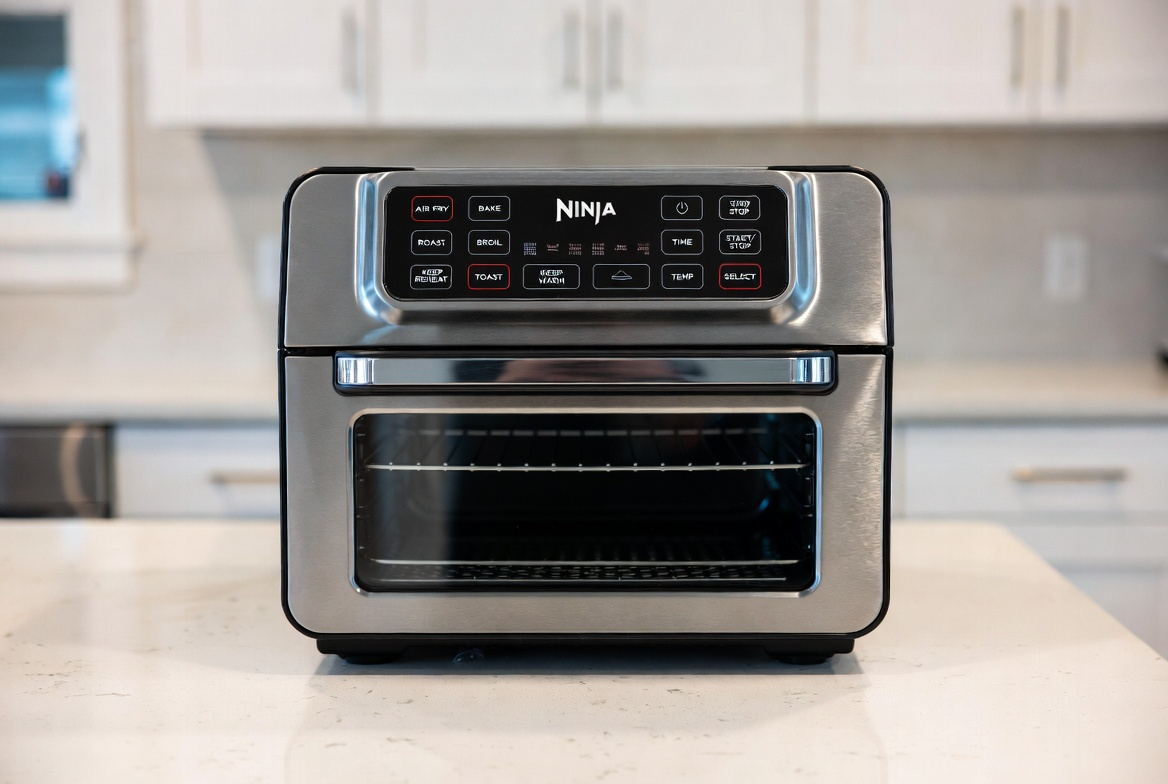
Ninja Air Fryer 6 in 1 vs 4 in 1: Which Model Wins?
If you’re standing in the kitchen appliance aisle, staring at two Ninja air fryer options and wondering which one deserves a spot on your countertop, you’re not alone. The choice between a 6-in-1 and a 4-in-1 model can feel like picking between two seemingly identical twins when, in reality, they have some pretty meaningful differences. Let me walk you through this decision so you can confidently choose the right air fryer for your cooking style and lifestyle.
Understanding What These Numbers Actually Mean
Before we dive into the nitty-gritty, let’s clarify something that might seem obvious but often gets overlooked. When manufacturers say “6-in-1” or “4-in-1,” they’re talking about the number of cooking functions the appliance can perform. Think of it like a smartphone with different apps—more functions don’t always mean you’ll use them all, but they’re there if you need them.
The 4-in-1 model typically includes air frying, roasting, reheating, and dehydrating. It’s the classic lineup that covers the basics for most home cooks. The 6-in-1 version adds two more cooking methods to that arsenal, giving you greater versatility. But here’s the question: do you actually need those extra functions, or are you paying for features you’ll never touch?
Breaking Down the 4-in-1 Ninja Air Fryer
What You Get with the Basic Model
The Ninja 4-in-1 air fryer is the workhorse of the Ninja family. It’s designed for people who want reliability without overwhelming complexity. The four primary functions are:
- Air frying for crispy, golden results with minimal oil
- Roasting for vegetables, meats, and seafood
- Reheating to bring yesterday’s leftovers back to life
- Dehydrating for making jerky, chips, and dried fruits
Performance and Cooking Quality
In my experience, the 4-in-1 model absolutely delivers when it comes to core cooking tasks. Air frying is where it truly shines. You can whip up a batch of frozen French fries, chicken wings, or fish fillets with remarkable consistency. The heating element responds quickly, reaching your desired temperature in seconds rather than minutes. The roasting function works beautifully for everything from Brussels sprouts to whole chickens, though you’ll need to be mindful of basket capacity.
Size and Countertop Real Estate
One of the biggest advantages of the 4-in-1 is its relatively compact footprint. If you’re living in an apartment or your kitchen counter space is as precious as prime real estate, this model won’t steal the show. It fits neatly into tight spaces while still maintaining a respectable basket capacity—usually around 4 to 5 quarts depending on the specific model year.
Price Point
The 4-in-1 typically costs less than its 6-in-1 counterpart. You’re looking at a price difference of anywhere from $30 to $80, depending on sales and promotions. For budget-conscious shoppers, this savings can be meaningful, especially if you’re not convinced you need those extra functions.
Exploring the 6-in-1 Ninja Air Fryer
The Extra Features You’re Getting
The 6-in-1 model keeps everything the 4-in-1 offers and adds two more cooking methods to the equation. These additional functions are usually air frying, roasting, reheating, dehydrating, plus baking and grilling or broiling depending on the model. These extra capabilities open up new possibilities in your kitchen.
The Baking Advantage
Can you actually bake in an air fryer? Absolutely, and it’s one of the most surprising discoveries for many users. The 6-in-1 model’s baking function lets you create cookies, brownies, small cakes, and even pizza. The heated air circulation creates an environment similar to a conventional oven, but much faster and more energy-efficient. This feature is particularly valuable if you want to bake small batches without heating up your entire oven during summer months.
Grilling or Broiling Capabilities
Depending on which 6-in-1 model you choose, you might get grilling or broiling functionality. This allows you to achieve those beautiful char marks and grill lines on meats, vegetables, and even some fruits. Broiling is fantastic for finishing dishes with a quick burst of heat from above, melting cheese, or creating a crispy top on casseroles.
Size Considerations
The trade-off for those extra functions is usually a slightly larger footprint. The 6-in-1 models tend to be a bit bulkier, though many modern designs are surprisingly sleek. The basket capacity often increases too, which means you can cook larger quantities at once—a real advantage if you’re feeding a family.
Investment and Value
The higher price tag reflects the additional engineering and versatility. If you’re someone who experiments in the kitchen and wants maximum flexibility, the extra investment might pay for itself in convenience and entertainment value alone.
Side-by-Side Function Comparison
Air Frying Performance
Both models excel at air frying, which is arguably the most important function. The heating element power and air circulation patterns are equally impressive. You won’t notice any meaningful difference in how your fries, wings, or vegetables turn out. This is where either model will deliver crispy exteriors and tender interiors consistently.
Roasting and General Cooking
Roasting performance is virtually identical between the two. The temperature range, heating speed, and basket design allow both models to handle roasting tasks beautifully. Whether you’re roasting a chicken or caramelizing vegetables, you’re getting the same quality results from either unit.
Reheating Precision
Both models include reheating functions that are genuinely useful. They reheat leftovers more evenly than microwave radiation, preventing cold spots and keeping food from drying out excessively. This is a feature I use multiple times per week, and both models handle it competently.
Dehydrating Capabilities
The dehydrating function is present in both, and it’s equally effective. You can make beef jerky, dried fruit chips, or vegetable crisps in either model. The process takes several hours, but the results are satisfying and worth the wait for snack lovers.
Baking – Exclusive to 6-in-1
This is where the 6-in-1 truly differentiates itself. The 4-in-1 cannot bake, so if this is important to you, the decision becomes clearer. Small batch baking in an air fryer is genuinely convenient and energy-efficient.
Grilling or Broiling – 6-in-1 Feature
Again, this exclusive function to the 6-in-1 adds another dimension to your cooking. Creating grill marks or broiling melted cheese on top of dishes is something the 4-in-1 simply cannot do.
Cooking Basket Size and Capacity
Most 4-in-1 models come with a 4 to 5-quart basket, while 6-in-1 models often feature 5 to 6-quart capacity. If you’re cooking for a larger family or like to batch cook for meal prep, the extra capacity of the 6-in-1 becomes valuable. However, if it’s just you or a couple of people, the smaller basket is probably fine and actually heats more efficiently.
Temperature Range and Control
Both models typically offer temperature ranges from about 105 degrees Fahrenheit to 450 degrees Fahrenheit. This range is more than sufficient for virtually every cooking task you’ll encounter. The digital controls on both are intuitive, with preset cooking times for common foods that take the guesswork out of preparation.
Noise Level and Energy Efficiency
Decibel Levels During Operation
Both the 4-in-1 and 6-in-1 models operate at roughly similar noise levels—somewhere in the 70 to 75 decibel range during cooking. This is about as loud as a dishwasher or vacuum cleaner. Neither model is whisper-quiet, but neither is obnoxiously loud either.
Energy Consumption
Air fryers are remarkably energy-efficient compared to conventional ovens. Both models use less electricity than a full-size oven because they heat a smaller enclosed space. The difference in energy consumption between the 4-in-1 and 6-in-1 is negligible—we’re talking about pennies per year of additional usage with the 6-in-1.
Ease of Cleaning and Maintenance
Here’s where both models shine equally. The non-stick coated baskets are incredibly easy to clean. Most parts are dishwasher safe, which means you can throw them in with your regular dishes. The exterior simply wipes down with a damp cloth. Neither model requires special maintenance or complicated cleaning routines that would make you regret your purchase.
Warranty and Customer Support
Ninja typically stands behind their products with solid warranties on both the 4-in-1 and 6-in-1 models. You’re usually looking at a 1-year limited warranty that covers manufacturing defects. Customer support is responsive, and replacement parts are readily available if something wears out down the line. This is true for both models, so warranty considerations shouldn’t influence your decision.
Who Should Choose the 4-in-1 Model?
The 4-in-1 is perfect for you if you’re new to air frying and want to test the waters without a huge investment. It’s ideal if your kitchen space is limited and you can’t spare the extra countertop real estate. Choose this model if you primarily want to air fry, roast, and reheat leftovers. You’ll also appreciate the 4-in-1 if you’re on a tighter budget and don’t feel drawn to baking or grilling in an air fryer. For single people or couples who cook smaller quantities, this model provides everything you’ll realistically use.
Who Should Choose the 6-in-1 Model?
The 6-in-1 makes sense if you’re an adventurous cook who wants to explore all the possibilities an air fryer offers. Get this model if you’re interested in baking small batches or creating grilled items with char marks. Choose the 6-in-1 if you’re cooking for a larger family and appreciate the increased basket capacity. This model is also right for you if you want maximum flexibility and don’t want to regret not having a function you wish you could use later. If countertop space isn’t a concern and you value versatility, the 6-in-1 is worth the extra investment.
Real-World Usage Scenarios
Weeknight Dinner Preparation
Both models handle weeknight dinners with equal competence. You can have crispy chicken thighs and roasted vegetables ready in about 25 minutes with either unit. The 4-in-1 and 6-in-1 both perform beautifully for this most common use case.
Weekend Entertaining
If you’re hosting friends for a gathering, the 6-in-1 offers more creative options. You could make air fryer appetizers like grilled vegetables and baked dips. The 4-in-1 will still produce excellent food, but your options are somewhat more limited.
Health-Conscious Cooking
Both models excel at producing healthier versions of fried foods. You’ll save on calories and fat content with either unit, making them both excellent choices if wellness is a priority in your kitchen.
Common Misconceptions About Multi-Function Air Fryers
More Functions Means Better Air Frying
This is false. The core air frying performance is essentially identical between the 4-in-1 and 6-in-1. Extra functions don’t enhance the main cooking method you’ll use most often.
You’ll Definitely Use Every Function
Be honest with yourself. Most people use about 70% of the functions regularly and forget the remaining 30% exist. Consider your actual cooking habits, not aspirational versions of yourself.
Bigger Models Always Cook Better
Larger basket capacity can actually be a disadvantage if you’re cooking for one or two people. Your food needs proper air circulation, which is more efficient in appropriately-sized batches.
The Verdict: Making Your Final Decision
Here’s my honest take after examining both models thoroughly: unless you’re genuinely excited about baking cookies in an air fryer or creating grilled items with character, the 4-in-1 model covers 95% of what most people actually need. It’s reliable, affordable, and does everything it promises without unnecessary complexity.
That said, if you have the space, enjoy experimenting, and appreciate having options even if you don’t use them frequently, the 6-in-1 is a solid investment that opens creative possibilities. The extra cost is reasonable when spread across years of ownership.
The real winner depends entirely on your lifestyle, kitchen space, budget, and cooking ambitions. There’s no objectively “better” choice—only the better choice for your specific situation.
Conclusion
Choosing between a Ninja Air Fryer 6-in-1 and 4-in-1 doesn’t have to be overwhelming. Both models represent excellent value and will fundamentally transform how you cook. The 4-in-1 is the sensible choice for practical cooks who want core functionality without frills. The 6-in-1 appeals to adventurous home chefs who want maximum versatility and don’t mind the additional expense or countertop space required. Whichever model you select, you’re investing in an appliance that will deliver years of reliable cooking performance. Consider your actual cooking habits, available space, and budget, then make your choice with confidence. Either way, you’re upgrading your kitchen in a meaningful way that will make meal preparation faster, easier, and more enjoyable. The best air fryer is ultimately the one you’ll actually use, so choose the model that aligns with your genuine cooking needs and lifestyle.
Frequently Asked Questions
Can the Ninja 4-in-1 air fryer bake anything at all?
The Ninja 4-in-1 model doesn’t have a dedicated baking function like the 6-in-1 does. However, some users have creatively used the roasting function to cook items with limited success. For actual baking with reliable results, you’ll want the 6-in-1 model with its dedicated baking setting that provides the proper temperature stability and heating patterns for pastries, cookies, and cakes.
What’s the actual price difference between the two models?
The price difference typically ranges from $30 to $80, depending on the specific model year, sales, and where you shop. Currently, the 4-in-1 models are generally priced between $80 and $120, while 6-in-1 models run from $110 to $180. It’s worth checking multiple retailers as prices fluct

![What Is The Best Air Fryer for the Price [In 2026]](https://homeunderstandable.com/wp-content/uploads/2026/03/Best-Air-Fryer-for-the-Price-768x516.jpg)
![5 Best Air Fryer for $100 [In 2026]](https://homeunderstandable.com/wp-content/uploads/2026/03/5-Best-Air-Fryer-for-100.jpg)
![5 Best Air Fryer for Baked Potatoes [In 2026]](https://homeunderstandable.com/wp-content/uploads/2026/03/5-Best-Air-Fryer-for-Baked-Potatoes.jpg)