
Microwave vs Air Fryer: Which Is Healthier for Cooking?
When you’re standing in your kitchen trying to figure out what cooking method to use for tonight’s dinner, you might find yourself wondering: should I pop this in the microwave, or should I fire up my air fryer? It’s a question I hear more often these days, and honestly, it’s not as straightforward as you might think. Both appliances have earned their place on modern kitchen countertops, but they work in completely different ways. Let me walk you through what you need to know about each one so you can make the healthiest choice for your family.
Understanding the Outline: What We’ll Cover
Before we dive deep into this comparison, let me give you a roadmap of where we’re heading. We’ll explore how each appliance actually works, then examine the nutritional impacts, look at food quality outcomes, discuss cooking times and convenience, address safety concerns, and finally help you determine which one might be better for your specific lifestyle. By the end, you’ll have a clear picture of which appliance deserves that precious counter space in your kitchen.
How Microwaves Actually Work
Let’s start with the microwave, that trusty appliance that’s been around since the 1940s. Have you ever wondered why your food gets hot inside while the plate stays relatively cool? It’s pretty fascinating, actually. Microwaves emit electromagnetic radiation at a specific frequency that causes water molecules in your food to vibrate rapidly. Think of it like you’re making the molecules dance at lightning speed, and all that movement creates heat from the inside out.
The Science Behind Microwave Heating
When you press that button and hear the familiar hum, your microwave is generating waves that penetrate your food to a depth of about one to two inches. This is why thicker foods sometimes cook unevenly—the outer edges get blasted with radiation while the center lags behind. The waves are absorbed by polar molecules, primarily water, which is why microwaves are so efficient at heating water-based foods like vegetables, soups, and sauces.
Introducing the Air Fryer: A Modern Kitchen Revolutionary
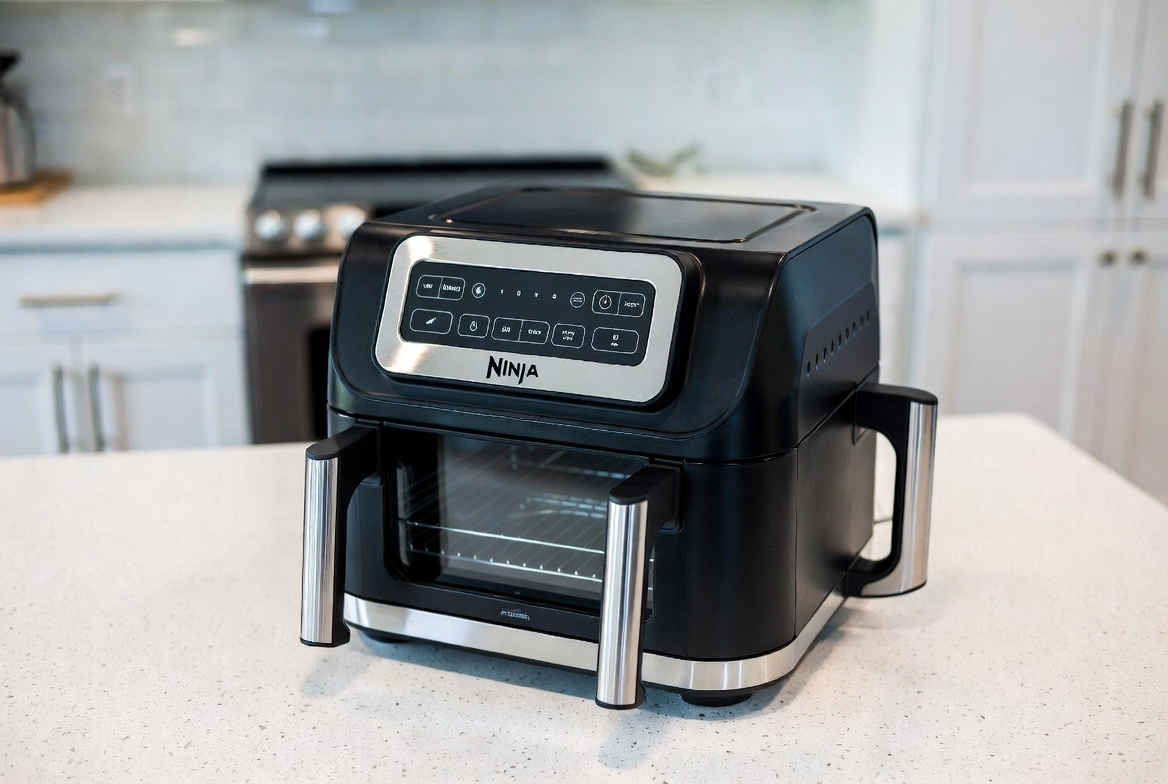
Now, let’s talk about air fryers. These relatively new kitchen gadgets have become incredibly popular, and for good reason. An air fryer is essentially a compact convection oven that circulates extremely hot air at high speed around your food. The temperature typically ranges from 300 to 400 degrees Fahrenheit, and that rapidly moving hot air creates a crispy exterior through a process called the Maillard reaction.
How Air Fryer Technology Functions
Inside an air fryer, there’s a heating element at the top that rapidly heats air to high temperatures, and a powerful fan circulates this superheated air around your food basket at incredible speed. This creates that coveted crispy texture you’re looking for without deep frying in oil. It’s like a mini convection oven, but far more efficient and much faster. The food sits in a perforated basket that allows the hot air to reach all surfaces simultaneously.
Nutritional Impact: Which Method Preserves More Nutrients?
Here’s where things get really interesting. When it comes to nutrition, the answer isn’t as simple as “one is always better.” Different cooking methods affect nutrients in different ways.
Microwave Effects on Nutritional Content
Contrary to popular belief, microwaves don’t make your food radioactive or significantly destroy nutrients. In fact, because microwave cooking is quick and often requires little to no water, it can actually preserve more vitamins than other cooking methods. Heat-sensitive vitamins like vitamin C can escape through water during boiling, but microwaving requires minimal water. Studies have shown that microwaving broccoli, for instance, retains more of its beneficial compounds than steaming or boiling does.
The key here is that the shorter cooking time means less nutrient degradation overall. It’s quick and relatively gentle, which works in its favor nutritionally.
Air Fryer Impact on Nutritional Content
Air fryers use dry heat at high temperatures, which can be both beneficial and concerning. On the positive side, since you’re cooking without added water, water-soluble vitamins aren’t leaching away. However, the high heat can create compounds called acrylamides when cooking starchy foods like potatoes and bread. Now, before you panic, let me clarify: you’d need to eat enormous quantities for this to be a serious health concern based on current research.
The real nutritional advantage of air fryers comes from the reduced need for oil. If you’re cooking something that would typically require deep frying, using an air fryer instead means significantly fewer calories and less dietary fat.
Comparison: Nutrient Retention Head to Head
- Water-soluble vitamins: Microwave slightly ahead due to minimal water use
- Fat-soluble vitamins: Both methods handle these similarly well
- Mineral content: Comparable between both methods
- Fiber content: Equally preserved in both appliances
- Overall nutrient density: Roughly equivalent for most foods
Cooking Quality and Food Taste Differences
Now let’s talk about something equally important: how good your food actually tastes. Because let’s be honest, a nutritionally perfect meal that tastes like cardboard isn’t going to get eaten.
Microwave Cooking Results
Microwaves are fantastic for reheating and cooking certain items, but they have limitations. They excel at heating liquids and cooking vegetables quickly, but they struggle with achieving that desirable browning and crisping that makes food appetizing. Your microwave-heated pizza will be soggy, your chicken will be pale and somewhat rubbery, and your french fries will be limp and disappointing. This is because microwaves work through moisture activation rather than surface crisping.
Air Fryer Cooking Results
Air fryers, on the other hand, create that golden, crispy exterior that we all crave. Whether you’re cooking chicken wings, french fries, or pastries, air fryers deliver texture that rivals traditional deep frying. This is where the Maillard reaction comes in—that chemical process that creates browned, flavorful surfaces on your food. The circulating hot air reaches every angle of your food, creating even browning and appealing texture.
Health Implications of Cooking Methods
When we talk about cooking methods and health, we’re really discussing several interconnected factors. Let me break these down for you.
Oil Usage and Caloric Content
This is where air fryers really shine. If you’re someone who loves fried foods but wants to reduce calorie intake, air fryers are a game-changer. You can make french fries, chicken wings, and onion rings with just a light spray of oil instead of submerging everything in a vat of oil. We’re talking about reducing calories by up to 80 percent compared to traditional deep frying. Microwaves, by contrast, don’t require oil at all for most applications, but they also won’t give you that crispy texture that typically requires some fat.
Formation of Potentially Harmful Compounds
Both cooking methods can theoretically create compounds when food is heated at high temperatures. Microwaves can create compounds if food is overheated, while air fryers at their high temperatures might create acrylamides in starchy foods. However, and this is important, the amount produced is typically well within safe limits for normal consumption. You’d have to eat extremely large quantities regularly for these compounds to pose any real health risk.
Water and Moisture Retention
Microwaves often result in foods that retain quite a bit of moisture, which some people find unappetizing. This moisture retention means your food stays moist inside but won’t have that desirable crust. Air fryers, by design, create drier, crispier results. If you prefer tender, juicy meat, this actually matters for both nutrition and satisfaction—you’re more likely to eat the healthy meal you prepared if it tastes good.
Cooking Time and Convenience Factors
Let’s discuss the practical side of things, because health isn’t just about the food itself—it’s also about whether you’ll actually use the appliance and make healthy meals.
Speed of Microwave Cooking
Microwaves are undeniably fast. Reheating leftovers takes minutes, defrosting food is quick, and cooking simple items like instant rice or reheating soup is incredibly convenient. If you’re someone with a busy lifestyle who needs meals prepared in seconds, the microwave is hard to beat. This speed can actually support healthy eating because you’re more likely to reheat a homemade healthy meal quickly rather than opting for takeout.
Speed of Air Fryer Cooking
Air fryers are also remarkably fast compared to traditional ovens—typically 20 to 30 percent faster. They preheat quickly and cook food faster than conventional methods. However, they’re not quite as instantaneous as microwaves. Most meals take 15 to 25 minutes in an air fryer versus 2 to 5 minutes in a microwave. That said, the superior results you get might motivate you to choose healthier cooking methods more often.
Safety Considerations for Both Appliances
Both microwaves and air fryers are safe when used correctly, but let’s address some common concerns.
Microwave Safety Myths and Facts
There’s a persistent myth that microwaves are dangerous to your health. This simply isn’t true based on scientific evidence. Microwave ovens don’t make food radioactive, and the radiation they use is non-ionizing, meaning it doesn’t have enough energy to remove electrons from atoms and create the kind of damage ionizing radiation causes. Your microwave is shielded to prevent radiation from escaping, and the waves stop the moment you open the door. Microwaves are among the safest cooking appliances available.
Air Fryer Safety Considerations
Air fryers are also safe, but there are some practical considerations. They get extremely hot, so burns are possible if you’re not careful. Additionally, some air fryers with certain non-stick coatings can release harmful fumes if overheated beyond their maximum temperature—though this is rare with modern units. The key is following the manufacturer’s instructions and not exceeding recommended temperature settings.
Environmental and Energy Efficiency Aspects
If you care about your health and the planet’s health, energy efficiency matters too.
Energy Consumption Comparison
Microwaves are extremely energy-efficient. They use significantly less energy than conventional ovens or even air fryers because they heat only the food directly rather than heating air around it. If reducing your carbon footprint is important to you, the microwave has a clear advantage here.
Air fryers use more energy than microwaves but are still more efficient than traditional ovens. They’re a good middle ground if you want better cooking results without the energy expenditure of a full-sized oven.
Cost Considerations: Initial Investment and Long-term Expenses
Your budget matters when making kitchen decisions, and it can affect which appliance you’ll actually use.
Microwave Investment
Microwaves range from budget-friendly basic models to expensive high-end units, with most people spending between $100 and $400. They’re relatively inexpensive to operate and last for many years. If cost is a major factor, microwaves offer great value.
Air Fryer Investment
Air fryers typically cost between $50 and $300 depending on brand and capacity. They’re comparable in price to mid-range microwaves, but you’ll need to consider that you might already have a microwave. The operating cost is moderate, similar to other small appliances.
Making the Healthiest Choice for Your Lifestyle
So here’s the real answer: which is healthier depends entirely on your situation.
Choose a Microwave If
- You have limited time and need quick meal solutions
- You primarily reheat prepared foods and defrost items
- You want maximum energy efficiency
- You have a tight budget
- You care deeply about environmental impact
- You want to preserve water-soluble vitamins in vegetables
Choose an Air Fryer If
- You enjoy crispy, textured foods and want healthier versions
- You love fried foods but want to reduce oil consumption and calories
- You want to prepare complete meals, not just reheat
- You’re willing to spend a few extra minutes for superior food quality
- You want to reduce overall oil intake in your diet
- You have family members who avoid microwaved food
The Ideal Solution: Why Not Both?
Here’s a thought that might surprise you: the healthiest approach might be using both appliances for their respective strengths. Use your microwave for quick reheating and simple preparations, and use your air fryer when you want to prepare healthier versions of foods you crave. This combination gives you speed and convenience plus superior food quality and taste.
Special Dietary Considerations
Different diets benefit from different cooking methods.
For Low-Calorie Diets
Air fryers are superior because they dramatically reduce calorie content in traditionally fried foods. If you’re counting calories, this advantage is significant.
For Quick-Meal Diets
Microwaves win here, offering the fastest preparation times for busy individuals.
For Whole-Food Based Diets
Both work well, but air fryers encourage more complete meal preparation rather than just reheating.
Conclusion
The question of which is healthier—microwave or air fryer—doesn’t have a one-size-fits-all answer. Both appliances are safe, and both can support a healthy diet when used appropriately. Microwaves excel at speed, energy efficiency, and nutrient preservation in certain scenarios, making them ideal for busy lifestyles and quick reheating. Air fryers offer superior food quality, reduced oil consumption, and the ability to prepare entire meals while creating textures that satisfy cravings for fried foods in a healthier way.
The truly healthy choice is the appliance you’ll actually use regularly to prepare nutritious meals. If an air fryer motivates you to cook at home more often instead of ordering takeout, it’s the healthier choice for you. If a microwave allows you to quickly reheat prepared healthy meals during a hectic week, it’s serving your health goals. The best cooking appliance is the one that fits your lifestyle and encourages you to make nutritious food choices consistently. Consider your habits, preferences, and schedule, and choose accordingly. Better yet, if you have the space and budget, embrace both appliances and let each do what it does best.
Frequently Asked Questions
Is it true that microwaves destroy all the nutrients in food?
No, this is a common misconception. Microwaves don’t significantly destroy nutrients and can actually preserve some vitamins better than other cooking methods because they require minimal water and have shorter cooking times. The microwave radiation itself doesn’t render food nutritionally inferior—heat is what can degrade certain nutrients, and microwave cooking often involves less total heat exposure than longer cooking methods.
Can air fryers create harmful compounds like acrylamides?
Air fr
![What Is The Best Chicken Tender Recipe for Air Fryer [In 2026]](https://homeunderstandable.com/wp-content/uploads/2026/03/Best-Chicken-Tender-Recipe-for-Air-Fryer-768x516.jpg)
![What Is The Best Dry Rub for Air Fryer Wings [In 2026]](https://homeunderstandable.com/wp-content/uploads/2026/03/Best-Dry-Rub-for-Air-Fryer-Wings-768x516.jpg)
![What Is The Best Deal for Air Fryer [In 2026]](https://homeunderstandable.com/wp-content/uploads/2026/03/Best-Deal-for-Air-Fryer-768x516.jpg)
![5 Best Air Fryer Books for Beginners [In 2026]](https://homeunderstandable.com/wp-content/uploads/2026/03/5-Best-Air-Fryer-Books-for-Beginners.jpg)
