
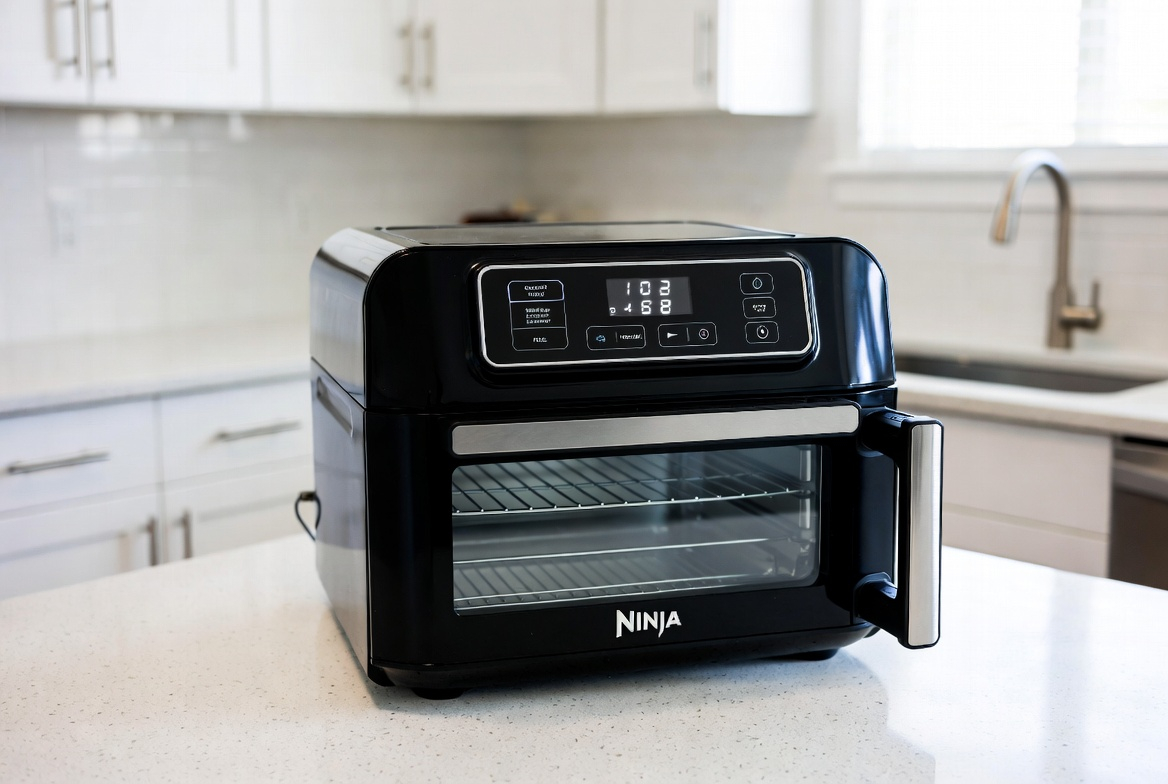
Ninja Air Fryer Toaster Oven vs Cuisinart: Which One Wins?
When you’re standing in the kitchen appliance aisle or scrolling through online retailers, you’ve probably found yourself caught between two popular names: Ninja and Cuisinart. Both brands have built solid reputations for delivering kitchen gadgets that actually work, but when it comes to air fryer toaster ovens, which one truly deserves a spot on your countertop? Let me walk you through this decision, because honestly, picking the right kitchen appliance can feel like choosing between two excellent friends
What Actually Makes a Great Air Fryer Toaster Oven?
Before we dive into the nitty-gritty details, let’s establish what separates a mediocre appliance from a game-changer. Think of it like this: an air fryer toaster oven is basically a Swiss Army knife for your kitchen. It needs to do multiple jobs well—toasting bread, baking cookies, air frying chicken wings, and reheating pizza without making it soggy. The best models combine speed, consistency, and versatility without demanding a Ph.D. in appliance operation.
The Core Features That Matter
You’re looking for consistent heat distribution, adequate internal space, intuitive controls, and cooking results that actually impress. The device should heat up quickly, cook evenly, and give you that satisfying crispy exterior without drying out the inside. Sound simple? It’s trickier than you’d think, which is why not every toaster oven deserves your hard-earned cash.
Ninja Air Fryer Toaster Ovens: What’s the Buzz About?
Ninja has practically become a household name, much like how people say they’re going to “Google” something. The brand has invested heavily in air fryer technology, and it shows. They’ve created several models that appeal to different needs and budgets, each with its own personality and strengths.
The Ninja Foodi Digital Air Fryer Oven: The Crowd Pleaser
This model is like the reliable friend who always shows up to the party with the perfect dish. The Ninja Foodi combines air frying, toasting, baking, and reheating in one compact unit. What makes it particularly appealing is the dual heating element system, which means you get consistent results whether you’re crisping up frozen fries or gently toasting bagels. The digital controls are straightforward, and honestly, you don’t need to consult the manual every single time you use it.
Key Specifications of Ninja Models
- Temperature range typically spans from 105°F to 450°F
- Capacity ranges from 4 to 8 slices for toast
- Multiple cooking functions including air fry, bake, toast, and reheat
- Most models feature a non-stick interior for easy cleanup
- Compact footprint that doesn’t monopolize your counter space
Ninja’s Design Philosophy
Ninja products tend to look modern and sleek. They’re not trying to hide in your cabinet—they’re meant to sit proudly on your counter. The exterior typically features stainless steel accents with a black matte finish, giving you that contemporary kitchen aesthetic without screaming “high-tech gadget.” The control panel is usually intuitive, with clearly labeled buttons and a small digital display that shows your cooking time and temperature.
Cuisinart Air Fryer Toaster Ovens: The Traditional Approach
Cuisinart has been in the kitchen appliance game for decades, and they bring that experience to their air fryer toaster oven lineup. While Ninja feels like the trendy newcomer, Cuisinart is the established player who’s been refining their craft year after year. This heritage means they’ve thought through design details that you might not even notice at first.
The Cuisinart Convection Toaster Oven with Air Fry
Cuisinart’s flagship model approaches the air fryer concept differently. Rather than being an air fryer that also toasts, it’s genuinely a toaster oven that has incorporated advanced air frying capabilities. This distinction matters because it means the oven portion gets the attention it deserves, not just squeezed in as an afterthought.
Distinctive Features of Cuisinart Models
- Larger interior capacity compared to many competitors
- Convection technology that distributes heat more evenly
- Temperature precision often comes with increments of 25 degrees
- Multiple rack positions for different cooking scenarios
- Often includes a digital timer with auto-shutoff
- Crumb tray that’s actually removable and easy to clean
Cuisinart’s Design Language
Cuisinart models tend to look more traditional, like a classic toaster oven with modern upgrades. They’re often larger than Ninja options, which means they take up more counter real estate but offer more cooking space inside. The materials feel substantial—think brushed stainless steel and solid knobs rather than touch controls. This appeals to people who appreciate the tactile feedback of turning a dial.
Head-to-Head: Cooking Performance and Capacity
Now we’re getting to the meat of the matter. How well do these machines actually cook, and can they handle your family’s needs?
Air Frying Capabilities: Who Crisps Better?
Both Ninja and Cuisinart excel at air frying, but they approach it slightly differently. Ninja air fryers tend to produce faster results. You’ll get crispy chicken wings in about 20-25 minutes, with that satisfying golden-brown exterior. Cuisinart’s convection method takes a bit longer but arguably provides more consistent browning across all surfaces.
The real difference appears when you’re cooking in batches. Ninja’s smaller basket means you might need to work in multiple rounds for a family dinner. Cuisinart’s larger interior lets you fit more food at once, which saves time if you’re feeding multiple people. It’s like choosing between a nimble sports car and a practical SUV.
Toasting Excellence: Which Gives You That Perfect Golden Brown?
Here’s where traditional toaster oven expertise matters. Cuisinart’s toast tends to be more even because their design prioritizes the toasting function. You’re less likely to get one side darker than the other. Ninja’s toasting is good, but some users report occasional hot spots. That said, with their intuitive settings, achieving your preferred toast level is usually quicker.
Baking and Roasting Performance
If you’re serious about baking, Cuisinart has the edge. Their convection technology was originally designed for precise baking, so cookies spread evenly and cakes rise beautifully. Ninja models can handle baking too, but they’re not quite at the same level. Think of it as competent versus specialized.
Design and Build Quality: What Feels Premium?
Durability matters because you’re not planning to replace this appliance next year, right? Let’s talk about what you’re actually getting.
Materials and Construction
Ninja products typically feature durable stainless steel exteriors with a modern finish that resists fingerprints reasonably well. The interior cooking surfaces are usually non-stick coated, making cleanup effortless. The overall construction feels solid, though it’s more lightweight than Cuisinart models.
Cuisinart tends to use heavier gauge materials throughout. The exterior is brushed stainless steel that can handle wear and tear. The interior rack system feels more robust, designed to support heavier roasts or baking trays without flexing. It’s the difference between a device that’ll last 5-7 years and one that might last a decade or more with proper care.
Interior Space and Rack Configuration
Ninja’s interior is efficient but compact. You’re working with what you’ve got, and it’s adequate for most home cooking needs. Cuisinart provides more generous space with multiple rack positions, allowing you to adjust height based on what you’re cooking. Need to fit a whole roasting chicken? Cuisinart’s got room; Ninja might be a tight squeeze.
Ease of Use and Control Systems
You shouldn’t need a tutorial every time you want to make breakfast. Let’s examine how user-friendly each brand really is.
Control Interfaces: Digital Buttons Versus Traditional Knobs
Ninja typically goes with digital push buttons and a small LCD display. This approach works well for younger users or those comfortable with technology. You can set precise temperatures and times quickly. However, some people find digital interfaces less intuitive than physical controls.
Cuisinart often uses analog dials for temperature and time, with some models featuring a hybrid approach including both physical knobs and a digital display. There’s something satisfying about turning a dial and watching it set your temperature. It’s immediately apparent what settings you’ve chosen without staring at a small screen.
Preset Functions and Cooking Programs
Both brands offer preset functions for common tasks like toasting, air frying, and baking. Ninja typically includes more preset options, sometimes up to 10 or more. Cuisinart models usually have fewer presets but encourage manual control, which gives you more flexibility if you have specific preferences.
Learning Curve: From Unboxing to First Meal
Ninja ovens get you cooking faster. You can intuitively figure out the basic functions within minutes. Cuisinart models require slightly more exploration but reward you with deeper understanding and more control options. First-time users generally pick up Ninja faster, while Cuisinart appeals to those willing to invest a few minutes in learning.
Price Comparison and Value for Money
Let’s talk about what each option costs your wallet and whether you’re getting bang for your buck.
Entry-Level Pricing
Ninja’s base models typically start around $100-150, making them accessible for budget-conscious shoppers. You get legitimate air frying and toasting capabilities without breaking the bank. Cuisinart’s entry models usually begin around $150-200, reflecting the heavier construction and larger capacity.
Mid-Range Options
Stepping up in price, Ninja models in the $200-300 range offer more functions and better performance. Cuisinart’s mid-range (roughly $250-350) provides significantly larger interior space and more robust construction for the investment.
Premium Models
At the top end, both brands offer premium models exceeding $300-400. Ninja’s premium options feature advanced technology and connectivity. Cuisinart’s premium models emphasize capacity and proven performance. Your choice depends on whether you value cutting-edge features or classic reliability.
Cost Per Use: Which Investment Makes Sense?
If you’re cooking for a family of four or more regularly, Cuisinart’s larger capacity means fewer cooking batches and potentially better value over time. If you’re cooking for one or two people and want quick, convenient meals, Ninja’s faster operation and lower price point might be smarter economics.
Warranty Coverage and Customer Support
Warranties tell you something important about a company’s confidence in their product.
Comparing Warranty Periods
Both Ninja and Cuisinart typically offer one-year limited warranties. This covers manufacturing defects and malfunctions, which is industry standard. However, extended warranty options vary by retailer, so you might find better protection if you purchase from specific sellers.
Customer Service Experience
Ninja maintains excellent customer service with readily available online chat, phone support, and a comprehensive FAQ section. Their online community is active, so troubleshooting help from other users is usually available. Cuisinart also provides solid support with phone lines and online resources. Both companies are reasonably responsive to customer issues.
Real-World Performance: What Actually Happens in Your Kitchen
Numbers and specifications tell part of the story, but real-world usage is where the rubber meets the road.
Consistency Across Multiple Uses
Ninja delivers predictable results. Once you dial in your preferred settings, subsequent batches come out similarly. Cuisinart’s convection heating sometimes requires minor adjustments based on room temperature and humidity, but results are excellent once dialed in.
Cleanup and Maintenance Reality Check
Both units are easier to clean than traditional ovens, but Ninja’s non-stick interior requires less scrubbing. Cuisinart’s enamel-coated interior is durable but occasionally needs more attention. The removable crumb tray on both makes cleanup straightforward. Expect 5-10 minutes of cleanup time after regular use with either appliance.
Noise Levels During Operation
Ninja units tend to be quieter, operating at around 70-75 decibels. Cuisinart models can reach 75-80 decibels, particularly when the fan kicks into high gear. If you’re cooking early morning and live in a close-quarters situation, Ninja’s quieter operation is a genuine advantage.
Which Brand Wins? Making Your Final Decision
There isn’t a universal winner here—it depends on your specific circumstances and priorities.
Choose Ninja If You Want
- Faster cooking times and quick weeknight dinners
- A compact appliance that fits tight kitchen spaces
- Lower purchase price and budget-friendly operation
- Intuitive digital controls and modern features
- Quieter operation during cooking
- Sleek aesthetics on your countertop
Choose Cuisinart If You Prioritize
- Larger cooking capacity for family-sized meals
- Even browning across food items
- Proven convection technology and baking excellence
- Durable construction built for long-term reliability
- Tactile control with analog dials
- Traditional toaster oven functionality that’s truly excellent
The Hybrid Approach: Could You Use Both?
Some households actually benefit from owning both—using the Ninja for quick daily meals and the Cuisinart for batch cooking and baking projects. It sounds excessive until you realize that between them, you’re not missing any cooking scenario.
Conclusion
The Ninja Air Fryer Toaster Oven versus Cuisinart question doesn’t have a definitive answer because both brands excel in different ways. Ninja represents the modern, efficient, budget-friendly option that delivers speed and convenience. Cuisinart embodies the traditional values of capacity, durability

![5 Best Air Fryer for Big Family [In 2026]](https://homeunderstandable.com/wp-content/uploads/2026/03/5-Best-Air-Fryer-for-Big-Family.jpg)
![What Is The Best Air Purifier for Emphysema [In 2026]](https://homeunderstandable.com/wp-content/uploads/2025/05/best-air-purifier-for-emphysema-top-picks-for-cleaner-breathing-768x432.jpg)
![What Is The Best Air Fryer for Visually Impaired [In 2026]](https://homeunderstandable.com/wp-content/uploads/2026/03/Best-Air-Fryer-for-Visually-Impaired-768x516.jpg)
![What Is The Best Chicken Thigh Recipe for Air Fryer [In 2026]](https://homeunderstandable.com/wp-content/uploads/2026/03/Best-Chicken-Thigh-Recipe-for-Air-Fryer-768x516.jpg)