
Multi Cooker vs Air Fryer: Which Is Better for Daily Use?
If you’re standing in the kitchen appliance aisle, staring at a multi cooker and an air fryer, wondering which one deserves a spot on your countertop, you’re not alone. Both of these gadgets have become kitchen staples, promising to revolutionize the way we cook. But here’s the thing—they’re fundamentally different tools designed for different cooking needs. So which one should you actually bring home? Let me walk you through this decision together, because choosing between them isn’t as simple as flipping a coin.
Understanding What Each Appliance Does
Think of a multi cooker and an air fryer as two entirely different chefs in your kitchen. They each have their own specialty, their own strengths, and their own limitations. Understanding what makes each one tick is the first step toward figuring out which one fits your lifestyle.
What Exactly Is a Multi Cooker?
A multi cooker is like having a Swiss Army knife in your kitchen. It’s a versatile beast that can pressure cook, slow cook, steam, sauté, make rice, prepare yogurt, and sometimes even function as a sous vide machine. The most popular multi cooker on the market today works by trapping steam and heat inside a sealed pot, which cooks food significantly faster than traditional methods. You throw your ingredients in, set the timer, and walk away. It’s hands-off cooking at its finest.
I like to think of it as the “set it and forget it” appliance. You’re not babysitting your food. You’re not stirring, checking, or adjusting heat levels constantly. This makes it absolutely fantastic for busy people who want home-cooked meals without spending hours in the kitchen.
What About Air Fryers?
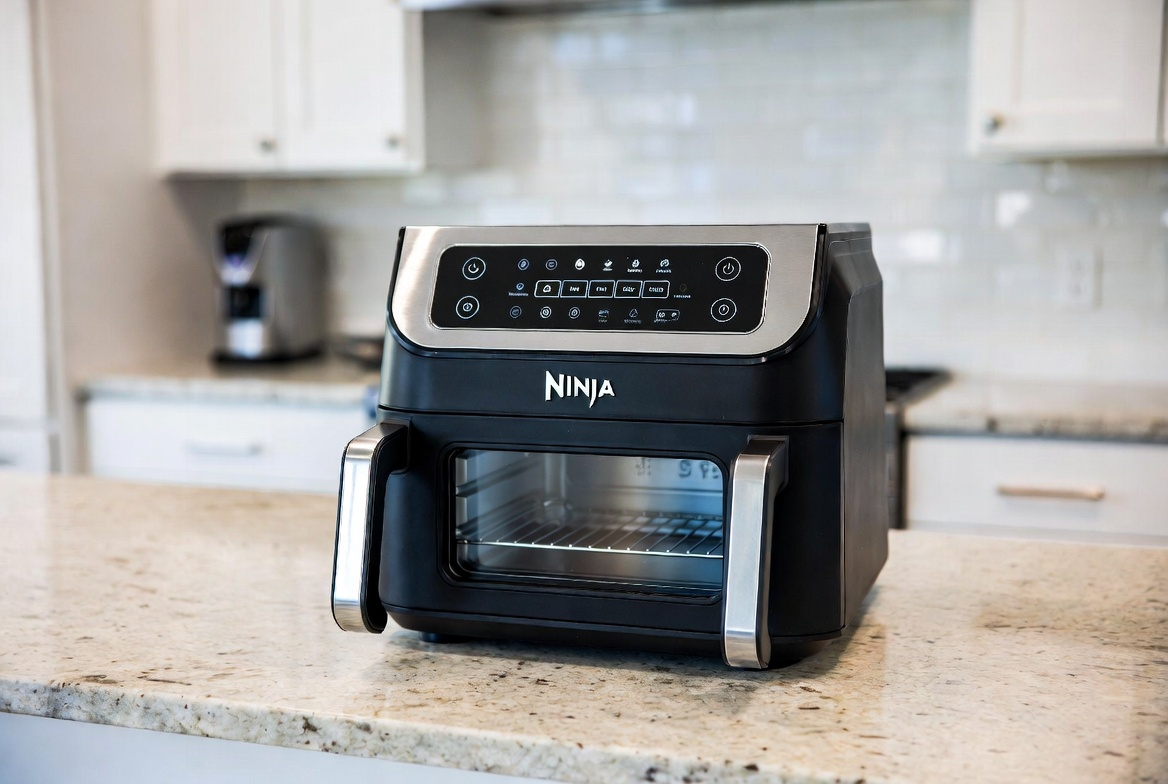
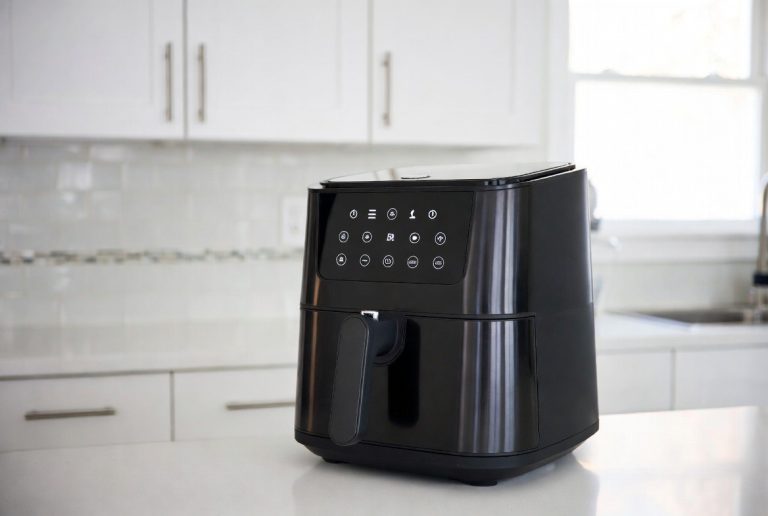
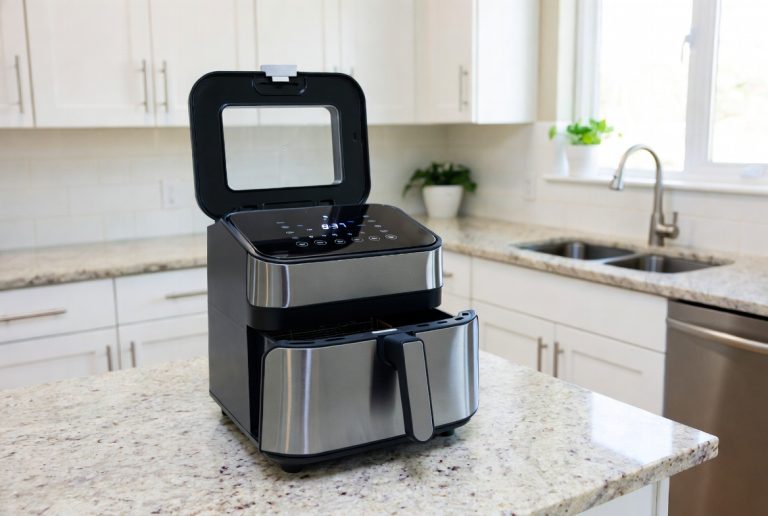
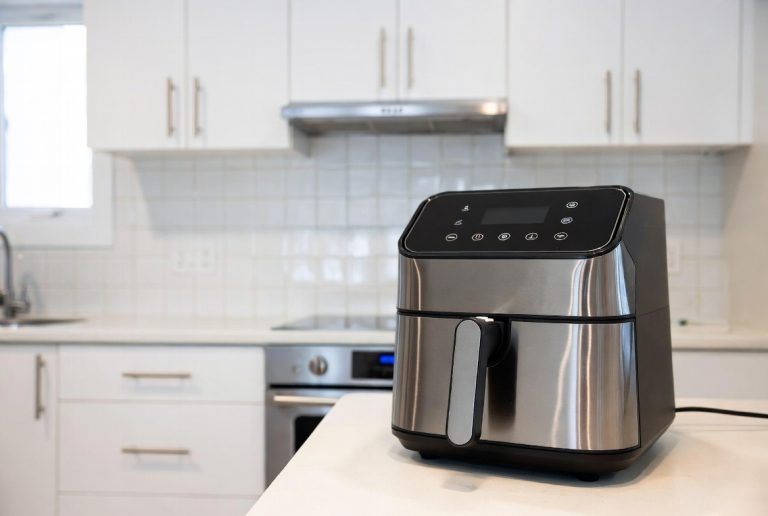
An air fryer operates on a completely different principle. Instead of trapping steam, it circulates extremely hot air at high speeds around your food. This rapid air circulation creates a crispy, golden exterior through something called the Maillard reaction—the same browning process that happens when you deep fry something in oil, but without all that messy oil.
Air fryers are the speed demons of the kitchen. They preheat in minutes, cook food incredibly fast, and they excel at making things crispy. Whether you’re reheating leftovers, cooking frozen foods, or making homemade french fries, an air fryer makes it happen in a fraction of the time compared to traditional ovens.
Speed: Which One Gets Dinner on the Table Faster?
Multi Cooker Cooking Times
Here’s where things get interesting. While multi cookers are faster than stovetop cooking, they’re not the quickest option out there. Pressure cooking a chicken breast might take 15 minutes under pressure, but you also need to factor in the time it takes to come to pressure—often another 10 to 15 minutes. Then there’s the natural release time, which can add another 5 to 10 minutes. So realistically, you’re looking at 30 to 40 minutes total.
That said, this time is mostly hands-off. You’re not actively cooking. You could be setting the table, helping kids with homework, or scrolling through your phone. The time investment is passive, which changes the game entirely.
Air Fryer Speed
Air fryers are the sprinters of kitchen appliances. Most air fryers preheat in 3 to 5 minutes, and cooking times are remarkably quick. Frozen chicken wings? Twelve minutes. A batch of homemade french fries? Eight to ten minutes. A piece of fish? Five to seven minutes. If you need food fast, an air fryer is your friend.
The trade-off is that air frying requires more attention. You might need to shake the basket halfway through cooking, and the cooking chamber is smaller, so you can’t prepare massive quantities at once. But if speed is your primary concern, the air fryer wins this round hands down.
Cooking Capacity and Serving Size Considerations
Multi Cooker Capacity
Multi cookers typically come in sizes ranging from 3 quarts to 10 quarts or larger. A 6-quart model, which is pretty standard, can comfortably cook meals for a family of four to six people. You could prepare a whole chicken, multiple pounds of beef stew, or a massive pot of chili in one go. This makes multi cookers ideal if you’re cooking for a larger household or if you enjoy meal prepping for the week.
Imagine you’re planning to make a big batch of pulled pork for sandwiches. A multi cooker lets you cook an enormous amount in one shot, which you can then portion out and freeze for later. That’s efficiency.
Air Fryer Capacity
Air fryers are the minimalists of the appliance world. Most conventional air fryers hold two to four quarts. Larger models exist, but even they don’t compete with a multi cooker in terms of volume. If you’re cooking for more than two or three people, you’ll likely need to cook in batches.
This doesn’t mean air fryers are bad for families—it just means your workflow is different. You might fry one batch of chicken while another batch finishes in the oven, or you prepare sides while the main course cooks. It’s sequential rather than simultaneous.
Versatility and Cooking Methods
Multi Cooker Versatility
This is where multi cookers truly shine. In a single appliance, you get:
- Pressure cooking for fast meal preparation
- Slow cooking for tender, deeply flavored dishes
- Steaming for healthy vegetable preparation
- Sautéing to brown meat before pressure cooking
- Rice cooking with precision
- Yogurt making for probiotic goodness
- Sous vide cooking in certain models
- Egg cooking using specialized racks
This versatility means you can make anything from a quick weeknight stir-fry to a slow-cooked Sunday roast to homemade Greek yogurt. It’s genuinely remarkable how many cooking techniques this single appliance can handle.
Air Fryer Specialization
Air fryers are specialists, not generalists. They excel at:
- Crisping fried foods with minimal oil
- Reheating leftovers while maintaining texture
- Cooking frozen foods directly from the freezer
- Making roasted vegetables
- Preparing baked goods
- Toasting and dehydrating
While some air fryers can do more than others, their primary strength remains creating that crispy, fried texture without deep frying. If your cooking style revolves around that particular outcome, an air fryer is unbeatable. But if you need flexibility across multiple cooking methods, it falls short.
Food Quality and Taste Comparison
Multi Cooker Results
Multi cookers produce tender, flavorful results, especially for dishes that benefit from long, slow cooking or pressure cooking. A beef stew becomes deeply flavored and falls apart at the touch of a fork. A whole chicken emerges juicy and succulent. The sealed environment means moisture stays trapped, creating intensely flavored dishes with tender meat.
However—and this is important—multi cookers don’t create crispy textures. You won’t get a golden, crunchy exterior from a multi cooker unless you sauté the food first or finish it under the broiler. If you’re craving fried chicken or crispy chips, a multi cooker will leave you disappointed.
Air Fryer Results
Air fryers deliver what they promise: crispy, golden-brown exteriors with tender interiors. This is their superpower. A batch of homemade donuts comes out perfectly crispy on the outside while remaining fluffy inside. Chicken wings turn out restaurant-quality crunchy. Vegetables caramelize beautifully.
The catch? Air fryers can’t reproduce the deep, complex flavors that come from long, slow cooking. They’re fast, which means flavors don’t have time to meld and develop the way they do in a multi cooker. They’re perfect for quick weeknight meals but less ideal for Sunday dinners that demand a more developed flavor profile.
Ease of Use and Learning Curve
Multi Cooker Learning Curve
Don’t let the intimidation factor fool you—multi cookers are actually quite user-friendly once you understand the basics. You need to learn about pressure release methods, cooking times for different foods, and liquid ratios. There’s definitely a learning curve, especially if you’ve never pressure cooked before.
But honestly? After making your first three or four meals, the process becomes second nature. You’ll find yourself confidently adjusting recipes and experimenting with new dishes. Most modern multi cookers come with digital controls that do the heavy lifting for you, so you’re not manually adjusting pressure or temperature.
Air Fryer Simplicity
Air fryers are refreshingly simple. You put food in, set the temperature, set the timer, and press start. There’s barely a learning curve. Most people figure out their air fryer within the first use or two. The controls are straightforward, and the results are consistent.
This simplicity appeals to people who want to grab an appliance and use it immediately without reading manuals or watching tutorial videos. From a user-friendliness perspective, air fryers are the clear winner.
Cleanup and Maintenance
Multi Cooker Maintenance
Multi cookers do require some maintenance. You’ll need to clean the lid, the heating element, and the sealing ring regularly. The sealing ring, in particular, can absorb odors and stains, so it might need replacing periodically. The pot itself is typically dishwasher safe, which makes cleanup relatively easy.
However, the sealing ring sometimes becomes the source of frustration for multi cooker users. It needs to be removed, washed, and dried properly, and it can trap food particles if you’re not careful.
Air Fryer Maintenance
Air fryers are generally easier to clean because they’re smaller. The basket and tray pop out, and both are usually dishwasher safe. The heating element stays clean because food isn’t splattering all over the interior. Wiping down the inside occasionally is usually sufficient.
There’s no sealing ring, no complicated parts, and no odor absorption to worry about. Cleanup is genuinely one of the air fryer’s strongest points.
Energy Efficiency and Power Consumption
Both appliances are relatively energy efficient compared to traditional cooking methods. Multi cookers use between 700 to 1000 watts, while air fryers typically use between 800 to 1400 watts. The actual energy consumption depends on cooking time—a multi cooker might run longer overall, while an air fryer cooks quickly but at higher wattage.
For a realistic comparison: an air fryer might use 0.5 kilowatt-hours cooking a meal, while a multi cooker might use 0.6 to 0.8 kilowatt-hours. The difference is negligible in most households. Neither appliance is a major energy hog compared to traditional ovens, which consume significantly more electricity.
Price and Budget Considerations
Multi Cooker Pricing
Multi cookers range from about $50 for basic models to $200 or more for advanced versions with multiple functions. A solid, reliable multi cooker that will last years typically costs between $80 and $150. Since it replaces multiple appliances (pressure cooker, slow cooker, rice cooker), this represents good value for the investment.
Air Fryer Pricing
Air fryers are generally more affordable, ranging from $40 to $400 depending on size and brand. A quality air fryer suitable for daily family use typically costs between $60 and $150. Larger capacity models cost more, but you can find solid basic models at the lower end of the price spectrum.
When comparing costs, consider what you’re replacing. If you already own multiple small appliances, an air fryer is a more economical addition. If you’re starting from scratch, a multi cooker offers more bang for your buck in terms of functionality.
Best Use Cases for Multi Cookers
Choose a multi cooker if you:
- Cook for larger families or enjoy meal prepping
- Love slow-cooked, deeply flavored dishes
- Want to replace multiple appliances with one
- Need hands-off cooking while you manage other tasks
- Make soups, stews, and braised dishes regularly
- Want to cook grains and make yogurt
- Prefer passive cooking over active monitoring
Best Use Cases for Air Fryers
Choose an air fryer if you:
- Value extreme speed and convenience
- Cook for one or two people primarily
- Crave crispy, fried textures regularly
- Reheat leftovers frequently
- Cook frozen foods often
- Want something simple with minimal learning curve
- Have limited countertop space
- Prefer quick, active cooking
Can You Use Both? The Hybrid Kitchen Approach
Here’s a thought that might seem controversial: you don’t have to choose just one. Many households benefit from owning both appliances because they genuinely serve different purposes. A multi cooker handles Sunday meal prep and slow-cooked family dinners, while an air fryer takes care of quick weeknight sides, leftover reheating, and crispy snacks.
If kitchen space is tight, this might not be practical for you. But if you have room, the combination covers virtually every cooking scenario you’ll encounter. It’s not wasteful—it’s strategic kitchen planning.
Making Your Final Decision
Your choice ultimately depends on your lifestyle, cooking preferences, and kitchen situation. Ask yourself these honest questions:
- How much time do I typically spend cooking?
- What are my favorite types of dishes to make?
- How many people am I usually cooking for?
- Do I value speed or flavor development more?
- How much countertop space do I actually have?
- Am I willing to learn new techniques?
- What’s my realistic budget?
Your answers to these questions will naturally point you toward the appliance that makes the most sense for your specific situation. There’s no universally “better” choice—only the choice that’s better for you.
Conclusion
The multi cooker versus air fryer debate doesn’t have a simple winner because these appliances compete in different arenas. A multi cooker is the versatile workhorse that creates deeply flavorful, slow-cooked meals with minimal hands-on time. It’s perfect for batch cooking, families, and anyone who appreciates complex flavors developed over time. An air fryer is the speed champion that delivers crispy, golden results in minutes, ideal for quick meals, reheating, and anyone who values simplicity and convenience.
If you cook infrequently and want speed, grab an air fryer. If you cook regularly and value versatility, choose a multi cooker. If your kitchen has


![What Is The Best Air Fryer for Meat [In 2026]](https://homeunderstandable.com/wp-content/uploads/2026/03/Best-Air-Fryer-for-Meat-768x516.jpg)