
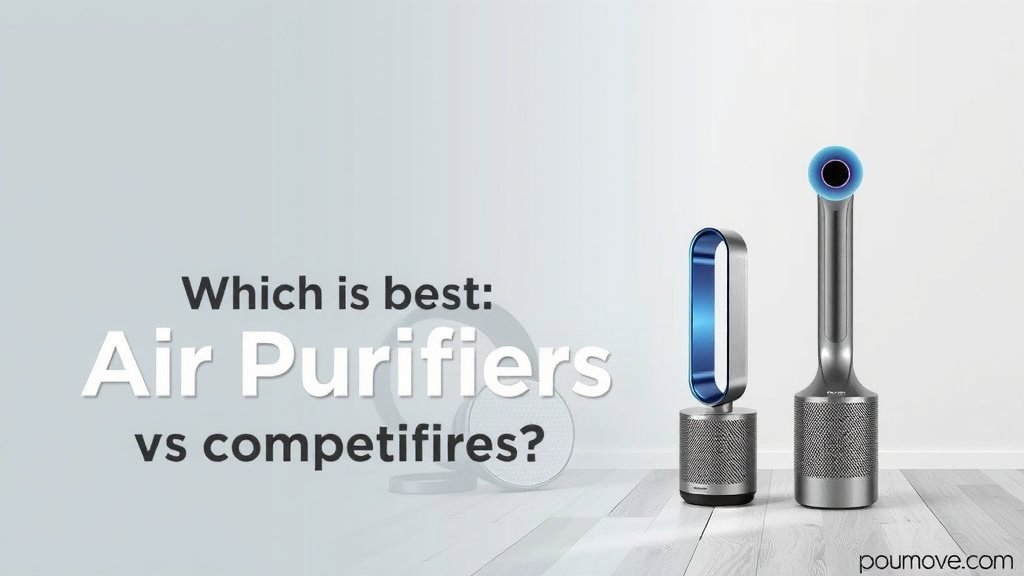
Dyson Air Purifiers vs Competitors: Which is Best
As we navigate 2026, the air we breathe indoors remains a top priority, and when it comes to keeping it pristine, Dyson air purifiers consistently make a statement. Their signature blend of potent purification and distinctive aesthetics often sets them apart, though typically at a premium. While the market is brimming with impressive, wallet-friendly alternatives, Dyson machines continue to push the envelope with cutting-edge features and sophisticated air quality monitoring, making the question of Dyson Air Purifiers vs Competitors: Which is Best more relevant than ever.
Choosing the right air purifier depends on your specific needs, like room size and allergy concerns. We found that while Dyson offers a premium experience with smart connectivity and often a sleeker look, many other reputable brands deliver robust filtration for less money, making them a strong contender for your home.
- Dyson air purifiers excel in powerful purification and advanced tech.
- They often come with a higher cost compared to competitors.
- Many other brands offer effective air cleaning at a more affordable price.
- Your best choice depends on budget and specific needs.
Let’s dive into how Dyson stacks up against other popular air purifier options so you can make the best choice for your clean air goals.
You’re probably wondering how Dyson air purifiers stack up against the rest of the market. It’s a great question! Many brands offer excellent air cleaning, but Dyson often grabs attention with its unique designs and advanced features. We’ve looked into what sets them apart and how they compare when it comes to performance, features, and, of course, price.
Dyson’s Premium Approach vs. The Market
Dyson machines are known for their striking aesthetics and often incorporate a range of technologies. They aim to do more than just filter air. Many models include fans or heaters, offering multi-functionality. This integration is a key differentiator. We found that Dyson often packs a lot into one device, which can be appealing.
Performance Metrics: What We Found
When it comes to cleaning the air, effectiveness is key. Dyson generally performs very well in independent lab tests. They often achieve high CADR (Clean Air Delivery Rate) ratings, meaning they can purify a significant volume of air quickly. Many studies show that HEPA filters are crucial for removing fine particles (CDC). Dyson’s sealed systems are also designed to prevent air from leaking around the filters, ensuring it all passes through.
Particle Removal Capabilities
Dyson typically uses a combination of filters, including a HEPA filter and an activated carbon filter. The HEPA filter is highly effective at capturing tiny particles like dust, pollen, and pet dander. The carbon filter helps to neutralize odors and gases. We found that their filtration is generally top-notch, capturing 99.97% of particles as small as 0.3 microns.
Beyond HEPA: Capturing Gases and Odors
While HEPA filters tackle solids, gases and odors require a different approach. Dyson’s activated carbon filters are designed to adsorb these airborne pollutants. Research from institutions like the EPA highlights the importance of activated carbon for removing VOCs (Volatile Organic Compounds). We found that Dyson’s integration of both HEPA and carbon filtration provides a well-rounded purification solution.
Smart Features and Connectivity
This is where Dyson often shines brightly. Many Dyson purifiers come with Wi-Fi connectivity. This allows you to control them via a smartphone app. You can monitor air quality in real-time, schedule purification cycles, and receive filter life notifications. We found this level of control to be quite convenient for managing your home environment.
App Control and Data Insights
The Dyson Link app provides detailed reports on your indoor air quality. It can show you particle counts and gas levels, helping you understand what’s affecting your air. Many experts suggest that being aware of air quality can lead to better habits (Mayo Clinic). This data-driven approach is something Dyson really leans into. You get a clear picture of your air, hour by hour.
Voice Control Integration
For added convenience, some Dyson models can be controlled using voice commands. If you have smart home devices like Amazon Alexa or Google Assistant, you can often link your purifier. This means you can ask your assistant to turn the purifier on or off, or change settings. We found this to be a neat feature for hands-free operation.
Comparing Dyson to Other Brands: Key Differences
While Dyson offers premium features, many other brands provide excellent purification at a more accessible price point. Let’s look at where they differ.
Cost and Value Proposition
Dyson purifiers are undeniably an investment. Their price tags are typically higher than those of many competitors. You’re paying for the advanced technology, the design, and the multi-functionality. However, if your primary need is simple, effective air purification, you can find highly capable machines from brands like Coway, Levoit, and Honeywell for much less money.
Initial Purchase Price
You might find a standard HEPA air purifier from a competitor for a few hundred dollars. Dyson models can often range from $400 up to $800 or more, depending on the size and features. We’ve seen many well-regarded units from other brands that deliver excellent particle filtration at roughly half the cost. It really comes down to what features are essential for you.
Ongoing Costs (Filters)
Don’t forget to factor in the cost of replacement filters. Dyson filters can also be pricier than those for other brands. It’s wise to check the price and availability of replacement filters before you buy any air purifier. We found that filter replacement frequency varies by usage and air quality, but it’s a recurring expense to consider.
Design and Form Factor
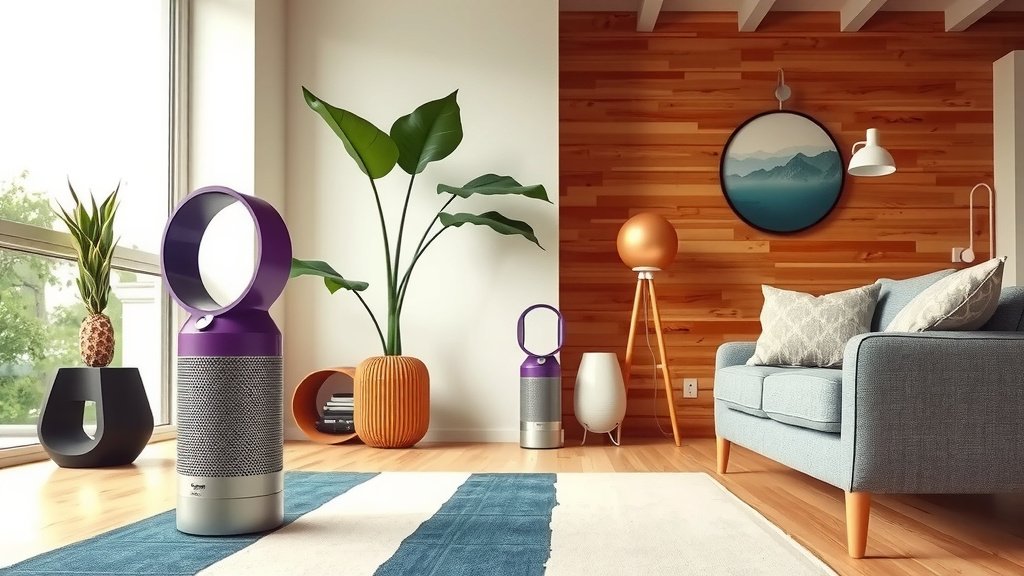
Dyson’s designs are often quite unique and modern. Many models are tall and bladeless, resembling a sleek tower. This can be a stylish addition to a room. Other brands tend to offer more traditional designs, often box-shaped or circular. While perhaps less statement-making, these designs are functional and effective. Your aesthetic preference will play a role here.
Aesthetics vs. Practicality
If a purifier’s look is important to you, Dyson certainly offers eye-catching options. However, many other brands focus on practicality and unobtrusive design. Some units are compact enough to fit on a shelf, while others are designed to blend into the background. We found that performance and effectiveness should ideally be the top priorities, with design as a secondary consideration.
Noise Levels and Operation
Air purifiers make noise as they draw air through the filters. Dyson machines are generally designed to be relatively quiet, especially on lower settings. However, like any purifier, they will become louder when running at higher speeds to clean the air more quickly. We found that noise levels can vary significantly between different models and brands. It’s a good idea to check decibel ratings if noise is a concern for you.
Here’s a quick checklist to help you decide:
- Do you need advanced smart features like app control?
- Is a sleek, modern design a top priority?
- What is your budget for the initial purchase?
- How much are you willing to spend on replacement filters?
- How large is the room you need to purify?
- Are you sensitive to noise levels?
We found that for users prioritizing cutting-edge technology, app integration, and a distinctive look, Dyson is a strong contender. However, if your main goal is effective air purification without all the bells and whistles, there are many excellent and more budget-friendly options available on the market.
Conclusion
You’ve seen how Dyson air purifiers bring a premium experience with advanced tech and sleek designs. They often perform exceptionally well and offer smart control. Yet, we found that many other brands provide robust air purification for a lower price. Your home’s air quality needs and your budget are the guiding factors. Consider what features are truly essential for you. We recommend making a list of your priorities to find the perfect fit.
Frequently Asked Questions
Are Dyson air purifiers worth the extra cost compared to others?
Research and our findings suggest Dyson offers advanced features and unique designs that justify its higher price for some users. If smart connectivity, multi-functionality, and aesthetics are top priorities, Dyson can be a worthwhile investment. For straightforward, effective air cleaning, other brands often provide better value.
How do Dyson’s filtration capabilities compare to non-Dyson brands?
Dyson purifiers typically use a combination of HEPA and activated carbon filters, similar to many other high-quality brands. We found that Dyson’s sealed systems are designed to maximize filter efficiency. While many competitors also offer excellent HEPA filtration, Dyson often leads in how well their entire system captures particles.
Is the Dyson Link app really necessary for an air purifier?
The Dyson Link app offers detailed air quality monitoring, remote control, and scheduling, which we found very convenient. It’s not strictly necessary for purification, but it adds a layer of smart home integration and data that many users appreciate. Other brands also offer app control, but Dyson’s integration is often quite robust.
What are the main downsides of choosing a non-Dyson air purifier?
You might miss out on some of Dyson’s unique design elements and advanced multi-functional features, like integrated heating or cooling. We also found that some budget models may not offer the same level of real-time air quality data or smart home compatibility. However, their core purification performance is often excellent.
Can I get a quiet air purifier if I don’t buy a Dyson?
Yes, many brands offer quiet air purifiers. We found that noise levels vary greatly by model, not just by brand. Many non-Dyson purifiers are specifically designed for quiet operation, especially on lower fan speeds. Always check the decibel (dB) ratings if noise is a concern for your space.


![5 Best Indoor Plants for Air Purifier [In 2026]](https://homeunderstandable.com/wp-content/uploads/2025/05/best-indoor-plants-for-air-purifier-top-picks-for-a-healthier-home-768x512.jpg)