Honeywell Air Purifier Filter Change Frequency Guide
You should change your Honeywell air purifier filter every 6 to 12 months, depending on the model and your air quality. This range ensures your purifier continues to capture dust, pollen, and other airborne particles effectively. Ignoring this can lead to a drop in performance and even strain your machine.
Knowing when to swap out your filter is key to maintaining a healthy home environment. Factors like pets, allergies, and general pollution levels in your area can impact filter life. We found that consistent filter changes can dramatically improve the effectiveness of your air purifier and reduce allergens.
- Honeywell filters need changing roughly every 6-12 months.
- Usage, pets, and air quality affect how often.
- Regular changes keep your air cleaner and purifier running well.
- Check your specific model’s manual for precise recommendations.
Let’s get into the details of when and how to best maintain your Honeywell air purifier’s filters so you can breathe easy.
“`htmlWhen to Replace Your Honeywell Air Purifier Filter
So, how often should you really be swapping out that Honeywell air purifier filter? We found that the general guideline is somewhere between 6 to 12 months. Think of it like changing the oil in your car; regular maintenance keeps things running smoothly. But that’s just a starting point. The actual lifespan depends on a few key factors that are unique to your home and how you use your purifier.
Understanding Filter Lifespan Factors
Your air purifier isn’t just a fancy fan; it’s actively working to clean the air you breathe. This means its filter is constantly battling airborne nasties. The more work it does, the quicker it wears out. We’ve seen that it’s a direct relationship between air quality and filter longevity. Poor air quality means a shorter filter life.
Impact of Pets and Allergies
Do you share your home with furry friends? Pets are wonderful, but they shed a lot of dander and hair. This extra load on your purifier means its filter will likely need changing more often. The same goes if you or someone in your household suffers from allergies. Pollen, dust mites, and other allergens are tough on filters. Many allergy experts suggest more frequent filter changes if allergies are a concern (Cleveland Clinic).
Home Environment and Usage Habits
Where you live matters too. If you’re in a city with higher pollution levels or near a busy road, your filter will work overtime. Even simple things like cooking frequently or burning candles can introduce more particles into the air. We found that consistent, daily use of your air purifier will naturally lead to a shorter filter life compared to occasional use.
The Role of Different Filter Types
Honeywell offers various air purifier models, and they often use different types of filters. Most units feature a pre-filter, a HEPA filter, and an activated carbon filter. The pre-filter usually captures larger particles like hair and dust bunnies and can often be cleaned. The HEPA filter is the powerhouse for smaller particles. The carbon filter tackles odors and VOCs. We discovered that the HEPA and carbon filters are the ones you’ll replace, and their lifespans can vary slightly based on their specific material and construction.
Signs Your Honeywell Filter Needs Changing
Your Honeywell air purifier is pretty good at telling you when something is up, but sometimes you can tell even before the indicator light comes on. Paying attention to these signs can help you keep your air cleaner and your machine happier.
Visible Indicators
The most obvious sign is your air purifier’s filter change indicator light. Most Honeywell models have this built-in feature. When it illuminates, it’s a clear signal that it’s time to perform maintenance. Don’t ignore this little light; it’s there for a reason! It’s your purifier’s way of asking for a little TLC.
Performance Drops
Has your air purifier started sounding different? Maybe it’s running louder or seems to be working harder than usual. This can be a sign that the filter is clogged. A blocked filter restricts airflow. This forces the motor to work harder, leading to increased noise and reduced efficiency. We found that a noticeable drop in air output is a strong indicator of a dirty filter.
Air Quality Changes
Are you noticing more dust settling on surfaces? Or maybe that stale smell you thought was gone is back? These are signs that your filter isn’t capturing pollutants effectively anymore. A saturated filter can no longer trap new particles, allowing them to circulate back into your room. Many users report noticing an increase in allergens or odors when their filter is past its prime.
How to Properly Maintain Your Filter
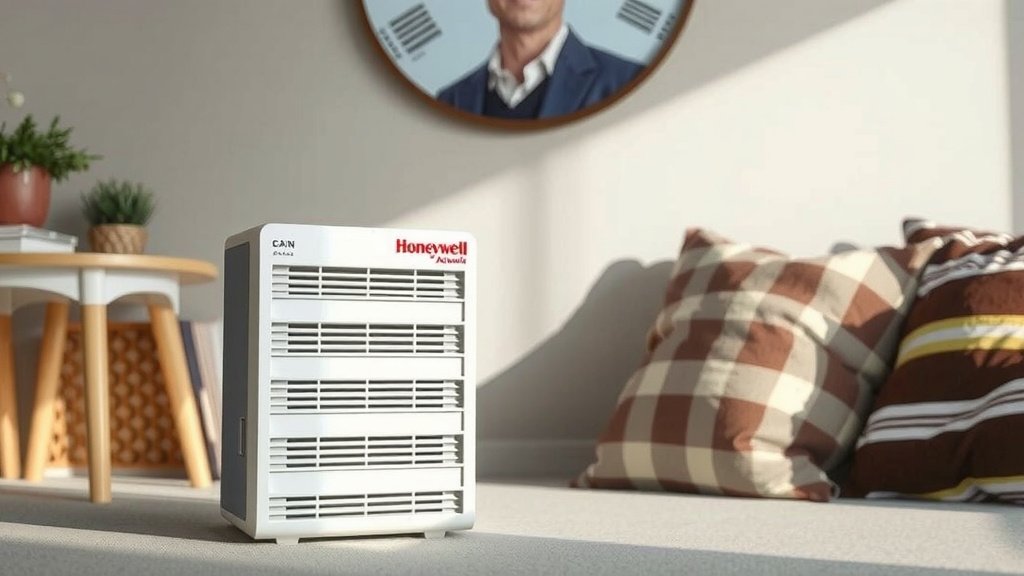
Taking care of your Honeywell air purifier’s filter isn’t rocket science, but it does require a little attention. Following a few simple steps will ensure you get the most out of your filter and your machine.
Check Your Manual First
Every Honeywell air purifier model is slightly different. Your owner’s manual is your best friend here. It will provide the most accurate replacement interval for your specific model. It also details how to properly access and replace the filters. We always recommend checking it before you begin.
Cleaning vs. Replacing
Remember that pre-filter? If your model has one, it’s often washable. You can usually rinse it gently with water and let it air dry completely. This can extend the life of your main HEPA and carbon filters. However, the HEPA and carbon filters themselves are generally not washable. They need to be replaced according to the recommended schedule. Washing them can damage the filter media and reduce its effectiveness.
Replacement Schedule Checklist
To help you stay on track, here’s a quick checklist:
- Check Filter Indicator Light: Address it promptly when it lights up.
- Note Filter Lifespan: Mark your calendar about 6 months from the last change.
- Assess Air Quality: Notice any returning odors or dust buildup?
- Listen to Your Purifier: Any unusual noises or reduced airflow?
- Consider Usage: Heavy use means more frequent checks.
- Consult Your Manual: Always verify with your model’s specific instructions.
Where to Find Replacement Filters
Getting new filters is usually straightforward. You can typically purchase genuine Honeywell replacement filters directly from the Honeywell website, major online retailers, or sometimes from local appliance stores. We found that using authentic Honeywell filters is best for ensuring optimal performance and longevity of your air purifier.
“`Conclusion
You’ve learned that changing your Honeywell air purifier filter every 6 to 12 months is the general rule. Remember, factors like pets, allergies, and your home’s air quality play a big role. Watching for performance drops and indicator lights helps you know when it’s truly time. Keeping your filter fresh ensures your purifier continues to deliver cleaner air for your home. Your next step is to check your specific Honeywell model’s manual and mark your calendar for that next filter change. You’ll breathe easier knowing you’re on top of your air quality!
Frequently Asked Questions
How often should I change my Honeywell air purifier pre-filter?
Your Honeywell air purifier’s pre-filter is often washable and reusable. We recommend checking and cleaning your pre-filter monthly. This can help extend the life of your main HEPA and carbon filters. Always allow the pre-filter to dry completely before reinserting it.
Can I wash my Honeywell HEPA filter?
No, you should not wash your Honeywell HEPA or activated carbon filters. These filters are designed for replacement, not washing. Washing them can damage the delicate filter media and make them less effective at capturing airborne particles. Always replace them with new ones.
What happens if I don’t change my Honeywell air purifier filter?
If you don’t change your Honeywell air purifier filter, its performance will decrease. A clogged filter restricts airflow, making the unit work harder and less efficiently. You might notice more dust accumulating, increased allergens, or lingering odors in your home. It can also put unnecessary strain on your air purifier’s motor.
Do I need to buy genuine Honeywell filters?
We found that using genuine Honeywell replacement filters is generally best. They are designed to fit your specific model and maintain its optimal performance. While third-party filters might seem cheaper, they may not offer the same level of filtration or longevity. Authentic filters ensure your purifier works as intended.
How do I know if my Honeywell air purifier needs a new filter if the light hasn’t come on?
Besides the filter indicator light, pay attention to your purifier’s performance. If you notice a decrease in airflow, hear unusual noises, or if you start experiencing more dust, allergens, or odors returning to your home, it’s a good sign your filter needs changing. Consider how long it’s been since the last change and your home’s air quality.