Himalayan Salt Lamps: How They Purify Your Air
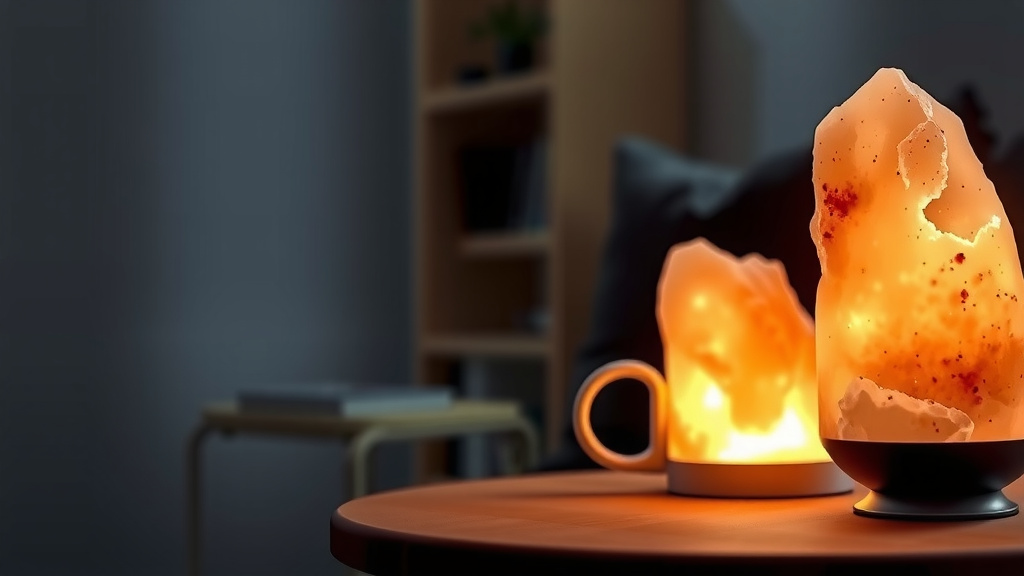
Yes, Himalayan salt lamps can help purify your air through a process called hygroscopy. They attract water molecules from the air, and any pollutants attached to them stick to the lamp’s surface. When the lamp is heated by a bulb, the water evaporates back into the air, leaving the pollutants trapped on the salt.
This natural air-cleaning effect is primarily due to the salt crystals attracting moisture. While the exact amount of purification is debated, many users report a more pleasant atmosphere. It’s believed that the negative ions released when the salt is warmed may also play a role in reducing airborne irritants, like dust and pollen.
- Himalayan salt lamps work via hygroscopy.
- They attract and trap airborne pollutants.
- The heat from a bulb aids this process.
- Negative ions may also contribute to cleaner air.
- This effect is often subtle but noticeable to many.
Ready to learn more about how these beautiful lamps might make your home feel a little fresher? Let’s dive into the science behind it all.
How Do Himalayan Salt Lamps Clean Your Air?
So, you’ve got this beautiful, glowing pink salt lamp. You’ve probably heard they can make your air cleaner, but how does that actually happen? It’s a pretty neat process that involves moisture and a bit of chemistry. Think of your salt lamp as a tiny, natural air filter working diligently in your room.
The Magic of Hygroscopy: Attracting Moisture
The main way these lamps work is through something called hygroscopy. This is a fancy word for the ability of a substance to attract and hold water molecules from the surrounding air. Himalayan salt, being a salt, has this property. It’s like a tiny sponge, but for water vapor.
When your lamp is on, the bulb inside heats up the salt crystal. This warmth creates a surface that’s even more attractive to water molecules floating around in your home. We’re talking about the moisture that’s just naturally present in the air, as well as any that comes from cooking, showering, or even just breathing.
Trapping Pollutants: The Sticky Situation
Here’s where the air purification really kicks in. Attached to those water molecules are all sorts of tiny particles – things like dust, pollen, pet dander, and even some airborne bacteria and viruses. When the salt attracts the water, these tiny irritants get stuck on the lamp’s surface too.
It’s like the salt is saying, “Come on over, water! And hey, bring your friends, the dust bunnies and pollen specks!” The salt crystal surface acts as a sticky trap for these airborne troublemakers. They adhere to the salt, effectively removing them from the air you’re breathing.
Evaporation and Leaving the Nasties Behind
Once the water and its hitchhiking pollutants are on the salt, what happens next? The heat from the light bulb plays a second role. As the lamp continues to warm, the water it attracted begins to evaporate back into the air.
But here’s the clever part: the pollutants that were attached to the water are too heavy or too sticky to evaporate with it. They get left behind on the salt crystal. So, in essence, the lamp attracts the water and its contaminants, then releases clean water vapor back into the air, leaving the “dirty” stuff behind on the salt.
The Role of Negative Ions: A Debated Theory
Some proponents of salt lamps also talk about negative ions. The theory is that when the salt lamp is heated, it releases negative ions into the air. These negative ions are believed by some to neutralize positively charged pollutants, like dust and allergens, making them fall to the ground rather than floating in the air.
You might have heard of negative ions being beneficial. They are naturally found in places like waterfalls and beaches, which often feel very fresh and clean. While the science behind salt lamps specifically generating a significant amount of these beneficial ions is still being researched and debated among experts, it’s an interesting idea!
We found that some studies have looked into the ion-generating capabilities of salt lamps. However, results can vary, and many experts suggest the number of negative ions produced might be quite small. Still, the hygroscopic action is a more widely accepted mechanism for air cleaning (NCBI).
Factors Affecting Purification Effectiveness
Not all salt lamps are created equal, and their effectiveness can depend on a few things. The size of the lamp matters. A larger lamp has more surface area to attract moisture and pollutants than a tiny one. Also, the wattage of the bulb is important; a higher wattage bulb generally produces more heat, which aids in the evaporation process.
The humidity level in your home also plays a role. In very dry environments, there’s less moisture for the lamp to attract. In very humid environments, the lamp might become quite wet, but it’s still working! The key is that the cycle of attraction and evaporation is happening.
Size and Heat Output
A bigger lamp means a larger surface area for hygroscopy to occur. Imagine trying to soak up a spill with a small washcloth versus a large towel – the towel will do a much better job. Similarly, a larger salt lamp can handle more moisture and contaminants.
The heat generated by the bulb is the engine for this whole process. It drives the evaporation. If the bulb is too low wattage, the salt might stay damp for too long, or the evaporation cycle won’t be efficient. You want enough warmth to keep the lamp surface active.
Environmental Conditions
Think about where you live. If you’re in a desert climate, your salt lamp might not seem as active as one in a steamy bathroom city. The air just has less moisture to offer. Conversely, if your home feels perpetually damp, your lamp will be working overtime!
What Kind of Impurities Can They Help With?
Salt lamps are thought to help reduce airborne dust particles, pollen from plants, and even tiny bits of dander from our furry friends. They might also trap some mold spores and even certain types of bacteria that are attached to water droplets in the air.
It’s important to remember that these lamps are not a replacement for proper ventilation or a high-quality HEPA air purifier. They offer a more subtle, natural approach to air freshening. Think of them as a lovely little helper, rather than a heavy-duty cleaner.
Maintaining Your Salt Lamp for Optimal Performance
To keep your salt lamp doing its best work, a little maintenance is needed. Because they attract moisture, you might find a bit of dampness or even a watery residue on the lamp or its base. It’s best to wipe it down gently with a dry or slightly damp cloth.
If your lamp seems excessively wet or damp, it’s a good idea to turn it on for a few extra hours. This helps ensure the evaporation cycle is completed, and it leaves the trapped pollutants behind on the salt. We found that keeping it on for at least 4-6 hours a day helps maintain this process (Cleveland Clinic).
A Quick Checklist for Your Salt Lamp’s Air-Cleaning Power
Here’s a quick rundown of what helps your salt lamp contribute to cleaner air:
- Hygroscopy: Attracts water molecules.
- Pollutant Trapping: Catches dust, dander, and pollen.
- Evaporation Cycle: Releases clean water vapor.
- Heat Activation: Bulb helps the process along.
- Negative Ions: A potential bonus benefit.
- Maintenance: Keeping it clean and dry.
Are They a Replacement for Other Air Purifiers?
While salt lamps offer a unique way to interact with your home’s atmosphere, they are generally considered supplementary. They can contribute to a feeling of fresher air, but they don’t have the powerful filtration systems of electronic air purifiers designed to capture very fine particles or VOCs (volatile organic compounds) (CDC).
If you have significant air quality concerns, allergies, or respiratory issues, it’s wise to consult with an expert or invest in a certified air purification system. Salt lamps are more about adding a natural ambiance and a subtle touch of air improvement to your living space.
Conclusion
You’ve learned how your Himalayan salt lamp works its subtle magic through hygroscopy. It draws in moisture, trapping dust, pollen, and other airborne particles on its surface. The gentle heat from the bulb then evaporates the water, leaving impurities behind.
While not a replacement for heavy-duty air purifiers, your salt lamp contributes to a fresher atmosphere and a more pleasant ambiance. To ensure it performs its best, remember to maintain it by wiping it down and allowing it to heat up regularly. Consider getting a larger lamp or a higher wattage bulb if you want to maximize its potential air-freshening effects in your space.
Frequently Asked Questions
Do I need to leave my salt lamp on all the time?
Leaving your salt lamp on for at least 4-6 hours a day is recommended. This ensures the evaporation cycle, which is key to trapping pollutants, can happen effectively. It helps prevent excessive dampness and maintains the lamp’s air-freshening action.
Can Himalayan salt lamps help with allergies?
Some users report a reduction in allergy symptoms. The theory is that the lamp traps airborne allergens like pollen and pet dander through hygroscopy. While research is ongoing, they can contribute to a less irritating environment for sensitive individuals.
How often should I clean my Himalayan salt lamp?
You should gently wipe down your salt lamp with a dry or slightly damp cloth whenever you notice moisture or dust. If it becomes excessively wet, turn it on for a few extra hours to help it dry out completely.
What size salt lamp is best for air purification?
Larger salt lamps generally offer more surface area for hygroscopy, meaning they can potentially attract and trap more moisture and airborne particles. A bigger lamp will likely be more effective than a very small one.
Are the negative ion claims about salt lamps scientifically proven?
The claim that salt lamps release a significant amount of beneficial negative ions is still debated among experts and requires more research. While some studies suggest a small release, the primary air-purifying mechanism is believed to be hygroscopy.