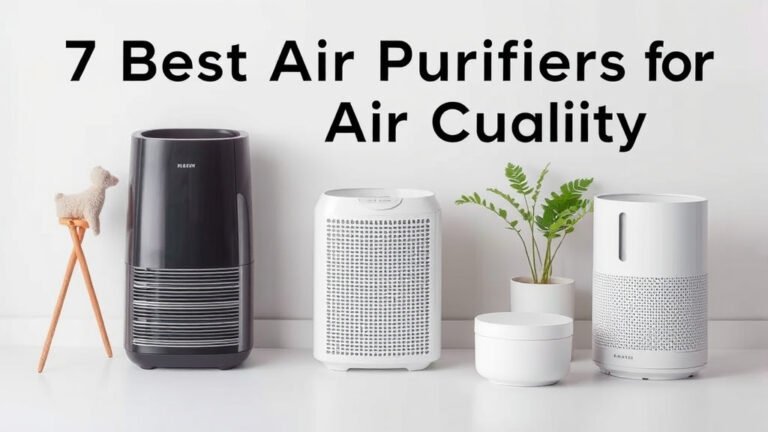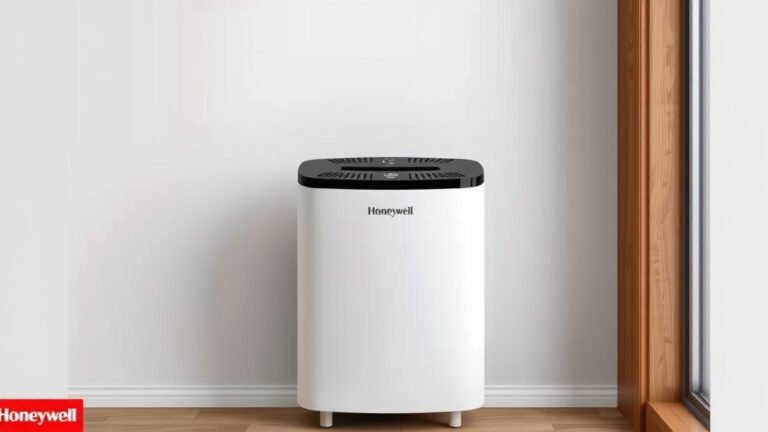
How HEPA Air Purifiers Really Work Explained
HEPA air purifiers work by forcing your indoor air through a very fine mesh filter. This filter is designed to trap 99.97% of airborne particles as small as 0.3 microns. Think of it like a super-powered vacuum cleaner for your air, capturing common allergens and pollutants you can’t even see. This technology is **highly effective** for improving indoor air quality.
These amazing devices tackle a wide range of microscopic troublemakers. They capture dust mites, pet dander, pollen, and even some bacteria and viruses. By removing these irritants, HEPA filters help create a cleaner and healthier living space for you and your family. Many people find relief from allergy symptoms by using them regularly. It’s a fantastic way to get **cleaner air** in your home.
- HEPA filters trap tiny particles from your air.
- They remove allergens like pollen and pet dander.
- They can also capture bacteria and viruses.
- This leads to better indoor air quality.
Ready to understand the magic behind these filters? Let’s walk through exactly how a HEPA air purifier cleans your air, step by step.
Understanding How HEPA Air Purifiers Clean Your Air
So, how exactly does a HEPA air purifier perform its magic? It’s a clever process that pulls dirty air in and pushes clean air out. Think of it like your lungs, but for your entire room. We’ll break down the journey your air takes through the purifier, step by step.
The Journey of Air Through a HEPA Purifier
Step 1: Drawing Air In
The process begins with a fan. This fan is the engine of your air purifier. It creates suction, gently pulling the air from your room into the unit. You might hear a soft hum as it gets to work. This is the first step in capturing those pesky airborne particles. The fan’s speed often adjusts depending on the air quality detected.
Step 2: The Pre-Filter Stage
Before the air hits the main HEPA filter, it usually passes through a pre-filter. This layer is designed to catch larger particles. We’re talking about things like visible dust bunnies, hair, and lint. It’s like a coarse sieve. This important step protects the more delicate HEPA filter. It also helps extend the life of the HEPA filter itself. Without it, the main filter would clog up much faster.
Step 3: The HEPA Filter – The Star Player
This is where the real work happens. The HEPA filter is made of a dense mat of fine fibers. These fibers are arranged randomly. They create a complex maze for the air to navigate. This filter is so fine, it can trap particles as small as 0.3 microns. For perspective, a human hair is about 75 microns wide.
The trapping mechanism isn’t just simple sieving. It uses a few different methods:
- Interception: Larger particles might just brush up against a fiber and get stuck.
- Impaction: As air currents change direction, heavier particles can’t follow. They crash into a fiber.
- Diffusion: Very tiny particles move erratically. This random movement increases their chances of hitting a fiber.
These three methods work together to capture an impressive amount of pollutants. The U.S. Department of Energy specifies that a true HEPA filter must remove at least 99.97% of airborne particles. This standard is quite rigorous.
Step 4: Activated Carbon Filter – Tackling Odors and Gases
After the HEPA filter has done its job on solid particles, the air often moves to an activated carbon filter. This filter is made from charcoal that has been treated to be extremely porous. It’s like a super-sponge for gases and odors. It adsorbs volatile organic compounds (VOCs). These are things like fumes from cleaning products or cooking smells. It also tackles smoke odors and pet smells. Many experts say this filter is key for truly fresh-smelling air.
Step 5: The Fan Returns Clean Air
Once the air has passed through all the filter stages, the fan pushes it back out into your room. You’re now breathing air that has had much of the unwanted stuff removed. It’s a continuous cycle that happens many times an hour. The number of times the air is cleaned is called the air changes per hour (ACH).
What Exactly Can a HEPA Filter Remove?
You might be wondering what kinds of things these filters are so good at capturing. The list is quite extensive, covering many common indoor air pollutants that affect your health and comfort.
Common Allergens
For allergy sufferers, HEPA filters are a true game-changer. They effectively trap microscopic allergens like:
- Pollen: From trees, grasses, and weeds that find their way indoors.
- Pet Dander: Tiny flakes of skin shed by pets. This is a major allergen for many people.
- Dust Mites: Microscopic creatures that live in dust and are common triggers for asthma.
- Mold Spores: Tiny reproductive cells released by mold, which can cause respiratory issues.
Research has shown that reducing exposure to these allergens can significantly improve symptoms for people with allergies and asthma (American College of Allergy, Asthma & Immunology).
Other Microscopic Particles
Beyond allergens, HEPA filters can capture a variety of other tiny particles. This includes:
- Bacteria: Some airborne bacteria are large enough to be trapped.
- Viruses: While many viruses are smaller than 0.3 microns, they often travel attached to larger particles like respiratory droplets. HEPA filters can capture these larger carriers.
- Smoke Particles: The fine soot and ash from smoke.
- Fine Dust: The very small dust particles that settle on surfaces.
It’s important to note that while HEPA filters are excellent for particles, they don’t remove gases or odors on their own. That’s why the activated carbon filter is so important.
HEPA Filter Performance: What to Look For
Not all air purifiers are created equal. When you’re looking for a HEPA purifier, a few key factors determine how well it will perform in your home.
True HEPA vs. HEPA-Type
This is a really important distinction. A True HEPA filter meets the 99.97% efficiency standard for particles 0.3 microns in size. A “HEPA-type” or “HEPA-like” filter might sound similar, but it doesn’t meet the same stringent requirements. Always look for the term “True HEPA” or ensure it meets the IECE standards.
CADR Ratings
CADR stands for Clean Air Delivery Rate. This is a standardized measurement of how quickly an air purifier can clean the air in a room. It’s measured for three types of pollutants: smoke, dust, and pollen. A higher CADR number means the purifier works faster and more effectively. We found that matching the CADR to your room size is crucial for optimal performance.
Room Size and ACH
Air purifiers are rated for specific room sizes. Using a purifier that’s too small for your space means it won’t clean the air effectively. Experts often recommend that an air purifier should be able to clean the air in your room at least 4-5 times per hour (ACH) for maximum benefit, especially if you have allergies or pets (ASHRAE).
Here’s a quick checklist to remember what HEPA air purifiers tackle:
- ✓ Traps 99.97% of particles 0.3 microns and larger.
- ✓ Captures common allergens like pollen and dander.
- ✓ Removes dust mites and mold spores.
- ✓ Filters out bacteria and viruses (often on larger particles).
- ✓ Works alongside carbon filters for odors and gases.
- ✓ Requires proper sizing for your room to be effective.
Conclusion
You now understand how HEPA air purifiers work their magic. They use a multi-stage filtration process, starting with a fan to draw in air. A pre-filter catches larger debris, protecting the main HEPA filter. This star player traps 99.97% of tiny particles, including allergens, dust, and even some germs. An activated carbon filter then tackles odors and gases. Finally, the fan releases clean air back into your room. Taking this step can dramatically improve your home’s air quality.
Ready to breathe easier? Consider investing in a True HEPA air purifier sized correctly for your space.
Frequently Asked Questions
How often do I need to replace a HEPA filter?
Filter replacement schedules vary by manufacturer and usage. Generally, you’ll need to replace the main HEPA filter every 6 to 12 months. Check your purifier’s manual for specific recommendations. Replacing filters on time is key to maintaining optimal performance.
Can HEPA filters actually capture viruses and bacteria?
Yes, HEPA filters can capture many airborne bacteria and viruses. While some viruses are smaller than the 0.3-micron HEPA standard, they often travel attached to larger particles like water droplets. The HEPA filter effectively traps these larger carriers.
What’s the difference between a “True HEPA” filter and a “HEPA-type” filter?
This is an important distinction. A True HEPA filter is certified to capture 99.97% of particles 0.3 microns in size. A “HEPA-type” or “HEPA-like” filter may not meet this strict standard. Always look for “True HEPA” on the packaging for guaranteed performance.
Do HEPA air purifiers remove smells and chemical fumes?
HEPA filters themselves are primarily for trapping particles. To effectively remove odors, smoke, and chemical fumes (VOCs), you need an air purifier with an activated carbon filter. Many HEPA purifiers include this as a second stage for comprehensive air cleaning.
How do I know if my air purifier is the right size for my room?
Air purifiers have a recommended room size rating. To ensure effective cleaning, choose a unit designed for your room’s square footage or larger. Experts often suggest a purifier that can achieve at least 4-5 air changes per hour (ACH) in your space.