How Coway Air Purifiers Actually Work Explained
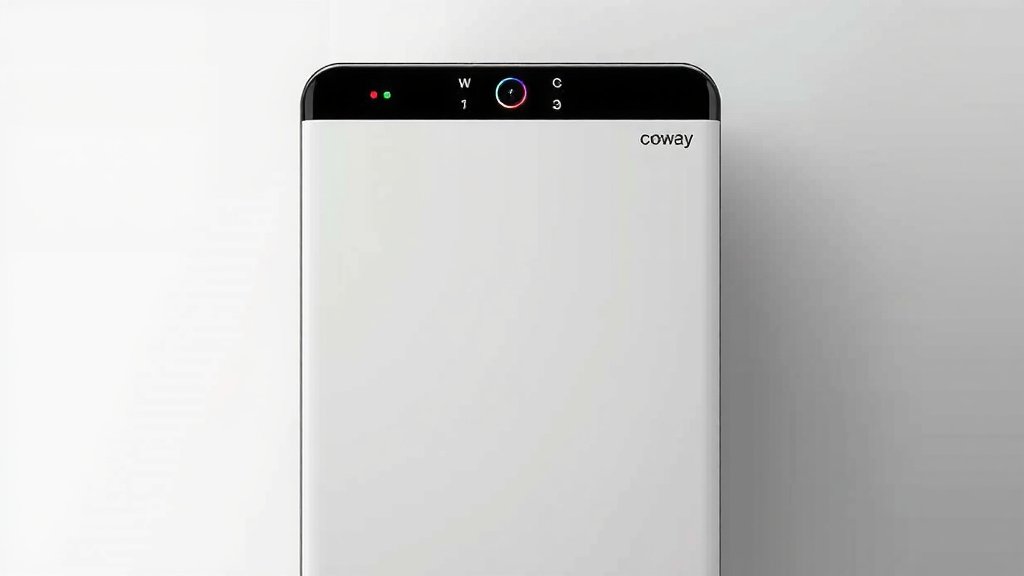
Coway air purifiers work by pulling in polluted air and cleaning it through a multi-stage filtration system. They are designed to capture dust, allergens, smoke, and even pet dander. This process helps to create a healthier breathing environment in your home. Many users report cleaner air and fewer allergy symptoms after using a Coway purifier.
These purifiers often feature a HEPA filter, which is the gold standard for air cleaning. They also typically include a pre-filter for larger particles and an activated carbon filter for odors. Understanding how this advanced filtration works can help you appreciate the fresh air Coway purifiers provide. It’s like a tiny, silent guardian for your lungs.
- Coway purifiers clean air using a multi-stage filter.
- They catch dust, allergens, smoke, and pet dander.
- Key filters include HEPA and activated carbon.
- This system improves your home’s air quality.
Let’s walk through exactly how your Coway air purifier gets the job done, step by step.
Understanding Your Coway Air Purifier’s Cleaning Process
You might be wondering what’s actually happening inside your Coway air purifier to make your air so much cleaner. It’s a clever, multi-step process designed to tackle a wide range of airborne particles. Let’s break down exactly how your unit works its magic.
The Journey of Air Through Your Coway Purifier
Think of your Coway air purifier as having a series of specialized cleaning stations for the air in your home. Each station targets different types of pollutants, ensuring a thorough clean. The process starts the moment you turn it on.
Step 1: Intake and Initial Capture
First, your Coway unit gently pulls in the air from your room. This happens through an intake vent, usually located on the back or sides. This is where the first line of defense, the pre-filter, gets to work.
The Role of the Pre-Filter
The pre-filter is like your home’s first big sieve. It’s designed to catch the larger stuff floating around. We’re talking about things like visible dust bunnies, pet hair, and larger lint particles. This step is super important because it protects the more sensitive filters deeper inside. If these big particles made it through, they could clog up the finer filters too quickly. Researchers often point to good pre-filtration as key to extending the life of an air purifier’s more expensive filters (National Air Filtration Association).
Step 2: The HEPA Filter’s Heavy Lifting
After the pre-filter, the air moves on to what many consider the star of the show: the HEPA filter. This is where the serious fine particle capture happens.
What is a True HEPA Filter?
A True HEPA (High-Efficiency Particulate Air) filter is certified to capture at least 99.97% of airborne particles as small as 0.3 microns. That’s incredibly tiny! For perspective, a human hair is about 70 microns wide. These filters are designed to trap things like pollen, mold spores, dust mites, and even some bacteria and viruses. Studies have consistently shown HEPA filters to be highly effective in removing these microscopic irritants from indoor air (Centers for Disease Control and Prevention).
How the HEPA Filter Captures Particles
It’s not just a simple mesh. HEPA filters are made of a dense mat of randomly arranged fibers. Air passes through this mat, and particles get caught through a few different mechanisms:
- Impaction: Larger particles collide directly with the filter fibers and stick.
- Interception: Medium-sized particles follow the airflow but get snagged on fibers as they pass by.
- Diffusion: The smallest particles move randomly (Brownian motion) and bump into fibers, getting trapped.
This combination ensures that even the teeniest, unseen particles are effectively removed from the air you breathe.
Step 3: Tackling Odors and VOCs with Activated Carbon
Once the fine particles are gone, your air might still have lingering odors or potentially harmful gases. That’s where the activated carbon filter comes in. It’s like a specialized sponge for smells and chemicals.
The Power of Activated Carbon
Activated carbon is charcoal that has been treated to be extremely porous. This means it has a massive surface area. This enormous surface allows it to absorb gases and volatile organic compounds (VOCs) from the air. We’re talking about odors from cooking, pet accidents, smoke, and even off-gassing from new furniture or cleaning products (National Institute of Environmental Health Sciences).
How Absorption Works
The process here is called adsorption. The gas molecules from odors and VOCs stick to the surface of the activated carbon. It’s a chemical attraction. Unlike the HEPA filter, which physically traps particles, the carbon filter chemically binds with gases. This step is vital for creating air that not only looks cleaner but also smells fresher and is free from some harmful airborne chemicals.
Step 4: Additional Layers and Features
Depending on your specific Coway model, there might be other stages or features at play. Some units include:
- Deodorization Filters: These might be specialized carbon filters or have added materials to target specific smells more effectively.
- Ionizers: Some models might include an ionizer, which releases negative ions to help particles clump together and fall out of the air, or attach to surfaces, making them easier for the filters to capture. It’s worth noting that while ionizers can help, it’s important to ensure they don’t produce ozone, as high levels of ozone can be harmful to respiratory health. Coway models are generally designed to be ozone-free.
- UV-C Light: Certain high-end purifiers may use UV-C light to help neutralize airborne microorganisms like bacteria and viruses after they’ve been captured by the filters.
Maintenance: Keeping Your Coway Working Great
To ensure your Coway air purifier continues to perform at its best, regular maintenance is key. This typically involves:
- Cleaning the Pre-Filter: This is usually washable.
- Replacing the HEPA and Carbon Filters: These have a lifespan and will eventually need to be swapped out.
Your air purifier’s indicator lights will usually tell you when it’s time for filter maintenance or replacement. Following these simple steps ensures that your unit keeps providing you with clean, fresh air.
Summary of Your Coway’s Filtration Stages
Here’s a quick look at the air’s journey:
| Stage | Filter Type | What it Captures |
|---|---|---|
| 1 | Pre-Filter | Large particles (dust, hair, lint) |
| 2 | True HEPA Filter | Fine particles (pollen, mold, dander, bacteria) |
| 3 | Activated Carbon Filter | Odors, gases, VOCs |
| 4 (Model Dependent) | Optional: Ionizer/UV-C | Microorganisms, airborne particles |
A Checklist for Understanding Your Air Purifier
To make sure you’re getting the most out of your Coway, consider these points:
- Know the names of the filters in your specific model.
- Understand what each filter is designed to catch.
- Check your manual for cleaning instructions for the pre-filter.
- Note the recommended replacement schedule for HEPA and carbon filters.
- Pay attention to any filter replacement indicators on your unit.
- Ensure your purifier is placed where it can effectively circulate air.
By understanding these steps, you can better appreciate the technology working to improve your home’s air quality, day in and day out.
Conclusion
You’ve learned how your Coway air purifier diligently cleans your air through a smart, multi-stage process. From catching large dust with its pre-filter to trapping microscopic allergens with its HEPA filter, and neutralizing odors with activated carbon, your unit works hard. Understanding these steps means you can better appreciate the fresh air it provides. To keep your Coway running at peak performance, remember to clean the pre-filter and replace the other filters on schedule. Next, take a moment to check your air purifier’s manual and note down the recommended filter replacement dates to ensure you always have clean air.
Frequently Asked Questions
How often do I need to replace my Coway’s HEPA filter?
The replacement frequency for your HEPA filter typically depends on usage and air quality, but most manufacturers recommend replacing it every 6 to 12 months. Your Coway unit often has an indicator light that will alert you when it’s time for a change.
Can a Coway air purifier really remove pet dander and allergens?
Yes, your Coway air purifier is designed to effectively capture pet dander, pollen, dust mites, and other common allergens. The True HEPA filter is specifically rated to trap these tiny particles that often trigger allergy symptoms.
What’s the difference between the pre-filter and the HEPA filter?
The pre-filter is the first line of defense, designed to catch larger particles like pet hair and visible dust, protecting the finer filters. The True HEPA filter works on much smaller particles, capturing 99.97% of airborne contaminants down to 0.3 microns.
Will my Coway air purifier get rid of cooking smells and smoke odors?
Absolutely. The activated carbon filter in your Coway unit is excellent at adsorbing odors from cooking, smoke, and even pet smells. This filter works in conjunction with the HEPA filter to provide comprehensive air purification.
Is it okay to wash the HEPA filter or the carbon filter?
No, you should never wash the HEPA filter or the activated carbon filter. These filters are designed for replacement, not cleaning. Washing them can damage their structure and reduce their effectiveness. The pre-filter, however, is usually washable.
![5 Best Air Purifier for Basement Smells [In 2026]](https://homeunderstandable.com/wp-content/uploads/2025/06/best-air-purifier-for-basement-smells.jpg)