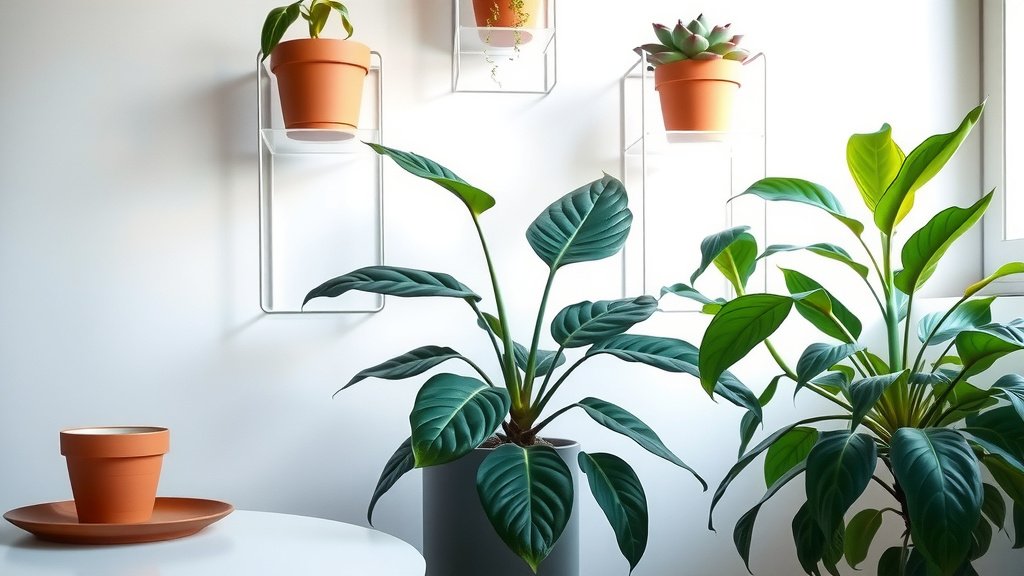
How Indoor Plants Actually Purify Your Air
Yes, indoor plants can help purify your air by removing certain toxins and improving air quality. Through a process called phytoremediation, plants absorb pollutants through their leaves and roots. They then break down these harmful chemicals into less damaging substances.
This natural air-cleaning ability makes plants fantastic additions to your home or office. You might be surprised how many common household items release these airborne pollutants. Having a few green friends can contribute to a healthier living space for you and your family. Many experts agree on the benefits of incorporating plants indoors for better air.
- Plants use natural processes to clean air.
- They absorb toxins through leaves and roots.
- This helps reduce common indoor air pollutants.
- Indoor plants contribute to a healthier environment.
Ready to learn more about how your leafy companions work their magic? Let’s break down the science behind how indoor plants purify your air.
How Plants Actually Clean Your Indoor Air
You might be wondering how those leafy friends in your living room or office actually work their magic. It’s a fascinating natural process that’s been happening for ages. Plants are like tiny, silent air purifiers, working constantly to make your environment healthier. We’ve all heard that plants are good for us, but the science behind their air-cleaning superpowers is pretty neat.
The Science Behind the Green Clean: Phytoremediation
The main way plants clean your air is through a process called phytoremediation. Think of it like nature’s own filtration system. Plants take in various substances from their surroundings, and this includes the pollutants floating in your indoor air. They don’t just suck them up; they actually break them down.
How Plants “Breathe” in Pollutants
Plants have tiny pores on their leaves called stomata. These are like little mouths that open and close. They use these stomata to take in carbon dioxide for photosynthesis, which is how they make their food. But, as a bonus, these stomata also let in volatile organic compounds (VOCs) and other airborne toxins that might be lingering in your home.
Roots Play a Big Role Too!
It’s not just the leaves doing the work. Plant roots and the microorganisms living around them in the soil also play a vital role. As water moves through the soil, it can carry pollutants down to the roots. The microbes in the soil help to break down these harmful chemicals. So, the entire plant system, from leaves to roots, is involved in cleaning your air.
What Kinds of Pollutants Do Plants Target?
Many common household items can release harmful chemicals into your air. These are often referred to as VOCs. Plants have been found to be effective at reducing certain types of these pollutants. This is why having plants can contribute to better indoor air quality.
Common Toxins Plants Can Help With
- Formaldehyde: You can find this in furniture, carpets, and cleaning products.
- Benzene: It’s present in plastics, resins, and some paints.
- Xylene and Toluene: These are often found in paints, glues, and printing inks.
- Trichloroethylene: This chemical is sometimes found in varnishes and adhesives.
Research has shown that plants can absorb and break down these compounds, turning them into harmless byproducts. It’s a slow process, but over time, it can make a difference in your home’s air.
Not All Plants Are Equal Air Purifiers
While many plants offer some air-purifying benefits, some are simply better than others. Scientists have studied different plant species to see their effectiveness. For example, the NASA Clean Air Study is a well-known research project that looked into this.
| Plant Type | Pollutants Targeted |
|---|---|
| Snake Plant (Sansevieria trifasciata) | Formaldehyde, Benzene, Xylene, Toluene, Trichloroethylene |
| Spider Plant (Chlorophytum comosum) | Formaldehyde, Benzene, Xylene, Toluene |
| Peace Lily (Spathiphyllum) | Formaldehyde, Benzene, Xylene, Toluene, Ammonia |
| Areca Palm (Dypsis lutescens) | Formaldehyde, Benzene, Xylene, Toluene |
| Pothos (Epipremnum aureum) | Formaldehyde, Benzene, Xylene, Toluene |
Keep in mind that you’d need a lot of plants to significantly impact a large space. However, even a few well-placed plants can contribute to a fresher atmosphere.
Beyond Toxins: Other Ways Plants Help Your Environment
While cleaning the air is a major benefit, indoor plants offer other advantages that improve your living space. They do more than just absorb chemicals; they contribute to a sense of well-being.
Boosting Humidity Naturally
Do you ever feel like your indoor air is too dry, especially in the winter? Plants release water vapor into the air through a process called transpiration. This can help to increase the humidity levels in your home. Proper humidity can make your skin feel better and even help with dry throats.
The Psychological Perks of Greenery
Having plants around can also have a positive impact on your mood and stress levels. Many studies have shown that simply being around plants can make people feel calmer and more relaxed. It’s like a little dose of nature right in your own home.
Creating a More Serene Space
The color green is often associated with nature and tranquility. Having live plants can make a room feel more inviting and peaceful. They add a touch of life and beauty that sterile environments often lack. This can be especially helpful if you spend a lot of time indoors.
A Gentle Reminder: Plants Need Care!
To get the most out of your air-purifying plants, remember they need care. Just like you need food and water, your plants do too. They need the right amount of light and water to thrive and do their best work. Neglected plants won’t be able to help your air as effectively.
Basic Plant Care Checklist
- Provide appropriate light for each plant.
- Water only when the soil is dry to the touch.
- Ensure good drainage to prevent root rot.
- Dust the leaves occasionally so they can “breathe” better.
- Consider a little fertilizer during growing seasons.
- Repot when the plant becomes too big for its current container.
Taking a little time to care for your plants ensures they stay healthy and continue to contribute positively to your home environment.
Conclusion
You’ve learned how your green companions actively improve your indoor air quality. Through phytoremediation, plants absorb and break down common household toxins like formaldehyde and benzene. They also contribute to your well-being by naturally boosting humidity and creating a more peaceful atmosphere. While a few plants won’t replace mechanical air purifiers, they offer a wonderful, natural enhancement to your living space. Ready to start breathing a little easier? Choose a few of the air-purifying plants we discussed and give your home a fresh, healthy boost today!
Frequently Asked Questions
Do I need a lot of plants to see an air purification effect?
While research shows plants can clean air, you’d need many plants to dramatically purify a large room. However, even a few well-placed plants can contribute to a fresher, healthier environment. Think of them as a natural supplement to good ventilation.
Can indoor plants remove all types of air pollution?
Plants are most effective at removing specific volatile organic compounds (VOCs) released by common household items. They aren’t designed to filter out every single airborne particle or pollutant. For comprehensive air cleaning, other methods are still recommended.
Are some plants better at cleaning air than others?
Yes, research indicates that certain plant species are more efficient at absorbing toxins than others. Plants like the Snake Plant, Spider Plant, and Peace Lily have been studied for their air-purifying capabilities.
How often should I dust my plants for them to purify air effectively?
Dusting your plants’ leaves occasionally helps them absorb light and air more efficiently. A gentle wipe-down every few weeks, or whenever you notice a buildup of dust, is usually sufficient to keep their pores clear.
Can plants help with air purification if I don’t have much sunlight?
Many effective air-purifying plants can tolerate lower light conditions. Plants like the Snake Plant and Pothos are known for their ability to thrive in less sunny spots while still offering air-cleaning benefits.