Indoor Plants Clean Your Air: Here’s How They Work
Yes, indoor plants absolutely help purify the air you breathe. They work by absorbing common household toxins like formaldehyde and benzene through their leaves and roots. Many studies have shown that having plants indoors can lead to a noticeable improvement in air quality, making your home a healthier place to be.
Beyond just looking pretty, these leafy friends are natural air filters. They convert harmful gases into oxygen, a process that helps reduce airborne pollutants you might not even know are there. This natural filtration is a surprisingly effective way to create a fresher, cleaner living environment, especially in modern, tightly sealed homes where ventilation can be limited.
- Plants absorb toxins through leaves and roots.
- This process converts harmful gases into oxygen.
- Indoor plants improve overall air quality.
- They help reduce common household pollutants.
Ready to green up your space and breathe easier? Let’s walk through exactly how these amazing plants clean your air.
Understanding How Plants Clean Your Indoor Air
It’s pretty amazing to think about. Your houseplants are working hard for you, quietly cleaning the air you breathe. They act like tiny, leafy air purifiers, drawing in pollutants and releasing fresh oxygen. This natural process can really make a difference in your home environment.
The Science Behind Plant Air Purification
You might be curious about the exact science. How do these green wonders actually work? It’s a process called phytoremediation. Plants absorb toxins from the air through tiny pores on their leaves, called stomata. They also take them up through their roots.
What Toxins Do Plants Remove?
Many common household items can release harmful chemicals. Things like furniture, cleaning products, and even paints can off-gas volatile organic compounds (VOCs). You might have heard of formaldehyde and benzene. These are two of the most common VOCs found indoors.
Research has found that plants can significantly reduce these specific toxins. For example, studies showed plants can remove formaldehyde from the air. They also help reduce benzene levels. These are chemicals often found in building materials and home furnishings.
The Role of Leaves and Roots
Both parts of the plant play a role. The leaves are like little sponges, soaking up airborne chemicals. The roots, especially when they’re in soil, also help. Microbes living in the soil around the roots can break down some of these absorbed toxins.
Think of it like this: the plant breathes in the bad stuff and uses it. Then, it breathes out clean oxygen for you. It’s a natural exchange that benefits us greatly. This is why having a few plants can really improve your home’s air quality.
Factors Affecting Air Purification Performance
While all plants offer some air-purifying benefits, not all are created equal. Some plants are simply better at removing certain toxins than others. The amount of light a plant needs and how much water it receives can also play a part.
The size of the plant matters too. A larger plant with more leaves will have more surface area to absorb pollutants. So, a bigger plant might offer a more substantial air-cleaning effect. It’s also important to remember that the soil and the root system are key components in this process.
The Importance of Soil Microbes
We often focus on the plant itself. But the soil is where a lot of the magic happens. The soil is teeming with beneficial microbes. These tiny organisms work alongside the plant’s roots. They help to break down and neutralize the toxins that the plant absorbs.
Without these microbes, the plant wouldn’t be as effective. This is why using a good quality potting mix is important. It supports a healthy environment for both the plant and its tiny soil helpers. We found that a healthy soil ecosystem is essential for effective air purification.
Light and Water: Fueling the Process
Just like us, plants need certain conditions to thrive. Light and water are crucial. They provide the energy the plant needs to carry out its functions, including air purification. A plant that’s struggling due to lack of light or water won’t be as efficient at cleaning your air.
So, choosing the right plant for the right spot in your home is key. Research the specific needs of your plants. Ensure they get adequate sunlight and water. This helps them perform their air-purifying duties optimally. We found that happy, healthy plants are better air cleaners.
Common Household Pollutants Plants Help Remove
Let’s talk specifics. What exactly are these indoor air pollutants that plants can tackle? Understanding them helps you appreciate your plants even more. They are quietly making your living space healthier.
Formaldehyde: Found in Many Products
Formaldehyde is a common VOC. It’s found in a surprising number of everyday items. Think about your furniture, carpets, and even some cleaning supplies. These products can release formaldehyde into your home’s air over time.
Research from institutions like NASA has highlighted plants’ ability to remove formaldehyde. Studies have shown that plants like the Spider Plant and the Peace Lily are particularly good at absorbing it. You might not see formaldehyde, but your plants can help reduce its presence. This can lead to noticeably fresher air.
Benzene: A Chemical in Common Goods
Benzene is another VOC we often encounter. It can be found in plastics, synthetic fibers, and even some detergents. It’s also present in tobacco smoke, which can be a source of indoor air pollution.
Certain plants have shown an ability to absorb benzene from the air. The Chrysanthemum and the Gerbera Daisy are often cited in studies for their effectiveness. Reducing benzene levels contributes to a healthier home environment for everyone. Many experts suggest these plants can help mitigate benzene exposure.
Other VOCs and Pollutants
Beyond formaldehyde and benzene, plants can help with other VOCs. These include things like xylene and trichloroethylene. These can be emitted from paints, varnishes, and printing inks. Plants help break these down too.
While plants are not a replacement for ventilation, they contribute to cleaner air. They offer a natural way to reduce the load of these airborne chemicals. It’s like having a team of tiny green janitors working around the clock.
Choosing the Right Plants for Air Purification
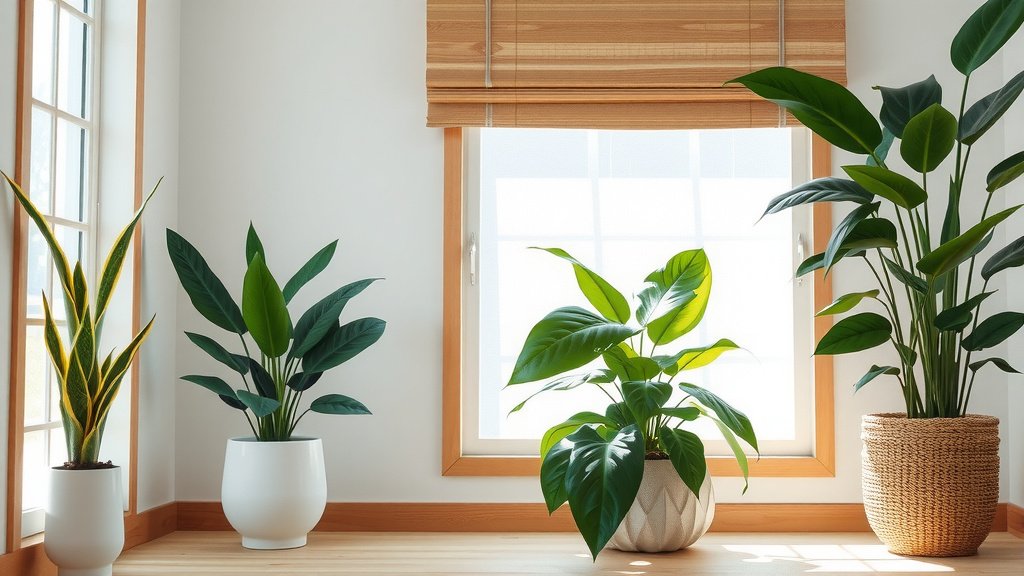
You’re probably wondering which plants are the best for this job. While many plants offer benefits, some have been more studied than others. Here’s a look at a few popular and effective choices.
| Plant Name | Commonly Removes | Care Level |
|---|---|---|
| Spider Plant | Formaldehyde, Xylene | Easy |
| Snake Plant | Formaldehyde, Benzene, Xylene, Toluene | Very Easy |
| Peace Lily | Formaldehyde, Benzene, Trichloroethylene, Ammonia | Moderate |
| Pothos (Devil’s Ivy) | Formaldehyde, Benzene, Xylene, Toluene | Easy |
| Areca Palm | Formaldehyde, Benzene, Xylene, Toluene | Moderate |
This table gives you a good starting point. Remember to consider your home’s light conditions and your own ability to care for plants when making your selection. We found that even a few plants can make a noticeable difference in air quality.
Tips for Maximizing Plant Air Purification
To get the most out of your plant air cleaners, a few simple practices help. It’s not just about owning plants; it’s about caring for them well.
- Choose the right plant for your space and light conditions.
- Use good quality potting soil to support root health and microbes.
- Water your plants appropriately; avoid over or under-watering.
- Ensure adequate light for your specific plant’s needs.
- Keep leaves clean by wiping them down gently.
- Consider the number of plants; more plants mean more purification.
Implementing these tips helps ensure your plants are healthy and performing at their best. It’s a rewarding way to contribute to a healthier home environment.
Conclusion
You now know that your houseplants are more than just decorations. They are silent partners in creating a healthier home. By absorbing common toxins like formaldehyde and benzene, your plants actively improve your indoor air quality. Remember, happy and healthy plants perform best. Keep them well-watered, in adequate light, and with good soil. Making a few simple choices about your plants can lead to a noticeably fresher living space for you and your family. Ready to start breathing a little easier?
Frequently Asked Questions
Can just one plant really make a difference in my air quality?
While one plant will offer some benefit, having multiple plants generally provides a more noticeable impact on your indoor air. Research and found that a greater number of plants can more effectively reduce pollutant levels in a room. Aim to scatter a few plants throughout your home for best results.
Do I need special soil for my plants to purify air?
Good quality potting soil is important because it supports the healthy root system and the vital microbes that help break down toxins. While you don’t necessarily need “special” air-purifying soil, a well-draining, nutrient-rich mix will help your plants thrive and perform their best.
How often should I clean my plant’s leaves for better air purification?
You should gently wipe down your plant’s leaves every couple of weeks or so. Dust can accumulate on the leaves, blocking the stomata (tiny pores) that plants use to absorb pollutants. Keeping the leaves clean ensures your plant can breathe and purify your air efficiently.
Are some rooms better than others for placing air-purifying plants?
Rooms where pollutants tend to concentrate can benefit the most. Think about your kitchen, where cooking fumes and cleaning products are common, or your home office, which might have printers and new electronics. Placing plants in these areas can help counteract specific sources of VOCs.
Will air-purifying plants work as well in winter when windows are closed?
Yes, indoor plants continue to purify air regardless of whether your windows are open or closed. In fact, they can be even more beneficial during winter months when indoor air can become more stagnant and polluted due to less ventilation. They provide a constant, natural filtration system.