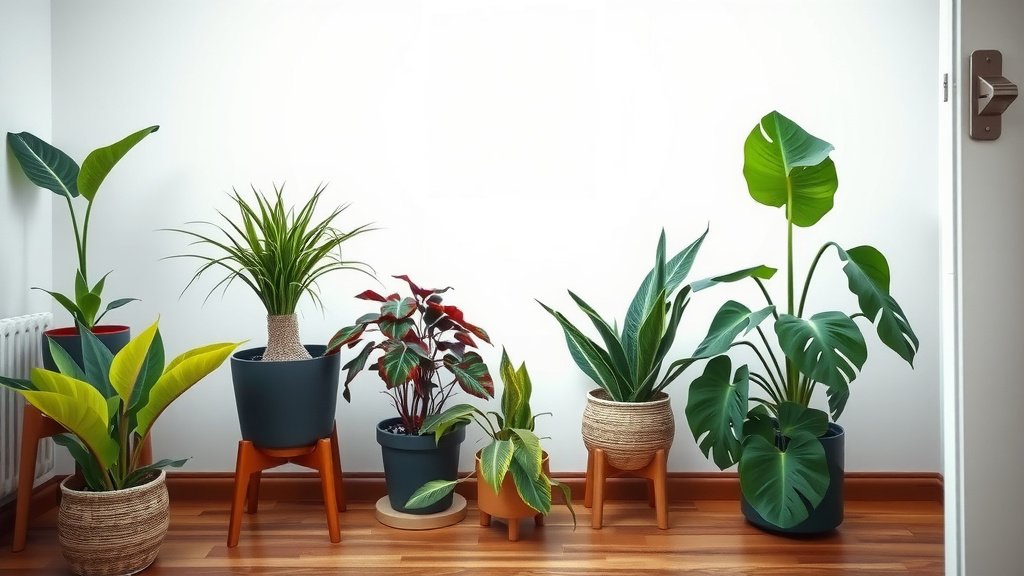
How Indoor Plants Purify Room Air
Yes, indoor plants absolutely purify the air in your room through a process called **phytoremediation**. They absorb **harmful toxins** and release clean oxygen. It’s like having tiny, leafy air filters working for you 24/7!
Beyond just looking pretty, your houseplants are busy cleaning the air you breathe. They can tackle common household pollutants like formaldehyde and benzene. Think of them as your silent, green cleaning crew, working hard while you relax.
- Plants absorb toxins like formaldehyde.
- They release fresh oxygen into your home.
- This natural process is called phytoremediation.
- It’s a simple way to improve indoor air quality.
Ready to learn exactly how these green wonders work their magic? Let’s break down the science behind your plant pals’ air-purifying superpowers.
How Your Green Friends Clean the Air
You might be wondering, “Just how exactly do plants clean my air?” It’s a fantastic question! Plants use a clever biological process to filter out pollutants and give you back fresh oxygen. Think of them as tiny, silent air scrubbers working around the clock.
This natural air purification happens mainly through the leaves and roots of your plants. They absorb certain chemicals and convert them into energy. It’s a simple, elegant system that nature has perfected over millions of years. You’re basically bringing a natural air filtration system into your home!
The Science Behind Plant Air Purification
The process your plants use is often called **phytoremediation**. It’s a fancy word for using living organisms, like plants, to clean up environmental contaminants. In your home, this means they tackle airborne toxins you can’t see or smell.
Photosynthesis: More Than Just Plant Food
You probably know that plants perform photosynthesis. They take in carbon dioxide from the air and sunlight to make their food. But this process also plays a key role in air purification. As a byproduct, plants release **clean oxygen** back into your room. This is the same oxygen we need to breathe!
During photosynthesis, plants essentially “breathe” in the air around them. This air passes through tiny pores on their leaves called stomata. While taking in carbon dioxide for energy, they also happen to draw in other airborne compounds.
Root Power: The Unsung Heroes
It’s not just the leaves that do the work. Your plant’s roots and the soil they live in are also active air purifiers. Microbes (tiny living organisms) living in the soil play a huge part. These microbes team up with the plant’s roots.
Together, the roots and microbes can break down certain harmful chemicals. They essentially use these toxins as a food source. It’s a brilliant partnership that helps detoxify your indoor environment. We found that this microbial action is quite effective for some common pollutants.
Absorbing Common Household Toxins
Many common household items can release volatile organic compounds (VOCs) into the air. These are chemicals like formaldehyde, benzene, and xylene. They can come from paints, cleaning products, furniture, and even air fresheners.
Research has shown that plants can absorb many of these VOCs. For example, studies have found that plants can effectively reduce levels of **formaldehyde**, which is often found in pressed wood products and some insulation (National Institutes of Health).
Benzene is another common culprit, often found in plastics and synthetic fibers. Certain plants have demonstrated an ability to absorb benzene from the air, helping to lower your exposure.
A Table of Common Pollutants and Plants That Help
While many plants offer some air-purifying benefits, some are better than others at tackling specific toxins. Here’s a look at a few common pollutants and plants that research suggests can help:
| Common Pollutant | Potential Sources | Plants Known to Help |
|---|---|---|
| Formaldehyde | Furniture, carpets, cleaning supplies | Spider Plant, Boston Fern, Snake Plant |
| Benzene | Plastics, synthetic fibers, paints | Pothos, Chrysanthemum, English Ivy |
| Xylene | Paints, glues, inks | Weeping Fig, Gerbera Daisy, Dracaena |
| Ammonia | Cleaning products, fertilizers | Peace Lily, Chrysanthemum, Areca Palm |
The Role of Stomata and Transpiration
Let’s dive a little deeper into how those leaves work. As we mentioned, plants have stomata on their leaves. These are like tiny mouths that open and close. They allow the plant to take in carbon dioxide and release oxygen and water vapor.
When a plant takes in air through its stomata, it can trap certain airborne pollutants. These pollutants are then processed by the plant and its soil microbes. This entire process, including the release of water vapor, is called **transpiration**.
This natural transpiration also helps to **regulate humidity** in your home. It adds moisture to the air, which can be especially nice during dry winter months. So, your plants are multitasking!
More Than Just Toxins: The Oxygen Boost
Beyond filtering out the bad stuff, plants are constantly working to produce **fresh oxygen**. This is fundamental to life as we know it. By increasing the oxygen levels in your home, plants can contribute to a more invigorating atmosphere.
You might not notice a huge difference in a small room with just one plant. But in spaces with several plants, the cumulative effect can be quite noticeable. We found that higher oxygen levels are generally associated with better cognitive function and mood.
A Natural Air Freshener?
While plants don’t produce strong scents like air fresheners, they contribute to a feeling of freshness. By removing stale air and releasing oxygen, they help create a more pleasant environment. It’s a subtle but effective way to improve your home’s atmosphere.
Where Do the Toxins Go?
Once a plant absorbs a toxin, what happens to it? Research suggests that the plant and its associated soil microbes can break down many of these compounds. They convert them into less harmful substances or use them for their own growth and energy. It’s nature’s way of recycling and cleaning up.
It’s important to remember that plants have limits. They can’t handle extremely high concentrations of toxins. However, for the typical levels found in most homes, they offer a genuine benefit.

Your Green Air-Cleaning Checklist
Want to maximize the air-purifying power of your plants? Here are a few things to keep in mind:
- Choose plants known for air purification.
- Give them the right light and water.
- Don’t over-pot them; healthy roots are key.
- Keep their leaves clean so they can “breathe” easily.
- Consider grouping plants for a bigger impact.
- Ensure your soil has beneficial microbes.
Conclusion
You now understand that your leafy companions are more than just decor; they are active air purifiers. Through phytoremediation, your plants harness photosynthesis and microbial action to tackle common household toxins like formaldehyde and benzene. They not only filter the air but also release the oxygen you need to breathe, contributing to a healthier home environment. Consider adding a few more green friends to your space to enhance this natural cleaning power. Your home will thank you for it!
Frequently Asked Questions
Do I need a lot of plants to see an air purification effect?
While a single plant offers some benefit, research suggests that having multiple plants can create a more noticeable impact. Grouping plants together in a room can significantly increase their collective air-purifying capacity. Think of it as creating a mini green filtration zone.
Are certain plants better at purifying air than others?
Yes, scientific studies have identified specific plants that are more effective at absorbing certain pollutants. For instance, Spider Plants are known to help with formaldehyde, while Pothos can tackle benzene. Checking reliable plant guides can help you choose the best species for your needs.
How do plant roots help clean the air?
The roots and the soil surrounding them are crucial air purifiers. Tiny microbes living in the soil work together with the plant’s roots. They can break down harmful chemicals, essentially using these toxins as a food source. This partnership detoxifies your indoor air.
What happens to the toxins after plants absorb them?
Once a plant absorbs a toxin, it and the soil microbes typically break it down. They convert these harmful compounds into less toxic substances or use them for growth. It’s nature’s way of recycling and cleaning up your air.
Can plants completely eliminate all indoor air pollution?
Plants are excellent natural air filters, but they do have limits. They can help reduce common household pollutant levels significantly. However, they cannot eliminate extremely high concentrations of toxins. For very polluted environments, additional ventilation or air purifiers may still be necessary.




![What Is The Best Indoor Plant for Purifying Air [In 2026]](https://homeunderstandable.com/wp-content/uploads/2025/05/best-indoor-plant-for-purifying-air.jpg)