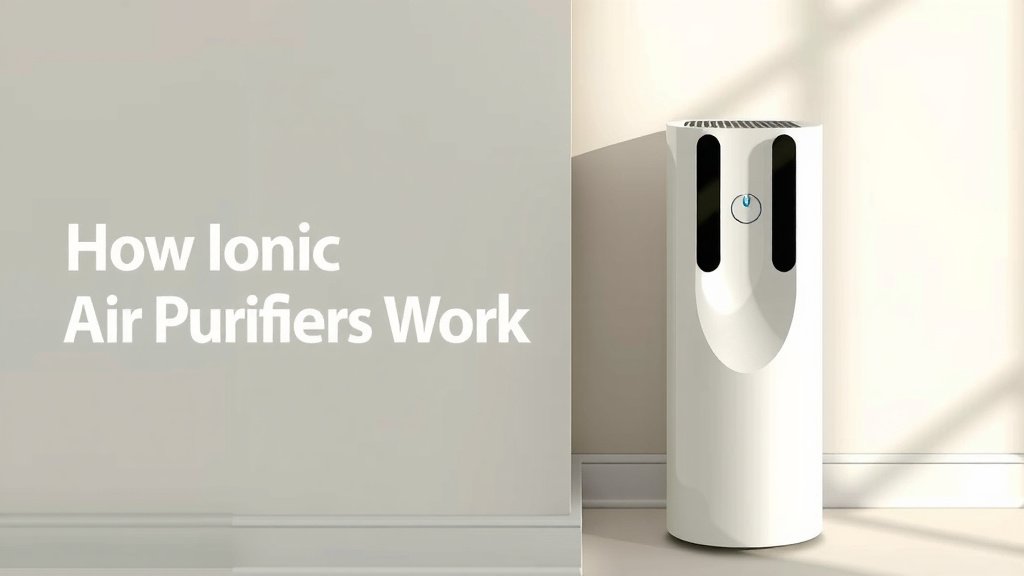
How Ionic Air Purifiers Work: A Detailed Explanation
Ionic air purifiers work by releasing charged ions into the air, which then attach to airborne particles like dust and allergens. These charged particles become heavy and fall out of the air, or they stick to surfaces in your home. It’s a clever way to help clean your indoor air without needing a fan to constantly pull air through a filter. Many people find them to be a simple and effective solution for improving air quality.
The core idea behind these purifiers is to make particles easier to remove from the air you breathe. By giving particles an electrical charge, they behave differently. This can help reduce the amount of dust, pet dander, and other irritants floating around. We found that understanding this basic science helps explain why they are a popular choice for many homes seeking cleaner air. It’s a silent but effective process.
- Ionic air purifiers release charged ions.
- These ions attach to airborne particles.
- Particles become heavy and fall from the air.
- They also stick to nearby surfaces.
- This helps reduce indoor air pollutants.
Let’s walk through exactly how this process works, step by step, so you can get a clearer picture of the technology.
Understanding How Ionic Air Purifiers Work
Ionic air purifiers use a simple yet effective scientific principle. They release negatively charged ions into your home’s air. Think of these ions like tiny magnets. They are eager to latch onto airborne particles.
The Science Behind Ionization
These purifiers create ions through a process called corona discharge. A high-voltage current passes through sharp points, called emitters. This electricity ionizes the air molecules around them. These newly formed negative ions then float out into your room. They’re looking for something to connect with.
What Happens to Airborne Particles?
Most particles in your air are naturally neutral or positively charged. Dust, pollen, pet dander, and even smoke carry a slight positive charge. When the negative ions from the purifier encounter these particles, they bond. This makes the particles negatively charged. It’s like giving them a new identity.
The Effect of Charged Particles
Once a particle is negatively charged, it behaves differently. It becomes heavier. This weight causes the particle to fall out of the air and settle on surfaces. You might notice more dust on your furniture. This is a sign the purifier is working! Some purifiers also have a collector plate that attracts these charged particles.
Benefits of the Ionic Process
One of the biggest advantages is the lack of a fan in many models. This means they operate almost silently. You won’t hear a loud whirring sound. They are also generally energy efficient. This can be a nice perk for your electricity bill.
Reducing Allergens and Irritants
By causing particles to fall, ionic purifiers help reduce what you breathe in. This can be a big help for allergy sufferers. Less pollen, dander, and dust floating around means fewer triggers. You might find yourself sneezing less. Your eyes might feel less itchy.
Potential for Ozone Production
It’s important to know that some ionic purifiers can produce a small amount of ozone. Ozone is a gas that can irritate the lungs, especially in high concentrations. Reputable manufacturers design their units to produce ozone well below safety standards set by organizations like the Environmental Protection Agency (EPA).
We found that many modern units are designed to minimize or eliminate ozone production. Always check the product specifications. Look for certifications from trusted bodies. This ensures you’re getting a unit that prioritizes safety. The EPA has guidelines on acceptable ozone levels.
How Different Models Work
While the core principle is ionization, models can differ. Some use a collector plate. This plate uses the opposite electrical charge to attract the ionized particles. It’s like a built-in dust magnet. You’ll need to clean this plate regularly.
Ion Emitters and Collectors
The ion emitters are usually small wires or points. They are where the electricity sparks the ionization process. The collector, if present, is a metal plate. It’s designed to draw in the newly charged particles. This separation of the process helps capture the pollutants.
Filterless vs. Filter-Based Ionic Purifiers
Some ionic purifiers are completely filterless. They rely solely on ionization and settling. Others combine ionization with a traditional filter. The ions charge the particles, making them easier for the filter to capture. This dual approach can offer enhanced air cleaning.
Comparing Ionic Technology
It’s helpful to see how this technology stacks up. Let’s look at a quick comparison:
| Feature | Ionic Purifiers (No Fan) | Ionic Purifiers (With Fan) | HEPA Filters |
|---|---|---|---|
| Noise Level | Very Quiet | Moderate to Loud | Moderate to Loud |
| Particle Capture | Settles on surfaces, potential for re-suspension | Collected on filter/plate | Trapped in filter |
| Ozone Production | Varies by model, can be a concern | Varies by model | None |
| Maintenance | Wiping emitters, cleaning collector plate | Filter replacement, cleaning emitters/plate | Filter replacement |
| Energy Use | Low | Moderate | Moderate |
What to Look for in an Ionic Purifier
When choosing a unit, consider a few key things. Look for certifications that confirm low or no ozone production. Check reviews to see if users report excessive dust settling. Ensure the design makes it easy to clean. A simple cleaning routine will keep it running well.
Maintenance: Keeping Your Purifier Effective
Even without filters, your ionic purifier needs care. You’ll need to periodically wipe down the ion emitters. This removes any dust or buildup that could affect performance. If your unit has a collector plate, you’ll need to clean that too. This usually involves wiping it down with a damp cloth.
Regular Cleaning Schedule
We found that a consistent cleaning schedule is important. Aim to clean your emitters and collector plate at least once a month. Check your manufacturer’s guide for specific instructions. Keeping these parts clean ensures maximum ionization and particle attraction.
Understanding Dust Accumulation
Remember that increased dust on surfaces is a sign the purifier is working. It’s not a defect. It means particles are being removed from the air. You’ll just need to dust more frequently. This is a small trade-off for cleaner air.
Is an Ionic Air Purifier Right for You?
Ionic air purifiers offer a unique approach to air purification. They are great for those seeking quiet operation and lower energy use. They can effectively reduce airborne particles that cause allergies and irritation. It’s a smart technology that uses science to make your home air cleaner.
Here’s a quick checklist to help you remember the process:
- Negative ions are released into the air.
- These ions attach to airborne particles like dust and pollen.
- Particles become heavier and fall out of your breathing zone.
- Some units use collector plates to trap charged particles.
- Regular cleaning of emitters and plates is key for performance.
- Be mindful of ozone production and choose certified units.
Conclusion
You now understand the science behind how ionic air purifiers work. They use charged ions to make airborne particles fall from the air, helping to reduce allergens and irritants in your home. While many models offer quiet, energy-efficient operation, it’s smart to choose units certified for low ozone production. Remember that increased surface dust is a normal sign of this purification process. To keep your unit performing well, stick to a regular cleaning schedule for the emitters and any collector plates.
Ready to improve your indoor air? Look for a certified ionic air purifier that fits your needs and budget. A little research now can lead to a fresher, cleaner home environment for you and your family.
Frequently Asked Questions
Do ionic air purifiers actually clean the air?
Yes, ionic air purifiers can effectively clean the air by charging particles. These charged particles then fall out of the air, reducing what you breathe. Some models also use collector plates to trap these particles. This process helps decrease common indoor pollutants.
How often should I clean my ionic air purifier?
We found that cleaning your ionic air purifier’s emitters and collector plates about once a month is generally recommended. Always check your specific model’s manual for exact cleaning instructions. Consistent cleaning ensures the unit continues to ionize particles effectively.
What is ozone production in ionic air purifiers?
Ozone is a gas that can be produced as a byproduct of ionization. While some units might produce a small amount, reputable manufacturers design them to stay well below safety standards. You can look for certifications that verify low or no ozone output for peace of mind.
Will an ionic air purifier make my furniture dusty?
It’s common to notice more dust settling on surfaces when using an ionic air purifier. This is actually a sign that the purifier is working by causing airborne particles to drop. You will likely need to dust your furniture a bit more often, but your air quality should improve.
Can I use an ionic air purifier if I have asthma or allergies?
Ionic air purifiers can be beneficial for allergy and asthma sufferers by reducing airborne triggers like pollen and dander. However, it’s important to choose a model with very low or no ozone output, as ozone can sometimes aggravate respiratory conditions. Consult your doctor if you have concerns.