
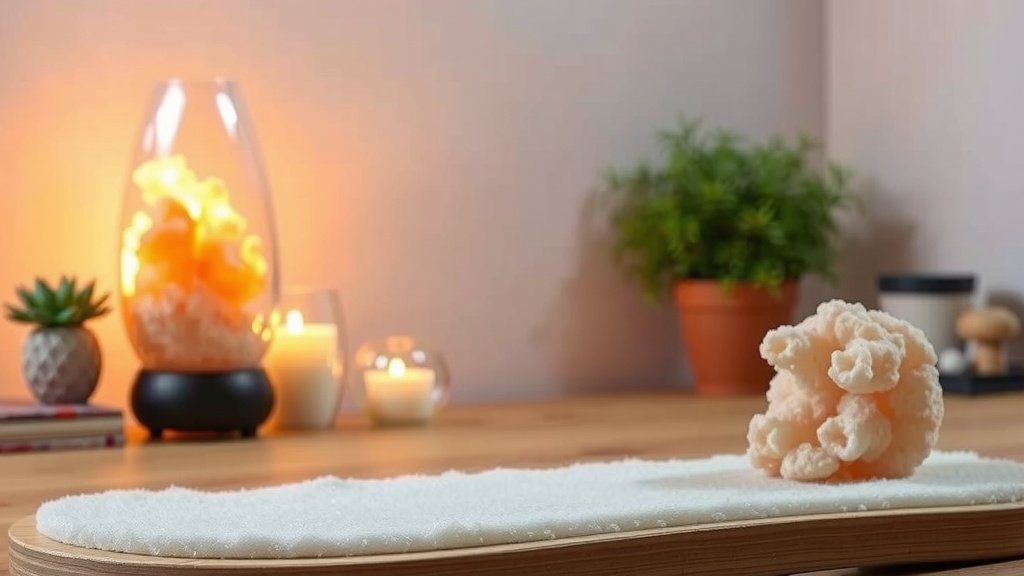
How Salt Lamps Purify Air: The Science Explained
Salt lamps don’t magically suck up dust, but they can help improve your air quality through a process called hygroscopy. This means they attract water molecules from the air. These water molecules often carry allergens like pollen and dander. When the water evaporates, it leaves these particles behind on the lamp’s surface.
Think of your salt lamp as a sticky trap for airborne nasties. As the lamp heats up, it causes moisture in the air to condense on its surface. This moisture then evaporates, leaving behind trapped pollutants like dust and odors. Many people find this natural process a welcome addition to their homes.
- Salt lamps attract water molecules from the air.
- This process, called hygroscopy, can trap airborne particles.
- Water on the lamp surface evaporates, leaving pollutants behind.
- It’s a gentle, natural way to potentially improve air freshness.
Ready to learn more about how your glowing pink friend might be working its magic? Let’s dive into the science behind how salt lamps purify the air.
How Your Salt Lamp Might Clean the Air
You’ve seen them glowing in homes and spas – those beautiful, warm-hued salt lamps. Beyond their lovely ambiance, many people wonder if they actually do anything for the air you breathe. We found that the answer involves a fascinating natural process.
The Science of Hygroscopy at Play
Salt lamps work primarily through a process called hygroscopy. This is a fancy word for the tendency of a substance to attract and hold water molecules from the surrounding air. Think of it like a sponge, but for moisture in the air.
Attracting Water Molecules
Your Himalayan salt lamp, when lit, emits a gentle warmth. This warmth causes the salt crystal surface to become slightly warmer than the surrounding air. Because of this temperature difference and the salt’s natural properties, it draws in ambient moisture.
What’s in That Moisture?
Now, this is where the potential air-purifying aspect comes in. Air isn’t just water vapor; it also carries tiny particles. These can include things like dust, pollen, pet dander, mold spores, and even bacteria. When the salt lamp attracts the water molecules, it also attracts these airborne contaminants.
The Evaporation Effect
Once the water and its captured pollutants are on the surface of the salt lamp, the heat from the bulb causes the water to evaporate. Here’s the key: as the water evaporates, the pollutants are left behind. They get stuck to the salt’s surface, rather than being released back into the air.
Capturing Airborne Particles
So, while the salt lamp isn’t actively “sucking” in air like a vacuum cleaner, it acts as a passive collector. The hygroscopic action is the main driver here. Many experts suggest this can help reduce the amount of allergens and other particles floating around your living space.
A Gentle Filter System
Imagine the salt lamp as a natural, gentle filter. It doesn’t have a fan or a HEPA filter. Instead, it relies on the natural behavior of salt and water. This can be appealing for those looking for more natural solutions for their home environment.
Potential Allergen Reduction
For individuals sensitive to common allergens like dust mites or pollen, a salt lamp might offer some relief. By attracting and holding these particles, it potentially prevents them from being inhaled as frequently. This is one of the most frequently cited benefits by users.
What About Odors and Negative Ions?
Beyond trapping particles, salt lamps are often associated with releasing negative ions. There’s a theory that these negative ions can neutralize positively charged pollutants, essentially making them fall to the ground or get trapped more easily. However, the scientific evidence supporting this specific claim for salt lamps is quite limited.
The Negative Ion Debate
Some studies on air ionizers suggest a link between negative ions and improved air quality. But, we found that the amount of negative ions emitted by typical salt lamps is often very small. It’s hard to say definitively if it has a measurable impact on your home’s air. Many researchers are still investigating this connection.
Neutralizing Odors
The hygroscopic action can also help with odors. Many odor molecules are carried by water vapor. As the salt lamp attracts this moisture, it can also attract and trap these odor-causing particles. When the water evaporates, the odor might be reduced.
Comparing Salt Lamps to Other Air Purifiers
It’s important to set realistic expectations. Salt lamps are not a replacement for high-efficiency air purifiers, especially for those with severe allergies or respiratory issues. Commercial air purifiers often use HEPA filters, activated carbon, and UV-C light to remove a wider range of pollutants and at a much faster rate.
| Feature | Salt Lamp | Commercial Air Purifier |
|---|---|---|
| Primary Mechanism | Hygroscopy (attracts moisture & particles) | HEPA filtration, Activated Carbon, Ionization, UV-C light |
| Particle Removal | Traps particles on surface (limited capacity) | Captures/destroys a wide range of particles very effectively |
| Allergen Reduction | Potential subtle reduction | Significant reduction |
| Odor Removal | May help reduce some odors | Often very effective with carbon filters |
| Energy Use | Low (incandescent bulb) | Varies, can be higher |
| Maintenance | Wipe down occasionally | Filter replacement, cleaning |
Think of a salt lamp as a nice, natural addition that gently contributes to fresher air. It’s not a heavy-duty cleaning solution. Many experts recommend using it alongside other good air quality practices.
Tips for Using Your Salt Lamp Effectively
To get the most out of your salt lamp’s potential air-cleaning properties, there are a few things you can do. Keeping it on for extended periods helps maintain the cycle of attraction and evaporation.
- Keep the lamp turned on for several hours a day.
- Place it in areas with moderate humidity for best hygroscopic action.
- Wipe down the surface with a damp cloth occasionally to remove trapped dust.
- Ensure good air circulation around the lamp.
- Avoid placing it in overly humid or dry environments.
By understanding how hygroscopy works, you can better appreciate your salt lamp’s gentle role in your home environment.
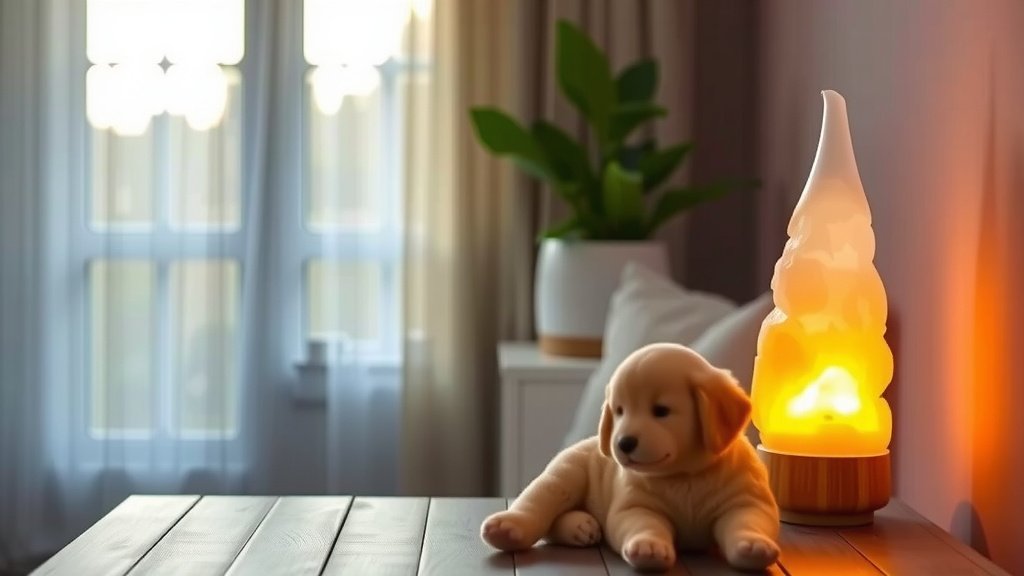
Conclusion
You’ve learned that your salt lamp’s gentle glow comes with a natural air-cleaning process. Through hygroscopy, it attracts moisture and the tiny particles it carries, like dust and allergens. While it’s not a replacement for a powerful air purifier, it can offer a subtle improvement to your home’s air freshness. Consider it a lovely, passive helper in your quest for a cleaner living space. To maximize its potential, keep your lamp on regularly and give it a gentle wipe down now and then.
Frequently Asked Questions
Do salt lamps actually make a difference in air quality?
Research and our findings suggest that salt lamps can contribute to better air quality through hygroscopy. They attract and trap small airborne particles and moisture, potentially reducing allergens. However, the effect is subtle and works best as an addition to other healthy home practices.
How often should I turn my salt lamp on to see air-purifying benefits?
For the hygroscopic effect to work best, we found that keeping your salt lamp on for several hours a day is ideal. This allows the cycle of moisture attraction and evaporation to occur. Consistent use helps maintain the lamp’s passive air-cleaning action.
Can a salt lamp help with pet dander or pollen allergies?
Yes, salt lamps may offer some relief for pet dander and pollen allergies. The hygroscopic nature of the salt attracts water molecules that carry these allergens. By trapping them on the lamp’s surface, they are less likely to be airborne and inhaled.
What should I do if my salt lamp seems to be getting “sweaty”?
It’s normal for salt lamps to attract moisture, especially in humid environments. If your lamp appears “sweaty,” this is a sign of hygroscopy at work. Simply wipe it dry with a clean cloth. Keeping it on for longer periods helps the water evaporate effectively.
Are salt lamps safe to use around children and pets?
Salt lamps are generally considered safe for use around children and pets. They emit a warm, low-heat light and are made from natural salt. However, like any electrical item, they should be placed where they won’t be knocked over or chewed on.

![5 Best Large Room Air Purifier for Mold [In 2026]](https://homeunderstandable.com/wp-content/uploads/2025/05/best-large-room-air-purifier-for-mold-top-picks-for-clean-air-768x512.jpg)