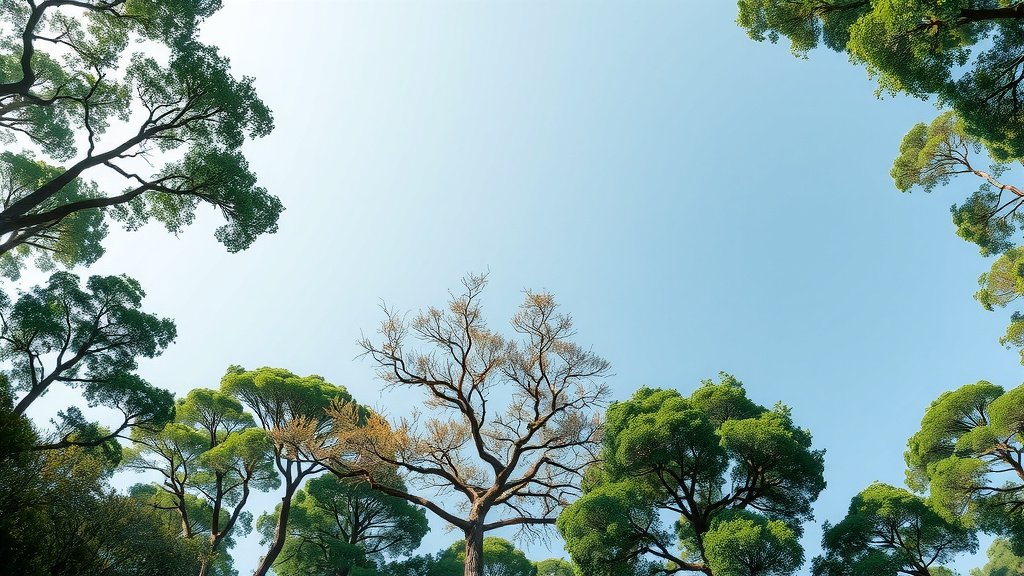
How Trees Clean the Air: A Deep Dive
Trees purify the air through a natural process called photosynthesis. They absorb carbon dioxide from the atmosphere and release oxygen. This helps clean the air you breathe. Trees act like giant, living air filters for our planet. They remove harmful pollutants too.
This amazing cleanup job is a big reason why trees are so important for our environment. They don’t just look pretty; they actively improve air quality for everyone. Think of them as nature’s quiet workhorses. They take in what we exhale and give us back fresh oxygen. We found this process is vital for life.
- Trees breathe in carbon dioxide.
- They release life-giving oxygen.
- Trees also trap tiny pollution particles.
- This makes the air cleaner for us.
Ready to dive deeper into how these green giants work their magic? Let’s walk through exactly how trees help clean the air around us.
How Trees Keep Our Air Fresh and Clean
Trees are more than just pretty additions to your neighborhood. They perform a vital service for our planet’s health. They act as natural air purifiers. Research shows they clean the air in several important ways. This process is essential for all living things, including you!
The Photosynthesis Powerhouse
You likely remember photosynthesis from school. It’s how plants make their own food. Trees use sunlight, water, and carbon dioxide (CO2) for this. The magic happens in their leaves. They absorb CO2 and release oxygen (O2). This is the very air we need to breathe.
Carbon Dioxide: The Tree’s Favorite Drink
Think of CO2 as a gas that we exhale. It’s also produced by cars and factories. Trees are excellent at taking this gas out of the air. They have tiny pores on their leaves, called stomata. These stomata open up to let CO2 in. It’s like a natural intake valve for the atmosphere.
Oxygen: The Sweet Breath of Life
As trees process CO2, they produce oxygen. This oxygen is released back into the atmosphere. It’s a constant cycle. Trees are essentially nature’s lungs. They help maintain the balance of gases in our air. This makes it possible for us to live and thrive.
Beyond Gas Exchange: Trapping Pollutants
Trees don’t stop at CO2 and oxygen. They also help clean the air by trapping tiny particles. These particles are often called particulate matter. They can include dust, soot, and smoke. These are the things that can make the air feel dirty or unhealthy.
Leaves and Bark: Nature’s Sticky Traps
The surfaces of tree leaves and bark are not smooth. They have a texture that can catch and hold onto small particles. Rain then washes these particles away. They end up on the ground, away from your breathing space. It’s a simple yet effective system.
Ozone and Other Gases: A Hidden Helper
Ground-level ozone is a harmful pollutant. It can irritate your lungs. Some trees are good at absorbing ozone. They pull it from the air through their stomata. This helps reduce its concentration in the immediate area. Many studies point to the air-cleaning benefits of urban forests (U.S. Forest Service).
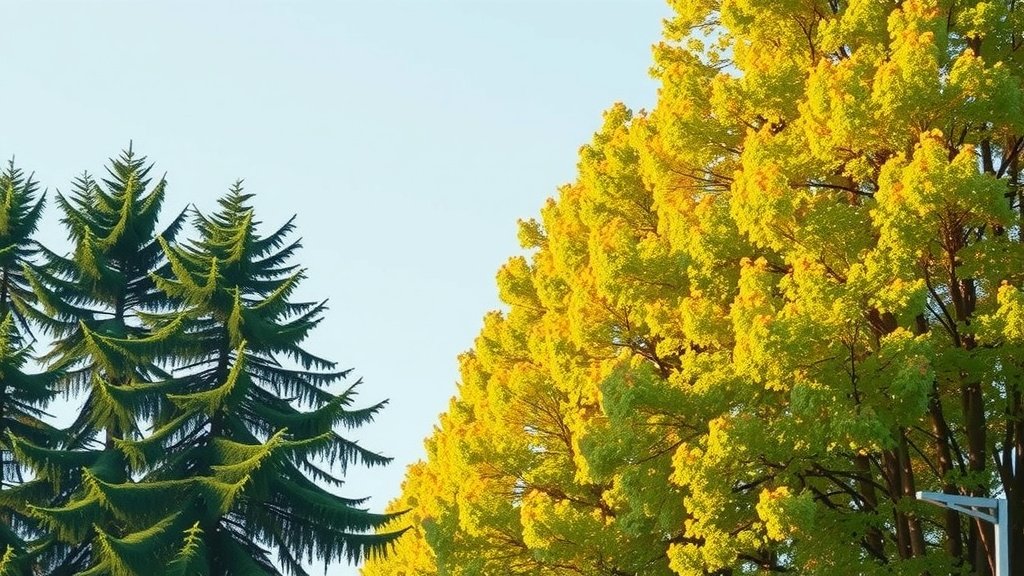
Trees as Natural Air Filters: A Comparison
You might think about air filters you use at home. Trees work in a similar way, but on a massive scale. They are like living, breathing air filters for the entire planet. Let’s look at how they compare to what you might be used to.
| Feature | Home Air Filter | Trees |
|---|---|---|
| Size | Small, portable | Enormous, stationary |
| Primary Function | Filter indoor air particles | Gas exchange (CO2/O2) and particle trapping |
| Power Source | Electricity | Sunlight |
| Lifespan | Months to a few years | Decades to centuries |
| Byproducts | Used filters to dispose of | Oxygen (life-sustaining), organic matter |
The Scale of the Operation
A single home air filter can only do so much. Imagine millions of trees working together. Their combined effort is tremendous. Large forests can impact air quality over vast regions. This is why preserving forests is so important for global air health.
What Makes Some Trees Better Air Cleaners?
Not all trees are created equal when it comes to air purification. Several factors influence their effectiveness. These include the tree’s size, leaf surface area, and species. Researchers have identified certain types as top performers.
Leaf Surface Area Matters
Trees with larger, rougher leaves tend to trap more particles. Think of a big maple leaf versus a needle from a pine tree. The maple leaf has more surface area. This gives more places for pollutants to stick. Many studies show that broadleaf trees are effective particle collectors (NCBI).
Species and Growth Rate
Some tree species are naturally better at absorbing certain pollutants. Their growth rate also plays a role. Faster-growing trees can take in more CO2 over time. However, older, larger trees can store more carbon. So, a mix of young and mature trees is often ideal.
Your Role in Supporting Tree Air Power
You can help support the air-purifying power of trees in your area. Here are a few simple things you can do:
- Plant a tree if you have space.
- Support local tree-planting initiatives.
- Protect existing trees in your community.
- Choose native species that thrive locally.
- Educate others about the benefits of trees.
By understanding how trees clean our air, you can appreciate them even more. They are essential allies in the fight for cleaner breathing spaces.
Conclusion
You’ve seen firsthand how trees are incredible air purifiers. They use photosynthesis to swap carbon dioxide for life-giving oxygen. Beyond that, their leaves and bark act like natural filters, trapping dust and pollutants. This natural process benefits your health and the planet’s. Supporting trees means supporting cleaner air for everyone. So, the next time you see a tree, remember its amazing work. Consider planting a tree or supporting local green spaces to boost your community’s air quality.
Frequently Asked Questions
Do all trees clean the air equally well?
No, not all trees clean the air equally. Factors like leaf size, surface area, and species matter. Broadleaf trees often trap more particles than narrow-leafed evergreens. Research shows certain species are more effective at absorbing pollutants.
How long does it take for a tree to purify air?
Trees purify air continuously as long as they are alive and photosynthesizing. A young sapling starts purifying the air immediately. However, a mature, large tree has a much greater capacity due to its size and leaf surface area. Their impact grows over time.
Can planting trees in my yard make a difference?
Yes, planting trees in your yard can absolutely make a difference. Even a single tree helps reduce local air pollution and provides oxygen. Multiple trees in a neighborhood create a more significant positive impact on air quality for everyone.
What happens to the pollutants trees trap?
The tiny particles trapped by tree leaves and bark are eventually washed to the ground by rain. These pollutants then settle on the soil. Over time, they can be broken down by natural processes. This effectively removes them from the air you breathe.
Besides CO2, what other pollutants do trees help remove?
Trees can absorb various airborne pollutants besides carbon dioxide. Research indicates they can help reduce levels of ground-level ozone, nitrogen oxides, and sulfur dioxide. They also trap particulate matter like dust and soot.