How Personal Air Purifiers Work: A Simple Guide
A personal air purifier works by drawing in the air around you, cleaning it through a series of filters, and then releasing fresh, purified air back into your personal space. These devices are designed to capture tiny particles like dust, pollen, pet dander, and even smoke. They’re like a tiny, quiet bodyguard for your breath. Many models use a fan to pull air in, and then rely on filters to trap pollutants.
Think of your air purifier as a personal bubble of cleaner air. While it won’t purify an entire house, it’s fantastic for your immediate vicinity, like your desk at work or your bedside table. Research shows that capturing these airborne irritants can make a noticeable difference for allergy sufferers. The key is understanding how its filtration system tackles different types of contaminants.
- Personal air purifiers clean air in your immediate surroundings.
- They use fans and filters to trap dust, pollen, and smoke.
- Great for personal spaces like desks or nightstands.
- Can help reduce airborne allergens near you.
- Effectiveness depends on filter type and device size.
Ready to breathe a little easier? Let’s dive into the specific technologies that make your personal air purifier a breath of fresh air.
You’ve got your personal air purifier, and you’re wondering, “How exactly does this little gadget work its magic?” It’s simpler than you might think, and understanding the process can help you appreciate your device even more. Let’s break down the mechanics behind your fresh air bubble.
How Your Personal Air Cleaner Cleans Your Air
Your personal air purifier works by pulling the air from your immediate surroundings into the unit. Then, it passes that air through a series of filters. These filters are designed to trap various airborne particles. Finally, the cleaned air is released back into your personal space. It’s like a mini, invisible filtration zone just for you.
The Role of the Fan
At the heart of most personal air purifiers is a small, quiet fan. This fan is crucial for the whole operation. It constantly draws in the air from your room. Think of it as the engine that keeps the air moving through the filtration system. The speed of the fan can often be adjusted, allowing you to control how quickly your air is purified. A faster fan means more air is processed, but it might also be a bit louder.
The Filtration Powerhouse: What’s Inside?
The real heroes of the story are the filters. Different types of filters work together to tackle different kinds of pollutants. Most personal air purifiers use a combination of filters to offer the best protection.
Pre-filters: The First Line of Defense
The first filter your air encounters is usually a pre-filter. Its main job is to catch the larger particles. This includes things like larger dust bunnies, pet hair, and lint. By trapping these bigger items, the pre-filter helps to protect the more sensitive filters that come later. This extends their lifespan, which is a nice bonus for you!
HEPA Filters: The Heavy Hitters
Next up, you’ll often find a HEPA filter (High-Efficiency Particulate Air). These are incredibly effective at capturing very small particles. We’re talking about dust mites, pollen, mold spores, and pet dander. Research has shown that genuine HEPA filters can capture at least 99.97% of airborne particles that are 0.3 microns in size. This is a tiny particle, so that’s impressive cleaning power!
Activated Carbon Filters: Tackling Odors and Gases
Many personal air purifiers also include an activated carbon filter. This filter is made from charcoal that has been treated to be extremely porous. It’s excellent at adsorbing (not absorbing, a key difference!) odors, gases, and Volatile Organic Compounds (VOCs). Think smoke smells, cooking odors, or even chemical fumes from cleaning products. This filter makes the air smell fresher, not just cleaner.
Other Potential Filters (Less Common in Personal Units)
Some purifiers might include UV-C light or ionizers. While these can offer additional benefits, they are less common in the smallest personal units. UV-C light aims to kill germs. Ionizers release charged particles that can cause pollutants to clump together and fall out of the air. However, some ionizers can produce ozone, which can be an irritant for some people, so it’s good to be aware of that.
Putting It All Together: The Purification Cycle
So, how does it all work in sequence? It’s a continuous loop. The fan pulls air in. It hits the pre-filter first to catch the big stuff. Then, the smaller, more stubborn particles like allergens are trapped by the HEPA filter. Finally, odors and gases are tackled by the activated carbon filter. The now-clean air is then pushed back out into your breathing space. This cycle happens constantly as long as the purifier is on, creating your personal zone of cleaner air.
| Filter Type | What It Captures | Why It Matters to You |
|---|---|---|
| Pre-filter | Large particles like hair, lint, dust bunnies | Protects other filters, extending their life |
| HEPA Filter | Small particles like pollen, dander, dust mites (0.3 microns and larger) | Removes common allergens and fine dust |
| Activated Carbon | Odors, gases, VOCs, smoke | Freshens the air and removes unpleasant smells |
Understanding Air Changes Per Hour (ACH)
You might see a rating called ACH, or Air Changes Per Hour. This tells you how many times the purifier can filter the entire volume of air in a specific room size within one hour. For a personal air purifier, it’s more about how many times it can clean the air in your immediate vicinity. A higher ACH generally means faster purification. We found that for a personal desk area, a device capable of several ACH provides a noticeable difference.
What About the Size of the Room?
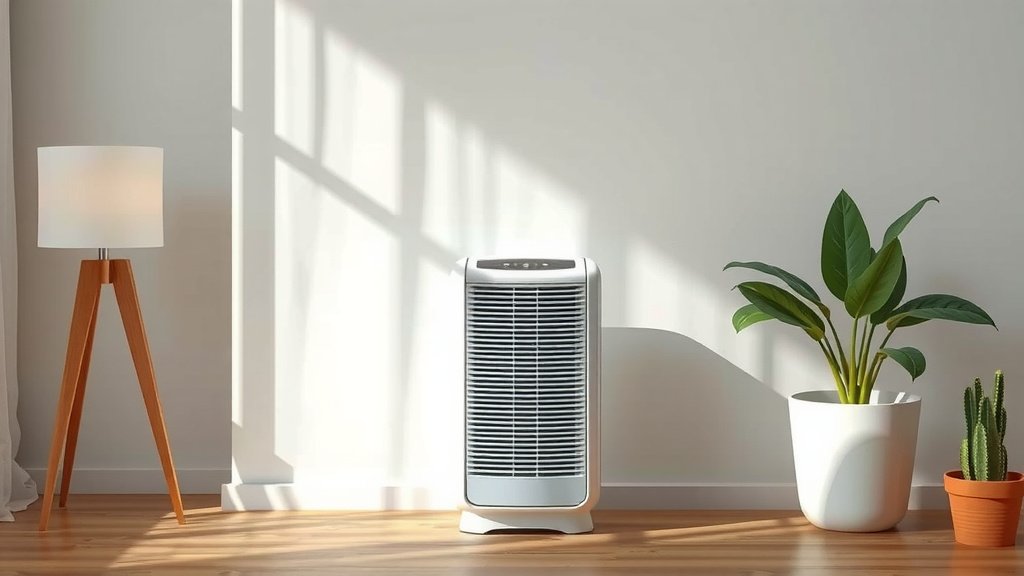
It’s important to remember that personal air purifiers are designed for small spaces. They are perfect for your desk, bedside table, or even a small dorm room. They aren’t meant to clean the air in an entire large living room or open-plan house. Think of it as creating a personal clean air bubble, not purifying the whole atmosphere.
Tips for Maximizing Your Purifier’s Performance
To get the most out of your personal air purifier, here are a few simple things you can do:
- Place it close to where you spend the most time.
- Ensure the air intake and output aren’t blocked.
- Clean or replace filters according to the manufacturer’s instructions.
- Keep doors and windows closed when the purifier is running to keep the clean air in.
- Choose a purifier with the right filter combination for your needs.
By understanding these components and how they work together, you can better appreciate the technology that brings you cleaner, fresher air right where you need it most. It’s a smart way to take control of your immediate breathing environment.
Conclusion
You now understand the core mechanics behind your personal air purifier. It’s a smart system using a fan to draw in air, then passing it through specialized filters like pre-filters, HEPA, and activated carbon. These work together to capture dust, allergens, and odors, creating a cleaner breathing zone just for you. Remember, these devices excel in personal spaces. To maximize benefits, position your purifier smartly and maintain its filters. Taking control of your immediate air quality is achievable. Consider which filter combination best suits your needs for fresher air right where you sit or sleep.
Frequently Asked Questions
Do personal air purifiers really make a difference?
Yes, personal air purifiers can make a noticeable difference in your immediate breathing space. Research and our findings suggest they are effective at reducing airborne allergens and irritants like dust and pollen right around you. This can be especially helpful if you suffer from allergies.
How often should I replace the filters in my personal air purifier?
Filter replacement frequency varies by model and usage, but generally, pre-filters might be cleaned monthly, while HEPA and carbon filters often need replacement every 6 to 12 months. Always check your purifier’s manual for the manufacturer’s specific recommendations.
Can a personal air purifier remove smoke odors from my desk area?
Absolutely. The activated carbon filter in most personal air purifiers is specifically designed to adsorb odors and gases, including smoke. Combined with a HEPA filter for smoke particles, it can significantly freshen the air in your personal space.
Are there any downsides to using a personal air purifier?
The main limitation is their size; they are designed for personal spaces, not entire rooms. Some models with ionizers might produce ozone, which can irritate sensitive individuals, though this is less common in basic personal units. Always ensure good ventilation when using any air-cleaning device.
What is the difference between a HEPA filter and an activated carbon filter?
A HEPA filter excels at trapping tiny physical particles like dust, pollen, and dander. An activated carbon filter, on the other hand, targets odors, gases, and Volatile Organic Compounds (VOCs) by adsorbing them. They serve different but equally important roles in air purification.
![5 Best Air Purifier for a Dorm Room [In 2026]](https://homeunderstandable.com/wp-content/uploads/2025/06/best-air-purifier-for-a-dorm-room.jpg)