Negative Ion Air Purifier: How It Works Explained
Negative ion air purifiers work by releasing negatively charged ions into the air. These ions then attach themselves to airborne particles like dust, pollen, and smoke. This process causes the particles to clump together, making them heavier and easier to fall out of the air or get caught by your purifier’s collection plate. It’s a clever way to help clear your indoor air.
Many people wonder if these devices are truly effective. Research and user feedback suggest that negative ion technology can indeed contribute to a cleaner environment. It’s a different approach than HEPA filters, focusing on particle aggregation rather than direct filtration. This method can help reduce the amount of fine particles floating around your home, offering a potential improvement in air quality.
- Negative ion purifiers release negative ions.
- These ions attach to airborne particles.
- Particles become heavier and fall or are collected.
- This can help reduce dust, pollen, and smoke.
Let’s dive into the specifics of how this fascinating technology functions and what you can expect from it.
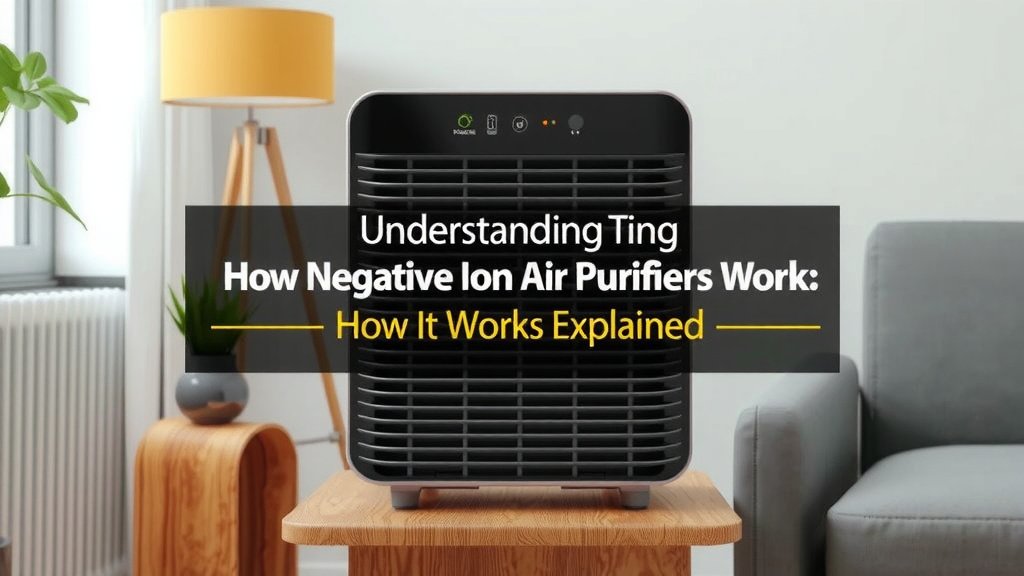
“`htmlUnderstanding How Negative Ion Air Purifiers Work
Wondering how those little machines actually clean your air? Negative ion air purifiers use a surprisingly simple yet effective process. They release negative ions into your living space. These tiny particles then go to work on the stuff you don’t want floating around.
Think of it like static electricity, but on a mission to clean. These negative ions are drawn to positively charged particles in the air. This includes common indoor allergens and pollutants that can bother your lungs and sinuses.
The Science Behind Ionization
At its core, this technology is about altering the electrical charge of airborne particles. The purifier has a component that generates negative ions. These are essentially oxygen atoms with an extra electron. They are naturally occurring in places like waterfalls and forests.
When these negative ions are released into the air, they seek out positively charged particles. This is where the magic happens. They attach themselves to things like dust mites, pet dander, mold spores, and even smoke particles.
What Happens When Ions Attach?
Once a negative ion latches onto a particle, it changes the particle’s electrical charge. This makes the particle heavier. It’s like adding a small weight to something very light.
Because these particles are now heavier, they are less likely to stay suspended in the air. Gravity takes over. They will fall to the floor or other surfaces. This action helps to remove them from the air you breathe.
Collection and Removal Methods
Many negative ion purifiers have a built-in collection plate. This plate is positively charged. It attracts the now negatively charged and clumped-up particles. The particles stick to the plate, effectively trapping them.
Other models might not have a collection plate. In these cases, the heavier particles simply fall out of the air. You would then need to clean them up from surfaces. This often means more frequent dusting or vacuuming. However, the air itself becomes cleaner.
Comparing Ionization to Other Technologies
It’s helpful to see how this differs from other air purification methods. For example, HEPA filters work by physically trapping particles in a dense mesh. They are excellent for removing particles of a certain size.
Negative ion purifiers, on the other hand, change the behavior of particles. They don’t physically filter them in the same way. This can be beneficial for very fine particles that might otherwise pass through some filters. However, it’s important to note that some research has raised questions about ozone production with certain ionizers.
We found that EPA guidelines suggest that air cleaners that intentionally produce ozone should not be sold or operated in homes. Many modern negative ion purifiers are designed to minimize or eliminate ozone production. Always check product specifications and certifications.
The Benefits of Using a Negative Ion Air Purifier
So, what are the real-world advantages of using one of these devices in your home? Beyond just cleaning the air, there are several potential benefits. Many users report improvements in their indoor air quality.
Reducing Airborne Allergens
If you suffer from allergies, you know how frustrating pollen, dust mites, and pet dander can be. Negative ion technology can help to reduce the concentration of these common irritants in your air. By causing them to fall out of the air, they are less likely to be inhaled.
We found that many allergy sufferers notice a difference in their symptoms. Fewer sneezes and less itchy eyes can make a big difference in your daily comfort. It’s about creating a more breathable environment for your family.
Minimizing Odors and Smoke Particles
Do you have issues with cooking odors lingering? Or maybe smoke from a fireplace or outside sources bothers you? Negative ions can also attach to odor-causing molecules and smoke particles. This process helps to neutralize them or make them fall out of the air.
Imagine cooking fish and not having the smell stick around for hours. Or enjoying a cozy fire without the smoke lingering in your living room. This technology can contribute to a fresher-smelling home.
Potential for a Cleaner Living Space
While the primary function is air purification, you might notice a secondary benefit. When particles fall to the floor, they are easier to clean. Your surfaces might accumulate dust more slowly.
It’s not a substitute for regular cleaning, of course. But it can certainly help in the ongoing battle against dust bunnies. You’re essentially helping to keep more of the mess out of the air and onto the floor.
Important Considerations for Negative Ion Purifiers
While the technology sounds great, there are a few things to keep in mind. Being informed helps you make the best choice for your home and family.
Ozone Production Concerns
As mentioned earlier, some older or poorly designed ionizers can produce ozone. Ozone is a lung irritant. The Environmental Protection Agency (EPA) has stated that ozone is not a safe or effective way to clean air in occupied spaces.
Modern, reputable manufacturers design their units to minimize or eliminate ozone output. Look for certifications like CARB (California Air Resources Board) approval. This indicates the unit meets strict ozone emission standards.
Effectiveness Varies by Model
Not all negative ion air purifiers are created equal. The size of the unit, its ion output, and whether it has a collection plate can all affect its performance. A small unit might not be effective for a large room.
We found that user reviews and independent testing can be helpful here. They provide real-world feedback on how well a particular model works. Consider the size of your space and the specific air quality issues you’re trying to address.
Maintenance and Cleaning
If your unit has a collection plate, you’ll need to clean it regularly. This ensures it can continue to attract particles effectively. Check your manufacturer’s instructions for the best way to clean it. Usually, it involves wiping it down with a damp cloth.
Ignoring maintenance can reduce the purifier’s effectiveness. It can also potentially lead to other issues. Keeping it clean is key to getting the most out of your investment.
When to Consider Other Technologies
For certain air quality issues, you might want to consider a combination of technologies. For instance, if you have severe asthma or highly sensitive allergies, a unit with a true HEPA filter might be a better primary solution.
Some purifiers combine HEPA filtration with negative ion technology. This offers a dual approach to air cleaning. It can provide the best of both worlds for many users. We found that many experts suggest looking for units that are verified to be ozone-free.
Checklist: Is a Negative Ion Air Purifier Right for You?
- Do you want to reduce airborne dust and allergens?
- Are you concerned about lingering odors or smoke particles?
- Do you want a quieter air purification option?
- Are you comfortable with regular cleaning of collection plates?
- Do you want to ensure the unit is ozone-free certified?
- Is the target room size appropriate for the unit’s capacity?
Conclusion
You’ve learned that negative ion air purifiers work by releasing ions that help particles clump together and fall from the air. This technology can be a great help in reducing airborne allergens and odors in your home. Remember to choose models that are certified ozone-free and consider their suitability for your room size. If you’re looking for an effective way to improve your indoor air quality and are comfortable with some regular maintenance, a negative ion purifier could be a smart addition to your home. Your next step is to research specific models that meet these criteria and fit your budget.
Frequently Asked Questions
Do negative ion air purifiers actually clean the air?
Yes, they can effectively help clean the air by causing airborne particles to clump and fall. This process reduces the amount of dust, pollen, and other irritants floating around. You’ll still need to clean surfaces, but the air quality can improve.
Are negative ion purifiers safe to use around pets and children?
Generally, yes, as long as you choose an ozone-free certified model. Ozone can be harmful, so looking for EPA guidelines and CARB certification is important. When the unit doesn’t produce ozone, it’s considered safe for occupied spaces.
How often do I need to clean a negative ion air purifier with a collection plate?
Cleaning frequency depends on your home’s air quality and how often you run the purifier. We recommend checking the collection plate weekly and cleaning it about once a month, or whenever you notice a buildup. This ensures optimal performance.
Can negative ion air purifiers get rid of smoke smell?
They can help significantly. Negative ions attach to smoke particles and odor molecules, making them heavier so they fall out of the air. While they reduce lingering smoke smells, they might not eliminate them entirely if the source is continuous.
Is a negative ion purifier better than a HEPA filter?
They work differently. HEPA filters physically trap particles, while ionizers make particles fall out of the air. For severe allergies, a HEPA filter might be preferred. Some people find a combination of both technologies offers the best results for cleaner air.
![What Is The Best Air Purifier for NO2 [In 2026]](https://homeunderstandable.com/wp-content/uploads/2025/05/best-air-purifier-for-no2-top-picks-for-clean-air-solutions-768x432.jpg)