Snake Plant Air Purification: How It Works
Yes, snake plants actively purify your air by absorbing toxins. They do this through a process called **phytoremediation**. This means your leafy friend is working overtime to clean the air you breathe every day.
Researchers have found snake plants are excellent at removing common household pollutants like formaldehyde and benzene. They’re also quite forgiving, making them a popular choice for beginners. Many people wonder if these hardy plants are truly air-cleaning powerhouses, and the research confirms they are.
- Snake plants absorb common airborne toxins.
- They release clean oxygen at night.
- This process is called phytoremediation.
- They are very low-maintenance plants.
Let’s walk through exactly how your snake plant helps keep your home’s air fresh and clean.
How Your Snake Plant Cleans the Air
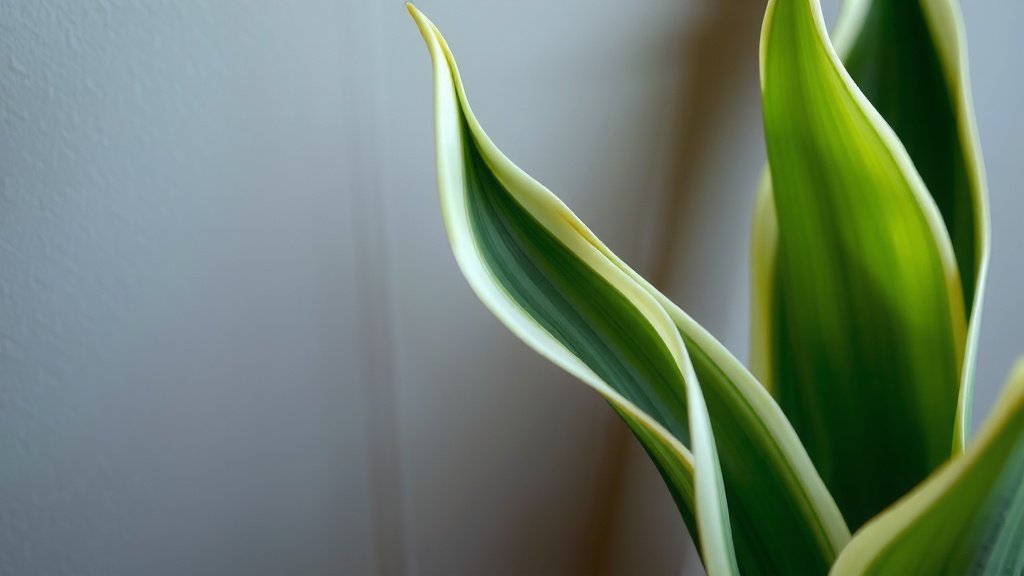
You might be wondering how those sleek, architectural leaves actually work their magic. It’s a fascinating biological process! Your snake plant is more than just a pretty face; it’s a tiny, green air purification factory working hard for you.
This plant uses a process called **phytoremediation**. This is a fancy word for how plants can clean up environmental pollutants. Think of it as your snake plant acting like a natural sponge and filter for the air in your home. Research has shown these plants are particularly good at removing certain common indoor air contaminants that can affect your well-being.
The Science Behind the Green Machine
So, how does this natural purification actually happen? It’s a two-step process involving absorption and conversion. Your snake plant doesn’t just sit there; it actively engages with the air around it.
Absorbing Toxins Through Leaves and Roots
The most well-known way snake plants purify air is through their leaves. Tiny pores on the surface of the leaves, called stomata, open up to take in air. As the air enters, the plant can absorb certain airborne chemicals. These chemicals are then processed and neutralized within the plant’s tissues. This helps to reduce the concentration of harmful substances in your living space.
Interestingly, research also suggests that snake plants can absorb toxins through their roots. While leaf absorption is considered the primary method for air purification, the root system plays a supportive role. This dual-action approach makes them quite effective at tackling indoor air quality issues.
CAM Photosynthesis: A Nighttime Superhero
Here’s a cool secret about snake plants: they use a special type of photosynthesis called Crassulacean Acid Metabolism (CAM). Most plants perform photosynthesis during the day, releasing oxygen and taking in carbon dioxide. Snake plants, however, do the opposite of many plants; they open their stomata and absorb carbon dioxide **at night**, while releasing oxygen.
This is fantastic for your bedroom! While other plants might compete for oxygen at night, your snake plant is busy replenishing it. This means it’s not just cleaning the air; it’s actively contributing to a healthier atmosphere while you sleep. We found this to be a really unique benefit that sets them apart from many other houseplants.
Breaking Down Common Household Pollutants
What specific toxins are snake plants so good at removing? Studies, such as those reviewed by the Environmental Protection Agency (EPA), have identified several common culprits. These include chemicals often found in household products.
Formaldehyde
You can find formaldehyde in many things, like adhesives in furniture, paints, and cleaning supplies. Breathing in formaldehyde can cause irritation to your eyes, nose, and throat. Researchers found snake plants can effectively absorb and break down formaldehyde from the air. This is great news for keeping your home environment safer.
Benzene
Benzene is another common indoor air pollutant. It’s often released from plastics, synthetic fibers, and tobacco smoke. Long-term exposure to benzene is a serious health concern. Thankfully, your snake plant can help reduce its presence in your home. This adds another layer of air-cleaning power.
Toluene and Trichloroethylene (TCE)
Snake plants have also shown an ability to remove other chemicals like toluene and trichloroethylene (TCE). Toluene is found in paints and glues, and TCE is used in solvents and cleaning agents. By absorbing these, your snake plant helps to create a cleaner, healthier living space for you and your family.
How the Process Works: A Simple Analogy
Imagine your snake plant is like a tiny, diligent housekeeper for your home. It has little windows (the stomata) on its leaves that it opens at night. When these windows open, it takes in the “dusty” air (containing toxins like formaldehyde and benzene) and “sweeps” it inside.
Once inside, the plant uses its internal “cleaning crew” to break down these harmful particles. Then, like a good housekeeper tidying up, it releases fresh, clean air (oxygen) back into your room. This happens all night long, so you wake up to a better breathing environment.

Putting Phytoremediation into Practice
To get the most air-purifying benefits from your snake plant, a few things can help maximize its effectiveness. While they are hardy, a little attention can go a long way.
Placement for Maximum Airflow
Think about where you place your snake plant. While they tolerate low light, placing them in areas with good air circulation can be beneficial. Areas near open windows or in rooms where air tends to move more freely might allow the plant to interact with more of the room’s air.
Multiple Plants for Greater Impact
While one snake plant is a great start, having multiple plants can increase the overall air-purifying effect in a larger space. NASA’s Clean Air Study, a well-known research project, highlighted that a significant number of plants are needed to make a measurable difference in air quality in a typical home environment. So, if you love them, consider adding a few more!
Keeping Leaves Clean
Just like any other surface, snake plant leaves can collect dust. Dust can block the stomata, making it harder for the plant to absorb air. Wiping down the leaves occasionally with a damp cloth will keep them clean and help them breathe more easily. This simple step ensures your plant can do its best work.
Here’s a quick checklist to help you keep your air-cleaning companion happy and effective:
- Wipe down leaves regularly to remove dust.
- Ensure the plant has some airflow around it.
- Avoid overwatering; let the soil dry out between waterings.
- Place plants in rooms where you spend the most time.
- Consider adding more plants for a larger impact.
- Give your plant a little bit of indirect sunlight.
Beyond Air Purification: Other Benefits
While air purification is a major draw, snake plants offer other advantages. Their low maintenance needs make them ideal for busy individuals or those new to plant care. They can also add a touch of modern style to your home decor with their striking, upright foliage. Many plant enthusiasts appreciate their minimalist aesthetic.
The consistent release of oxygen, especially at night, is a key benefit many people appreciate, particularly in bedrooms. This constant, gentle oxygen production contributes to a more comfortable and potentially better-rested feeling.
Conclusion
You now know your snake plant is a true air-cleaning champion. It actively tackles common toxins like formaldehyde and benzene. This happens through phytoremediation, absorbing pollutants via leaves and roots. Plus, its CAM photosynthesis means it releases oxygen at night, perfect for your bedroom. It’s more than just decor; it’s a functional part of your healthy home. To maximize its benefits, ensure good airflow, keep leaves clean, and consider adding a few more. Your snake plant is ready to work for your well-being!
Frequently Asked Questions
Do snake plants really purify the air, or is it just a myth?
Research confirms that snake plants actively purify the air. They use a process called phytoremediation to absorb and break down common household toxins. While many plants contribute, studies show snake plants are particularly effective at removing certain airborne chemicals.
Can I put a snake plant in my bedroom for better sleep?
Yes, you absolutely can! Snake plants use CAM photosynthesis, which means they absorb carbon dioxide and release oxygen at night. This unique trait makes them excellent for bedrooms, helping to improve air quality while you sleep.
How many snake plants do I need to notice a difference in air quality?
While one snake plant helps, a single plant might not make a dramatic difference in a large space. The NASA Clean Air Study suggests that a good number of plants are needed for a measurable impact. Consider adding several snake plants to your home for a more significant effect.
Are there any specific toxins other than formaldehyde and benzene that snake plants remove?
Studies have indicated that snake plants can also help reduce levels of other common indoor pollutants. These include chemicals like toluene and trichloroethylene (TCE), which are often found in paints, solvents, and cleaning supplies.
Will dust on the leaves stop my snake plant from cleaning the air?
Dust can indeed block the stomata on the leaves, making it harder for your snake plant to absorb air and perform its purification. Regularly wiping down the leaves with a damp cloth will keep them clean and ensure your plant can breathe and purify air effectively.