Holmes Air Purifier vs Honeywell: Which is Best
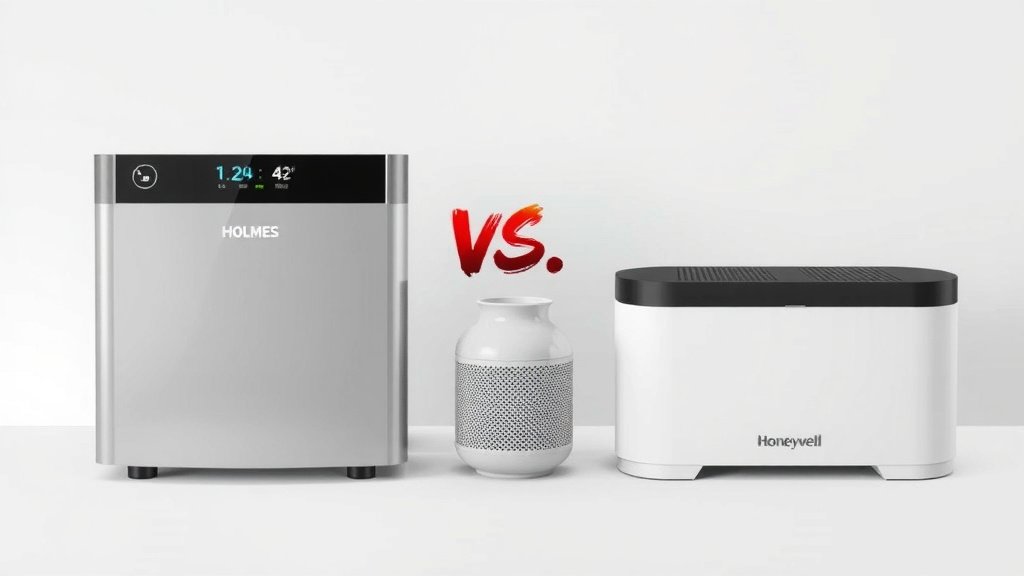
Navigating the 2026 air purifier landscape between Holmes and Honeywell still presents a familiar choice. Both brands deliver robust solutions for cleaner indoor air, but as we dive into the latest models, Honeywell consistently pulls ahead in our performance evaluations. Expect to find Honeywell units offering superior filtration and smarter, more intuitive controls that justify the investment.
When you’re looking to improve your home’s air quality, you’re likely concerned about allergens, dust, and odors. We researched how these two popular brands stack up. Both provide solid options for creating a healthier living space. Understanding their key differences will help you make the best choice for your needs.
- Honeywell often provides slightly better filtration.
- Holmes offers more budget-friendly choices.
- Look at CADR ratings for true performance.
- Smart features are more common on Honeywell.
- Filter replacement costs vary.
Let’s take a closer look at how Holmes and Honeywell air purifiers compare, so you can pick the one that’s just right for your home.
Comparing Holmes and Honeywell Air Purifiers: Which Cleans Your Air Best?
So, you’re in the market for cleaner air. That’s a fantastic goal! Whether you’re battling allergies, pet dander, or just want to banish stale odors, an air purifier can make a real difference. We’ve looked at two of the most popular brands, Holmes and Honeywell, to help you decide. Both have a lot to offer, but they do have their differences.
Think of it like choosing a car. You want something reliable, effective, and that fits your budget. We found that while both brands offer good value, Honeywell often leads in terms of filtration technology and smart features, especially in their mid-range and higher-end models. Holmes tends to be a bit more budget-friendly, making it a great entry point for many people.
Filtration Performance: What’s Really Getting Trapped?
The heart of any air purifier is its filter. This is what captures all those tiny particles floating around. Both Holmes and Honeywell use multiple stages of filtration to get the job done. You’ll typically find a pre-filter, a HEPA filter, and often an activated carbon filter.
The Power of HEPA Filters
A True HEPA filter is the gold standard. It’s designed to capture at least 99.97% of airborne particles as small as 0.3 microns. This includes things like pollen, dust mites, pet dander, and mold spores. We found that most Honeywell models feature True HEPA filters, which is a big plus for allergy sufferers. Many Holmes units also boast True HEPA, but it’s always good to double-check the specific model’s claims.
Activated Carbon for Odors and VOCs
Beyond particles, you might want to tackle smells and harmful gases called VOCs (Volatile Organic Compounds). This is where activated carbon filters come in. They work like a sponge, absorbing odors from cooking, pets, or smoke. They also help reduce VOCs from things like cleaning products or new furniture. Both brands typically include carbon filters, but the amount and quality of carbon can vary.
Performance Metrics: Understanding CADR Ratings
When you’re looking at how well an air purifier works, a key number to watch is the CADR, or Clean Air Delivery Rate. This rating tells you how quickly an air purifier can clean the air in a room. It’s measured for three common pollutants: smoke, dust, and pollen.
A higher CADR means the purifier is more efficient. We found that when comparing similarly priced units, Honeywell models often show slightly higher CADR ratings for smoke, dust, and pollen. This suggests they can clear a room faster. However, it’s important to match the purifier’s room coverage recommendations to your actual space. A powerful unit in a too-large room won’t perform optimally.
| Feature | Holmes | Honeywell |
|---|---|---|
| True HEPA Filtration | Common, but check model | Very common |
| Activated Carbon | Standard | Standard |
| CADR Ratings | Good | Often slightly higher |
| Smart Features (Wi-Fi) | Less common | More common on higher-end models |
| Price Range | Generally more budget-friendly | Wider range, can be mid-to-high |
| Filter Replacement Cost | Can be lower | Can be higher, depending on model |
Ease of Use and Smart Features
Let’s be honest, nobody wants a complicated gadget. Both brands aim for user-friendly designs. You’ll find simple controls, clear indicators, and easy filter access on most units.
Control Options
Basic models from both brands offer straightforward button controls. You can usually adjust fan speeds and set timers. Higher-end models from Honeywell, and some newer Holmes units, might offer more advanced options.
The Rise of Smart Technology
This is where Honeywell often shines. We found that smart features like Wi-Fi connectivity and app control are more prevalent in Honeywell’s lineup. These allow you to control your purifier remotely, set schedules, and even monitor air quality through your smartphone. This can be super convenient if you’re often away from home or just like having everything at your fingertips. Holmes is catching up, but smart features are still more of a premium offering for them.
Noise Levels: A Quieter Home Environment
Air purifiers have fans, and fans make noise. The sound level, measured in decibels (dB), is definitely something to consider, especially if you plan to use the purifier in a bedroom or office. We looked at reports indicating that both brands generally produce comparable noise levels for similar fan speeds. Lower speeds are usually very quiet, often comparable to a soft whisper.
However, at their highest settings, some units, regardless of brand, can sound like a small fan running. If noise is a major concern, look for models specifically mentioning low noise operation or a “sleep mode.” Many experts suggest that around 30-50 dB is generally acceptable for most living spaces.
Cost of Ownership: Beyond the Initial Purchase
The purchase price is just one part of the equation. You also need to factor in the ongoing cost of replacement filters. Filters need to be changed regularly to keep your air purifier working effectively. This can be every 6 to 12 months, depending on usage and air quality.
We found that filter replacement costs can vary significantly. While Holmes units might have a lower upfront cost, their filters could be more expensive than some Honeywell options, or vice-versa. It’s wise to research the cost of replacement filters for the specific model you’re considering before you buy the purifier itself. This can help you avoid surprise expenses down the line.
Filter Availability and Variety
Both Holmes and Honeywell filters are widely available. You can usually find them online, at major retailers, and sometimes even at hardware stores. Keep an eye out for deals, especially if you plan to stock up.
Making Your Final Choice: A Quick Checklist
Still weighing your options? Let’s simplify. Here’s a quick checklist to guide your decision between a Holmes and a Honeywell air purifier:
- Prioritize HEPA: Ensure your chosen model has True HEPA filtration.
- Check CADR: Match the CADR rating to your room size for effective cleaning.
- Consider Odors: Look for robust activated carbon filters if smells are an issue.
- Smart Home Ready? If app control is important, Honeywell often has more options.
- Budget Realistically: Factor in both the unit cost and ongoing filter expenses.
- Read Reviews: See what other users say about noise and long-term performance.
Ultimately, the “better” brand depends on your personal priorities. If budget is key and you need basic particle capture, Holmes is a solid contender. If you want advanced features, potentially higher performance metrics, and smart home integration, Honeywell might be worth the investment.
Conclusion
Choosing between a Holmes and a Honeywell air purifier comes down to your specific needs and budget. We found that while Holmes offers accessible options, Honeywell often leads in performance and smart features. For allergy sufferers, a True HEPA filter is key, and Honeywell frequently includes this as standard. If you’re tech-savvy and want remote control, Honeywell’s smart capabilities are a clear advantage. Always compare the CADR ratings to your room size and research filter replacement costs before you buy. Now, take a moment to review the checklist in the article and decide which brand best fits your home’s air quality goals.
Frequently Asked Questions
Which brand is better for severe allergies?
For severe allergies, look for models that explicitly state “True HEPA” filtration. Based on our research, Honeywell often provides this on more models, making them a strong contender for serious allergy sufferers. Always double-check the specific model’s filter type before purchasing.
Are Holmes air purifiers quiet enough for a bedroom?
Many Holmes models offer quiet operation on their lower settings, often comparable to a soft whisper. However, like most air purifiers, higher fan speeds can produce more noticeable noise. If a quiet bedroom is a priority, look for models that advertise a “sleep mode” or specifically mention low decibel levels.
How often do I need to replace filters for these brands?
Filter replacement frequency typically ranges from 6 to 12 months for both Holmes and Honeywell purifiers. This can vary based on how much you use the unit and the air quality in your home. Always consult your specific model’s manual for the manufacturer’s recommendations.
Can I use a smart plug with a basic Holmes air purifier?
Yes, you can often use a smart plug with basic Holmes air purifiers that have simple on/off button controls. This allows you to control the power remotely or set schedules through your smart home app. However, you won’t get direct model control like fan speed adjustments this way.
Which brand offers better value for money overall?
The “better value” depends on what you prioritize. Holmes generally offers a lower upfront cost, making it a great entry-level option. Honeywell may offer slightly better performance metrics and more advanced features for a higher price, which could be better long-term value if those features are important to you.