How Water Air Purifiers Work Explained
Yes, a water air purifier can work by drawing in ambient air, filtering out impurities, and releasing cleaner air back into your room. These devices typically use a fan to pull air through a series of filters designed to capture everything from large dust particles to microscopic allergens and odors. They are a great way to improve your indoor air quality without much effort.
Think of it like a sophisticated fan for your air. It doesn’t magically make pollutants disappear; instead, it physically traps them within its filter system. This process is essential for people with allergies or respiratory issues, as it helps reduce airborne irritants. Many find they breathe easier with one running.
- Water air purifiers clean your air by filtering out pollutants.
- They use fans and multiple filter layers for the job.
- This helps reduce dust, allergens, and odors in your home.
- They are effective for improving indoor air quality.
We’ve found that understanding how these devices work can help you choose the best one for your needs. Let’s walk through exactly how they function, step by step.
Understanding How Air Purifiers Clean Your Air
You might be wondering how a device that looks like a fan can actually clean your air. It’s a smart process! These purifiers work by physically trapping pollutants. They don’t create clean air out of thin air; they remove what’s already there. This is done through a series of filters, each designed to catch different types of particles.
The Basic Mechanism: Intake and Filtration
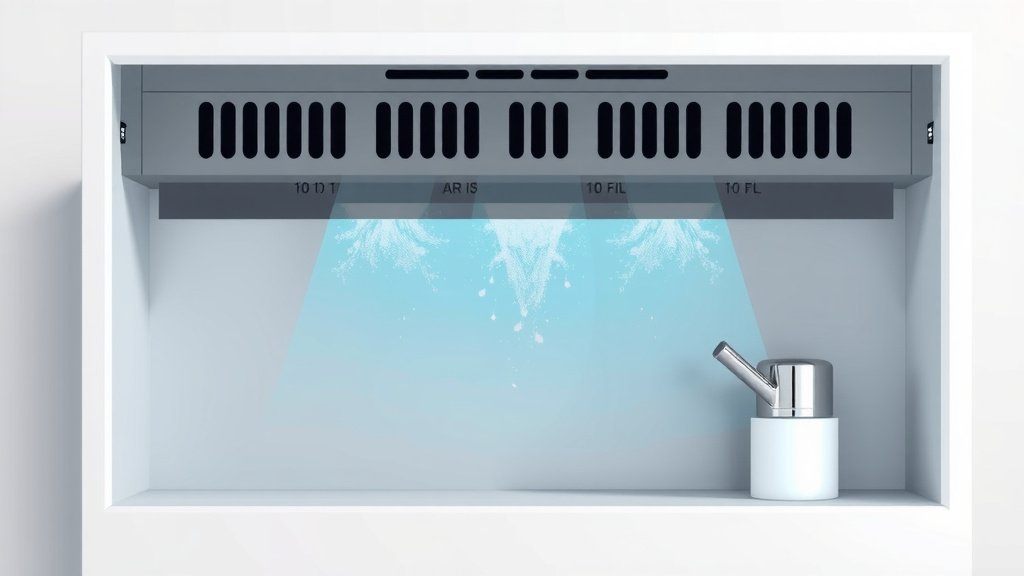
At its core, an air purifier uses a fan. This fan is the engine that drives the whole operation. It gently pulls the surrounding air into the unit. Think of it like a gentle vacuum cleaner for your room. The air you breathe in is then pushed through different layers of filters. Each layer tackles specific airborne contaminants.
The Role of the Fan
The fan’s speed can often be adjusted. A higher setting means more air is processed faster. A lower setting is quieter. Many find that running it on a lower speed overnight is best. This ensures continuous cleaning without being too disruptive.
Drawing Air In
Air enters the purifier through vents, usually located on the sides or back. You’ll want to make sure these vents aren’t blocked. This ensures the unit can effectively draw in air from your room. Proper placement is key to good performance.
The Heart of the Matter: The Filter System
The real magic happens within the filters. Most modern air purifiers use a multi-stage filtration system. This means your air passes through several different types of filters in sequence. This layered approach is highly effective at capturing a wide range of impurities.
Stage 1: Pre-filter
The first line of defense is often a pre-filter. This is typically a mesh screen. Its job is to catch the larger particles. We’re talking about things like pet hair, visible dust bunnies, and larger debris. By trapping these first, it protects the more sensitive filters that come later. This helps them last longer and work more efficiently.
Stage 2: HEPA Filter – The Heavy Hitter
Next up is usually the HEPA filter. HEPA stands for High-Efficiency Particulate Air. These filters are incredibly effective. They are designed to capture at least 99.97% of airborne particles. This includes particles as small as 0.3 microns. What does that mean for you? It means tiny things like pollen, mold spores, dust mite allergens, and even some bacteria are trapped here. Many allergy sufferers find this stage particularly beneficial. Research from organizations like the Environmental Protection Agency (EPA) highlights HEPA filters as a key technology for improving indoor air quality.
Stage 3: Activated Carbon Filter
After the HEPA filter, air often passes through an activated carbon filter. This type of filter is porous. It’s like a sponge for odors and gases. It works through a process called adsorption. Carbon molecules attract and hold onto gas molecules. This is fantastic for tackling unpleasant smells. Think cooking odors, pet smells, smoke, or even volatile organic compounds (VOCs) that can off-gas from furniture or cleaning products. The more carbon a filter has, the more odors and gases it can absorb.
Optional Stages: What Else Might Be Inside?
Some purifiers might include additional stages. These could involve UV-C light, which aims to neutralize airborne germs. Others might have an ionizer, which releases charged particles to help pollutants clump together. However, some experts suggest caution with ionizers, as they can sometimes produce ozone, which can be an irritant (Cleveland Clinic). Always check the manufacturer’s specifications.
What Gets Trapped? A Quick Look
Let’s break down what these filters are catching. It’s quite a list! Essentially, anything floating in the air that’s larger than a virus can be targeted.
- Dust and Dust Mites: These are common household irritants.
- Pollen: A major trigger for seasonal allergies.
- Mold Spores: Can cause respiratory issues and allergy symptoms.
- Pet Dander: Tiny flakes of skin shed by pets.
- Smoke Particles: From cigarettes, cooking, or wildfires.
- VOCs: Gases emitted from common household products.
- Odors: From pets, cooking, mildew, and more.
Putting It All Together: The Airflow Cycle
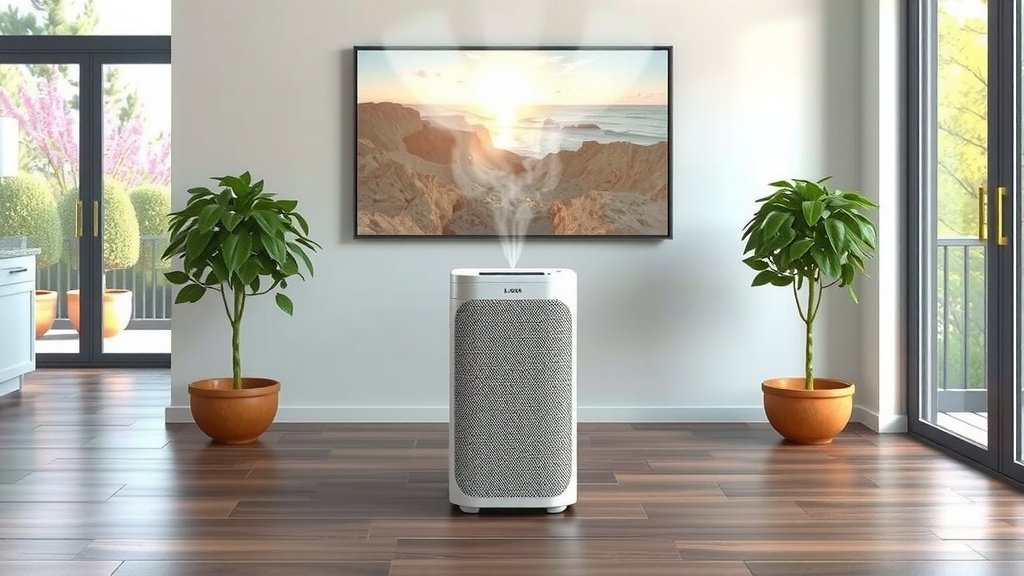
So, you have the fan pulling air in, and the filters cleaning it. What happens next? The purified air is then released back into your room. This happens through an outlet, usually at the top or front of the unit. This continuous cycle circulates cleaner air throughout your space. It’s a constant process of drawing in the ‘dirty’ air and expelling the ‘clean’ air.
Maintenance Matters: Keeping It Working
For your air purifier to keep doing its job effectively, it needs a little care. The filters don’t last forever. They get full of all the stuff they’ve trapped. You’ll need to replace them periodically. The pre-filter might be washable. However, HEPA and carbon filters typically need replacing. Many units have indicator lights to let you know when it’s time. Keeping your filters clean and replaced on schedule is essential for performance. Skipping this step means the purifier can’t clean your air properly, and air might even start to leak around clogged filters.
Filter Replacement Schedule
Here’s a general idea of how often you might need to replace filters. This can vary based on the model and how much you use the purifier.
| Filter Type | Typical Replacement Frequency |
|---|---|
| Pre-filter | Washable or replace every 1-3 months |
| HEPA Filter | Replace every 6-12 months |
| Activated Carbon Filter | Replace every 6-12 months |
A Checklist for Effective Air Purification
To ensure you’re getting the most out of your air purifier, keep these points in mind:
- Check your filters regularly.
- Replace filters as recommended by the manufacturer.
- Ensure the unit has good airflow (no blocked vents).
- Place the purifier in a **central location** in the room.
- Run it consistently for the best results.
Conclusion
You’ve learned how your air purifier works! It’s a system designed to physically trap pollutants. The fan draws air in, and multiple filters work together. A pre-filter catches large debris. A HEPA filter grabs tiny particles like allergens. An activated carbon filter tackles odors and gases. This cycle removes irritants, leaving you with cleaner air. To keep your unit performing at its best, remember that regular filter maintenance is key. Make it a habit to check and replace filters as recommended. You’ve got this!
Frequently Asked Questions
How often should I replace my air purifier filters?
Most HEPA and activated carbon filters need replacement every 6 to 12 months. This can vary based on your specific model and how often you run the purifier. Always check your manufacturer’s guide for precise recommendations. Replacing them on schedule ensures optimal cleaning performance.
Can an air purifier really remove odors from my home?
Yes, activated carbon filters are specifically designed to adsorb odors and gases. They work by trapping molecules responsible for smells from cooking, pets, smoke, or even VOCs. The more activated carbon in the filter, the better it is at eliminating lingering scents.
Is a HEPA filter necessary for effective air purification?
A HEPA filter is highly recommended for effective air purification. These filters capture at least 99.97% of airborne particles down to 0.3 microns. This includes common allergens like pollen, pet dander, and mold spores, making them essential for allergy sufferers.
What does a pre-filter do in an air purifier?
The pre-filter acts as the first line of defense. It’s typically a washable mesh that captures larger particles like pet hair, lint, and visible dust. Protecting the more sensitive filters behind it helps them last longer and work more efficiently.
Can I just wash my HEPA filter instead of replacing it?
No, you should not wash a HEPA filter. HEPA filters are designed to trap microscopic particles, and washing them would damage their structure. This damage would prevent them from effectively capturing pollutants. Always replace HEPA filters as recommended by the manufacturer.