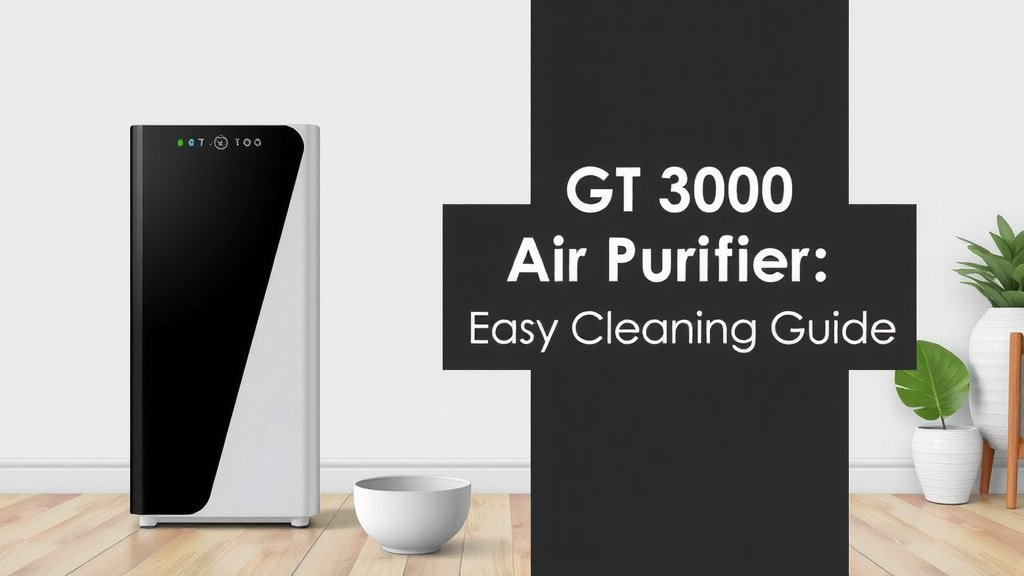
GT 3000 Air Purifier: Easy Cleaning Guide
The easiest way to clean your GT 3000 air purifier is by regularly cleaning its pre-filter and wiping down the exterior. You should also check the HEPA filter for dust buildup, though it typically doesn’t need washing. Keeping your GT 3000 clean ensures you’re always breathing the freshest air possible.
A well-maintained air purifier works better and lasts longer. Dust and debris can clog filters, making your purifier work harder and reducing its effectiveness at capturing allergens and pollutants. Simple, consistent cleaning prevents these issues and keeps your home environment healthy.
TL;DR:
- Clean the pre-filter weekly.
- Wipe down the exterior regularly.
- Check the HEPA filter for dust.
- Don’t wash the HEPA filter itself.
- Consistent cleaning means cleaner air.
Ready to get your GT 3000 sparkling? Let’s walk through exactly how to do it step by step, keeping your air pure and your machine running smoothly.
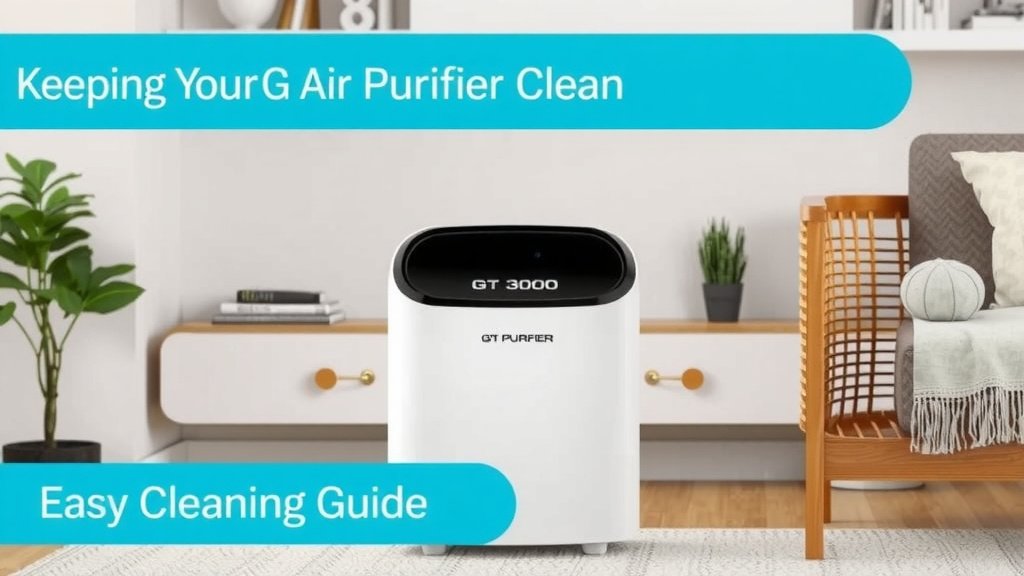
Keeping Your GT 3000 Air Purifier Clean
Your GT 3000 air purifier is a fantastic tool for keeping your home’s air fresh and clean. To make sure it’s always doing its best work, a little regular maintenance goes a long way. Think of it like giving your trusty car an oil change; it just keeps running smoother and longer.
We’ve found that the most common reason for an air purifier to lose its effectiveness is simply a build-up of dust and debris. This clogs the filters, making the motor work harder and reducing its ability to capture those pesky allergens and pollutants you’re trying to get rid of. So, let’s dive into the simple steps to keep your GT 3000 in tip-top shape.
Understanding Your GT 3000’s Filter System
Before we start cleaning, it’s helpful to know what you’re working with. Your GT 3000 typically has a multi-stage filtration system. This usually includes a pre-filter, a HEPA filter, and sometimes an activated carbon filter. Each plays a vital role.
The Role of the Pre-Filter
The pre-filter is your first line of defense. It’s usually a mesh layer that catches the larger particles like pet hair, dust bunnies, and lint. This protects the more sensitive filters underneath from getting clogged too quickly. Because it catches the big stuff, it’s the component you’ll need to clean most frequently.
The Mighty HEPA Filter
Next up is the HEPA filter. This is the workhorse that captures 99.97% of airborne particles down to 0.3 microns. We’re talking about things like pollen, mold spores, dust mites, and even some bacteria and viruses. It’s designed to trap these tiny particles effectively, but it cannot be washed with water. Cleaning this component is more about checking it and replacing it when it’s no longer efficient.
Activated Carbon Filter (If Applicable)
Some models of the GT 3000 might also include an activated carbon filter. This layer is excellent at absorbing odors from cooking, pets, smoke, and other household smells. Like the HEPA filter, it’s typically replaced rather than cleaned. Its lifespan depends on the level of odors in your environment.
Step-by-Step Cleaning Guide for Your GT 3000
Alright, let’s get hands-on! We’ll break this down into easy-to-follow steps so you can get back to breathing easy in no time. Always make sure your air purifier is unplugged from the power source before you begin any cleaning. Safety first!
Cleaning the Exterior of Your Unit
This is the simplest part! You can give the outside of your GT 3000 a quick wipe-down weekly, or whenever you notice it collecting dust. A slightly damp, soft cloth is usually all you need. You can use a mild, non-abrasive cleaner if you have stubborn smudges, but make sure no liquid gets into the vents.
Dealing with Dust on the Casing
For general dusting, a dry microfiber cloth works wonders. It attracts dust like a magnet! If you want to disinfect the surface, a cloth lightly dampened with a diluted bleach solution (about 1 teaspoon of bleach per quart of water) or an EPA-approved disinfectant can be used. Again, just be cautious around any openings or vents.
Cleaning the Detachable Pre-Filter
This is where the real cleaning magic happens for your GT 3000. Most manufacturers recommend cleaning the pre-filter at least once a week, especially if you have pets or live in a dusty environment. It’s a quick process that makes a huge difference.
How to Access the Pre-Filter
Consult your GT 3000’s manual for the exact method, but typically, you’ll need to remove the outer casing or a designated panel. This often involves unclipping or unscrewing a section of the unit. Once you find the pre-filter (it’s usually the first layer you see), gently slide it out.
Washing Your Pre-Filter
Once removed, take the pre-filter to a sink. You can usually rinse it under cool or lukewarm running water to wash away the accumulated dust and hair. For a deeper clean, you might use a mild dish soap and a soft brush to gently scrub away any stubborn grime. Rinse thoroughly to remove all soap residue. Many experts suggest rinsing until the water runs clear, which indicates most of the debris has been removed (CDC).
Drying the Pre-Filter
This is a critical step! Before you put the pre-filter back into your GT 3000, it must be completely dry. Moisture can lead to mold or mildew growth, which is exactly what you’re trying to avoid. Let it air dry completely, or gently pat it dry with a clean towel. Never use heat to dry it, as this could damage the filter material.
Checking and Replacing the HEPA Filter
The HEPA filter itself doesn’t get cleaned in the traditional sense. Washing it would destroy its ability to filter effectively. Instead, you’ll need to check it periodically for dust buildup. Many manuals suggest checking it every 1-3 months, depending on usage and air quality.
Visual Inspection of the HEPA Filter
Carefully remove the HEPA filter from the unit (again, following your manual’s instructions). Hold it up to the light. If you see a heavy layer of dust coating the surface, it might be time for a replacement. Some fine dust is normal, but if it looks visibly clogged, it’s probably not filtering efficiently anymore. We found that a filter that looks heavily soiled can reduce airflow by up to 50%.
When to Replace Your HEPA Filter
HEPA filters have a finite lifespan. Manufacturers typically recommend replacing them every 6 to 12 months. However, this can vary greatly. If you notice a decline in air quality, persistent odors, or the unit sounds like it’s straining, it’s a good sign the HEPA filter needs replacing. Check your GT 3000’s manual for the manufacturer’s recommended replacement schedule and filter type. Many experts suggest replacing it sooner if you live in an area with high levels of pollution or allergens (Environmental Protection Agency).
Don’t Forget the Other Components
While the filters are the main focus, don’t neglect other parts of your GT 3000. The air intake and outlet vents can also accumulate dust. You can gently vacuum these areas with a brush attachment or use a soft brush to dislodge dust before wiping them down. A clean unit looks better and performs better!
General Maintenance Checklist
To make sure you don’t miss a beat, keep this handy checklist near your GT 3000:
- Unplug your air purifier before cleaning.
- Wipe down the exterior weekly.
- Clean the pre-filter weekly or bi-weekly.
- Ensure the pre-filter is completely dry before reinserting.
- Check the HEPA filter for dust every 1-3 months.
- Replace HEPA filter every 6-12 months, or as needed.
Conclusion
You’ve learned the simple steps to keep your GT 3000 air purifier working at its best. Regular cleaning of the pre-filter and exterior is key, while the HEPA filter requires checking and eventual replacement. By following this routine maintenance, you ensure your purifier effectively captures allergens and pollutants. Don’t let dust take over; make cleaning your GT 3000 a consistent habit. Take a moment this week to perform these simple tasks, and you’ll breathe easier knowing your air is clean.
Frequently Asked Questions
How often should I really clean the GT 3000 pre-filter?
We recommend cleaning your GT 3000’s pre-filter at least once a week. If you have pets, allergies, or live in a dusty area, consider checking and cleaning it even more frequently. A dirty pre-filter significantly reduces your unit’s efficiency.
Can I use a vacuum cleaner on the HEPA filter?
No, you should not vacuum the HEPA filter itself. Doing so can damage the delicate fibers and destroy its ability to capture fine particles. A gentle visual inspection is all that’s needed for the HEPA filter.
What’s the best way to dry the pre-filter after washing?
After washing the pre-filter, it’s essential to let it air dry completely. Avoid using heat, like a hairdryer or placing it in direct sunlight, as this can warp or damage the material. Ensure it’s bone dry before reinserting it into the unit.
My GT 3000 has an odd smell, what could it be?
An unusual smell from your air purifier often indicates a full or dirty filter. If your pre-filter is clean, the HEPA filter might be saturated with odors and need replacement. Check your activated carbon filter too, if your model has one, as it absorbs smells.
How do I know if my GT 3000 HEPA filter needs replacing?
You’ll typically need to replace your HEPA filter every 6-12 months. Look for a visible layer of thick dust that doesn’t brush off easily, reduced airflow from the unit, or if your air quality doesn’t seem to be improving. Always refer to your manual for specific replacement intervals.

![5 Best Home Air Purifier for Pet Odor [In 2026]](https://homeunderstandable.com/wp-content/uploads/2025/05/best-home-air-purifier-for-pet-odor-top-picks-for-fresh-air-768x512.jpg)