Activated Charcoal: How It Purifies Your Indoor Air
Activated charcoal purifies air through a process called adsorption. It acts like a super-porous sponge, trapping airborne impurities. These impurities stick to the charcoal’s vast surface area. This is why activated charcoal is often used in air filters.
The magic of activated charcoal lies in its huge surface area. When air passes through it, tiny holes catch and hold onto pollutants. This includes things like odors and chemicals. It’s a simple yet effective way to clean the air you breathe.
TL;DR:
- Activated charcoal traps bad smells and chemicals.
- It uses adsorption, like a sponge for air.
- Its porous structure provides a huge surface area.
- This makes it great for cleaning indoor air.
So, how exactly does this porous wonder work its magic to clean your air? Let’s walk through the process step by step.
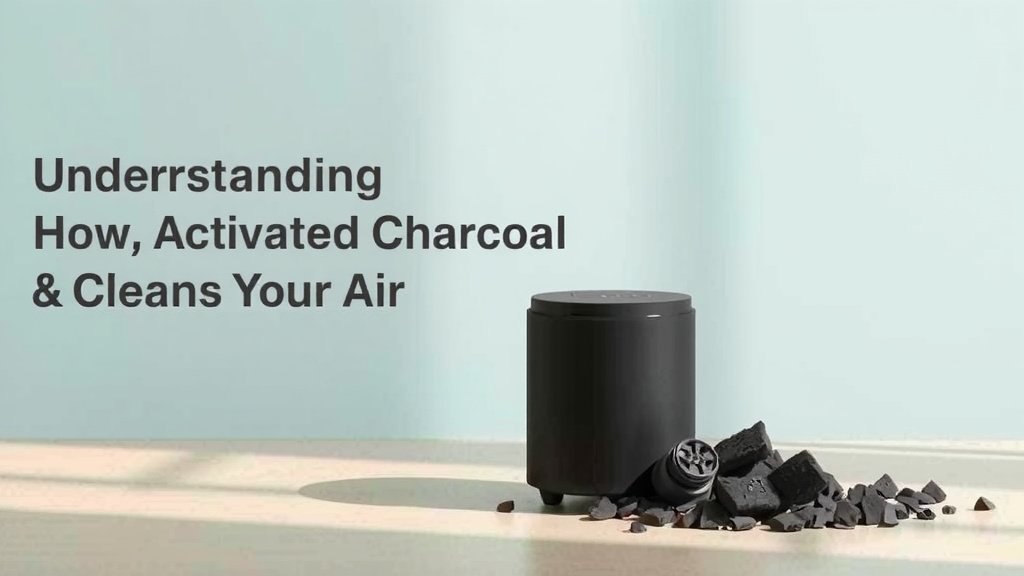
Understanding How Activated Charcoal Cleans Your Air
You’re probably wondering how this seemingly simple material can make such a difference in your indoor air quality. Activated charcoal works through a fascinating process that’s all about surface area and attraction. It’s like a microscopic magnet for unwanted molecules in the air.
The Science Behind the Sponge: Adsorption Explained
The main way activated charcoal purifies air is through a process called adsorption. This isn’t the same as absorption, where something soaks into another material. Adsorption is when molecules from one substance stick to the surface of another. Think of it like sticky notes clinging to a whiteboard, rather than a sponge soaking up water.
What is Adsorption in Simple Terms?
Imagine a crowded room where people are all trying to find a seat. Activated charcoal provides an incredible number of “seats” for airborne pollutants to land on and stay put. These pollutants, like odors or volatile organic compounds (VOCs), are attracted to the charcoal’s surface. They then get stuck there, effectively removed from the air you breathe.
Surface Area: The Key Ingredient
What makes activated charcoal so good at adsorption? It all comes down to its massive surface area. When charcoal is “activated,” it’s treated with heat or chemicals to create millions of tiny pores and cavities within its structure. This process dramatically increases its surface area. In fact, a single gram of activated charcoal can have a surface area equivalent to a football field!
Tiny Pores, Big Impact
These microscopic pores are the real workhorses. They provide countless nooks and crannies where pollutant molecules can attach themselves. The more pores and the larger the surface area, the more impurities the charcoal can trap. This is why a small amount of activated charcoal can be so effective in air purifiers.
What Exactly Does Activated Charcoal Remove from the Air?
Activated charcoal is particularly good at capturing certain types of airborne contaminants. It’s not a magic bullet for everything, but it excels in specific areas that greatly impact your home environment.
Tackling Unpleasant Odors
This is one of its most well-known talents. Have you ever noticed how activated charcoal can get rid of lingering smells from cooking, pets, or even musty basements? It does this by adsorcing the odor-causing molecules. These molecules are often organic compounds that stick to the charcoal’s surface. Many guidelines suggest activated charcoal for general odor control (EPA). It essentially traps the “smell” before it reaches your nose.
Capturing Volatile Organic Compounds (VOCs)
VOCs are gases emitted from various household products. This can include paints, cleaning supplies, furniture, and even air fresheners. These compounds can cause headaches, respiratory irritation, and other health issues. Activated charcoal has been found to be effective in adsorbing many common VOCs. This helps to clean the air from these chemical emissions. Research has shown its ability to capture substances like formaldehyde and benzene.
Dealing with Other Airborne Impurities
While its primary strengths are odors and VOCs, activated charcoal can also trap other airborne particles. This can include certain airborne chemicals and even some smaller dust particles. It’s important to remember that it’s most effective for gaseous pollutants. For very fine particulate matter, other filter types might be more suitable.
How Activated Charcoal is Used in Air Purification Systems
You’ll often find activated charcoal integrated into air purification systems. It’s a common component because of its effectiveness and natural properties.
Common Air Filter Designs
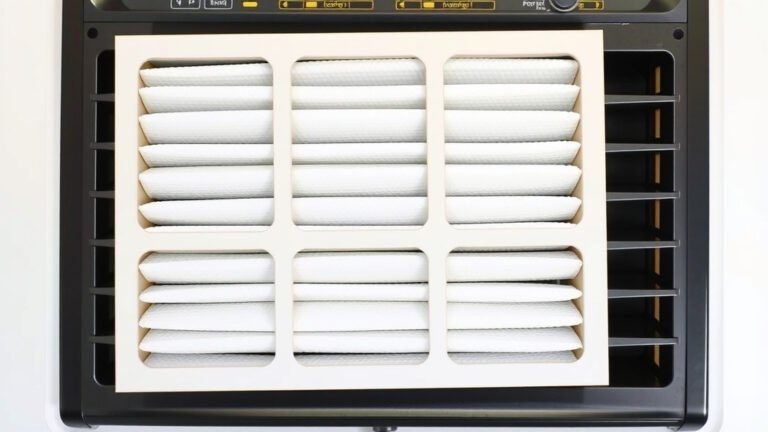
In most air purifiers, activated charcoal is used in conjunction with other filters, like HEPA filters. The HEPA filter captures larger particles like dust and pollen. Then, the air passes through a layer of activated charcoal. This is where the odors, VOCs, and other gases are adsorbed. This two-step approach provides a more complete purification process.
The Role of Charcoal Filters
These charcoal filters are often in a mesh or granular form. They are designed to maximize airflow while providing ample contact time for adsorption. As air is drawn into the purifier, it flows through the charcoal. Pollutants are trapped on the surface of the charcoal granules. The purified air is then released back into your room.
Lifespan and Replacement Considerations
Like any filter, activated charcoal doesn’t last forever. Eventually, all the adsorption sites on the charcoal will become saturated with pollutants. When this happens, it can no longer effectively trap new contaminants. The lifespan depends on the amount of charcoal used and the level of pollution in your home. Many manufacturers recommend replacing charcoal filters every 6-12 months. Check your air purifier’s manual for specific guidance.
Is Activated Charcoal Safe for Air Purification?
Yes, activated charcoal is generally considered safe for use in air purification. It’s a natural material derived from sources like coconut shells, wood, or coal. When used in air filters, it doesn’t release any harmful byproducts.
A Natural and Non-Toxic Solution
Unlike some chemical air fresheners that can introduce new pollutants, activated charcoal simply traps existing ones. It’s a passive process that doesn’t involve any energy consumption or chemical reactions that could be harmful. Many experts agree that it’s a safe way to improve indoor air quality.
Quick Checklist for Effective Air Purification with Activated Charcoal:
- Ensure your air purifier has a dedicated activated charcoal filter.
- Check the amount of activated charcoal used; more is often better.
- Understand what the charcoal filter is best at removing (odors, VOCs).
- Replace your charcoal filter on schedule to maintain effectiveness.
- Consider the overall filtration system for comprehensive air cleaning.
- Keep your home environment clean to reduce the load on the filter.
Conclusion
You’ve learned how activated charcoal uses its incredible surface area to trap odors and chemicals through adsorption. It’s a natural, safe way to make your indoor air cleaner. Remember that activated charcoal works best for gases and smells, complementing other filter types for a complete air cleaning system. To keep your air fresh, pay attention to your filter’s lifespan and replace it as recommended. By understanding how this porous material works, you can make informed choices for a healthier home environment.
Frequently Asked Questions
How often do I need to replace activated charcoal air filters?
The lifespan of an activated charcoal filter varies. It typically ranges from 6 to 12 months. Factors like the amount of charcoal and your home’s air quality influence this. Always check your air purifier’s manual for specific recommendations.
Can activated charcoal filter out viruses and bacteria from the air?
Activated charcoal is primarily effective at adsorbing gases, odors, and VOCs. It is not designed to capture microscopic particles like viruses and bacteria. For those, you would typically need a HEPA filter in conjunction with charcoal.
Will activated charcoal remove smoke odors from my home?
Yes, activated charcoal is very good at removing smoke odors. Smoke contains many volatile organic compounds and particles that cause smell. The charcoal’s adsorption process effectively traps these odor-causing molecules.
Does activated charcoal filter remove all types of smells?
Activated charcoal is highly effective at removing many common household odors, such as those from cooking, pets, and mold. However, its effectiveness can vary depending on the specific chemical compounds making up the smell. Some strong or complex odors might require more advanced filtration.
Can I use activated charcoal in a DIY air purifier?
You can certainly incorporate activated charcoal into DIY air purification projects. For best results, ensure good airflow over the charcoal granules. This allows ample contact time for the adsorption process to work effectively on airborne impurities.
![What Is The Best Air Purifier for Pets and Dust [In 2026]](https://homeunderstandable.com/wp-content/uploads/2025/06/best-air-purifier-for-pets-and-dust.jpg)