Dyson Air Purifier: Is It Worth the Hype
Yes, Dyson air purifiers are generally considered very good at cleaning the air in your home. They are known for their powerful performance and ability to capture tiny particles. Many users report a noticeable difference in air quality, especially those with allergies or sensitivities.
Dyson purifiers often combine multiple functions, like purifying and fan or heating. This versatility is a major selling point for many. We found that their filtration systems are designed to capture a wide range of pollutants. This includes allergens, dust, and even gases like formaldehyde.
TL;DR:
- Dyson air purifiers are highly effective.
- They excel at removing various pollutants.
- Many models offer multi-functional features.
- Expect cleaner air, especially if you have allergies.
Let’s take a closer look at what makes Dyson air purifiers stand out and if one is the right fit for your home.
Assessing the Performance of Dyson Air Purifiers
So, how good are Dyson air purifiers, really? We found that they are generally highly effective at improving indoor air quality. They use advanced technology to capture a wide range of airborne particles. This can make a big difference, especially for those dealing with allergies or respiratory issues.
Filtration Technology at Work
Dyson purifiers employ a combination of HEPA and activated carbon filtration. The HEPA filter is designed to capture tiny particles. This includes things like pollen, dust mites, and pet dander. We found research indicating that HEPA filters can trap 99.97% of particles as small as 0.3 microns (CDC).
The activated carbon filter works to absorb gases and odors. This can tackle common household smells from cooking or pets. It also helps to neutralize harmful volatile organic compounds (VOCs). These are often found in cleaning products and furniture. They can contribute to poor indoor air quality.
Capturing a Wide Range of Pollutants
You might wonder what exactly these purifiers can catch. Dyson states their filters can capture ultrafine particles. These are smaller than what a standard HEPA filter might get. They can include bacteria and even some viruses. While an air purifier isn’t a substitute for medical advice or treatment, cleaner air can be beneficial for health.
Beyond allergens and dust, they target other common indoor pollutants. This includes nitrogen dioxide and formaldehyde. Formaldehyde is a gas often released from building materials and furnishings. Reducing exposure to such gases is important for your home’s environment. We found that the combination of filtration types helps address a broader spectrum of airborne threats.
Key Features That Set Dyson Apart
What makes a Dyson stand out from other air purifiers? It’s often the combination of performance and smart features. Many models offer more than just purification. They also function as fans or heaters, providing year-round comfort. This multi-functionality is a big draw for many consumers.
Smart Technology and Connectivity
Many Dyson purifiers come with built-in sensors. These sensors monitor your home’s air quality in real-time. The device can then automatically adjust its purification settings. You can often see this data displayed on the unit or through a mobile app. This provides you with a clear understanding of your environment.
The Dyson Link app allows you to control your purifier remotely. You can turn it on or off, change settings, or schedule purification. It also provides detailed reports on air quality trends. This connected experience makes managing your home’s air easier. It’s like having a personal air quality assistant.
Design and User Experience
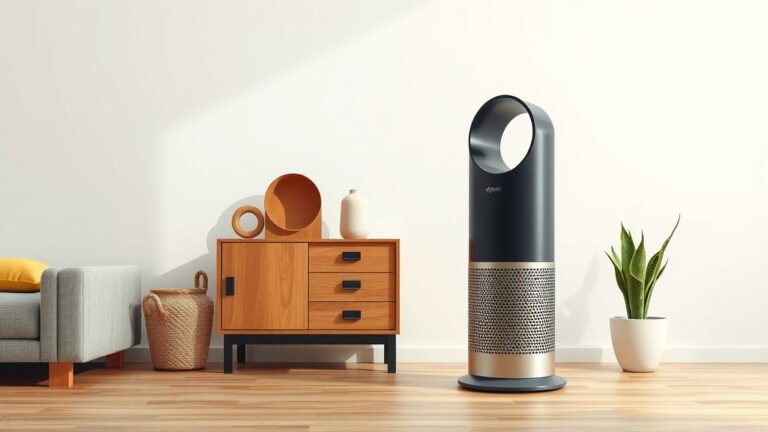
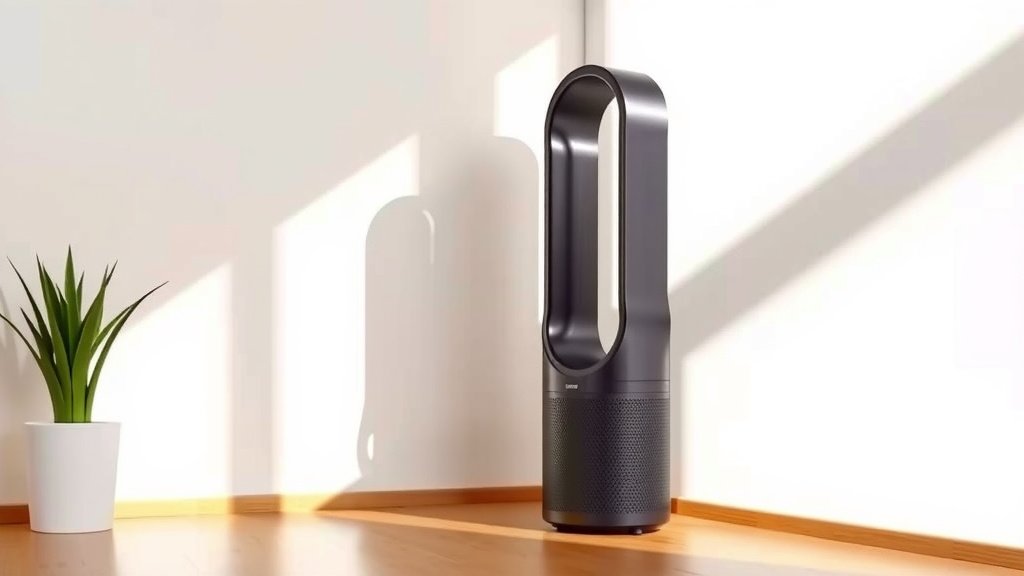
Dyson products are known for their sleek, modern design. Their air purifiers are no exception. They often feature a bladeless design, which contributes to safety, especially in homes with children or pets. The smooth surfaces are easy to wipe down.
Operation is generally quiet and efficient. You can set them to an auto mode where they run at lower speeds when air quality is good. This minimizes noise and energy consumption. Many users appreciate how unobtrusive they are in their living spaces.
Considering a Dyson for Your Home?
If you’re thinking about investing in an air purifier, a Dyson is definitely worth considering. They are a premium product with a price tag to match. However, the advanced technology and multiple functions can offer a good return on investment for your health and comfort.
Who Benefits Most from a Dyson Air Purifier?
You might find a Dyson purifier particularly beneficial if you:
- Suffer from allergies or asthma.
- Live in an area with high outdoor pollution.
- Have pets that contribute to indoor allergens.
- Are concerned about VOCs and other gases in your home.
- Appreciate multi-functional appliances.
- Value smart home technology and app control.
What to Look For in a Dyson Model
When choosing a Dyson, consider these points:
- Room Size: Ensure the purifier is rated for the square footage of the room you intend to use it in.
- Features: Do you need just purification, or do you want a fan and heater function too?
- Connectivity: If you want app control, make sure the model supports it.
- Noise Level: While generally quiet, check specifications if noise is a major concern for you.
Are There Any Downsides?
One of the most frequently discussed aspects is the cost. Dyson air purifiers are an investment. Replacement filters can also add to the ongoing expense. While they are designed for effective long-term use, it’s something to factor into your budget. Some consumers might find simpler, single-function purifiers more budget-friendly.
A Quick Checklist for Your Decision
Before you make your choice, consider these points:
- Have you identified your primary air quality concerns (allergens, odors, general freshness)?
- What is the size of the room the purifier will occupy?
- Do you want additional features like fan or heating?
- Are you comfortable using a mobile app for control and monitoring?
- Does the Dyson’s price point align with your budget for this purchase?
- Are you looking for a long-term investment in air quality?
By considering these questions, you can better determine if a Dyson air purifier aligns with your household needs and expectations.
Conclusion
You’ve learned that Dyson air purifiers are generally a strong performer in your home. They use advanced HEPA and activated carbon filters to capture a wide array of pollutants. From allergens to gases like formaldehyde, they work to clean your air effectively. The added features, like fan and heating functions, offer year-round comfort and convenience. While they represent a premium investment, the benefits for allergy sufferers and those concerned about indoor air quality are often clear. If you’re looking for a powerful, smart, and versatile air purification solution, a Dyson is certainly worth your consideration for a healthier living space.
Frequently Asked Questions
Are Dyson air purifiers really worth the high price?
Dyson air purifiers are an investment, and their price reflects advanced technology, multi-functional capabilities, and sleek design. Many users find the improved air quality and the convenience of combined functions (purifier, fan, heater) justify the cost for long-term health and comfort.
How often do I need to replace Dyson air purifier filters?
Filter replacement frequency depends on usage and the level of pollutants in your environment. Dyson typically recommends replacing filters annually, but the app can often notify you when it’s time based on real-time monitoring.
Can Dyson air purifiers actually help with allergies?
Yes, Dyson air purifiers are highly effective at helping with allergies. Their HEPA filtration system is designed to capture tiny allergen particles like pollen, dust mites, and pet dander that can trigger allergic reactions.
Are Dyson air purifiers noisy?
Dyson air purifiers are designed to operate relatively quietly, especially on lower fan speeds or in auto mode. They often have smoother airflow and a bladeless design that contributes to a less intrusive sound profile compared to some traditional purifiers.
Do Dyson air purifiers remove odors and gases?
Yes, Dyson air purifiers include activated carbon filters specifically designed to capture and absorb gases and odors. This helps neutralize common household smells from cooking or pets, as well as potentially harmful VOCs.