Air Purifier Importance: Is It Worth It For You
Air purifiers are very important for your health and home. They help remove harmful pollutants from your air. This means you can breathe cleaner air every day. You’ll notice fewer allergy symptoms and less dust.
Many people wonder if an air purifier is worth it. Research shows they can reduce airborne particles like pollen and pet dander. They also capture smoke and odors. This makes your home a much more comfortable and healthier space. It’s about creating a sanctuary for your family.
- Air purifiers remove allergens like pollen and dust.
- They can reduce pet dander and bad smells.
- Cleaner air helps people with allergies and asthma.
- Many experts agree they improve indoor air quality.
- You can enjoy a fresher, healthier home environment.
Let’s take a closer look at why an air purifier might be the missing piece in your healthy home puzzle.
Why Is an Air Purifier So Important for Your Home?
So, you’re wondering about the role of an air purifier in your daily life. It’s a question many people ask, and the answer is quite straightforward: they are incredibly beneficial for your health and well-being. Think of your home as your personal sanctuary. You want that space to be as clean and healthy as possible, right?
Air purifiers work to remove tiny particles from the air you breathe. These can include things you can’t even see. They trap these pollutants, making your indoor air much fresher and cleaner. This can make a real difference in how you feel every single day.
Understanding the Pollutants in Your Air
You might be surprised by what’s floating around in your home’s air. It’s not just dust bunnies. There are many invisible culprits that can affect your health. We often think about outdoor air pollution, but indoor air can be just as bad, if not worse.
Common Indoor Air Pollutants
Many things contribute to poor indoor air quality. Pets are a big one, shedding dander that can trigger allergies. Cooking, cleaning products, and even furniture can release VOCs (Volatile Organic Compounds). These are chemicals that can be harmful over time (Environmental Protection Agency).
- Pet dander
- Dust mites
- Pollen
- Mold spores
- Smoke particles
- VOCs from household products
The Impact on Your Health
Breathing in these pollutants regularly can lead to a range of health issues. For starters, allergies can flare up more frequently. Symptoms like sneezing, itchy eyes, and a runny nose become a common annoyance. Asthma sufferers can find their condition worsens.
We found that even without specific conditions, long-term exposure to poor indoor air quality can affect overall health. It can lead to headaches, fatigue, and respiratory irritation. Ensuring your air is clean is a direct investment in your well-being.
How an Air Purifier Creates a Healthier Environment
An air purifier acts like a shield against these airborne particles. It’s designed to capture and remove them from your living space. This process leads to a noticeably cleaner environment for you and your family.
The Magic of Filtration Technology
Most air purifiers use a multi-stage filtration system. The first stage might catch larger particles like dust and hair. The next stage often includes a HEPA (High-Efficiency Particulate Air) filter. These are super effective at trapping small particles.
HEPA filters are certified to capture 99.97% of particles that are 0.3 microns in size. This includes common allergens and even some bacteria and viruses. Some purifiers also have activated carbon filters. These are great for absorbing odors and gases.
Benefits for Allergy and Asthma Sufferers
If you or someone in your household deals with allergies or asthma, an air purifier can be a game-changer. By removing common triggers from the air, it helps reduce the frequency and severity of symptoms. Imagine breathing easier without constant sneezing or wheezing.
We’ve seen reports indicating that improved indoor air quality can lead to fewer asthma attacks. This means less reliance on quick-relief inhalers. It provides a more comfortable living situation for everyone.
Reducing Odors and Smoke
Beyond allergens, air purifiers are fantastic at tackling unpleasant odors. Whether it’s cooking smells, pet odors, or smoke from cigarettes or wildfires, an air purifier can help neutralize them. The activated carbon filter plays a key role here.
This means your home can smell fresher, more inviting, and generally more pleasant. No more lingering cooking smells or stale air. It contributes to a more enjoyable living experience.
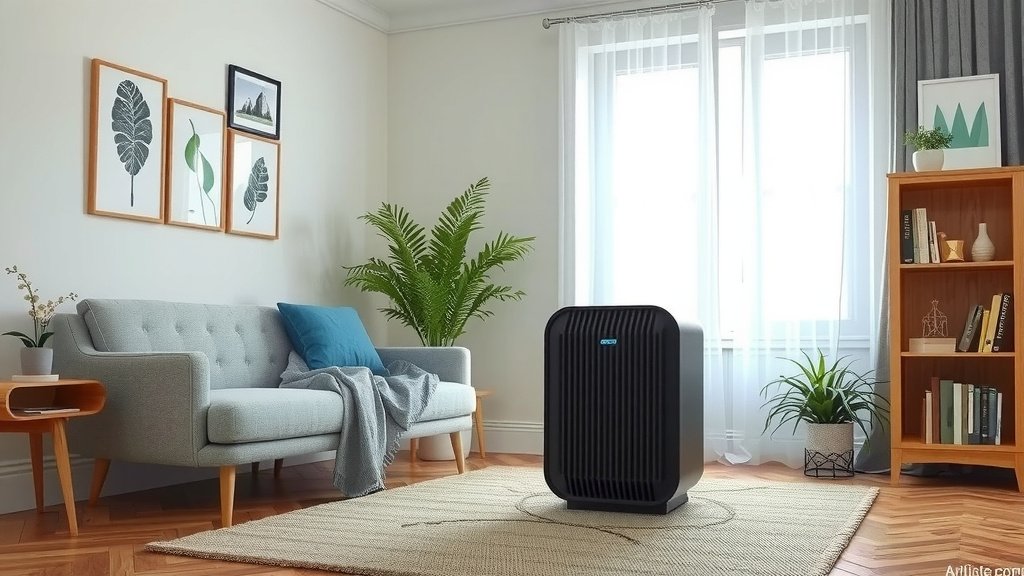
Choosing the Right Air Purifier for Your Needs
With so many options, how do you pick the best one? It really depends on your specific needs and the size of the room you want to purify. You don’t want to over or under-buy.
Key Features to Consider
Look for units with true HEPA filters. This is the gold standard for particle removal. Check the CADR (Clean Air Delivery Rate) rating. This tells you how quickly the purifier can clean a room. Also, consider the noise level, especially for bedrooms.
Room Size Matters
An air purifier rated for a small bedroom won’t do much in a large living room. Always check the manufacturer’s recommendations for room coverage. Getting the right size ensures you get the best possible air cleaning.
Energy Efficiency
Many air purifiers run continuously to maintain clean air. Look for ENERGY STAR certified models. They use less electricity, saving you money on your energy bills. It’s a win-win for your wallet and the environment.
A Simple Checklist for Cleaner Air
Ready to take the step towards cleaner air? Here’s a quick checklist to help you get started:
- Assess your biggest air quality concerns (allergies, odors, smoke).
- Determine the room size for your purifier.
- Look for a true HEPA filter.
- Check the CADR rating for effectiveness.
- Consider noise levels and energy efficiency.
- Read reviews to find a reliable brand.
An air purifier is more than just a gadget; it’s a tool for creating a healthier living space. By understanding what’s in your air and how purifiers work, you can make an informed decision. You can enjoy the benefits of breathing cleaner, fresher air every day.
Conclusion
You’ve learned why air purifiers are so important for your home. They actively combat invisible indoor pollutants that can affect your health. From allergens to odors and smoke, these devices offer real benefits. Research shows they can significantly improve air quality. This means you can breathe easier and enjoy a healthier living space. Taking steps to clean your indoor air is a direct investment in your family’s well-being. Consider adding an air purifier to your home and start breathing cleaner air today.
Frequently Asked Questions
Do air purifiers actually make a difference?
Yes, air purifiers can make a noticeable difference in your home’s air quality. By filtering out common pollutants like dust, pollen, and pet dander, they can reduce allergy symptoms. Many people report feeling better and breathing more easily after using one.
Can an air purifier help with pet odors?
Absolutely. Air purifiers with activated carbon filters are very effective at absorbing and neutralizing pet odors. This can make a big difference in keeping your home smelling fresh and clean, even with furry friends around.
Is a HEPA filter really necessary in an air purifier?
A true HEPA filter is highly recommended because it captures 99.97% of airborne particles as small as 0.3 microns. This includes many common allergens and irritants that can impact your health. It’s the gold standard for effective air purification.
How often should I run my air purifier?
For the best results, it’s generally recommended to run your air purifier continuously, especially in rooms where you spend a lot of time. This ensures that the air is constantly being filtered and cleaned, providing consistent benefits.
Are air purifiers noisy?
The noise level of an air purifier can vary by model and fan speed. Many newer models are designed to be quiet, especially on lower settings, making them suitable for bedrooms and living areas. Always check product reviews for noise information.
![What Is The Best Air Purifier for Particulate Matter [In 2026]](https://homeunderstandable.com/wp-content/uploads/2025/05/best-air-purifier-for-particulate-matter.jpg)