
Why Air Purifiers Matter For Your Home’s Health
Yes, air purifiers can be very important for improving your indoor air quality. They work by filtering out pollutants like dust, pollen, pet dander, and smoke. If you’re concerned about allergies, asthma, or general air freshness, a good air purifier can make a noticeable difference in your home environment.
We found that indoor air can actually be more polluted than outdoor air. This is because common household items can release volatile organic compounds (VOCs). An air purifier can help remove these airborne irritants, creating a healthier living space for you and your family.
- Air purifiers help remove common allergens like dust and pollen.
- They can reduce odors from cooking, pets, and smoke.
- Some models are particularly effective against airborne viruses and bacteria.
- Investing in one can improve air quality for allergy and asthma sufferers.
Let’s walk through exactly how air purifiers work and why they might be a good fit for your home.
“`htmlHow Much Do Air Purifiers Really Help Your Home?
You might be wondering if an air purifier is truly worth the investment for your home. We’ve looked into it, and the answer is often a resounding yes. Air purifiers are designed to tackle a variety of airborne particles that can affect your health and comfort. They can make a real difference, especially if you or your family members struggle with allergies or respiratory issues.
Understanding What Air Purifiers Do
At their core, air purifiers act like giant fans that pull air through a series of filters. These filters are the magic behind the scenes, capturing pollutants before the clean air is released back into your room. Think of it as a very sophisticated vacuum cleaner for your air, constantly working to make your indoor environment fresher and healthier.
The Filtration Process Explained
Most air purifiers use a multi-stage filtration system. The first stage is usually a pre-filter. This catches larger particles like dust bunnies and pet hair. It’s like a first line of defense, protecting the more sensitive filters that come next. This also helps extend the life of your purifier’s other components.
HEPA: The Gold Standard
The star of the show is typically a High-Efficiency Particulate Air (HEPA) filter. True HEPA filters are tested to capture 99.97% of particles that are 0.3 microns in size. This includes things like pollen, mold spores, pet dander, and even some bacteria and viruses. Many health organizations recommend HEPA filters for allergy and asthma sufferers (American Lung Association).
Activated Carbon for Odors
Beyond particles, many air purifiers also feature activated carbon filters. These are fantastic for tackling odors. They work by adsorbing gases and volatile organic compounds (VOCs) released from cleaning products, paints, and furniture. So, if cooking smells or pet odors linger, carbon filters can help neutralize them.
Common Indoor Air Pollutants They Target
You might be surprised at what can be floating around in your home. Common culprits include dust mites, which thrive in carpets and bedding. Pollen can easily be tracked in from outdoors. Pet dander, those tiny flakes of skin from your furry friends, is a major allergen for many. Even everyday activities like cooking can release smoke and fine particles into the air.
We also found that VOCs are a hidden issue. These chemicals can off-gas from new carpets, paint, and even air fresheners. They can contribute to headaches and respiratory irritation. Air purifiers, particularly those with activated carbon, are designed to help remove these invisible irritants.
Who Benefits Most from Air Purifiers?
While everyone can appreciate cleaner air, certain groups see the most significant improvements. If you or someone in your household experiences allergies, an air purifier can be a lifesaver. By reducing airborne allergens like pollen and dander, purifiers can lessen allergy symptoms like sneezing, itchy eyes, and congestion.
Allergy and Asthma Sufferers
For individuals with asthma, cleaner air is not just about comfort; it’s about breathing easier. Irritants like dust, mold, and smoke can trigger asthma attacks. Research has shown that using HEPA air purifiers can reduce the concentration of airborne allergens and improve asthma control in children (NIH).
Pet Owners
Love your pets but not the dander? Air purifiers are a fantastic tool for pet owners. They help capture those tiny dander particles that cause allergic reactions. They also do a great job of reducing pet odors, keeping your home smelling fresher. Many owners report a noticeable reduction in sneezing and sniffles after using a purifier.
Those Concerned About Indoor Air Quality
Even if you don’t have specific health conditions, you can still benefit. Modern homes are often sealed tightly to conserve energy. This can trap pollutants inside. If you live in an area with high outdoor pollution or simply want to ensure the air you breathe at home is as clean as possible, an air purifier is a smart choice.
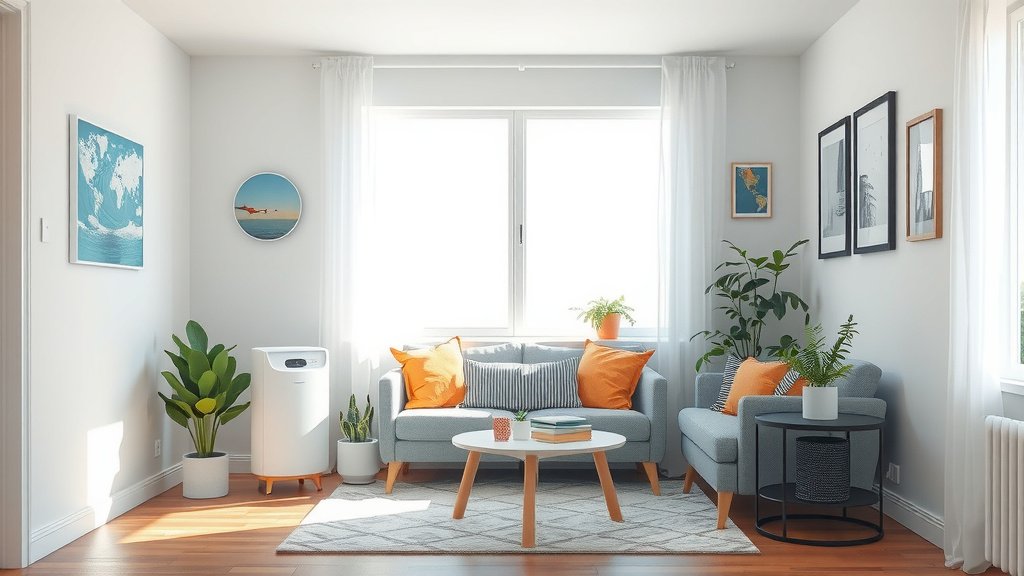
Key Features to Look For
When you’re shopping for an air purifier, a few key features will help you make the best choice. Understanding these will ensure you get a unit that meets your needs and effectively cleans your air. Think about the size of the room you’ll be using it in.
Room Size and CADR Rating
Air purifiers are rated for the size of the space they can effectively clean. Look for the Clean Air Delivery Rate (CADR). This tells you how quickly the purifier can clean the air in a room. Higher CADR ratings mean faster and more efficient cleaning. It’s often recommended to choose a purifier with a CADR rating suitable for a room larger than the one you intend to use it in for maximum effectiveness.
Filter Types and Lifespan
As we discussed, HEPA and activated carbon filters are essential. Check what types of filters the unit uses. Also, find out how often they need to be replaced. Filter replacement is an ongoing cost, so factor this into your budget. Some pre-filters are washable, which can save you money.
Noise Level
Air purifiers have fans, and fans make noise. This is especially important if you plan to use the purifier in a bedroom or living area. Look for models that offer different fan speeds, including a quieter “sleep mode.” Noise levels are usually measured in decibels (dB). Below 50 dB is generally considered quiet for most settings.
A Quick Checklist for Cleaner Air
Ready to take the plunge for cleaner air? Here’s a simple checklist to help you get started:
- Assess your needs: Do you have allergies, pets, or concerns about odors?
- Measure your space: Know the square footage of the room where you’ll use it.
- Check CADR ratings: Ensure it’s suitable for your room size.
- Verify filter types: Look for true HEPA and activated carbon filters.
- Consider noise levels: Especially for bedrooms or quiet areas.
- Factor in filter costs: Replacement filters are an ongoing expense.
By considering these factors, you can feel confident in choosing an air purifier that will make your home environment feel and smell fresher.
“`Conclusion
You’ve learned that air purifiers are far more than just a gadget; they can be essential tools for a healthier home. By effectively removing allergens, odors, and irritants, they create a noticeably fresher living space. If you or your family suffer from allergies or asthma, or simply want to breathe cleaner air, investing in an air purifier is a smart move. We’ve covered how they work, who benefits most, and what to look for. Your next step is to assess your home’s needs and find the right purifier to transform your indoor air quality.
Frequently Asked Questions
Do air purifiers actually make a difference for allergies?
Yes, air purifiers can make a big difference for allergy sufferers. They capture common allergens like pollen, dust mites, and pet dander before they spread through your home. This can lead to fewer allergy symptoms and a more comfortable living environment for you.
Are air purifiers noisy to run all day?
Most modern air purifiers offer multiple fan speeds, including a quiet sleep mode. While they do make some noise, many units are designed to be unnoticeable in the background. Check the decibel (dB) rating to find a model that fits your comfort level.
How often do I need to replace air purifier filters?
Filter replacement frequency varies by model and usage, but typically lasts anywhere from 6 months to 2 years. Pre-filters are often washable, which can extend the life of other filters. Always check your purifier’s manual for specific recommendations.
Can an air purifier remove smoke smell from a house?
Air purifiers with activated carbon filters are very effective at removing odors, including smoke. The carbon adsorbs the odor-causing particles and gases from the air. You’ll likely notice a significant reduction in lingering smoke smells fairly quickly.
Is an air purifier necessary if I don’t have allergies or asthma?
While not strictly necessary for everyone, an air purifier can still greatly improve your home’s air quality. They help remove everyday pollutants, dust, and VOCs that can affect anyone’s health and well-being. It’s a good way to ensure the air you breathe daily is as clean as possible.
![5 Best Air Purifier for Office Desk [In 2026]](https://homeunderstandable.com/wp-content/uploads/2025/05/best-air-purifier-for-office-desk-top-choices-for-clean-air-768x512.jpg)