How Long Before Air Purifier Starts Working
So, you’ve got an air purifier and you’re wondering, “How long before it actually starts cleaning my air?” Generally, you’ll notice improvements in your air quality within 30 minutes to a few hours. This depends on the purifier’s power and your room size, but immediate filtration begins as soon as you turn it on, capturing larger particles right away.
The real magic, though, happens over a bit more time. For a noticeable difference in the air you breathe, think in terms of a few hours to a full day. This allows the purifier to cycle the room’s air multiple times, tackling everything from dust bunnies to allergens. It’s like giving your home a deep breath.
- It starts cleaning immediately.
- Noticeable air improvement in hours.
- Room size and purifier power matter.
- Full air turnover takes time.
Let’s break down what affects how quickly your air purifier works its magic, and what you can expect.
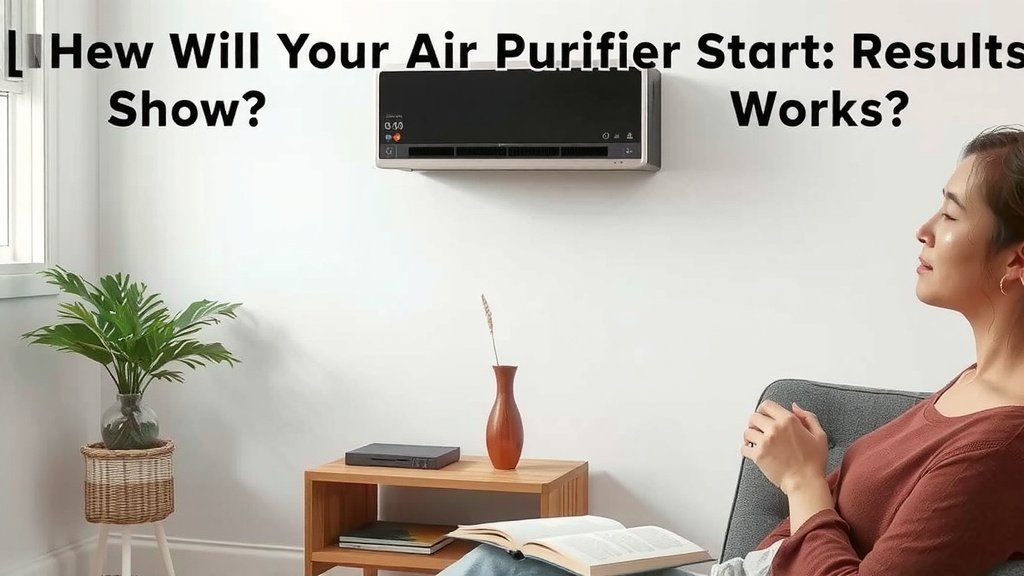
When Will Your Air Purifier Show Results?
You’ve plugged in your new air purifier, excited to breathe cleaner air. But how long does it actually take to notice a difference? It’s a great question, and the answer isn’t a simple one-size-fits-all. Think of it like cooking: some dishes are ready in minutes, while others need hours to simmer and develop their full flavor.
Your air purifier starts working the moment you switch it on. It begins filtering out particles right away. But to really *feel* the clean air, it takes a bit more time. We found that most people start noticing a difference within a few hours, and for the best results, it might take up to a full day.
The Immediate Impact: First Filters at Work
As soon as your air purifier powers up, its fan starts drawing air into the unit. This air passes through the filters. Larger particles like dust and pet hair are captured almost instantly. So, technically, the cleaning process is happening right from the start. You might not *see* a difference immediately, but the air molecules are being processed.
Capturing What You See (and What You Don’t)
The pre-filter, usually the first layer, is designed to catch the big stuff. This includes visible dust, lint, and larger allergens. This protection is immediate. After that, the air moves through more advanced filters.
The Role of Different Filter Stages
A good air purifier has multiple filter stages. The HEPA filter is the star for smaller particles. It can trap 99.97% of particles down to 0.3 microns. This includes pollen, mold spores, and pet dander. While this happens continuously, it takes time for the air in your entire room to pass through these filters multiple times.
Factors Influencing Air Purifier Speed
Several things affect how quickly your air purifier cleans your space. Understanding these can help you manage your expectations.
Room Size Matters a Lot
The most critical factor is the size of the room. Air purifiers are rated for specific room sizes. Using a small unit in a large living room will take much longer to clean the air effectively. Conversely, a powerful unit in a tiny bedroom might clean the air very quickly, perhaps too quickly for some settings to be fully utilized.
For example, if your air purifier is rated for a 300-square-foot room, but you use it in a 600-square-foot space, it will struggle. It may take twice as long, or even longer, to achieve the same level of air cleaning. Always check the manufacturer’s guidelines for room size recommendations.
Air Changes Per Hour (ACH) is Key
Manufacturers often state the ACH rating for their air purifiers. This tells you how many times the unit can clean the entire volume of air in a room within one hour. A higher ACH means faster cleaning. For example, a unit with an ACH of 5 will cycle the air five times per hour. This is generally considered very effective for most homes, especially for allergy sufferers (Cleveland Clinic).
If you have severe allergies or live in an area with poor air quality, look for a unit with a higher ACH, ideally 4 or 5. If your goal is general air freshening, an ACH of 2 might be sufficient, though it will take longer to see significant changes.
The Power of Your Purifier
Higher wattage and a stronger fan motor generally mean a more powerful air purifier. A more powerful unit can move more air, leading to faster filtration. This is directly related to the ACH rating.
Think of it like a vacuum cleaner. A more powerful vacuum will pick up dirt more quickly. An air purifier works similarly, drawing in and processing more air volume when it has more power. However, more power can also mean more noise, so it’s a balance to consider.
Type of Pollutants You’re Targeting
What you’re trying to remove from the air also plays a role. Odors and gases, often handled by activated carbon filters, might require more contact time with the filter material. This can slow down the perceived effectiveness compared to just capturing dust particles.
Particles like dust and pollen are trapped relatively quickly. However, lingering smells from cooking or pet odors might take longer to neutralize. This is because the carbon filter needs time to adsorb the odor molecules.
Understanding Air Turnover Time
The concept of “air turnover” is central to understanding how long it takes for an air purifier to work. Air turnover is the time it takes for the purifier to circulate and clean the entire volume of air in a room.
How Long Does a Full Room Turnover Take?
If a unit has an ACH of 4, it means it cycles the air 4 times every hour. To complete one full turnover of the room’s air, it takes 15 minutes (60 minutes / 4 cycles). However, to *noticeably* improve the air quality, especially for smaller particles and lingering issues, multiple turnovers are needed.
For a significant improvement, especially with allergens and fine dust, many experts recommend allowing at least 2-4 air turnovers. This means for an ACH of 4, you’re looking at 30 minutes to 1 hour for substantial cleaning. For complete air renewal, especially in challenging environments, you might need to let it run for several hours.
| Timeframe | What You Might Notice | Factors Involved |
|---|---|---|
| Immediate (Seconds to Minutes) | Larger particles captured. Fan is running. | Pre-filter efficiency. Unit powered on. |
| 30 Minutes to 2 Hours | Reduced dust motes in sunlight. Fresher smell. | ACH rating, room size, purifier power. |
| 4 to 12 Hours | Significant reduction in allergens. Noticeably cleaner air. | Multiple air turnovers. Consistent operation. |
| 24 Hours+ | Maximized air quality benefits. Stubborn odors reduced. | Continuous operation, filter condition, pollutant load. |
Continuous Operation is Best
For optimal air quality, it’s best to let your air purifier run continuously, especially in areas where air quality is a concern. Turning it off and on can interrupt the cleaning cycle. Many units have energy-saving modes for overnight use. Research suggests that consistent filtration is key to maintaining a clean environment (CDC).
Your Air Quality Checklist
Here’s a quick way to think about getting the most out of your air purifier:
- Ensure your purifier is rated for your room size.
- Check the ACH rating for faster cleaning.
- Place it in a central location for better air circulation.
- Let it run for several hours initially.
- Consider continuous operation for best results.
- Keep filters clean or replaced as recommended.
Conclusion
You’ve learned that your air purifier starts cleaning the moment you plug it in, but achieving truly fresh air takes time. Expect to notice a difference within a few hours, with optimal results appearing after a full day of continuous operation. Factors like room size, the purifier’s power, and its Air Changes Per Hour (ACH) rating all play a role. To ensure you’re getting the best performance, make sure your unit is suited for your space and consider running it consistently. Your next step? Check your purifier’s specifications against your room size and consider its ACH rating to set realistic expectations for cleaner air in your home.
Frequently Asked Questions
How soon can I expect to *feel* a difference in my air?
You’ll likely notice a difference in your air quality within 30 minutes to a couple of hours. This is when the purifier has had enough time to cycle the room’s air multiple times. You might notice less dust in the air or a fresher smell.
Does running the air purifier on a higher setting speed up the cleaning process?
Yes, running your air purifier on a higher setting generally speeds up the cleaning process. Higher settings mean the fan runs faster, moving more air through the filters more quickly. This increases the Air Changes Per Hour (ACH) for your room.
Is it better to run my air purifier 24/7 or turn it on and off as needed?
For the best and most consistent air quality, it’s generally recommended to run your air purifier continuously. Turning it on and off can interrupt the cleaning cycle and delay achieving optimal air purity. Many modern units have energy-saving modes for overnight use.
Will a larger room take significantly longer to purify?
Yes, a larger room will take longer to purify than a smaller one, especially if your air purifier isn’t rated for that room size. The purifier has to work harder to circulate and clean the increased volume of air. Always check the manufacturer’s recommended room coverage area.
How long does it take to remove strong odors like smoke or pet smells?
Removing strong odors like smoke or pet smells can take longer than just removing dust or allergens. This is because these odors often require activated carbon filters to adsorb the smell molecules. You might need several hours to a full day of continuous operation for significant odor reduction.