Clean Your Air Purifier Filter: A Simple Guide
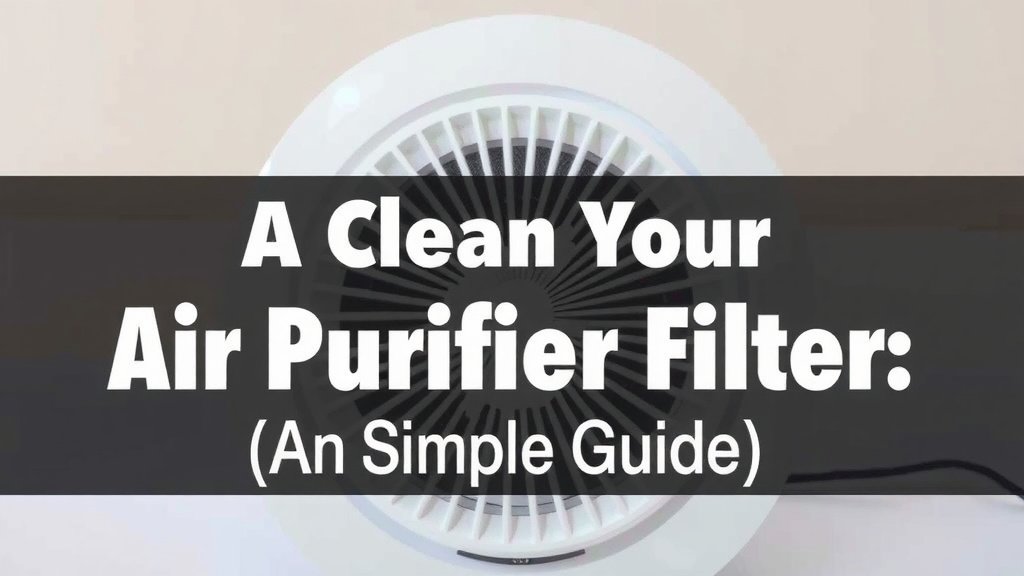
The easiest way to clean your air purifier filter is with a vacuum cleaner and a damp cloth. You should aim to clean your air purifier’s filter about once a month. This helps your purifier run more efficiently and keeps your air cleaner. It’s not as hard as you might think!
Regular cleaning ensures your air purifier can do its best job. A dirty filter means your purifier has to work harder. This can reduce its effectiveness and even shorten its lifespan. Keeping up with filter maintenance is a simple habit with big benefits for your home’s air quality.
- Clean your air purifier filter monthly.
- Use a vacuum and a damp cloth.
- This keeps your purifier efficient.
- It also improves your air quality.
- Follow the manufacturer’s guide.
Ready to get that filter sparkling? Let’s walk through exactly how to clean your air purifier filter step by step.
Keeping Your Air Purifier Filter Clean: A Simple Guide
Maintaining a clean air filter is key for your air purifier to work its best. Think of it like changing the oil in your car. Without regular upkeep, it won’t perform as well. We’ll show you how easy it is to clean your air purifier filter.
Why Cleaning Your Air Purifier Filter Matters
When dust and debris clog your air purifier’s filter, it struggles to pull in air. This means less clean air for your home. It’s like trying to breathe through a clogged nose! Your purifier also uses more energy when it’s working harder.
Research shows that dirty filters can significantly reduce an air purifier’s effectiveness. They can also become a breeding ground for mold and bacteria. Keeping it clean helps ensure you’re breathing healthier air. It also saves you money on your energy bill.
The Impact on Your Home’s Air Quality
Your air purifier is designed to trap pollutants like dust, pollen, pet dander, and smoke. When the filter is full, it can no longer do its job effectively. Some of these particles might even get blown back into the air. This defeats the purpose of having an air purifier in the first place.
A clean filter means your purifier can efficiently capture these airborne irritants. This can be a big help for people with allergies or asthma. Many health organizations recommend air purifiers as part of a strategy for better indoor air quality (CDC).
Extending the Lifespan of Your Air Purifier
Just like any appliance, proper maintenance can make your air purifier last longer. A overworked motor due to a clogged filter can lead to premature wear and tear. Cleaning the filter regularly is a simple way to protect your investment and keep it running smoothly for years to come.
Gathering Your Cleaning Supplies
Before you start, make sure you have everything you need. This will make the process much smoother. You don’t want to be halfway through and realize you’re missing something!
Essential Tools for the Job
- A vacuum cleaner with a brush attachment.
- A soft, damp cloth.
- Mild soap (optional, check your manual).
- A dry towel or cloth.
- Your air purifier’s user manual.
Always refer to your specific air purifier’s manual. Different models might have slightly different filter types or cleaning instructions. Your manual is the ultimate guide for your specific device.
Step-by-Step Cleaning Process
Cleaning your air purifier filter is typically a straightforward process. Let’s break it down so you can get it done quickly and effectively.
Step 1: Power Down and Access the Filter
First and foremost, unplug your air purifier. This is a safety step you should never skip. Next, locate the filter cover. Most purifiers have a simple latch or panel that you can open to get to the filter.
Consult your manual if you’re unsure how to open it. Some filters slide out, while others might need a gentle pull. Make sure you’re doing this on a flat, stable surface.
Step 2: Remove and Inspect the Filter
Once you’ve opened the unit, carefully slide or pull out the filter. Take a moment to look at it. You’ll likely see a good amount of dust and debris. If the filter looks completely torn or excessively dirty, it might be time for a replacement rather than a cleaning.
Step 3: Vacuuming Away the Debris
Attach the brush nozzle to your vacuum cleaner. Gently vacuum the surface of the filter. Pay attention to both sides if it’s accessible. The goal here is to remove as much loose dust and dirt as possible. This is often the most effective cleaning step.
Be firm but gentle. You don’t want to damage the filter material. If your vacuum has different suction settings, use a medium setting. We’re trying to lift the debris, not tear the filter.
Step 4: Wiping Down (If Applicable)
For most pre-filters or some HEPA filters, a light wipe-down can help. Dampen a soft cloth with water. You can add a tiny amount of mild soap if your manual suggests it. Wring out the cloth well so it’s just damp, not wet.
Gently wipe the surface of the filter. This helps remove any remaining fine particles that the vacuum couldn’t get. For washable filters, this is where you’d do a more thorough rinse. Again, always check your manual.
Step 5: Drying Thoroughly
This is a critical step. Your filter must be completely dry before you put it back in the air purifier. Moisture can lead to mold growth and damage the unit. Lay the filter on a dry towel or cloth.
Allow it to air dry in a well-ventilated area. This might take a few hours, depending on humidity. Never use heat to dry the filter, as this could warp or damage it.
Step 6: Reassemble Your Air Purifier
Once the filter is bone dry, carefully slide it back into the air purifier. Make sure it’s seated correctly. Close the filter cover securely. Finally, plug your air purifier back in and turn it on. You should notice it running more quietly and efficiently!
When to Replace Your Filter Instead of Cleaning
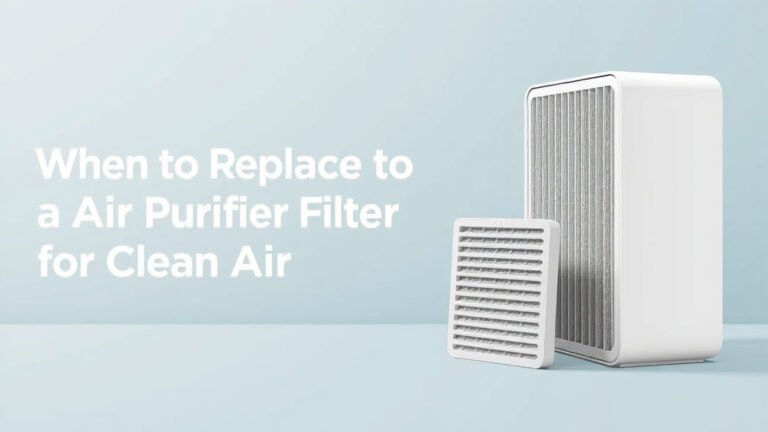
Not all filters are designed to be cleaned. Some, like activated carbon filters, are meant to be replaced. If your filter is physically damaged, heavily discolored, or your manual says it’s not washable, it’s time for a new one.
Signs It’s Time for a New Filter
- Physical damage (tears, holes).
- Persistent, unpleasant odors that don’t go away after cleaning.
- The filter is no longer trapping dust effectively.
- Your air purifier’s indicator light tells you it’s time.
- Your user manual recommends replacement at specific intervals.
Your Air Purifier Cleaning Checklist
To make sure you don’t miss a step, keep this quick checklist handy:
- Safety First: Unplug the unit.
- Access: Open the purifier and remove the filter.
- Clean: Vacuum all accessible surfaces.
- Wipe (If needed): Gently clean with a damp cloth.
- Dry: Ensure the filter is completely dry.
- Reassemble: Put it all back together and plug it in.
By following these simple steps, you’ll ensure your air purifier continues to provide you with fresh, clean air. It’s a small task that makes a big difference for your home environment.
Conclusion
You’ve learned how simple it is to keep your air purifier filter clean. Regular monthly maintenance using a vacuum and a damp cloth helps your purifier run efficiently. This not only improves your home’s air quality but also extends the life of your appliance. Remember to always consult your user manual for specific instructions for your model. Make filter cleaning a part of your routine, and you’ll breathe easier knowing your air is cleaner. Your next step is to schedule your filter cleaning for this month!
Frequently Asked Questions
How often should I really be cleaning my air purifier filter?
We recommend cleaning your air purifier filter about once a month. This frequency helps maintain optimal performance. If you live in an area with high pollution or have pets, you might find yourself cleaning it more often. Consistent cleaning ensures your purifier is always working its best for you.
Can I use water to clean my air purifier filter?
Yes, you can use a damp cloth, but make sure the filter is completely dry before putting it back. Always check your manual first, as some filters may have specific cleaning requirements. Excessive water can damage the filter material or lead to mold growth.
What if my air purifier filter looks very dirty or damaged?
If your filter has tears, holes, or looks excessively worn, it’s likely time for a replacement rather than a cleaning. Heavily soiled filters might also indicate that cleaning won’t be enough to restore performance. Your manual will guide you on when to replace filters.
Are all air purifier filters washable?
No, not all air purifier filters are washable. Filters like activated carbon filters are typically designed for replacement only. Always refer to your air purifier’s user manual to determine if your specific filter can be cleaned or needs to be replaced.
My air purifier still smells musty after cleaning the filter. What’s wrong?
A persistent musty smell after cleaning could mean a few things. The filter might not have been completely dry, allowing mold to grow. Or, the filter itself might be past its prime and needs replacement. If the smell continues, consider replacing the filter and cleaning the inside of the unit.
![What Is The Best Air Purifier for Large Homes [In 2026]](https://homeunderstandable.com/wp-content/uploads/2025/06/best-air-purifier-for-large-homes.jpg)