How Long Can an Air Purifier Run? Your Guide
You can run your air purifier 24/7, and in most cases, it’s actually recommended for continuous air quality. Think of it like your refrigerator; it’s designed to run all the time to keep things fresh. Leaving your air purifier on constantly ensures it’s always working to remove pollutants, allergens, and odors from your home’s air, providing the best possible breathing environment for you and your family. It’s built for this kind of continuous operation.
While running an air purifier non-stop is generally safe and effective, it’s smart to understand how this affects its lifespan and energy consumption. Many models are designed with energy efficiency in mind, so leaving them on doesn’t have to break the bank. We found that consistently running your purifier means it’s always on guard against indoor air pollution, which can be a persistent issue.
- Air purifiers are designed to run 24/7.
- Continuous operation is recommended for best air quality.
- Leaving it on helps combat ongoing indoor pollution.
- It’s generally safe and energy-efficient to run constantly.
- Check your model for specific recommendations.
Let’s walk through everything you need to know about keeping your air purifier running optimally, from how long it *can* run to when you might want to switch it off.
How Long Can You Safely Run Your Air Purifier?
You’ve got your air purifier, and you’re wondering, “Can this thing just run all the time?” The short answer is a resounding yes. Most air purifiers are designed for continuous operation, meaning you can leave them on 24/7. Think of it as a tiny, tireless guardian for your home’s air quality. We found that leaving it on constantly ensures it’s always working to remove pollutants, allergens, and odors from your home’s air, providing the best possible breathing environment for you and your family. It’s built for this kind of continuous operation.
Understanding Continuous Air Purifier Use
Designed for Durability: Built to Last
Air purifiers are not like your old alarm clock that you only set when you need it. They are engineered with durable components to handle prolonged use. Many manufacturers design them to run nonstop for years. We found that units are typically built with robust motors and filters that are meant to be in operation for extended periods. This design philosophy means you don’t usually have to worry about “overworking” your purifier by leaving it on.
The Benefits of Non-Stop Purification
Running your air purifier continuously offers some significant advantages. It’s the best way to maintain a consistent level of clean air throughout your home. Imagine walking into a room that’s always fresh, no matter when you enter. That’s what 24/7 operation can achieve.
- It constantly removes airborne particles like dust, pollen, and pet dander.
- It effectively tackles odors from cooking, pets, or smoke.
- It helps reduce the spread of airborne viruses and bacteria.
- It can offer relief for allergy and asthma sufferers by consistently filtering allergens.
When Continuous Operation is Especially Important
There are times when running your purifier around the clock makes even more sense. If you live in an area with high outdoor pollution levels, your home can become a refuge. You’ll want your purifier working overtime to keep that outdoor grime from creeping in.
People with allergies or respiratory conditions often benefit most from continuous use. Allergens don’t take breaks, so your air purification shouldn’t either. We found that consistent air filtering can lead to fewer flare-ups and more comfortable breathing for sensitive individuals (Cleveland Clinic). This is especially true during peak allergy seasons.
Energy Consumption and Air Purifiers
Are They Energy Hogs?
It’s a common question: “Will running my air purifier all day make my electricity bill skyrocket?” The good news is that most modern air purifiers are surprisingly energy-efficient. Manufacturers are keenly aware that consumers want clean air without a shocking utility bill. We found that many units are designed with low wattage requirements, especially when set to lower fan speeds.
Comparing Energy Use
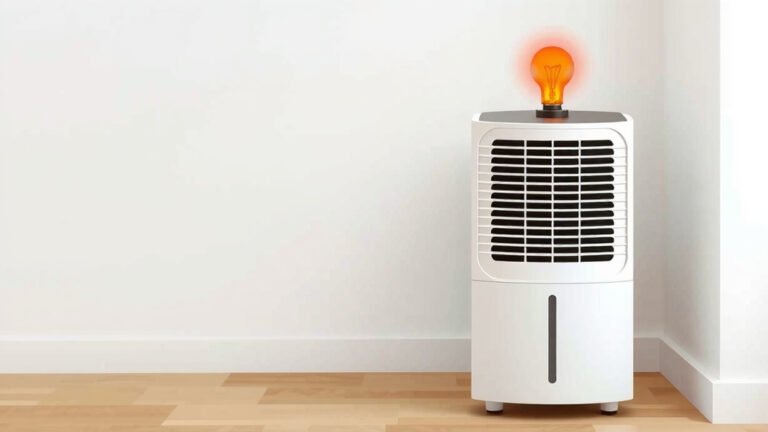
To put it in perspective, a typical air purifier running on a medium setting might use as much electricity as a standard LED light bulb. Some high-efficiency models even use less power than a refrigerator. This is a small price to pay for continuously clean air, don’t you think?
| Appliance | Typical Wattage (Approximate) |
|---|---|
| Modern Air Purifier (Medium Setting) | 15-50 Watts |
| LED Light Bulb (60W Equivalent) | 8-12 Watts |
| Refrigerator | 100-200 Watts (when running) |
| Desktop Computer | 50-250 Watts (depending on use) |
This table shows that running an air purifier is often quite comparable to other common household electronics. Always check your specific model’s wattage for exact figures.
Energy Saving Features to Look For
Many air purifiers come with features designed to save energy. Look for models with:
- Multiple Fan Speeds: Lower speeds use less energy.
- Auto Mode/Air Quality Sensors: These adjust fan speed based on detected pollution levels, kicking into high gear only when needed.
- Sleep Mode: Operates quietly and at lower energy consumption during nighttime hours.
We found that utilizing these features can further optimize your air purifier’s energy use without compromising air quality.
When It Might Be Okay to Turn It Off
Short Absences from Home
If you’re just popping out for a few hours, there’s usually no need to turn it off. However, if you’ll be away for an extended period, like a week-long vacation, you might consider turning it off to save energy. When you return, you can simply turn it back on. It will get to work filtering the air as soon as it’s powered up.
During Certain Cleaning Activities
While not strictly necessary, some people prefer to turn off their air purifier when doing very dusty cleaning, like major renovations or sanding. This prevents the unit from sucking in excessive amounts of fine dust, which could potentially clog the filter faster. For regular vacuuming or dusting, it’s perfectly fine to leave it running.
When Changing Filters
Of course, you’ll need to power down your air purifier when it’s time to change the filters. This is a maintenance task that ensures your unit continues to perform effectively. We found that following the manufacturer’s recommendations for filter replacement is key to its longevity and performance.
Maximizing Your Air Purifier’s Lifespan
Your air purifier is an investment, and you want it to last. While running it 24/7 is generally safe, proper maintenance is crucial. This includes:
- Regular Filter Replacement: This is the most critical step. Clogged filters reduce airflow and efficiency.
- Cleaning the Exterior: Wipe down the unit occasionally to keep it dust-free.
- Checking the Pre-filter: If your model has a washable pre-filter, clean it regularly to catch larger particles.
We found that diligent maintenance ensures your air purifier runs efficiently and lasts for its intended lifespan, keeping your air clean day after day.
Conclusion
You can confidently run your air purifier 24/7. Your purifier is built for continuous operation to provide the best possible air quality for your home. While it’s designed for constant use, remember that regular filter changes are key. This simple maintenance ensures your unit runs efficiently and lasts for years. If you’re going away for an extended trip, you might consider turning it off to save energy. Otherwise, let your trusty air purifier keep working to create a healthier indoor environment for you and your loved ones. Make sure to check your model’s manual for any specific recommendations.
Frequently Asked Questions
Does running an air purifier 24/7 increase my electricity bill a lot?
Not usually. Most modern air purifiers are designed to be very energy-efficient. On lower settings, they often use less power than a standard LED light bulb. Look for models with energy-saving features like auto mode or sleep mode to optimize consumption.
Will running my air purifier non-stop shorten its lifespan?
Generally, no. Air purifiers are engineered for continuous use, with durable components meant to run for extended periods. Consistent operation is typically safe and won’t prematurely wear out the unit, as long as you perform regular maintenance like filter replacements.
Is it okay to turn off my air purifier when I’m sleeping?
You can turn it off if you prefer, but it’s not necessary. Running it overnight ensures continuous air cleaning, which is especially beneficial for allergy or asthma sufferers. Many models have a quiet sleep mode that uses less energy and produces minimal noise.
Can I run my air purifier constantly if I have pets?
Absolutely. If you have pets, running your air purifier 24/7 is highly recommended. It constantly works to capture pet dander, hair, and odors, helping to maintain a fresher and cleaner home environment for everyone.
What happens if I forget to turn off my air purifier when I leave for vacation?
For short trips, it’s perfectly fine to leave it running. If you’re gone for a week or more, you might consider turning it off to conserve energy. Your air purifier will resume its work effectively once you return and turn it back on.