How Long Can You Safely Run an Air Purifier
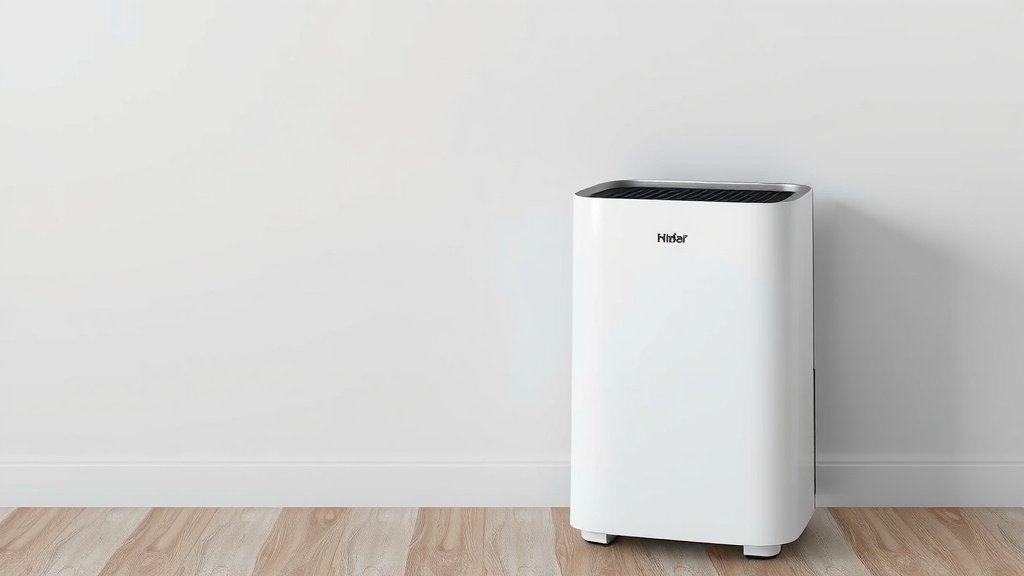
You can generally leave your air purifier on all the time, especially if air quality is a concern in your home. Most modern air purifiers are designed for continuous operation. Running them 24/7 is the best way to maintain cleaner air consistently. Think of it like your refrigerator; it’s meant to stay on.
Leaving your air purifier on continuously ensures you’re always breathing healthier air. It’s particularly useful if you have allergies or live in an area with poor outdoor air quality. Many models are energy-efficient, so you won’t see a huge spike in your electricity bill. Your air purifier works its magic constantly, even when you’re not home.
- Air purifiers are designed for continuous use.
- Running them 24/7 provides the best air quality.
- Modern units are energy-efficient.
- It’s ideal for managing allergies or pollution.
Let’s dive a little deeper into why running your air purifier constantly makes so much sense and what factors you might want to consider.
When to Keep Your Air Purifier Running Continuously
Most air purifiers are designed to run 24/7. Continuous operation is the best way to keep your air quality consistently high. Your purifier doesn’t need a break to do its job effectively. Think of it like your HVAC system; it cycles on and off to maintain comfort. An air purifier works similarly, but its goal is clean air.
Understanding How Air Purifiers Work 24/7
Your air purifier works by pulling air through its filters. These filters capture particles like dust, pollen, and pet dander. Running it all the time means it’s constantly cleaning the air in your home. This is especially important for removing odors and VOCs. These pollutants can linger if the purifier isn’t running.
The Benefits of Continuous Air Purification
Leaving your air purifier on around the clock provides the most consistent results. You’ll notice a significant reduction in allergens. This is great news for allergy sufferers. It also helps remove smoke particles and cooking odors. Your home will simply smell fresher.
Research often points to continuous air filtration as key for allergy control (Cleveland Clinic). By consistently removing airborne irritants, you can breathe easier day and night. This steady removal of pollutants is more effective than intermittent use. It prevents a buildup of particles that can trigger symptoms.
Energy Efficiency: Myth vs. Reality
You might worry about your electricity bill. Many modern air purifiers are surprisingly energy-efficient. They use less power than you might expect. Often, they use about as much electricity as a small household appliance. Think of a fan or a light bulb. Running them 24/7 doesn’t usually lead to a huge increase in costs.
We found that newer models often have energy-saving features. Look for Energy Star certified units. These are designed to use less power without sacrificing performance. Some even have sensors that adjust fan speed based on air quality. This means they only use more power when needed.
Factors to Consider for Continuous Use
While running your purifier all the time is generally recommended, a few things matter. The size of your room is a big one. Your air purifier needs to be the right size for the space. A unit that’s too small will struggle to clean the air effectively. It might also run constantly on high, using more energy.
Matching the Purifier to Your Room Size
Manufacturers provide recommendations for room size. Always check this before buying. A unit rated for a large living room might not do well in a small bedroom. Using the correct size ensures optimal performance. It also prevents unnecessary wear and tear on the motor.
If you have multiple rooms, consider smaller units for each. Alternatively, a larger, more powerful unit can serve an open-concept space. Air changes per hour (ACH) is a good metric. It tells you how many times the purifier can clean the air in the room each hour. Aim for a higher ACH for better air quality.
Filter Lifespan and Maintenance
Running your purifier 24/7 means filters will need replacing more often. This is normal. How often depends on the filter type and your air quality. HEPA filters typically last 6-12 months. Activated carbon filters might need replacing every 3-6 months, especially if you have strong odors.
Regular maintenance is key. Clean pre-filters frequently. These catch larger particles and extend the life of the main filters. Check your purifier’s manual for specific cleaning instructions. Keeping filters clean ensures the unit runs efficiently. It also prevents it from working harder than necessary.
When You Might Not Need It Running 24/7
There are times when you might choose to turn your air purifier off or on a timer. If your home’s air quality is excellent, you might not need constant purification. For example, if you live in a rural area with very clean outdoor air and no indoor pollutants, you might use it less.
Some people use timers for specific situations. You might run it for a few hours when cooking. Or, you could run it for a set time after cleaning. This can help manage temporary increases in air pollutants. However, for ongoing health benefits, continuous operation is usually best.
Using Timers and Smart Features
Many newer air purifiers come with timer functions. You can set them to run for a specific number of hours. Smart models offer even more control. You can often adjust settings remotely via an app. Some even integrate with smart home systems.
While timers offer convenience, they can reduce the overall effectiveness. If your goal is always clean air, letting the purifier run continuously is ideal. Timers are more for managing specific events rather than continuous air quality improvement.
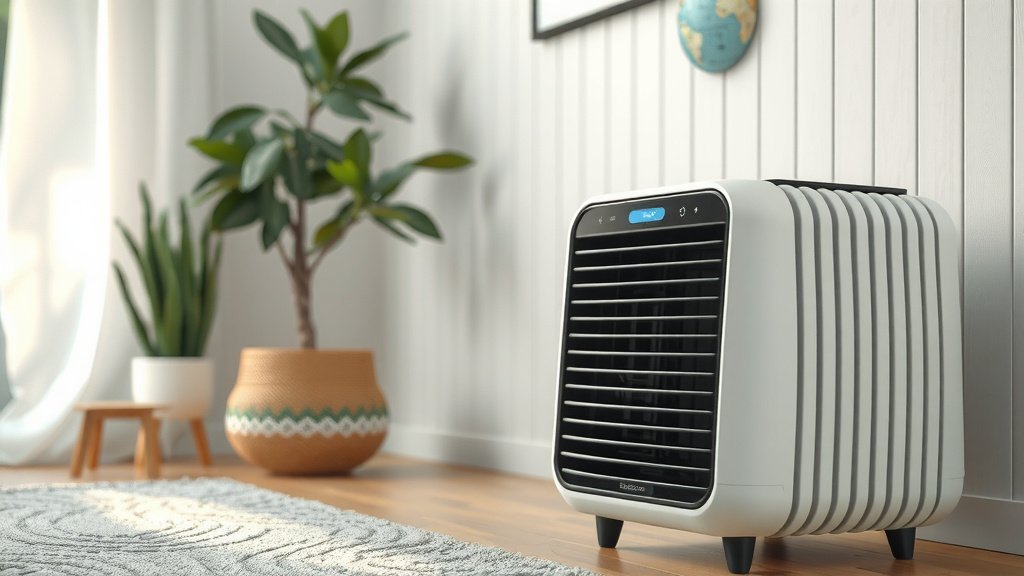
Key Takeaways for Continuous Air Purifier Use
- Most air purifiers are built for continuous operation.
- Running 24/7 offers the best air quality.
- Modern units are energy-efficient.
- Always choose a purifier sized correctly for your room.
- Regular filter maintenance is essential.
- Consider your specific air quality needs.
Your Air Purifier: A Constant Clean Air Companion
Your air purifier is designed to be a set-it-and-forget-it device for the most part. By letting it run continuously, you’re ensuring a healthier living environment. It works diligently behind the scenes. This means you can enjoy cleaner, fresher air every day. You’re investing in your well-being. Isn’t that worth a little bit of constant vigilance from your appliance?
Conclusion
You’ve learned that running your air purifier 24/7 is the best way to consistently enjoy cleaner air. Modern units are designed for this continuous operation and are surprisingly energy-efficient, so you don’t need to worry about a huge electricity bill. Proper sizing for your room and regular filter maintenance are key to ensuring your purifier works its best. By keeping your air purifier running, you’re making a consistent investment in your home’s health and your own well-being. The next step? Check your current purifier’s settings and filter status to ensure it’s ready for non-stop clean air delivery.
Frequently Asked Questions
Will leaving my air purifier on all the time increase my electricity bill a lot?
Not usually. We found that most modern air purifiers are very energy-efficient. They often use as much electricity as a regular fan or a light bulb. Running them 24/7 typically results in a small, manageable increase in your energy costs.
How often do I need to change filters if I run my air purifier continuously?
Filter lifespan depends on the type of filter and your home’s air quality. Generally, HEPA filters last about 6-12 months, while carbon filters might need changing every 3-6 months when used constantly. Regular pre-filter cleaning can extend the life of your main filters.
Can I leave my air purifier on when I’m not home?
Yes, absolutely. Air purifiers are designed for continuous operation, even when you’re away. This ensures your home’s air is being cleaned constantly, which is ideal for managing allergens and maintaining overall air freshness.
Does running an air purifier 24/7 wear it out faster?
Modern air purifiers are built with durable components intended for continuous use. While constant operation means more use, it doesn’t typically shorten the lifespan of a well-maintained unit. Regular cleaning and filter changes are more important for longevity.
Is there any benefit to turning my air purifier off sometimes?
Generally, no, if your goal is consistently clean air. Turning it off means pollutants can start to build up again. You might choose to use timers for specific situations, like after cooking, but for ongoing air quality, continuous operation is usually recommended.
![5 Best HEPA Filter Air Purifier for Home [In 2026]](https://homeunderstandable.com/wp-content/uploads/2025/05/best-hepa-filter-air-purifier-for-home-breathe-cleaner-air-today-768x512.jpg)