How Many Air Purifiers for Your House: A Guide
You likely need more than one air purifier for your entire house. While a single unit can help a specific room, most homes require multiple devices to effectively purify the air across different areas. The number needed depends on your home’s size and layout.
Many factors influence how many air purifiers work best. This includes the square footage of each room and the types of pollutants you’re trying to tackle. We found that strategic placement is key for optimal air quality throughout your living space.
- Most homes need several air purifiers, not just one.
- The size of your rooms matters a lot.
- Consider what you want to filter out.
- Proper placement makes a big difference.
- We’ll help you figure out the right number.
Let’s walk through exactly how many air purifiers might be the perfect fit for your home and how to best place them for cleaner air.
How Many Air Purifiers Are Truly Necessary for Your Home?
The honest answer is: it depends on your home! While one might seem like enough, research and expert opinions suggest that most homes benefit from multiple air purifiers. Think of it like having a good vacuum cleaner; one is great for a single room, but you need more to tackle the whole house. We found that strategically placing these devices is key to clean air everywhere.
Understanding Your Home’s Air Quality Needs
Room Size and Air Changes Per Hour (ACH)
The size of your rooms is a primary factor. Air purifiers have a coverage area, usually measured in square feet. A larger room needs a more powerful purifier or a second unit to ensure the air is filtered effectively. Experts often recommend an air purifier that can clean the air in a room at least 4 to 5 times per hour (ACH). This means the purifier cycles all the air in the room through its filters that many times within an hour.
Many purifiers list their recommended room size. You’ll want to match that to your actual room dimensions. If a purifier is rated for 500 sq ft, but your living room is 700 sq ft, it won’t be as effective. You might need two smaller units for that space or one larger one rated for more square footage. We found that underestimating your room size is a common mistake people make.
The Impact of Pollutants and Allergens
What are you trying to filter out? This is a big consideration. If you have allergies, asthma, or pets, you’ll want to target specific pollutants like pollen, pet dander, dust mites, and mold spores. If you’re concerned about smoke or strong odors, you’ll need a purifier with a robust activated carbon filter.
For areas where pollutants are more concentrated, like a kitchen where cooking fumes linger or a bedroom where allergens accumulate, you might need dedicated units. We found that homes with higher pollutant loads generally require more frequent air purification. This often translates to needing more machines or running them on higher settings.
Calculating Your Air Purifier Needs: A Practical Approach
Dividing Your Home by Zones
The easiest way to figure this out is to think of your home in distinct zones. Each main living area might need its own attention. Consider the living room, bedrooms, home office, and even areas like hallways where air can circulate.
Start with the rooms where you spend the most time. Your bedroom is likely a top priority for clean sleep air. Then, think about common areas where the family gathers. We found that most people don’t need a purifier in every single tiny nook and cranny, but rather in the primary spaces.
Bedroom: Your Personal Clean Air Sanctuary
Your bedroom is arguably the most important place for an air purifier. You spend a significant amount of time sleeping there, breathing in the air. Allergens and pollutants can really impact your sleep quality. We found that a dedicated unit for your bedroom can make a noticeable difference in how you feel.
For a standard-sized bedroom (say, 150-250 sq ft), a compact to medium-sized air purifier is often sufficient. Make sure it has a good HEPA filter and is rated for that room’s square footage. If your bedroom is particularly large or you have severe allergies, you might need a higher CADR (Clean Air Delivery Rate) model.
Living Areas: Keeping Common Spaces Fresh
Your living room or family room is another key area. This is where guests might visit, and where you relax. If you have pets that frequent this space, or if you open windows often, pollutants can easily enter and circulate. We recommend a capable air purifier for this central hub.
For larger living spaces (300 sq ft and up), you might need a more powerful unit. Alternatively, if the room is L-shaped or has distinct sections, consider two smaller purifiers placed strategically. This ensures air is filtered throughout the entire area, not just one corner. Many experts suggest aiming for a CADR that is at least two-thirds of the room’s square footage.
Other Spaces: Where Else Could You Benefit?
Think about other areas where air quality matters. A home office can benefit from a purifier, especially if you spend long hours there. If you have a basement that tends to be damp, a purifier might help with musty odors or potential mold spores (though addressing the moisture is key, of course!).
Consider high-traffic hallways or open-plan areas where air tends to flow freely. You might not need a powerful unit in every single one of these spots, but a smaller, quiet model could help maintain air freshness. We found that even a single purifier in a well-trafficked hallway can help prevent pollutants from spreading to other rooms.
Making the Right Choice: A Quick Checklist
Still wondering how many you need? Let’s break it down with a quick checklist:
- Assess your primary rooms: Bedroom, living room, home office first.
- Measure your spaces: Know the square footage of each area.
- Identify your concerns: Allergies, pets, smoke, general freshness?
- Check ACH ratings: Aim for 4-5 air changes per hour.
- Consider CADR: Higher is better for larger spaces or tougher pollutants.
- Think about placement: Where will the purifier work best in each zone?
Strategic Placement for Maximum Effectiveness
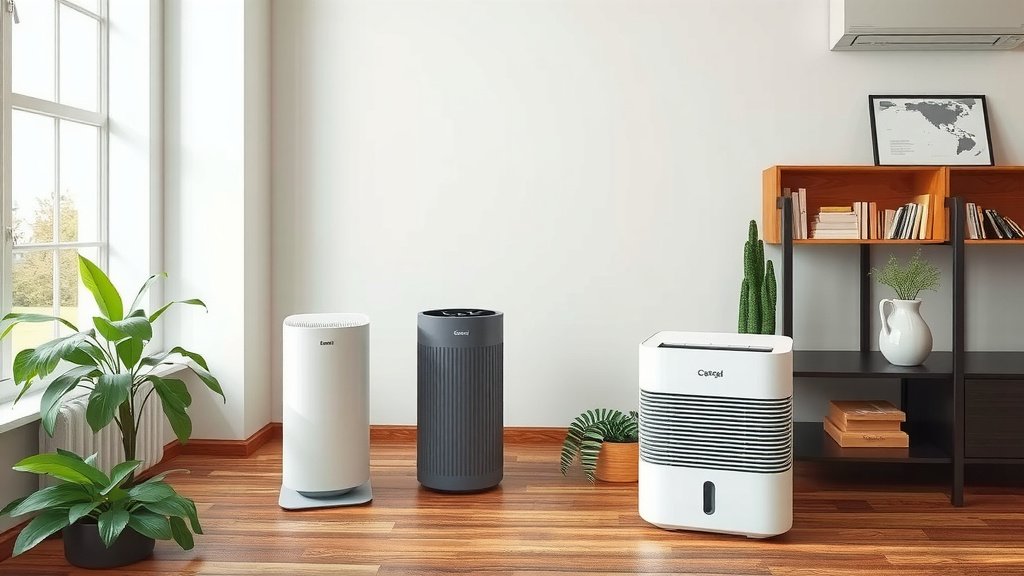
Where you put your air purifier is almost as important as how many you have. Experts say you should place them away from walls and furniture, allowing for unobstructed airflow. This helps the unit draw in air from all sides and push out clean air efficiently.
In bedrooms, place it near your bed. In living rooms, consider a central location or near seating areas. We found that placing a purifier near a source of pollution (like a litter box or near a cooking area) can help capture it before it spreads too far.
A Table to Help You Decide
Here’s a general guide based on room size. Remember to always check the manufacturer’s specific recommendations for their unit.
| Room Size (Sq Ft) | Recommended Number of Purifiers | What to Look For |
|---|---|---|
| 100-250 | 1 (Standard size) | Good HEPA filter, CADR suitable for the room. Ideal for bedrooms. |
| 250-500 | 1 (Larger size) or 2 (Standard size) | Higher CADR, robust filtration. Good for living rooms or master bedrooms. |
| 500+ | 2+ (Standard/Large size) | Multiple units or one very high CADR model. Consider for open-plan areas. |
This table is a starting point. If you have significant allergies or live with smokers, you might need to upgrade your requirements. We found that many people are pleasantly surprised by the difference good filtration makes, especially in bedrooms.
Conclusion
Deciding how many air purifiers your home needs is more art than science, but we’ve broken it down for you. Remember, most homes benefit from multiple units, not just one. Focus on your largest rooms and those where you spend the most time, like bedrooms and living areas. Always check the purifier’s coverage area and ACH ratings against your room’s square footage. Your next step is to measure your key rooms and start looking for purifiers that match those needs for cleaner, healthier air.
Frequently Asked Questions
Can one air purifier cover my entire house?
Generally, no. A single air purifier is designed for a specific room size. For most homes with multiple rooms and varying square footage, one unit won’t be effective across the entire house. You’ll need multiple purifiers placed strategically in different zones.
How often should an air purifier run?
For optimal air quality, especially if you have allergies or live with pets, it’s recommended to run your air purifiers continuously on a low to medium setting. Some purifiers have auto modes that adjust based on air quality, which is very convenient.
Do I need a different air purifier for each room?
Not necessarily. You need to assess the size and specific air quality needs of each room. A large living room might require a more powerful unit or even two smaller ones, while a small bathroom might not need one at all. Focus on high-traffic and high-need areas first.
What does CADR mean and why is it important?
CADR stands for Clean Air Delivery Rate. It measures how quickly an air purifier can clean a room of smoke, dust, and pollen. A higher CADR indicates a more powerful and effective purifier, which is essential for larger rooms or tackling tougher pollutants.
Should I place air purifiers near windows or vents?
It’s best to place air purifiers in areas with good airflow, away from obstructions like walls or furniture. Placing them near windows can be helpful if you frequently open them, as it can capture outdoor pollutants as they enter. Avoid placing them directly next to air vents, as this can disrupt the natural air circulation pattern.
![What Is The Best Air Purifier for Closet [In 2026]](https://homeunderstandable.com/wp-content/uploads/2025/06/best-air-purifier-for-closet.jpg)