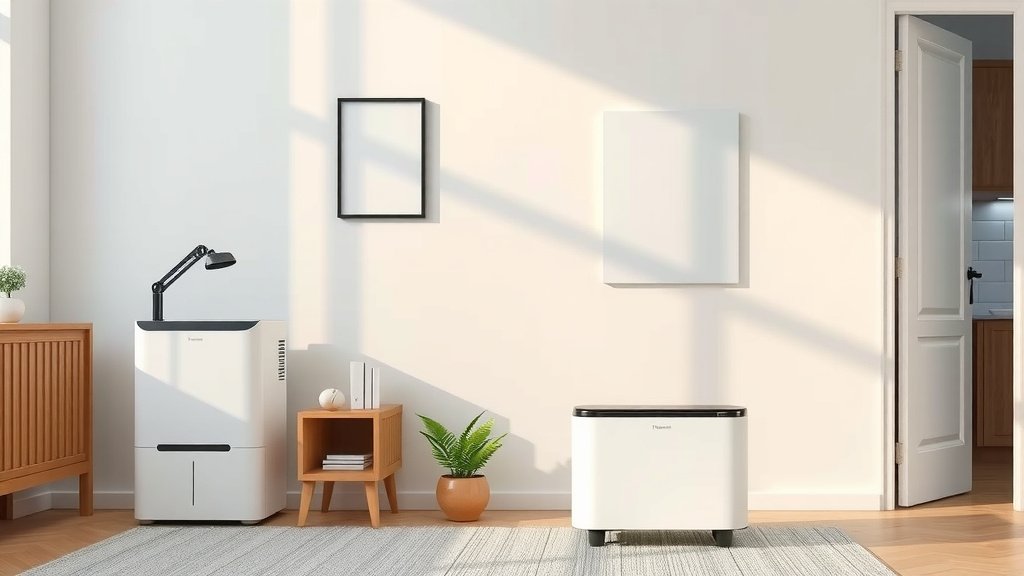
How Many Air Purifiers Do You Need in Your House
The number of air purifiers you need in your house depends on the size of your home and the rooms you want to cover. For optimal air quality, you might need one purifier per main living area or bedroom. You don’t necessarily need one in every single room, but focusing on spaces where you spend the most time is key.
Deciding on the right number involves thinking about air circulation and your specific air quality concerns. For instance, if allergies are a big issue, you’ll want purifiers in bedrooms and perhaps a central one for living spaces. We found that strategic placement can make a big difference in how clean your air feels.
- One per main room is a good starting point.
- Consider bedrooms and living areas first.
- Larger homes might need more units.
- Placement matters for effective air cleaning.
Let’s break down how to figure out the best setup for your home, so you can breathe a little easier.
How Many Air Purifiers Does Your Home Really Need?
Figuring out the perfect number of air purifiers for your home can feel like a puzzle. It’s not a one-size-fits-all answer. We found that the ideal number truly depends on your specific needs and the layout of your living space. Think of it like equipping different rooms with the right tools for the job.
Assessing Your Home’s Air Quality Needs
Before you start counting, take a moment to consider what you’re trying to achieve with air purifiers. Are you battling seasonal allergies? Do you have pets that shed and track in dander? Perhaps someone in your household smokes, or you live in an area with poor outdoor air quality. Your primary goals will help shape your strategy.
Understanding Your Air Quality Concerns
Many people turn to air purifiers to tackle common irritants like dust mites, pollen, pet dander, and mold spores. If allergies or asthma are a concern, research suggests placing purifiers in areas where you spend the most time, such as bedrooms and living rooms (American Lung Association). For those dealing with smoke or odors, a powerful unit in a central area might be more effective.
Considering Home Size and Layout
Your home’s square footage is a major factor. A sprawling ranch-style house will have different needs than a compact townhouse. The way your home is laid out also matters. Are there lots of closed doors or open-concept living spaces? Air circulation is key, and you’ll want to ensure purifiers can effectively move air throughout the intended area.
Strategic Placement: One Purifier Per Main Zone
A common and effective recommendation is to place one air purifier in each main living area. This approach ensures that the air in the spaces where you and your family spend the most time is consistently cleaned. This strategy balances effectiveness with practicality, avoiding unnecessary units.
Bedrooms: Your Personal Air Sanctuaries
Your bedroom is often where you spend a third of your life. Many experts recommend placing an air purifier in your bedroom to help you breathe cleaner air while you sleep. This can be especially beneficial for allergy sufferers, as it helps remove allergens that might have accumulated throughout the day. We found that a quiet, bedroom-friendly model can make a noticeable difference in sleep quality.
Living Rooms and Family Areas: Shared Spaces
These are the hubs of your home. Whether you’re entertaining guests, watching movies, or just relaxing, the air quality here matters. Placing a purifier in your main living area can help reduce airborne particles and improve the overall comfort of your space. For larger living areas, you might consider a purifier with a higher CADR (Clean Air Delivery Rate) or even two smaller units.
Home Offices: Focus on Fresh Air
If you work from home, your office is another space where you spend significant hours. Ensuring good air quality can help with focus and well-being. A dedicated purifier in your home office can create a more pleasant and productive environment. It’s a small investment for a more comfortable workday.
When More Than One Purifier is Necessary
While one per main room is a good rule of thumb, there are situations where you’ll benefit from additional units. Think about rooms that have unique air quality challenges or are very large.
Larger Homes and Multiple Levels
In homes exceeding 1,500-2,000 square feet, you might need more than just a couple of units. For multi-story homes, it’s often best to have a purifier on each floor. This ensures that air quality is addressed in the areas where people are actively living, rather than relying on air to travel between levels.
Specific Air Quality Issues
If you have severe allergies, a very smoky environment, or persistent odors, you might need extra power. This could mean placing purifiers in more rooms than just the main living areas. For instance, you might choose to put a unit in a guest room if it’s frequently occupied or in a basement area prone to mustiness.
Open-Concept Living Spaces
While open layouts are popular, they can make it harder for a single air purifier to circulate air effectively. In these cases, you might need two purifiers to cover a large open area. Alternatively, a very powerful unit designed for large spaces could do the trick. We found that strategically placed units can still create zones of cleaner air.
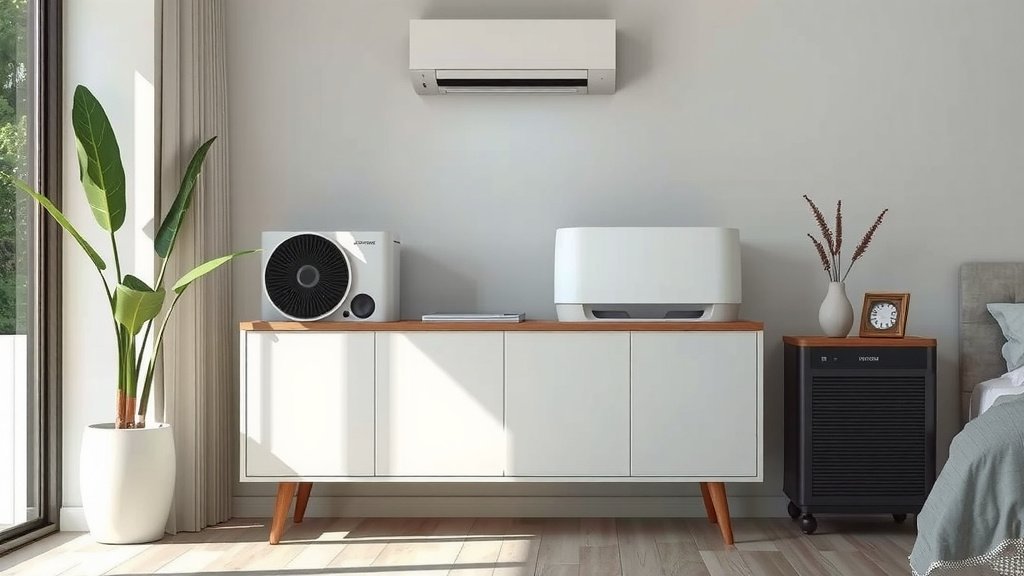
Air Purifier Sizing: Room Size Matters!
Every air purifier is rated for a specific room size. This rating is usually based on its CADR. You’ll find this information on the packaging or in the product manual. Always check the manufacturer’s guidelines. Buying a unit that’s too small for a room will make it work overtime and won’t clean the air efficiently.
| Room Size (Sq. Ft.) | Number of Air Purifiers | Notes |
|---|---|---|
| 150 – 300 | 1 (Medium/Small) | Ideal for bedrooms, offices. |
| 300 – 500 | 1 (Large) | Good for larger living rooms or master bedrooms. |
| 500 – 800 | 1 (Extra Large) or 2 (Medium) | Suitable for open-concept areas or large family rooms. |
| 800+ | Multiple Units | Consider one per major zone or level. |
This table is a general guide. Always check the specific CADR of the purifier against the square footage of your room. We found that matching the purifier’s capabilities to the room’s needs is crucial for effective performance.
Making the Most of Your Air Purifier Setup
Once you’ve decided on the number and placement of your air purifiers, a few simple steps can maximize their effectiveness. Regular maintenance is key to ensuring they keep running optimally.
Filter Maintenance: The Unsung Hero
Air purifiers rely heavily on their filters. These filters trap pollutants, so they get dirty over time. You’ll need to clean or replace filters according to the manufacturer’s recommendations. Neglecting this step can significantly reduce the purifier’s performance and even lead to reduced air quality. Many units have indicators to remind you.
Placement for Optimal Airflow
Don’t hide your air purifier in a corner behind furniture. For best results, place it in an open area where air can easily circulate around it. The goal is to allow the unit to draw in air from all directions and distribute clean air back into the room. Keeping it at least a foot or two away from walls and large objects often helps.
Consider a Smart Air Purifier
Many modern air purifiers come with smart features. These can automatically adjust fan speed based on detected air quality. They can also be controlled remotely via an app. This convenience can help ensure your air is always being cleaned effectively without constant manual adjustments.
Your Air Purifier Checklist
Here’s a quick rundown to help you decide how many air purifiers are right for your home:
- Measure the square footage of your main living areas and bedrooms.
- Identify your primary air quality concerns (allergies, pets, odors, etc.).
- Decide which rooms are most important for clean air (bedrooms, living room).
- Consider your home’s layout – open concept or segmented rooms?
- Check the CADR rating of purifiers to match room size recommendations.
- Factor in multi-story homes needing units on each level.
Conclusion
Figuring out how many air purifiers your home needs boils down to a few key things. It’s not just about having one in every room. You’ll want to consider your home’s size, your specific air quality concerns, and which rooms you use most. We found that placing purifiers in main living areas and bedrooms is a smart starting point. Don’t forget that filter maintenance and proper placement will ensure your units work their best. Take a moment to assess your space and your needs, and you’ll be well on your way to breathing easier in your home.
Frequently Asked Questions
Do I need an air purifier in every bedroom?
It’s highly recommended to have an air purifier in each bedroom, especially if anyone in your household suffers from allergies or asthma. You spend a significant amount of time sleeping, and clean air is vital for restful sleep. We found this to be a top priority for many homeowners.
Can one large air purifier cover an entire floor?
For smaller homes or single-level apartments, one large, powerful air purifier might cover the entire floor. However, in larger homes or those with multiple levels, air doesn’t circulate effectively enough for one unit to manage. You’ll likely need units on each floor for best results.
What if I have an open-concept living space?
Open-concept layouts can be challenging for air circulation. While a very powerful unit designed for large spaces might work, you may find better coverage by using two air purifiers strategically placed within the large area. This helps create zones of cleaner air throughout.
How do I know if an air purifier is the right size for my room?
Air purifiers are rated for specific room sizes, usually indicated by their CADR (Clean Air Delivery Rate). Always check the manufacturer’s guidelines on the packaging or in the manual. Matching the purifier’s capacity to your room’s square footage is essential for effective cleaning.
Should I get an air purifier for my home office?
If you work from home, a dedicated air purifier for your office is a great idea. You spend many hours in this space, and cleaner air can improve focus and overall well-being. We found that this small addition can make a big difference in your workday comfort.