Air Purifiers for Dust: How Much Do They Really Help
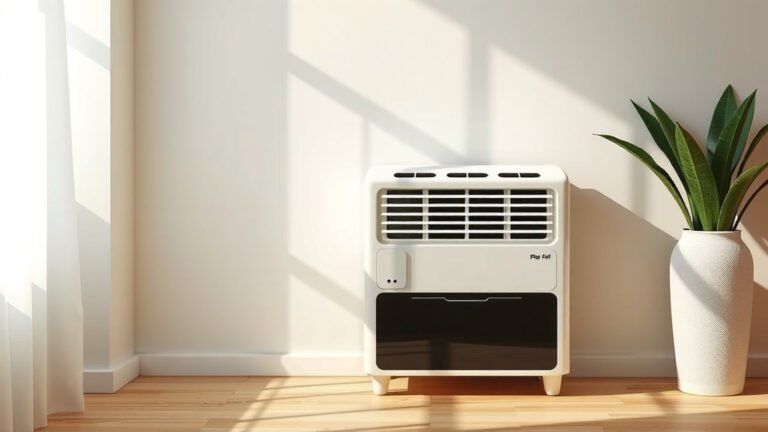
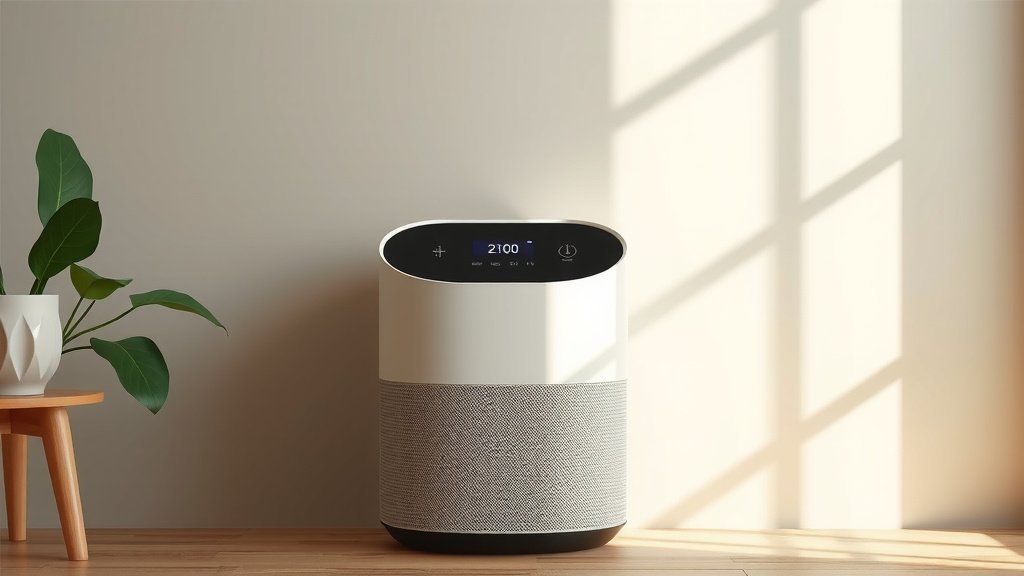
Yes, air purifiers can significantly help with dust in your home. They work by pulling dusty air through a filter, trapping particles before releasing cleaner air back into the room. This means fewer dust bunnies accumulating on your furniture and floors.
If you’re tired of constantly battling dust, an air purifier is a worthwhile investment. Many studies show they are effective at reducing airborne particles, including dust, pet dander, and pollen. This can make a big difference for allergy sufferers too.
- Air purifiers trap dust particles effectively.
- They reduce the frequency of dusting and vacuuming.
- Good for allergy and asthma sufferers.
- Look for HEPA filters for best dust removal.
Let’s break down how air purifiers tackle dust and what to look for when choosing one for your home.
How Much Can Air Purifiers Really Help With Household Dust?
You might be wondering how much an air purifier can truly make a difference when it comes to that ever-present dust. We’ve found that they can be quite effective! Think of your air purifier as a vigilant housekeeper for your air. It’s constantly working to capture tiny dust particles before they have a chance to settle on your shelves and floors.
This means you’ll likely notice less dust accumulation. It’s not magic, but it’s the next best thing for many homes. The technology is designed to target airborne particles, and dust is a major player in that category. We found that for many people, this leads to a noticeable improvement in air quality and a reduction in cleaning chores.
Understanding How Air Purifiers Tackle Dust
So, how does this magic carpet ride for dust actually work? It’s all about the filtration process. Most air purifiers work by drawing air from your room into the unit. Inside, this air passes through a series of filters designed to trap different types of particles. The cleaner air is then released back into your room.
The Role of Filters: Your Dust’s Worst Enemy
The key to dust removal lies in the filters. Not all filters are created equal when it comes to capturing fine dust. You’ll want to pay close attention to the types of filters the air purifier uses. Some basic filters might catch larger debris, but they won’t do much for the finer dust particles that tend to linger.
What is a HEPA Filter?
When we talk about effective dust capture, one term you’ll hear repeatedly is HEPA. This stands for High-Efficiency Particulate Air. We found that, by definition, a true HEPA filter must capture at least 99.97% of airborne particles 0.3 microns in size.
Why is 0.3 microns important? Many common household dust particles, along with things like pollen, mold spores, and pet dander, fall into this size range or are even larger. This means a HEPA filter is exceptionally good at trapping the stuff that makes up a good portion of household dust.
Other Filter Types and Their Impact on Dust
While HEPA is king for dust, other filters play a supporting role. Activated carbon filters, for instance, are excellent at absorbing odors and gases. While they don’t capture dust particles directly, they can help make your home smell fresher, which is a nice bonus alongside dust reduction.
Pre-filters are often the first line of defense. They are typically washable and designed to catch larger particles like hair and lint. This is important because it helps protect the more expensive HEPA filter, extending its lifespan and ensuring it can focus on those finer dust particles. We found that a good pre-filter can make a big difference in the overall efficiency and maintenance of your unit.
The Impact of Air Purifiers on Your Dusting Schedule
Let’s get down to the practical benefits. If you’re constantly wiping down surfaces, you’re probably asking: “Will this actually reduce how often I need to clean?” The research suggests, yes, it can!
By continuously removing dust from the air, air purifiers reduce the amount of dust that settles on your furniture, electronics, and floors. Many users report that they can go longer between dusting sessions. It’s not that dust disappears entirely, but its return is significantly slowed down. Think of it as pressing the pause button on dust accumulation.
Who Benefits Most from an Air Purifier for Dust?
While everyone can enjoy a cleaner-feeling home, certain groups see even more dramatic improvements. If you or someone in your household struggles with allergies or asthma, reducing airborne dust is incredibly important.
Allergy and Asthma Sufferers
Dust is a common trigger for allergy and asthma symptoms. Airborne dust particles can irritate airways, leading to sneezing, coughing, watery eyes, and difficulty breathing. By capturing these irritants, air purifiers can help create a more comfortable living environment for sufferers.
Many health organizations, like the Asthma and Allergy Foundation of America, recommend air filtration as part of an allergy management plan. We found that studies have shown a reduction in allergy symptoms when air purifiers with HEPA filters are used consistently in homes. It’s a simple step that can make a noticeable difference in daily comfort.
Pet Owners
Pet dander often gets intertwined with household dust. Even the cleanest pets shed dander, which are tiny skin flakes that become airborne. Air purifiers are excellent at capturing this dander, along with any dust that clings to it. This can lead to a less allergenic environment for both pet owners and their guests.
Factors Affecting Air Purifier Effectiveness for Dust
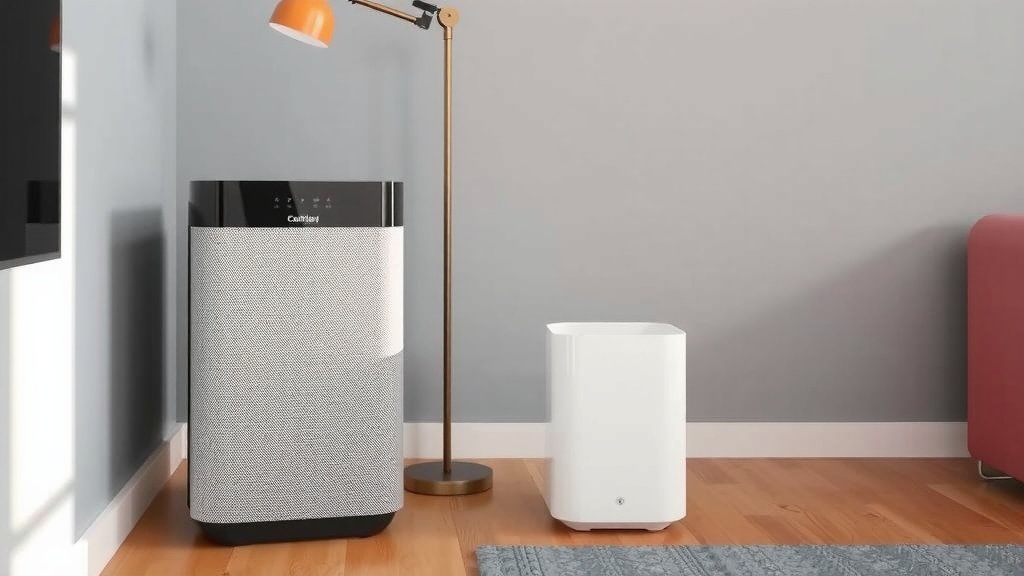
It’s not quite as simple as plugging in any air purifier and expecting a dust-free utopia. Several factors influence how well your air purifier will perform against dust in your home.
Room Size and CADR Rating
The most critical factor is matching the air purifier to the size of the room you want to clean. Air purifiers come with a Clean Air Delivery Rate (CADR) rating. This number tells you how quickly the unit can clean the air of specific pollutants like dust, pollen, and smoke.
You’ll typically see three CADR ratings: Dust, Pollen, and Smoke. For dust control, focus on the Dust CADR. A higher CADR means faster and more effective cleaning. We found that choosing a unit with a CADR that is appropriate for your room size is essential. Using an underpowered unit in a large room will yield disappointing results.
A general guideline is to choose a purifier with a CADR that is at least two-thirds of the square footage of your room. For example, if you have a 150 sq ft bedroom, look for a purifier with a Dust CADR of at least 100.
Filter Maintenance: The Unsung Hero
Even the best HEPA filter can only do so much if it’s clogged. Dust gets trapped in the filter, and eventually, the filter becomes saturated. A clogged filter restricts airflow, making the purifier less effective and can even cause the unit to work harder and draw more power.
We found that following the manufacturer’s recommendations for filter replacement is crucial. This might be every 6-12 months for HEPA filters, depending on usage and air quality. Don’t forget to clean or replace your pre-filter regularly as well, as this is often overlooked but vital for performance.
Placement and Usage Habits
Where you place your air purifier matters. For best results, position it in the room where you spend the most time or where dust tends to accumulate. Keep it away from corners or obstructions that can block airflow.
Running the air purifier consistently is also key. It’s designed to work continuously to maintain air quality. While you might turn it off to save energy, remember that dust particles are constantly being generated. We found that consistent operation yields the best dust reduction results.
Making the Right Choice for Your Home
So, how much do air purifiers help with dust? They can be a highly effective tool in your battle against household dust. By understanding how they work and choosing the right model for your needs, you can enjoy cleaner air and spend less time dusting.
Here’s a quick checklist to help you find an air purifier that excels at dust removal:- Look for a True HEPA filter. This is non-negotiable for effective dust capture.
- Check the CADR rating. Ensure it’s suitable for the size of your room.
- Consider a unit with a washable pre-filter. This helps extend the life of your main filter.
- Read reviews about dust capture performance specifically.
- Factor in filter replacement costs and availability when making your decision.
- Think about noise levels if you plan to use it in a bedroom or living area.
Conclusion
You’ve learned that air purifiers are indeed powerful allies against household dust. By trapping airborne particles, they genuinely reduce dust accumulation and can lessen your cleaning chores. For allergy and asthma sufferers, this means a more comfortable living space. Remember to look for true HEPA filters and match the CADR rating to your room size for the best results.
Maintaining your unit with regular filter changes is key to its ongoing effectiveness. Invest in a good air purifier, and you’ll likely enjoy noticeably cleaner air and a more pleasant home environment. Your next step? Consider the room size you want to treat and start researching models that meet your needs.
Frequently Asked Questions
Will an air purifier eliminate all the dust in my home?
No, an air purifier won’t eliminate all dust. It primarily targets airborne dust particles. Some dust will still settle on surfaces, requiring manual cleaning. However, it significantly reduces the amount of dust circulating in the air, meaning less dust settles overall.
How often do I need to replace the HEPA filter in an air purifier for dust?
For most air purifiers, you’ll need to replace the HEPA filter every 6 to 12 months. This can vary based on how much you use the unit and the dust levels in your home. Always check your manufacturer’s recommendations for the most accurate schedule.
Can an air purifier help with the dust that’s already settled on my furniture?
An air purifier works by cleaning the air that passes through it, so it won’t directly remove dust that has already settled on surfaces. However, by reducing airborne dust, it will slow down the rate at which dust re-accumulates on your furniture and floors.
Are air purifiers noisy when they run to clean dust?
Air purifier noise levels vary by model and fan speed. Many units are designed to be relatively quiet, especially on lower settings, making them suitable for bedrooms. Higher fan speeds will produce more noise, but this also means faster dust removal.
What’s the difference between a basic air filter and a HEPA filter for dust?
A basic air filter might capture larger dust particles, but it’s less effective against the finer ones. A true HEPA filter, by definition, captures at least 99.97% of airborne particles down to 0.3 microns, which includes most common household dust components.

![What Is The Best Air Purifier for Big Spaces [In 2026]](https://homeunderstandable.com/wp-content/uploads/2025/06/best-air-purifier-for-big-spaces-top-picks-for-large-rooms-768x384.jpg)