Air Purifier Energy Use: How Much Power Do They Really Consume
Wondering about your air purifier’s energy use? You’re in the right place. Most air purifiers use about as much electricity as a standard light bulb, often between 20 and 100 watts. Some models are energy-efficient and may use even less power, while larger or more powerful units might consume a bit more. The exact wattage depends on the size and features of your specific device.
The energy your air purifier consumes can vary based on several factors. These include its size, the fan speed you select, and any additional features like UV-C lights or ionizers. Many modern air purifiers are designed with energy savings in mind. You can often find models with the ENERGY STAR certification, which means they meet strict energy efficiency guidelines set by the EPA. Keeping your purifier running on lower settings will also help reduce its power consumption.
Here’s a quick rundown on air purifier energy use:
- Most use 20-100 watts, like a light bulb.
- Higher fan speeds and extra features use more power.
- ENERGY STAR models are more energy-efficient.
- Lower settings mean lower electricity bills.
Ready to get a clearer picture of how much your air purifier might be costing you in electricity? Let’s break down the common wattages and what impacts them, so you can make informed choices for your home.
“`htmlUnderstanding Your Air Purifier’s Power Consumption
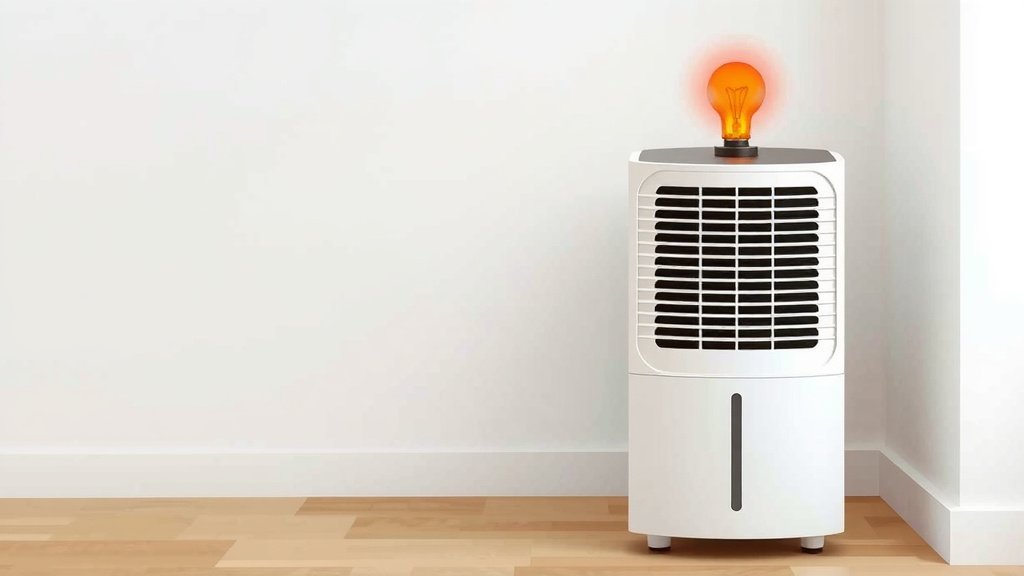
You’ve probably bought an air purifier to breathe easier, but maybe you’re wondering about the cost of running it. It’s a common question! How much energy does this helpful appliance actually use? Most air purifiers operate much like a standard light bulb. You can expect them to draw between 20 and 100 watts of power. This means they’re often quite energy-efficient.
Think about your typical 60-watt incandescent bulb. Your air purifier likely uses a similar amount, or perhaps a bit more. Some super-efficient models might even use less than 20 watts. On the other hand, larger units or those with more features could go up to 100 watts or slightly beyond. The wattage is key to understanding the energy draw.
Wattage: The Basic Measure of Energy Use
Wattage tells you the rate at which your air purifier uses electricity. It’s like the speed at which your meter is spinning. A higher wattage means it’s using more power at any given moment. Lower wattage means it’s more economical to run.
For example, a purifier rated at 50 watts will use half the energy of one rated at 100 watts. Over time, this difference adds up on your electricity bill. It’s important to check the specifications for your model. You can usually find this information on the back of the unit or in the user manual.
Factors That Influence Energy Use
Several things affect how much power your air purifier consumes. It’s not just a static number. The main drivers are fan speed, the size of the unit, and any extra functions it has.
Fan Speed Settings
This is one of the biggest variables. Most air purifiers have multiple fan speeds. Running your purifier on the highest setting will use the most energy. This is because the motor has to work harder and faster to move more air. Conversely, using a lower fan speed will significantly reduce power consumption. Think of it like driving a car: going 70 mph uses more gas than cruising at 45 mph.
Unit Size and Airflow (CADR)
Larger rooms often require larger air purifiers. These units typically have more powerful motors to circulate air effectively. They might have a higher wattage than smaller models designed for a single bedroom. Another related factor is the Clean Air Delivery Rate (CADR). A higher CADR means the unit can clean the air more quickly, but it often requires more power.
Additional Features: The Power Hogs?
Some air purifiers come with bells and whistles. These can include UV-C lights, ionizers, humidifiers, or even aromatherapy dispensers. These extra features often require their own power source. While UV-C lights and ionizers might offer perceived benefits, they do add to the overall energy draw. If energy savings are a top priority, you might want to choose a model with fewer of these add-ons.
How Much Does It Cost to Run an Air Purifier?
Let’s talk numbers. Calculating the cost involves a few simple steps. You need to know the wattage of your air purifier, how many hours a day you run it, and your local electricity rate. Most people run their air purifiers continuously for the best results.
Here’s a simple way to estimate the cost:
- Find your air purifier’s wattage (e.g., 50 watts).
- Convert watts to kilowatts (divide by 1000). So, 50 watts is 0.05 kilowatts.
- Multiply kilowatts by the hours you run it per day (e.g., 24 hours). That’s 0.05 kW * 24 hours = 1.2 kWh per day.
- Multiply daily kWh by your electricity rate (e.g., $0.15 per kWh). So, 1.2 kWh * $0.15 = $0.18 per day.
- Multiply the daily cost by 30 days for a monthly estimate. $0.18 * 30 = $5.40 per month.
As you can see, a 50-watt unit might cost around $5 to $7 per month to run continuously, depending on your electricity rates. If your unit uses 100 watts, that cost could double, perhaps $10 to $14 per month. This is generally a small price to pay for cleaner air!
The Impact of ENERGY STAR Certification
Looking for an energy-conscious choice? Keep an eye out for the ENERGY STAR label. This certification means a product meets strict energy efficiency guidelines set by the U.S. Environmental Protection Agency (EPA). ENERGY STAR certified air purifiers are designed to use less energy without sacrificing performance. Many experts recommend them for reducing both energy bills and your carbon footprint.
These models often use advanced motor technology or design features that optimize airflow. We found that ENERGY STAR models typically perform as well as or better than conventional models while consuming 20-50% less energy. This makes them a smart investment for long-term savings.
Comparing Different Air Purifier Types
The technology used in air purifiers can also influence energy consumption. Here’s a general idea:
| Air Purifier Type | Typical Wattage Range | Notes on Energy Use |
|---|---|---|
| HEPA Filter Purifiers | 20-100 watts | Energy use heavily depends on fan speed and motor size. Higher CADR models may use more power. |
| Activated Carbon Filters | Often combined with HEPA | Adds minimal energy draw, primarily tied to the fan moving air through the filter. |
| Ionic Purifiers | 10-50 watts | Generators use relatively little power. However, some models also have fans, increasing total consumption. |
| UV-C Light Purifiers | Adds 5-20 watts | The UV bulb itself consumes power, in addition to the fan motor. |
| Ozone Generators | Varies widely | Can be very energy efficient but raise significant health concerns. Not recommended by many health organizations (CDC). |
It’s worth noting that ozone generators are often marketed for air purification, but regulatory bodies like the EPA and health organizations like the American Lung Association advise against using them. They can produce ozone, which is a lung irritant. Most air purifiers that focus on filtration (like HEPA) are generally the safest and most predictable in terms of energy use.
Tips for Minimizing Your Air Purifier’s Energy Footprint
Want to keep your energy bills low while still enjoying clean air? You have control over several factors. Small changes can lead to noticeable savings over time. You don’t have to sacrifice air quality for energy efficiency.
- Use lower fan speeds when possible. If you don’t need maximum air cleaning, a quieter, lower setting saves power.
- Run it strategically. While continuous operation is best for consistent air quality, you might adjust settings based on your needs. For instance, you could use a higher setting when cooking and a lower one overnight.
- Maintain your filters. Clogged filters make your purifier work harder. Clean or replace filters according to the manufacturer’s recommendations. This ensures optimal airflow and efficiency.
- Choose ENERGY STAR models when buying a new unit. These are designed for better energy performance from the start.
- Turn off extra features you don’t need, like ionizers or UV lights, if your model allows.
- Proper placement matters. Ensure your purifier isn’t blocked by furniture, allowing it to circulate air freely. This helps it work more efficiently.
By being mindful of these tips, you can ensure your air purifier is working hard for your health without being a drain on your wallet or the environment. It’s about finding that sweet spot between clean air and responsible energy use.
“` “`htmlConclusion
You’ve learned that your air purifier’s energy use is quite manageable, often comparable to a light bulb. While factors like fan speed and extra features do influence consumption, most units are designed with efficiency in mind. Opting for ENERGY STAR certified models is a smart way to guarantee top performance with lower energy bills. By implementing simple tips, like using lower fan speeds and maintaining your filters, you can further reduce your purifier’s energy footprint.
Take a moment to check your air purifier’s wattage and compare it to your electricity bill. You might be surprised at how little it costs to enjoy cleaner air every day. Make informed choices to keep your home healthy and your energy costs in check.
Frequently Asked Questions
How much does it typically cost to run an air purifier per month?
Based on our research, running a common 50-watt air purifier continuously could cost around $5 to $7 per month. If your unit uses 100 watts, you can expect that cost to potentially double. These figures depend heavily on your local electricity rates.
Can I run my air purifier 24/7 without worrying about my electricity bill?
Yes, most people run their air purifiers 24/7 for continuous air quality. The energy consumption is generally low, similar to a light bulb. While continuous use does add to your bill, the cost is usually modest, especially for energy-efficient models.
Do air purifiers with multiple fan speeds use significantly more energy on higher settings?
Absolutely. Running your air purifier on higher fan speeds requires the motor to work harder, thus consuming more energy. Lower settings use considerably less power. If maximum cleaning isn’t critical, opting for a lower speed is a great way to save energy.
Is it worth buying an ENERGY STAR certified air purifier for energy savings?
Yes, it is often worth it. ENERGY STAR certified air purifiers meet strict EPA guidelines for energy efficiency. Our findings show these models typically use 20-50% less energy than standard units, offering long-term savings on your electricity bill.
Do air purifiers with extra features like UV lights or ionizers use more electricity?
Yes, additional features like UV-C lights and ionizers do add to the overall energy consumption of an air purifier. These components require their own power to operate, increasing the unit’s total wattage. If energy efficiency is your top priority, consider models with fewer of these add-ons.
“`